
Quotation


Performance
Environment and Energy Policy Consultation Consecutive Interpretation | Carbon Neutrality and Renewable Energy Strategy Forum – UNIVERSE RB
- 2025.07.31
This seminar explores sustainable energy transition and global cooperation, focusing on renewable energy and next-generation energy technologies.
Major topics include solar and wind energy, carbon neutrality strategies and ESG management, energy storage systems (ESS), digital transformation of electricity markets, international energy cooperation, and emerging technologies such as nuclear power and hydrogen energy.
Because energy discussions integrate technology, policy, and industry, professional interpretation is essential to accurately convey the context and complexity of these multidisciplinary topics.
Public Policy & Global Governance
Category
Description
This category covers interpretation cases related to international policy
forums, public cooperation initiatives, ODA programs, and global governance
topics including environmental and climate policy.
UNIVERSE RB provides integrated services including:
Simultaneous interpretation Consecutive interpretation International conference interpretation Policy document translation QMS-based quality management operations
We support international policy forums, government cooperation meetings, and global governance conferences with stable interpretation environments.

1. Event Overview
The environment and energy sector is a core global domain directly linked to climate crisis response, sustainability, and implementation of international agreements.
This consultation forum and seminar addressed a complex combination of:
-
Scientific research
-
Technological innovation
-
Policy frameworks
-
Climate finance mechanisms
Interpretation services played a critical role in facilitating seamless international communication among governments, research institutions, industry leaders, and financial stakeholders.
Environment and energy interpretation is not merely technical delivery — it is a specialized discipline integrating policy, science, and industrial strategy.
2. Why Is Environment & Energy Interpretation High-Complexity?
The environment and energy sector includes:
-
International treaty and regulatory language
-
Extensive scientific data and statistical content
-
Strict numerical accuracy in emission volumes and reduction targets
-
Simultaneous discussion of technology, finance, and public policy
-
Diplomatic and ethical sensitivity
Terms such as Net-Zero, Scope 1·2·3 emissions, emission factors, and reduction ratios require exact numerical consistency. Even minor inaccuracies can result in policy interpretation discrepancies.
3. Key Discussion Topics
-
Carbon Neutrality (Net-Zero) policies and greenhouse gas reduction roadmaps
-
Renewable energy transition (solar, wind, hydrogen)
-
Smart grid and energy efficiency technologies
-
ESG and climate finance strategies
-
International environmental frameworks such as the Paris Agreement and scientific assessments by the Intergovernmental Panel on Climate Change
-
Circular economy, green cities, and environmental legislation
4. Core Event Indicators
| Category | Details |
|---|---|
| Event Type | International forum · Policy seminar · Technical consultation |
| Key Fields | Carbon Neutrality · Renewable Energy · ESG · Climate Finance |
| Interpretation Mode | Simultaneous · Consecutive · On-site briefing |
| Specialized Terminology | Approx. 650–1,200+ terms |
| Statistical/Numerical Content | Approx. 35–45% of total presentation |
| Supported Languages | English · Vietnamese · Chinese · Japanese · Others |
5. Interpretation Formats
▸ Simultaneous Interpretation
-
International climate forums
-
Policy conferences
▸ Consecutive Interpretation
-
Technical presentations
-
Policy briefing sessions
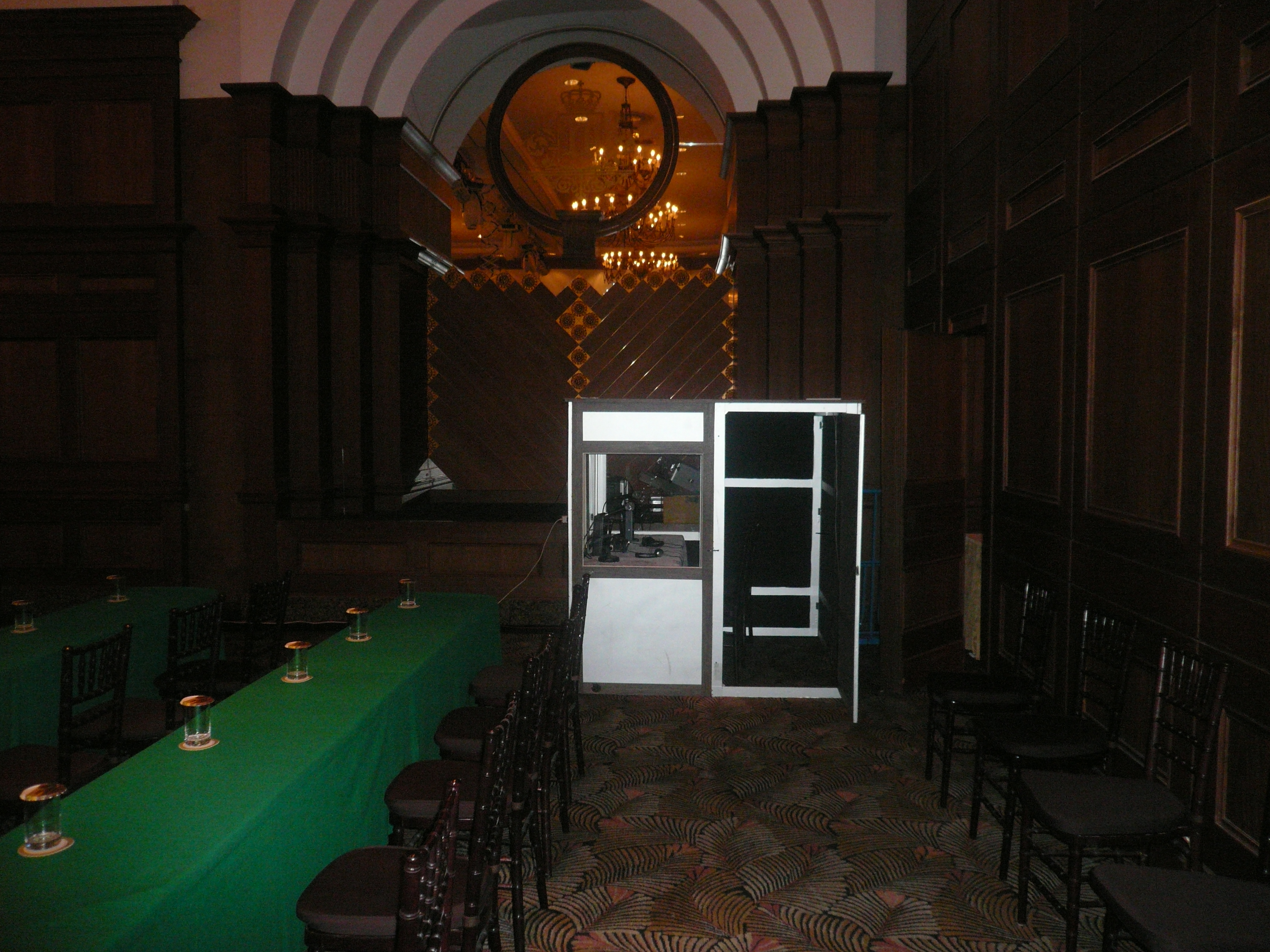
▸ On-Site Briefing Interpretation
-
Energy facility visits
-
Technology demonstrations
-
Expert coordination meetings
6. Required Competencies
-
Understanding of climate science and energy engineering terminology
-
Precise rendering of international agreement language
-
Accurate delivery of emission volumes and reduction targets
-
Contextual interpretation of policy background
-
Ethical neutrality
Units such as tCO₂eq, reduction percentages, and investment 규모 must be conveyed without numerical or unit errors.
7. Integrated Interpretation · Translation · Localization Services
In the environment and energy sector, localization extends beyond translation.
Services included:
-
Adapting policy language to national regulatory contexts
-
Professional translation of technical and policy reports
-
Multilingual localization of presentation materials
-
Global optimization of newsletters and press releases
Scientific accuracy and cultural context were reflected simultaneously.
8. Cost Structure & Operational Factors
Fees were determined based on:
-
Policy and technical complexity
-
Participation of international organizations
-
Requirement for simultaneous interpretation equipment
-
Availability of advance materials
-
Multilingual scope
-
Inclusion of on-site visits
For highly specialized seminars, advance documentation significantly impacts quality outcomes.
9. Application of the 9-Step QMS Framework
The event was managed through:
-
Analysis of event objectives and environmental scope
-
Collection of policy and technical materials
-
Consolidation of environment and energy terminology
-
Matching interpreters with domain expertise
-
Rehearsal and equipment testing
-
Numerical and statistical verification checklist operation
-
On-site quality monitoring
-
Q&A support and clarification management
-
Post-event review and continuous improvement
This structured framework minimized scientific, policy, and numerical risks.

10. Supported Languages
-
Vietnamese interpretation and translation (including simultaneous interpretation)
-
English, Chinese, Japanese, and other multilingual support available
This category covers interpretation cases related to environmental policy, energy transition, climate finance, and sustainability strategies in international forums and technical seminars.
Conclusion
Environment and energy consultation interpretation is a strategic language service connecting science, policy, and industrial transformation.
When carbon neutrality targets and international agreement language are delivered accurately and neutrally,
global cooperation and policy credibility are strengthened.
Through a QMS-based quality management system,
scientific, financial, and regulatory communication risks were structurally minimized.
This
case represents one of the sessions conducted as part of international policy
cooperation and global governance discussions.
Policy environments and international cooperation frameworks continue to evolve
in response to economic, environmental, and development policy changes.
→ See Digital Transformation Conference Cases
https://universerb.com/en/11_en/233?page=39
The case archive on this
website is based on interpretation and global communication experiences
conducted in international seminars, policy forums, corporate presentations,
and industry conferences.
To comply with client confidentiality and the Code of Professional Conduct,
some event details are described in a generalized manner.