
Quotation


Performance
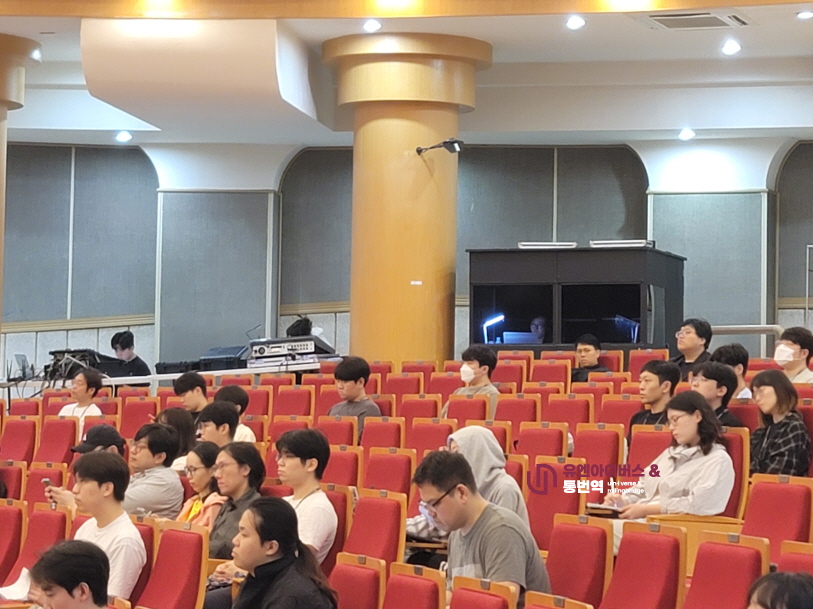
Indie Game and UGC Game Seminar Simultaneous Interpretation | Game Development · User Generated Content – UNIVERSE RB
- 2026.02.04
This international Indie Game and UGC forum explores creator-driven game development, user-generated content platforms, monetization strategies, and global market expansion across the gaming industry.
Key interpretation topics include indie game development by small teams, creative game design strategies, game development tools and engines, UGC platform architectures, creator ecosystem management, user-generated content operations, revenue-sharing models, publishing partnerships, global indie game market trends, community-driven growth strategies, and localization for international platforms.
Because the indie game industry integrates game development, platform ecosystems, the creator economy, digital content, monetization, and global publishing, professional interpretation is essential to accurately communicate technical terminology, business models, creator strategies, and international market expansion initiatives.
AI & Digital Transformation
Category Description
This category covers interpretation projects related to AI adoption, industrial automation, data-driven decision-making, digital platforms, and digital transformation technologies.
UNIVERSE RB provides integrated services, including:
- Simultaneous interpretation
- Consecutive interpretation
- Technical seminar interpretation
- AI-assisted captioning support
- AI-assisted terminology analysis
- QMS-based quality management
We support technology seminars, game-industry forums, creator-economy events, and digital innovation conferences by providing stable, professional, and technically optimized interpretation environments.
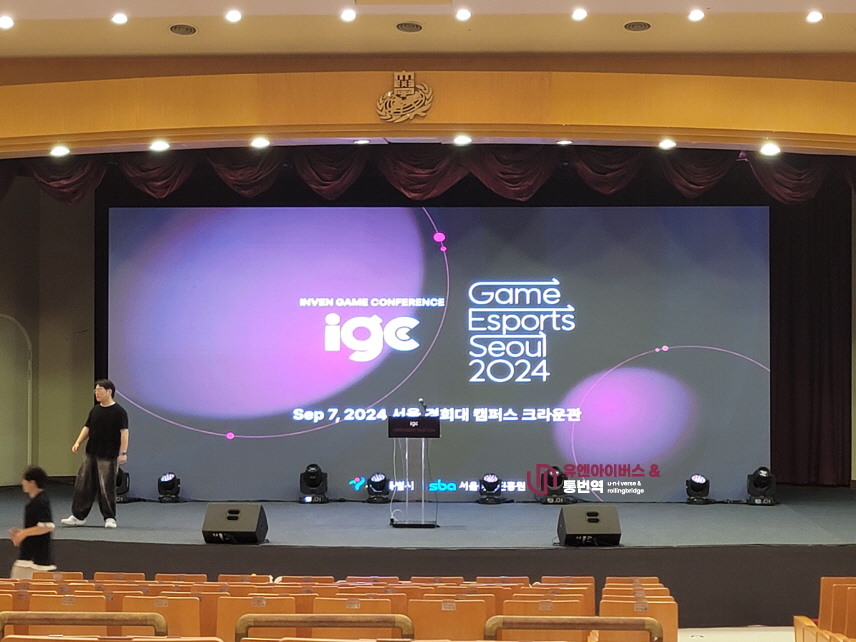
Indie Game and UGC Platform Seminar
Game Development · Creator Economy · Revenue Sharing
Executive Brief
The Indie Game and UGC Platform Seminar examined creator-driven game development, user-generated content platforms, monetization structures, and global expansion strategies within the evolving game ecosystem.
Indie developers, game planners, UGC platform operators, publishers, investors, and creator-community representatives participated in integrated discussions combining game-engine terminology, development workflows, creator-economy models, and platform revenue structures.
AI-assisted analysis supported terminology clustering across development pipelines, UGC platform architecture, and monetization frameworks.
Professional interpreters managed investment nuance, platform-governance sensitivity, revenue-percentage accuracy, and live panel discussions involving developers, publishers, and investors.
The QMS 9-Step Quality Management System was applied to prevent numerical errors and contextual distortion in technical and commercial communication.
Strategic Event Context
Nature of the Seminar
This was a professional industry forum exploring indie game development and UGC platform ecosystems within a creator-centric production model.
Stakeholder Structure
- Indie game developers
- Game planners and designers
- UGC platform operators
- Publishers
- Investors
- Creator-community representatives
Primary Objectives
- Examine technological and creative trends in indie game development
- Analyze UGC platform architecture and governance models
- Explore monetization and revenue-sharing structures
- Review creator compensation frameworks
- Discuss global publishing and market-expansion strategies
In this environment, interpretation directly influenced technical understanding, investment clarity, platform collaboration, and community trust.
Communication Architecture
1. Indie Game Development Trends
- Small-team development structures
- Creative game-design strategies
- Game-engine optimization and toolchains
- Agile production pipelines
- AI-assisted development workflows
2. UGC Platform Ecosystems
- UGC platform architecture
- User-generated content management
- Content-moderation models
- Creator-economy participation frameworks
- Community governance and engagement strategies
3. Business Models and Monetization
- Revenue models for indie games
- Revenue-sharing mechanisms for UGC creators
- Creator compensation structures
- Platform–publisher collaboration models
- In-game purchases and digital economies
4. Global Expansion and Community Growth
- Global indie game and UGC market trends
- Publishing and distribution strategies
- Platform-entry and localization cases
- Community-driven growth strategies
- Cross-platform expansion
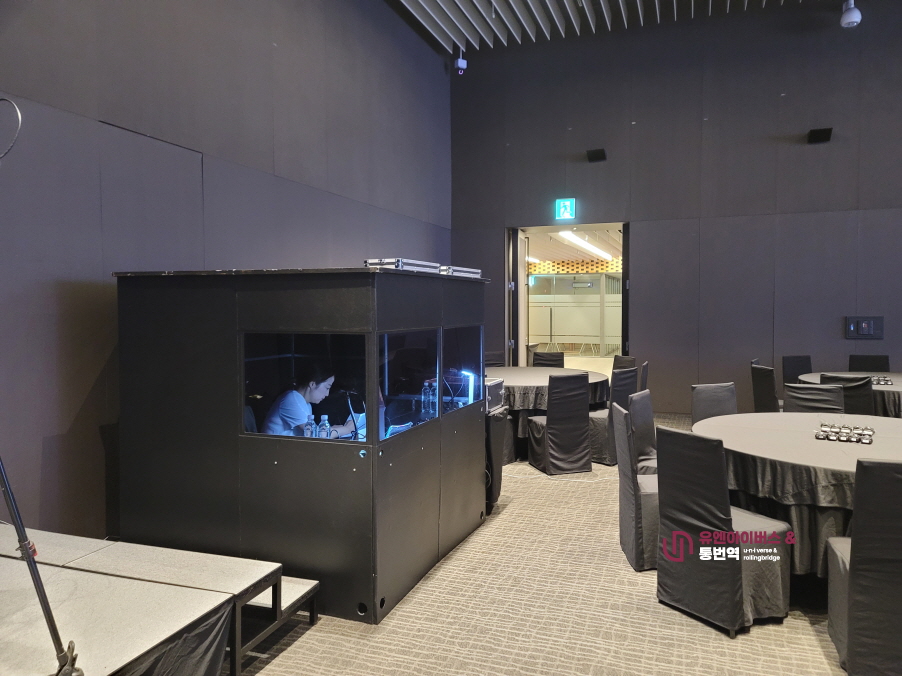
Interpretation Risk Matrix
High-Risk Areas
- Game-engine and technical pipeline terminology
- Revenue-sharing percentages and monetization models
- Creator compensation structures
- Platform-governance terminology
- Market-growth statistics
- Live Q&A between developers and investors
Potential Impact of Interpretation Errors
- Misunderstanding of technical workflows
- Incorrect interpretation of revenue structures
- Confusion regarding platform governance
- Distortion of investment information
- Loss of partnership or community credibility
Interpretation therefore functioned as commercial-clarity and ecosystem-governance infrastructure.
Preparation and Technical Alignment
Pre-Event Preparation Process
- Extraction of indie game and UGC terminology
- Alignment of development, platform, and monetization glossaries
- Review of pitch decks and development case materials
- Analysis of creator compensation and platform policies
- Risk mapping of revenue percentages and growth statistics
- Review of speaker communication styles
- Optimization of the interpretation system and acoustic environment
Specialized Terminology Volume
More than 1,000 game-development, UGC platform, creator-economy, and monetization terms were identified and mapped.
Preparation ensured consistent communication across technical development, creative production, platform governance, and commercial discussions.
AI–Human Hybrid Control Architecture
|
Segment
|
AI-Assisted Role
|
Professional Interpreter Role
|
Human Control
|
|
Terminology preparation |
Game and platform vocabulary extraction |
Context validation and industry-nuance control |
80% |
|
Development sessions |
Keyword and terminology alignment |
Real-time technical interpretation |
100% |
|
Business sessions |
Structural preview and topic mapping |
Revenue and investment-nuance control |
100% |
|
Panel discussions and Q&A |
Topic tracking |
Logical synthesis, clarification, and tone control |
100% |
Creator-economy and investment forums require human-led interpretation because of their technical complexity, commercial sensitivity, and negotiation nuance.
Case Study
Case Example
A panel discussion examining UGC revenue-sharing models and cross-platform expansion strategies.
Risk Variables
The session combined technical explanations of UGC development toolchains with investor-focused monetization projections, creator compensation structures, and revenue-sharing percentages.
Response
AI-assisted analysis was used before the seminar to cluster recurring terminology across game-engine workflows, UGC development tools, and creator-revenue models.
Professional interpreters then ensured the accurate delivery of revenue ratios, monetization projections, technical workflows, and platform-governance terminology during discussions with investors.
Particular attention was given to distinctions among gross revenue, net revenue, platform fees, publisher shares, and creator payouts.
Result
- No numerical deviation in revenue-percentage delivery
- No contextual distortion in platform-structure explanations
- Consistent terminology across technical and business sessions
- Clear communication between developers, platforms, and investors
- Positive stakeholder feedback
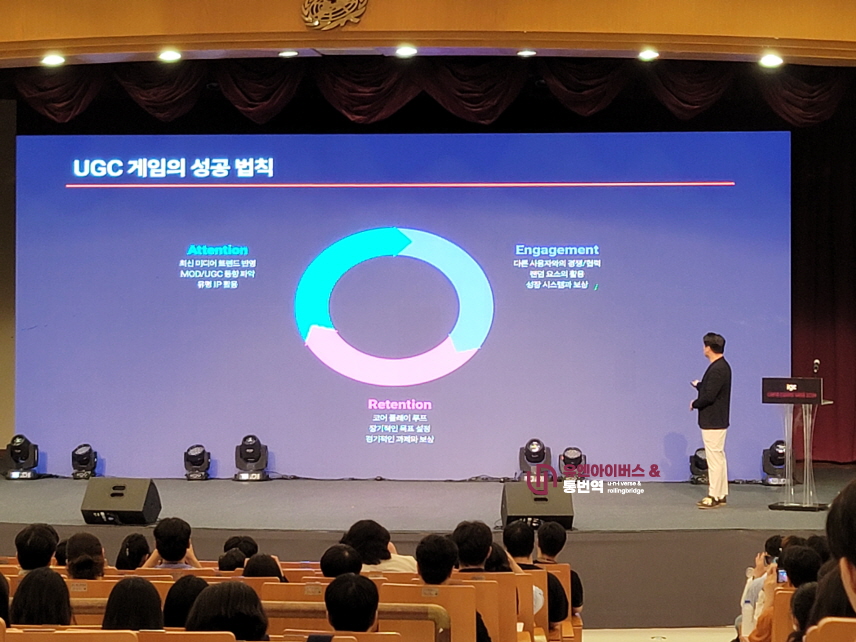
QMS 9-Step Application
- Review of pre-event case studies and presentation materials
- Development of indie game and UGC terminology glossaries
- Alignment of revenue and monetization terminology
- Cross-verification of growth statistics and revenue percentages
- Optimization of the acoustic and interpretation environment
- Real-time terminology monitoring
- Tone calibration across creative, technical, and business sessions
- Post-session terminology and accuracy audit
- Secure archiving for continuity in future game-industry projects
Quality Indicators
- Terminology alignment: above 99%
- Revenue and percentage precision: 100%
- Contextual distortion: zero recorded cases
Frequently Asked Questions
Q1. Why does indie game and UGC interpretation require specialized expertise?
It combines game-development workflows, engine terminology, creator-economy models, platform governance, monetization structures, and global publishing strategies.
Q2. Why must revenue terminology be delivered precisely?
An incorrect percentage or misinterpretation of a revenue category may affect investment evaluations, partnership negotiations, creator compensation, and commercial trust.
Q3. Can AI replace professional interpreters at UGC forums?
AI can support terminology extraction, glossary preparation, captioning, and topic analysis. However, commercial nuance, live developer discussions, investment questions, and context-dependent platform terminology require experienced professional interpreters.
Q4. Why is tone differentiation important?
Technical development sessions, creative presentations, community discussions, and investor negotiations have different communication objectives. The interpreter must adjust the tone while preserving the original meaning.
Q5. What increases the complexity of these seminars?
Complexity increases when game-development terminology, UGC platform architecture, creator compensation, revenue sharing, platform governance, investment projections, and global publishing strategies are discussed within the same program.
Pricing Determination Conditions
Pricing is determined according to technical complexity and commercial exposure.
Core Pricing Factors
- Language-pair complexity
- Density of game-engine and development terminology
- Level of UGC ecosystem specialization
- Sensitivity of revenue and investment information
- Complexity of platform-governance discussions
- Pre-event preparation requirements
- Number and grade of interpreters
- Event duration
- On-site, online, or hybrid configuration
- Interpretation and audio-equipment requirements
- Level of investor and platform participation
- Proportion of panel discussions and live Q&A
Indie game and UGC industry seminars are generally classified as commercially sensitive events requiring structured technical and business preparation.
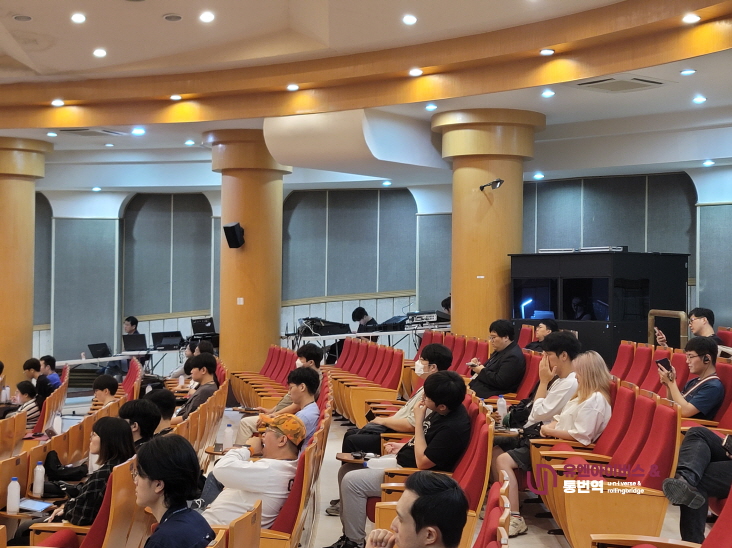
Professional Operating Standards
UNIVERSE RB operates according to the following standards:
- Professional and executive-level neutrality
- Strict confidentiality compliance
- Game-development and UGC terminology governance
- Revenue and numerical precision control
- Platform-policy and creator-economy terminology management
- Risk-aware communication architecture
- Human-led quality assurance
- QMS-based preparation and post-event review
Closing Statement
Indie game and UGC platform interpretation is not simple conference translation.
It is an ecosystem communication system connecting creative development, digital platforms, creator communities, revenue economics, and global expansion strategies.
UNIVERSE RB designs structured, high-precision communication environments for game-industry, UGC platform, and creator-economy events.
Professional human expertise ensures technical clarity, neutrality, confidentiality, and commercial precision.
Quality is engineered.
Strategic Visibility Statement
UNIVERSE RB provides high-level simultaneous and consecutive interpretation for game-development conferences, UGC platform forums, creator-economy seminars, and global publishing events.
AI-assisted terminology analysis supports game-engine workflows, platform architecture, monetization systems, and creator-economy terminology under professional human control.
Every project is structured through the QMS 9-Step Quality Management System to minimize numerical errors, terminology inconsistency, commercial ambiguity, and contextual distortion.
This case represents an industry seminar examining how digital platforms, AI-assisted development tools, UGC systems, and creator-economy models are transforming game production and global distribution.
Digital transformation continues to expand across game development, content creation, platform governance, community management, and data-driven monetization.
View More AI & Digital Transformation Cases
Confidentiality Notice
Choosing an interpretation company is ultimately about choosing a communication partner.
While company size, revenue, certifications, and market visibility provide useful context, they do not by themselves determine the success of multilingual communication.
Successful outcomes are achieved through careful preparation, experienced professionals, effective project management, and a communication strategy aligned with the objectives of the event.
At UNIVERSE RB, we believe that the best interpretation projects are built on preparation rather than improvisation, systems rather than assumptions, and communication outcomes rather than marketing claims.
Our role is not simply to translate words.
Our role is to help organizations communicate with confidence across languages, cultures, and industries.

About Our Case Archive
The case studies and project insights presented on this website are based on experience supporting international conferences, investor presentations, government forums, executive meetings, technical seminars, and multilingual corporate events.
To protect client confidentiality and comply with the Code of Professional Conduct followed by professional interpreters worldwide, certain project details have been generalized, anonymized, or adapted for educational purposes.
The purpose of these materials is to share practical insights into multilingual communication planning while respecting the confidentiality of every client and every project.
UNIVERSE RB
Designing Communication. Managing Risk. Delivering Understanding.