
Quotation


Performance
Why Simultaneous Interpretation Fails—and How to Prevent It?
- 2026.08.25
7 Critical Checks to Prevent Interpretation Failures: Interpreter Selection, Preparation, Terminology, Equipment, Rehearsal, and Event Operations
Successful simultaneous interpretation is not determined by interpreter skill alone.
The final quality can vary significantly depending on whether presentation materials are shared in advance, the right professional interpreters are assigned, terminology is prepared, equipment is tested, rehearsals are conducted, and schedule changes are communicated properly.
Small operational gaps—such as late presentation materials, insufficient subject-matter experience, incomplete audio testing, skipped rehearsals, or uncommunicated schedule changes—can lead to:
- Interpretation errors
- Terminology inconsistencies
- Audio interruptions
- Presentation delays
- Operational confusion
- Participant dissatisfaction
For international conferences and professional events, many interpretation problems can be reduced before the event begins.
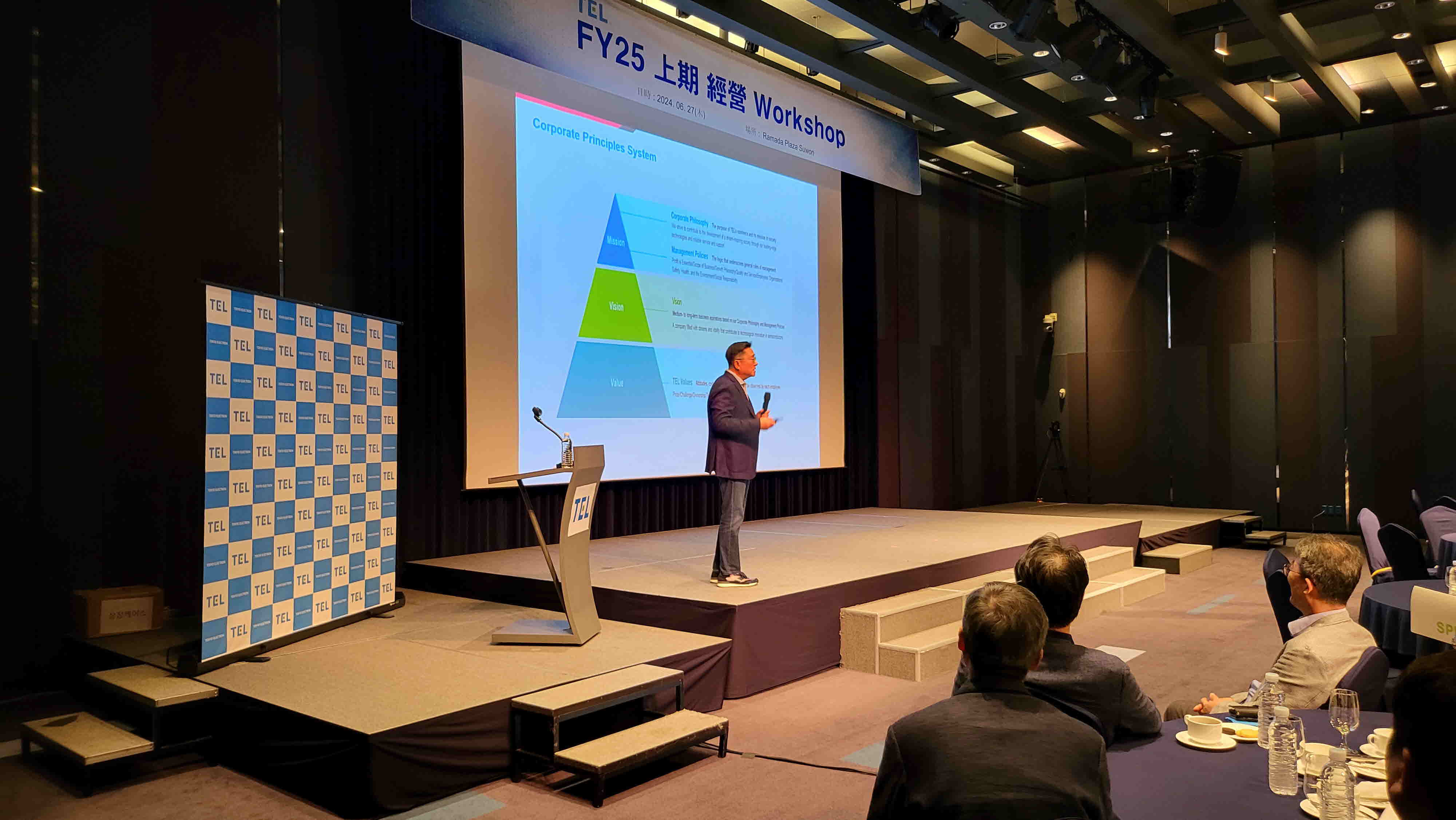
1. Why Does Simultaneous Interpretation Succeed at Some Events and Fail at Others?
It is easy to assume that successful simultaneous interpretation simply requires hiring a highly skilled interpreter.
Professional interpreter expertise is essential.
But in practice, the interpreter works within a much larger communication system.
The event also requires:
Interpreter Selection + Advance Preparation + Terminology Management + Audio Systems + Equipment Testing + Rehearsal + On-Site Operations
If several small problems occur at the same time, even an experienced interpreter may have difficulty maintaining consistent performance.
For example:
- Presentation materials arrive immediately before the event
- Technical terminology has not been reviewed
- The interpreter has limited experience in the event's subject area
- The speaker's audio feed is unclear
- The interpretation channels have not been tested
- The event schedule changes without notifying the interpretation team
Each issue may appear minor on its own.
Together, they can create significant communication and operational risk.
Key Insight
Successful simultaneous interpretation begins with a well-prepared event structure—not with the interpreter alone.
2. One-Sentence Answer
Many simultaneous interpretation problems are caused not by interpreter ability alone, but by insufficient preparation, inappropriate interpreter assignment, terminology gaps, technical issues, and weak event coordination.
3. When Is Preparation Especially Important?
Structured preparation becomes particularly important for:
- International conferences and forums
- Government and public-sector events
- Investor relations (IR) presentations
- Medical and pharmaceutical seminars
- Technical conferences
- Corporate product launches
- International buyer events
- Academic symposiums
- Multilingual conferences
- Policy and institutional events
The more specialized the subject matter, the greater the need for advance preparation.
These events may involve:
- Specialized terminology
- Acronyms
- Financial figures
- Technical specifications
- Policy terminology
- Clinical data
- Complex Q&A
- Multiple speakers
- Strict schedules
In these environments, interpretation quality often depends on what happens before the interpreter enters the booth.
4. Common Reasons Simultaneous Interpretation Problems Occur
Common Cause | What Can Happen |
Presentation materials delivered too late | Interpreters may have insufficient time to review terminology, abbreviations, and presentation flow |
Interpreter expertise does not match the subject matter | Specialized terminology and concepts may be more difficult to interpret consistently |
Insufficient equipment testing | Audio interruptions, receiver problems, or event delays may occur |
No rehearsal | Speakers, interpreters, and technical teams may not fully understand the event workflow |
Schedule changes are not communicated | Interpreter preparation and operational plans may no longer match the actual program |
Terminology is not prepared | Company names, technical terms, figures, and abbreviations may be handled inconsistently |
No dedicated operational support | Technical or scheduling problems may take longer to resolve |
Important Point
Many interpretation problems begin during the preparation stage rather than on the day of the event.
5. Why Presentation Materials Matter
Professional simultaneous interpreters process information in real time.
They do not have the same opportunity to stop, research, revise, and correct that a translator has when working with written documents.
Advance materials therefore help interpreters understand:
- The speaker's topic
- Presentation structure
- Technical terminology
- Company terminology
- Product names
- Acronyms
- Key figures
- Names of institutions and individuals
- Expected discussion topics
For specialized events, interpreters may also prepare a glossary before the event.
Preparation Flow
Presentation Materials → Terminology Analysis → Context Review → Interpreter Preparation → Live Interpretation
When presentation materials arrive only minutes before the event, much of this preparation becomes difficult.
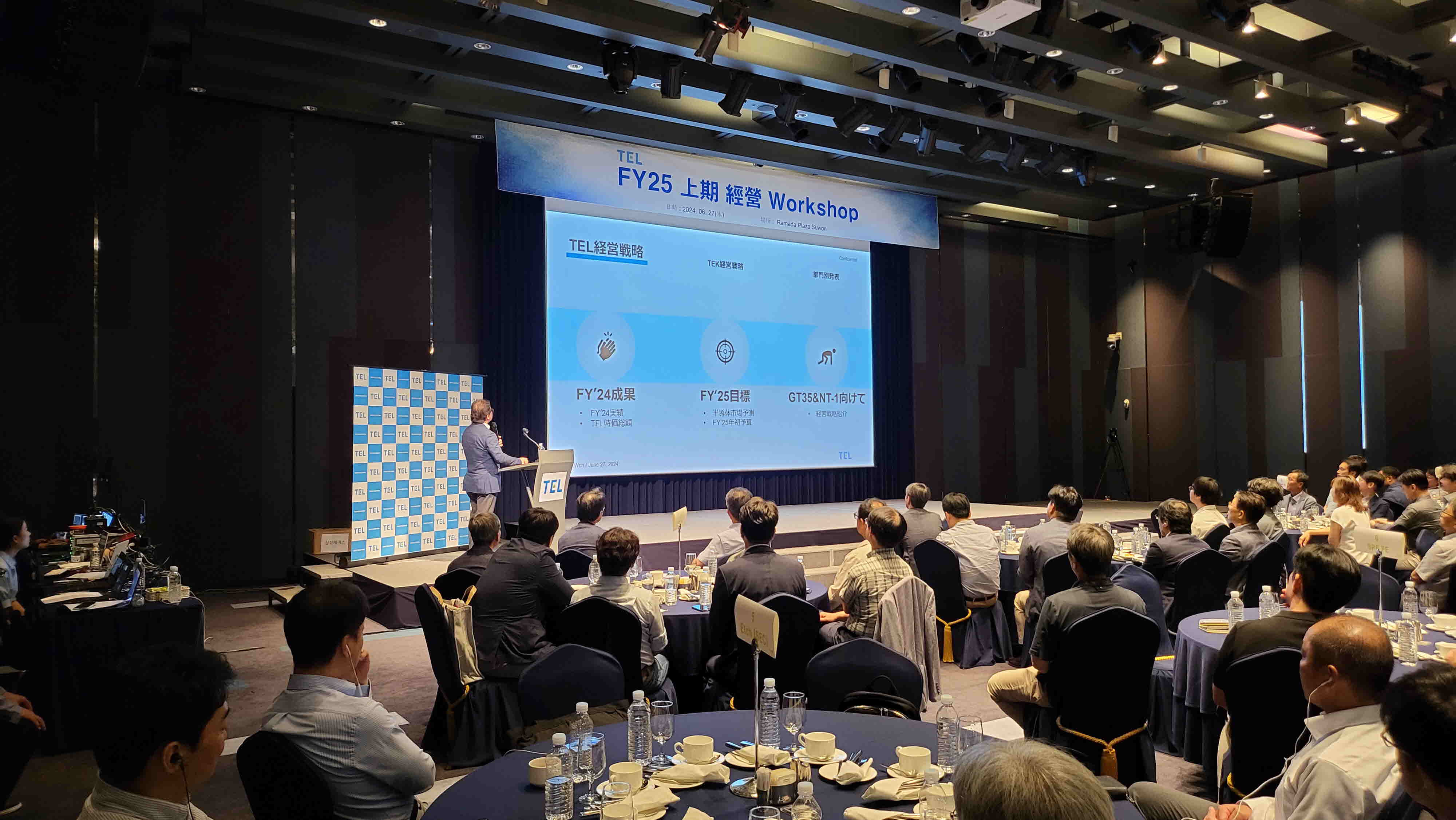
6. Why the Right Interpreter Matters
Not every professional interpreter is equally suitable for every assignment.
A conference on:
- Investor relations
- Medical devices
- Pharmaceuticals
- Artificial intelligence
- Semiconductors
- Government policy
- Manufacturing technology
may require different professional experience.
For example, an interpreter who is highly experienced in general business communication may not necessarily be the optimal choice for a pharmaceutical GMP conference.
Similarly, a medical specialist may not be the best fit for a complex investor Q&A session.
Professional Selection Principle
The goal is not simply to select a good interpreter. It is to select the right interpreter for the subject matter and communication environment.
7. Why Terminology Preparation Matters
Specialized terminology is one of the most common challenges in simultaneous interpretation.
Terminology preparation may include:
- Industry terminology
- Company-specific terminology
- Product names
- Technical abbreviations
- Policy terminology
- Drug names
- Medical terminology
- Financial metrics
- Names and titles
- Frequently repeated expressions
A shared glossary can also improve consistency when multiple interpreters work on the same event.
Key Principle
Terminology consistency is usually built before the event—not during the event.
8. Why Equipment Testing Matters
Even excellent interpretation cannot reach participants if the technical system does not work correctly.
A typical simultaneous interpretation communication chain may include:
Speaker Microphone → Audio System → Interpreter Booth → Interpreter Console → Transmission System → Receiver → Participant
A failure anywhere in this chain can affect communication quality.
Equipment checks may therefore include:
- Speaker microphones
- Interpreter consoles
- Booth audio
- Transmitters
- Receivers
- Headsets
- Language channels
- Audio routing
- Venue sound systems
- Remote platforms
- Network connections
Key Insight
Interpreter quality cannot compensate for an audio signal that the interpreter cannot hear clearly.
9. Why Rehearsal Matters
Rehearsal is not simply a ceremonial step before an event.
It provides an opportunity to confirm:
- Presentation order
- Speaker transitions
- Microphone use
- Interpretation channels
- Video playback
- Remote speakers
- Q&A procedures
- Panel discussions
- Audio routing
- Timing
- Emergency communication procedures
A rehearsal can identify problems when there is still time to correct them.
Without one, those same problems may first appear in front of the audience.
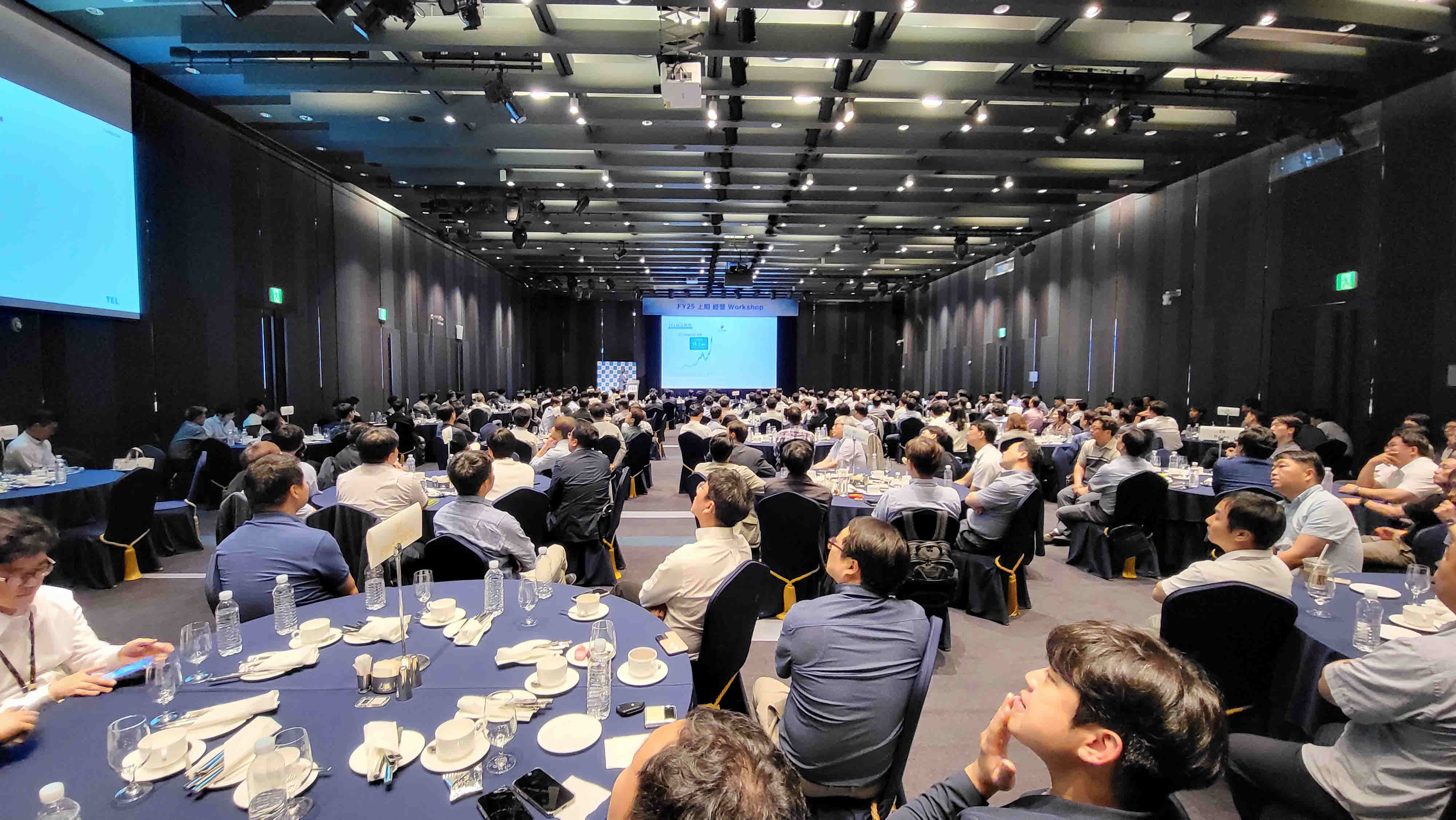
10. Why Schedule Changes Must Be Shared Immediately
International events frequently change.
For example:
- A speaker may be replaced
- A presentation may move to another time
- A panel may be added
- Q&A may be extended
- A remote speaker may join
- A session may move to another room
These changes can affect:
- Interpreter assignments
- Preparation priorities
- Break schedules
- Booth operations
- Equipment requirements
- Language channels
For this reason, the interpretation team should be informed as soon as material schedule changes occur.
Key Principle
An updated program is part of interpretation preparation.
11. Real-World Application Examples
Case 1. International Conference With Late Presentation Materials
Situation
Presentation materials were delivered shortly before the conference began.
The presentations contained specialized terminology and abbreviations.
Challenge
The interpretation team had limited time to review terminology and understand the structure of the presentations.
Lesson
Providing presentation materials earlier would have allowed more systematic preparation.
Advance materials directly affect preparation quality.
Case 2. Seminar With Insufficient Audio Testing
Situation
The seminar began according to schedule, but an audio connection problem temporarily interrupted the interpretation feed.
Challenge
Participants could not receive the interpretation signal normally until the issue was corrected.
Lesson
The problem could potentially have been identified during a full technical test or rehearsal before the event.
Technical testing is part of interpretation quality management.
Case 3. Technical Presentation With an Expertise Mismatch
Situation
A highly specialized technology seminar included advanced industry terminology.
The assigned interpreter had professional interpretation experience but limited familiarity with the specific technical field.
Challenge
Certain specialized terms were more difficult to handle consistently.
Lesson
A better match between interpreter expertise and subject matter, combined with advance terminology preparation, would have created a more stable communication environment.
Interpreter quality and interpreter fit are not the same thing.
12. Seven Critical Checks Before a Simultaneous Interpretation Event
1. Have Presentation Materials Been Shared Early Enough?
Provide available materials as early as reasonably possible.
These may include:
- Presentations
- Scripts
- Agendas
- Speaker information
- Technical documents
- Company materials
- Background references
2. Has the Right Interpreter Been Assigned?
Check whether the interpreter has relevant experience in:
- The industry
- Similar event formats
- Specialized terminology
- Q&A
- Conference interpretation
3. Has Specialized Terminology Been Prepared?
Identify important:
- Technical terms
- Acronyms
- Product names
- Financial terms
- Institutional terminology
- Medical terminology
- Names and titles
before the event.
4. Have the Interpretation Equipment and Audio Systems Been Tested?
Confirm:
- Booths
- Consoles
- Microphones
- Receivers
- Transmitters
- Audio feeds
- Language channels
- Remote connections
before participants arrive.
5. Has a Rehearsal Been Conducted?
A rehearsal should verify both technical and operational workflows.
It can also help interpreters understand:
- Speaker pace
- Presentation flow
- Q&A structure
- Program transitions
6. Are Schedule Changes Shared Immediately?
Ensure that interpreters, project managers, and technical staff receive the latest agenda and any updates as soon as possible.
7. Is Someone Responsible for Operations Until the Event Ends?
Professional interpretation requires ongoing coordination.
The responsible team should be able to respond to:
- Schedule changes
- Speaker changes
- Audio issues
- Additional Q&A
- Language-channel problems
- Technical interruptions
- Other unexpected situations
Final Checklist Principle
The more complex the event, the less interpretation should depend on last-minute improvisation.
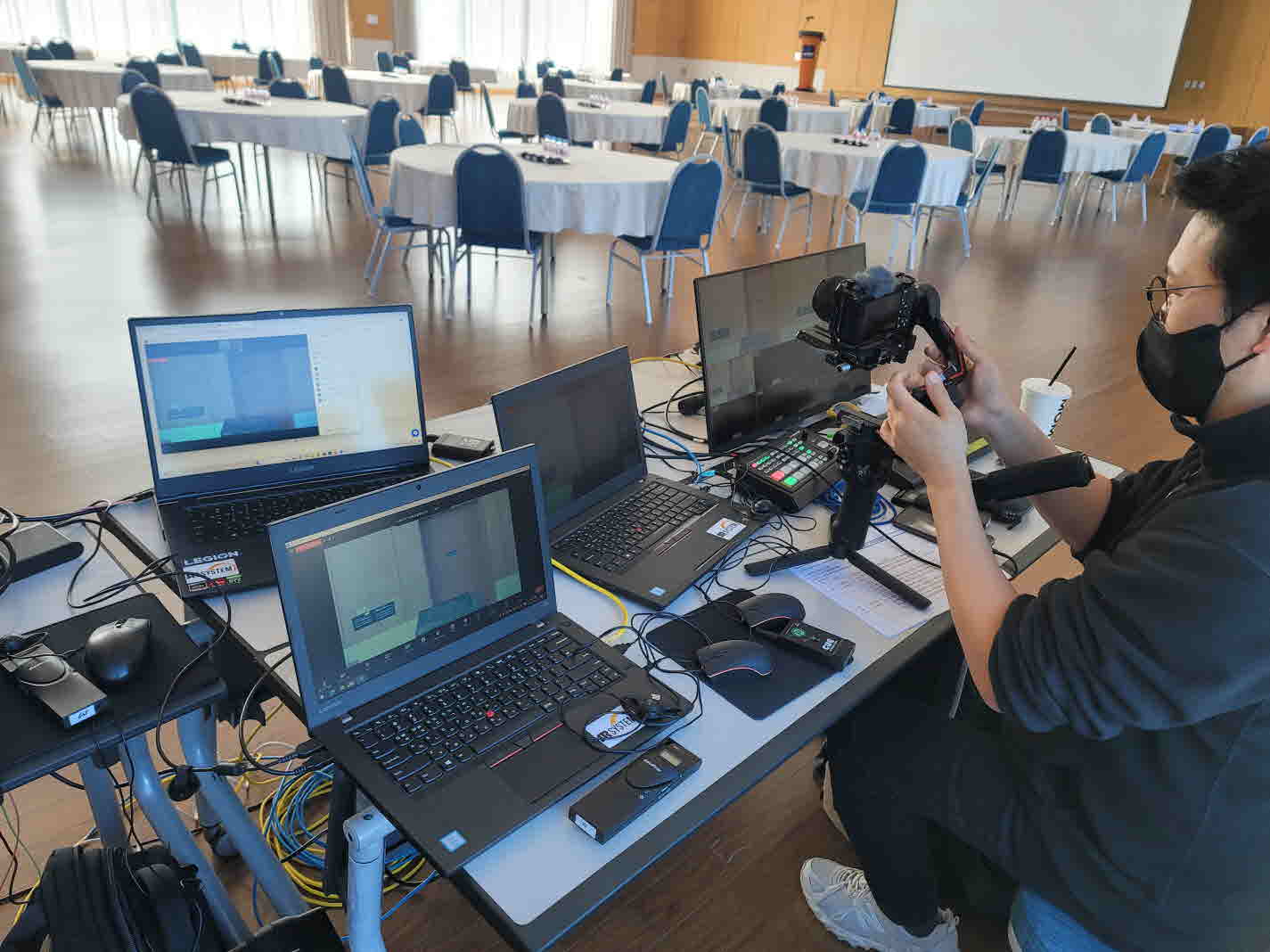
13. Interpreter Skill vs. Event Preparation
Successful interpretation requires both.
Interpreter Expertise | Event Preparation |
Language proficiency | Presentation materials |
Simultaneous interpretation skills | Terminology preparation |
Subject-matter experience | Technical testing |
Real-time judgment | Rehearsal |
Q&A capability | Schedule coordination |
Contextual understanding | On-site operations |
It is therefore misleading to frame professional interpretation as:
Interpreter OR System
The stronger model is:
Professional Interpreter + Professional System
14. What Event Organizers Should Ask Their Interpretation Provider
Before the event, ask:
Question | Why It Matters |
Who will interpret the event? | Confirms interpreter expertise |
Do they have experience in this field? | Evaluates subject-matter fit |
When should materials be provided? | Supports preparation |
Will terminology be prepared? | Improves consistency |
Who provides the interpretation equipment? | Clarifies technical responsibility |
Will the audio system be tested? | Reduces technical risk |
Is a rehearsal included? | Helps identify workflow problems |
Who manages the event on site? | Clarifies operational responsibility |
How are schedule changes handled? | Protects coordination |
What backup procedures are available? | Supports contingency planning |
A professional provider should be able to explain the operating process behind the interpreters.
15. Frequently Asked Questions
Q1. Is hiring an excellent simultaneous interpreter enough?
Not always.
Interpreter expertise is essential, but preparation, terminology, audio quality, equipment, rehearsal, and event operations can all affect final performance.
Q2. How early should presentation materials be provided?
Earlier is generally better, particularly for specialized or complex events. The exact timeline depends on the amount and complexity of the materials.
Q3. Is a rehearsal really necessary?
Not every event requires the same level of rehearsal, but complex international events can benefit significantly from testing speaker flow, interpretation channels, audio, video, and technical systems beforehand.
Q4. Can equipment problems affect interpreter performance?
Yes.
If the interpreter cannot hear the speaker clearly, accurate simultaneous interpretation becomes significantly more difficult.
Q5. Why is industry experience important?
Subject-matter familiarity helps interpreters understand technical terminology, concepts, context, and speaker intent more efficiently.
Q6. Can schedule changes affect interpretation?
Yes.
Changes may affect interpreter preparation, assignments, technical requirements, breaks, and overall workflow.
Q7. What is the most important preparation step?
There is no single universal step. The strongest results generally come from combining appropriate interpreter selection, materials, terminology preparation, equipment testing, rehearsal, and on-site coordination.
Key Takeaway
Most simultaneous interpretation failures are not caused by a single dramatic mistake.
They are often the result of several smaller gaps:
Late Materials + Expertise Mismatch + Limited Terminology Preparation + Incomplete Technical Testing + No Rehearsal + Poor Schedule Communication
Professional event management is designed to reduce these risks before they reach the audience.
Conclusion
Why does simultaneous interpretation succeed at one event and struggle at another?
Because simultaneous interpretation quality is not created by interpreter skill alone.
It depends on an interconnected system:
Event Analysis
→ Professional Interpreter Selection
→ Advance Material Review
→ Terminology Preparation
→ Equipment Testing
→ Rehearsal
→ On-Site Operations
→ Quality Management
A strong interpreter remains at the center of the process.
But the interpreter can perform most consistently when the surrounding communication environment has also been professionally prepared.
The most important lesson for event organizers is therefore simple:
Successful simultaneous interpretation starts before the event begins.
Related Information
- How Is Simultaneous Interpretation Pricing Determined?
- Simultaneous vs. Consecutive Interpretation
- Why Professional Interpretation Is Communication Risk Management
- AI Interpretation vs. Professional Interpretation
- Why Interpretation Quality Varies Between Events
- How to Choose a Professional Interpretation Company
About Our Case Archive

The case studies and project insights presented on this website are based on experience supporting international conferences, investor presentations, government forums, executive meetings, technical seminars, and multilingual corporate events.
To protect client confidentiality and comply with the Code of Professional Conduct followed by professional interpreters worldwide, certain project details have been generalized, anonymized, or adapted for educational purposes.
The purpose of these materials is to share practical insights into multilingual communication planning while respecting the confidentiality of every client and every project.
UNIVERSE RB
Designing Communication. Managing Risk. Delivering Understanding.