
Quotation


Performance
Why Simultaneous Interpretation Costs Vary Between Events?
- 2026.08.24
How Event Size, Interpreter Teams, Equipment, Preparation, and Quality Management Determine Professional Interpretation Pricing
Simultaneous interpretation pricing is not determined by interpretation time alone.
The total cost can vary significantly depending on event size, communication complexity, number of languages, interpreter staffing, equipment requirements, advance preparation, rehearsal, technical support, and quality management.
Professional simultaneous interpretation often begins well before the event itself. Presentation materials may need to be reviewed, terminology prepared, interpreters briefed, equipment configured, audio systems tested, and technical workflows rehearsed.
For this reason, when comparing simultaneous interpretation quotations, organizations should evaluate not only the price but also what level of expertise, preparation, equipment, and operational support is included.
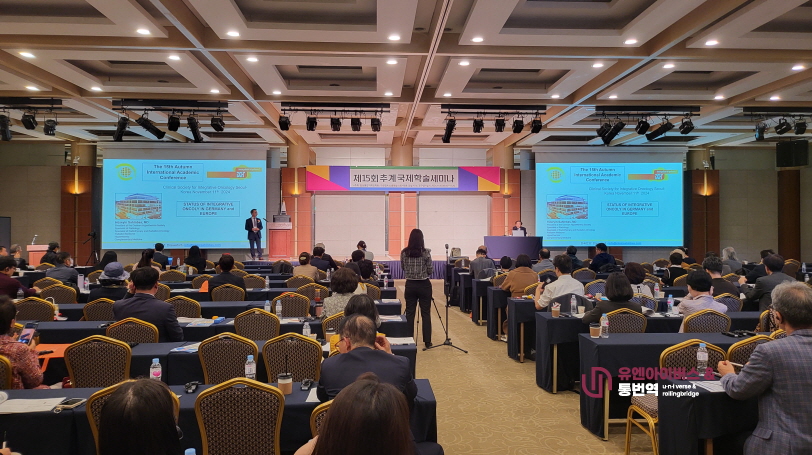
1. Why Do Simultaneous Interpretation Prices Vary Between Providers?
For someone organizing simultaneous interpretation for the first time, it can be surprising to receive significantly different quotations for what appears to be the same event.
The reason is simple:
The event duration is only one part of the cost structure.
A professional simultaneous interpretation project may involve:
- Event analysis
- Interpreter selection
- Multiple interpreters
- Subject-matter expertise
- Presentation review
- Terminology preparation
- Interpretation booths
- Interpreter consoles
- Receivers and transmitters
- Audio integration
- Rehearsals
- Technical engineers
- On-site operations
- Quality management
Two events may both last four hours, but the professional structure required to support them may be completely different.
Key Insight
Simultaneous interpretation pricing reflects the entire communication system—not just the interpreter's time.
2. One-Sentence Answer
Simultaneous interpretation costs are determined by event size, complexity, interpreter staffing, preparation, equipment, and operational support—not by event duration alone.
3. What Determines Simultaneous Interpretation Pricing?
A professional quotation may consider the following factors:
- Event size and number of participants
- Event duration and program structure
- Number of languages
- Number of interpreters
- Industry and subject complexity
- Simultaneous interpretation equipment
- Presentation materials and preparation
- Terminology management
- Rehearsal requirements
- Technical personnel
- Venue and audio infrastructure
- On-site event support
Because these requirements vary by event, two programs of the same duration can have very different pricing structures.
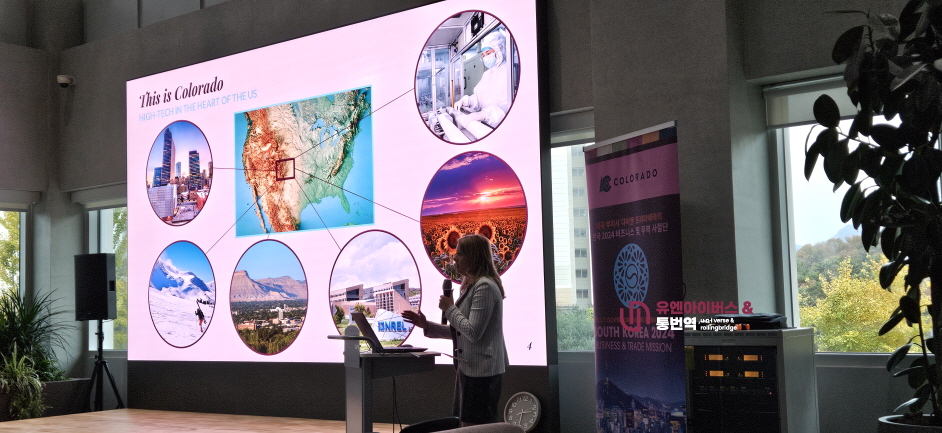
4. Major Factors That Affect Simultaneous Interpretation Cost
|
Cost Factor
|
Why It Affects Pricing
|
|
Event Duration |
Interpreter workload and operational time vary |
|
Event Size |
Larger audiences may require more receivers, equipment, and technical support |
|
Number of Languages |
Each language may require additional interpreters and language channels |
|
Interpreter Staffing |
Extended simultaneous interpretation often requires interpreter teams |
|
Industry Expertise |
Medical, legal, technical, policy, and financial events may require specialized interpreters |
|
Advance Preparation |
Presentation analysis, terminology preparation, and briefing may be required |
|
Interpretation Equipment |
Booths, consoles, transmitters, receivers, and audio systems may be needed |
|
Technical Operations |
Engineers may be required for setup, routing, testing, and troubleshooting |
|
Rehearsal |
Technical and communication workflows may need to be tested before the event |
|
Quality Management |
Project coordination, monitoring, and contingency response may be included |
Key Message
A simultaneous interpretation quotation is based on the complete event structure, not simply the number of interpretation hours.
5. Why Interpreter Teams Affect the Cost
Simultaneous interpretation requires sustained concentration and rapid real-time processing.
For longer or complex events, professional simultaneous interpreters are commonly deployed as a team so they can alternate and maintain consistent performance.
The staffing structure may vary depending on:
- Event duration
- Number of sessions
- Number of languages
- Subject complexity
- Q&A intensity
- Schedule density
For example:
One language + short session
may require a relatively simple structure.
Multiple languages + full-day conference + technical
Q&A
may require several interpreter teams and additional coordination.
Key Principle
The number of interpreters should be determined by workload and communication complexity—not by cost reduction alone.
6. Why Subject-Matter Expertise Affects Pricing
A simultaneous interpreter working at a general corporate presentation and one working at a medical, legal, technical, or IR event may require very different preparation.
Policy and Government Events
May involve:
- Government terminology
- Policy concepts
- Institutional names
- International cooperation
- Formal public communication
Medical and Pharmaceutical Events
May involve:
- Clinical terminology
- GMP
- Medical devices
- Regulatory language
- Drug names
- Clinical data
Technology Conferences
May involve:
- Artificial intelligence
- Semiconductors
- Software
- Engineering
- Manufacturing systems
- Cybersecurity
Investor Relations
May involve:
- Revenue
- Profitability
- Valuation
- Financial ratios
- Market forecasts
- Investment conditions
- Investor Q&A
The language pair may be the same.
The professional expertise required is not.
7. Why Advance Preparation Matters
Professional simultaneous interpretation begins before the interpreter enters the booth.
Preparation may include:
- Presentation materials
- Speaker information
- Event agenda
- Company information
- Product terminology
- Technical documents
- Financial information
- Acronyms
- Key figures
- Industry terminology
- Expected Q&A
This allows interpreters to understand the subject and communication context before processing information in real time.
Preparation Workflow
Materials → Terminology → Context → Interpreter Briefing → Rehearsal → Live Interpretation
For specialized international events, preparation can significantly affect terminology consistency and communication stability.

8. Why Equipment Affects Simultaneous Interpretation Pricing
Simultaneous interpretation frequently requires professional technical infrastructure.
Depending on the venue and event format, equipment may include:
- Interpretation booths
- Interpreter consoles
- Transmitters
- Receivers
- Headsets
- Microphones
- Audio mixers
- Distribution systems
- Language channels
- Remote interpretation platforms
- Streaming integration
- Network infrastructure
The number of participants also matters.
A conference for 50 participants does not require the same receiver and distribution structure as an event for 500 participants.
Communication Chain
Speaker → Microphone → Audio System → Interpreter → Language Channel → Receiver → Participant
A problem anywhere in this chain can affect the interpretation experience.
9. Why Technical Support Matters
Even excellent interpreters cannot provide reliable interpretation if they cannot hear the speaker clearly or if the translated audio does not reach participants.
Technical personnel may therefore manage:
- Equipment installation
- Audio routing
- Microphone feeds
- Language channels
- Receiver distribution
- Sound checks
- Remote connections
- Recording interfaces
- Troubleshooting
- Backup systems
This operational support is part of what differentiates a simple interpreter assignment from a professionally managed simultaneous interpretation system.
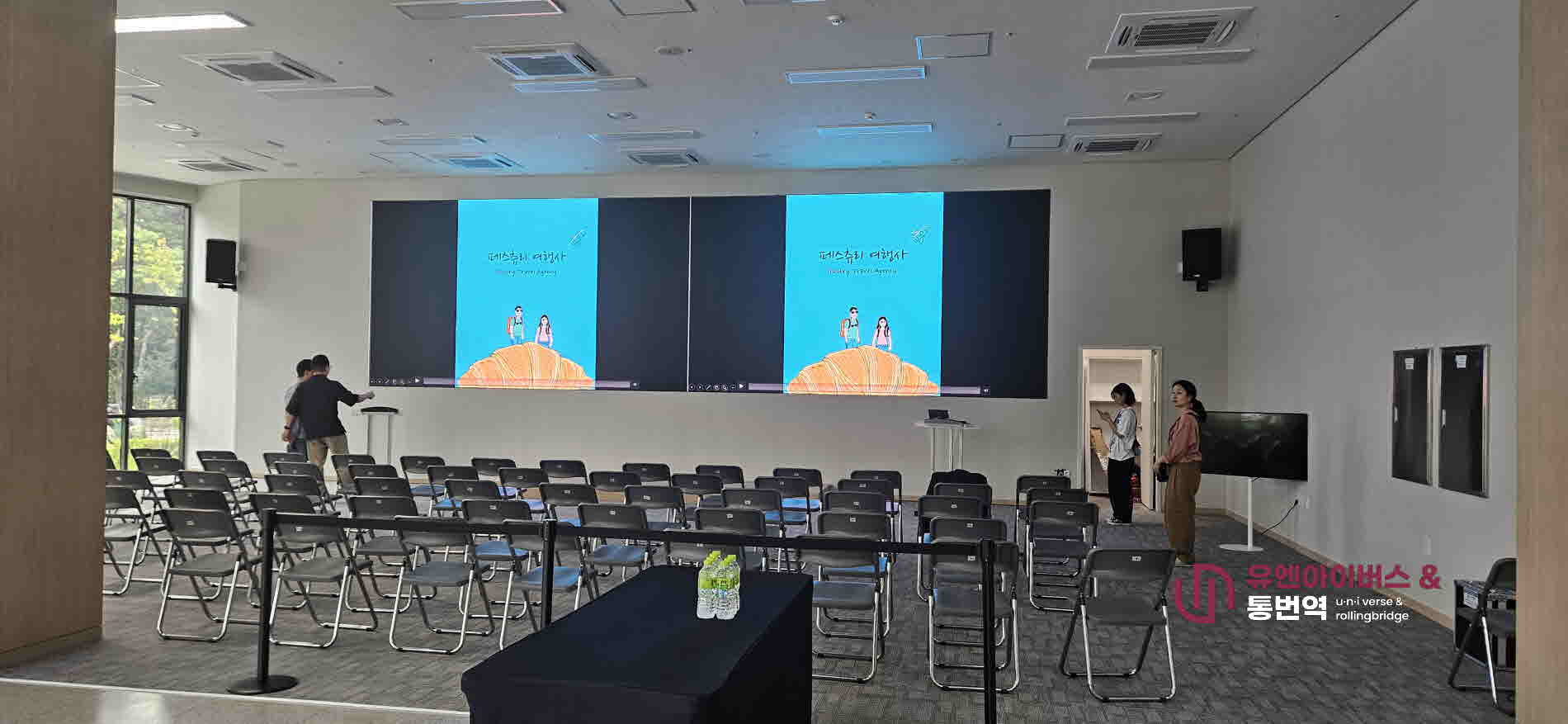
10. Real-World Application Examples
Case 1. International Forum
Event Structure
Approximately 300 participants attended an international forum.
The event required:
- Two simultaneous interpreters
- Interpretation booth
- Receivers
- Audio system integration
- Presentation review
- Rehearsal
- Technical support
Result
The integrated interpretation and technical structure supported continuous multilingual communication throughout the event.
Key Lesson
The quotation reflected the complete event infrastructure—not simply interpreter hours.
Case 2. Investor Relations Presentation
Event Structure
The formal speaking time was relatively limited, but the event included financial materials, investor questions, and decision-critical numerical information.
Preparation
The interpreter reviewed:
- Corporate presentation materials
- Financial terminology
- Investment conditions
- Key figures
- Expected Q&A
Key Lesson
A short event can still require significant professional preparation.
Time alone is therefore not an accurate measure of interpretation complexity.
Case 3. International Technology Seminar
Event Structure
The seminar involved specialized technical terminology and formal presentations.
Before the event:
- Presentation materials were reviewed
- A technical glossary was prepared
- Interpretation equipment was configured
- Audio systems were tested
- Technical support personnel were assigned
Result
Both interpretation and technical operations were managed as one integrated communication system.
11. Why Two Four-Hour Events Can Have Different Costs
Consider two events lasting exactly four hours.
|
Factor
|
General Corporate Seminar
|
International Medical Conference
|
|
Duration |
4 hours |
4 hours |
|
Language Pair |
Same |
Same |
|
Interpreter Expertise |
General business |
Medical specialist |
|
Preparation |
Basic |
Extensive |
|
Terminology |
General |
Highly specialized |
|
Q&A |
Limited |
Technical |
|
Equipment |
Basic |
Full simultaneous setup |
|
Technical Support |
Limited |
Required |
|
Quality Management |
Standard |
High |
|
Pricing Structure |
Lower complexity |
Higher complexity |
The duration is identical.
The professional requirements are not.
Key Insight
Same time does not mean same interpretation service.
12. Seven Criteria for Evaluating a Simultaneous Interpretation Quote
Before comparing quotations, check the following:
1. Has the event purpose and size been clearly analyzed?
The provider should understand:
- Audience size
- Speakers
- Event format
- Language requirements
- Q&A structure
2. Are interpreters selected based on relevant expertise?
A medical, technical, policy, or IR event may require subject-specific experience.
3. Is advance presentation review included?
Preparation can directly affect terminology readiness.
4. Is terminology management included?
Professional terminology, company names, product names, acronyms, and key figures should be reviewed when appropriate.
5. Is interpretation equipment included?
Confirm whether the quotation includes:
- Booths
- Consoles
- Receivers
- Transmitters
- Audio integration
6. Are rehearsal and technical support included?
These can help identify operational issues before the event begins.
7. Who is responsible for quality and event operations?
A professional provider should clearly define responsibility through the end of the event.
Buyer Principle
Compare the full interpretation structure—not just the final price.
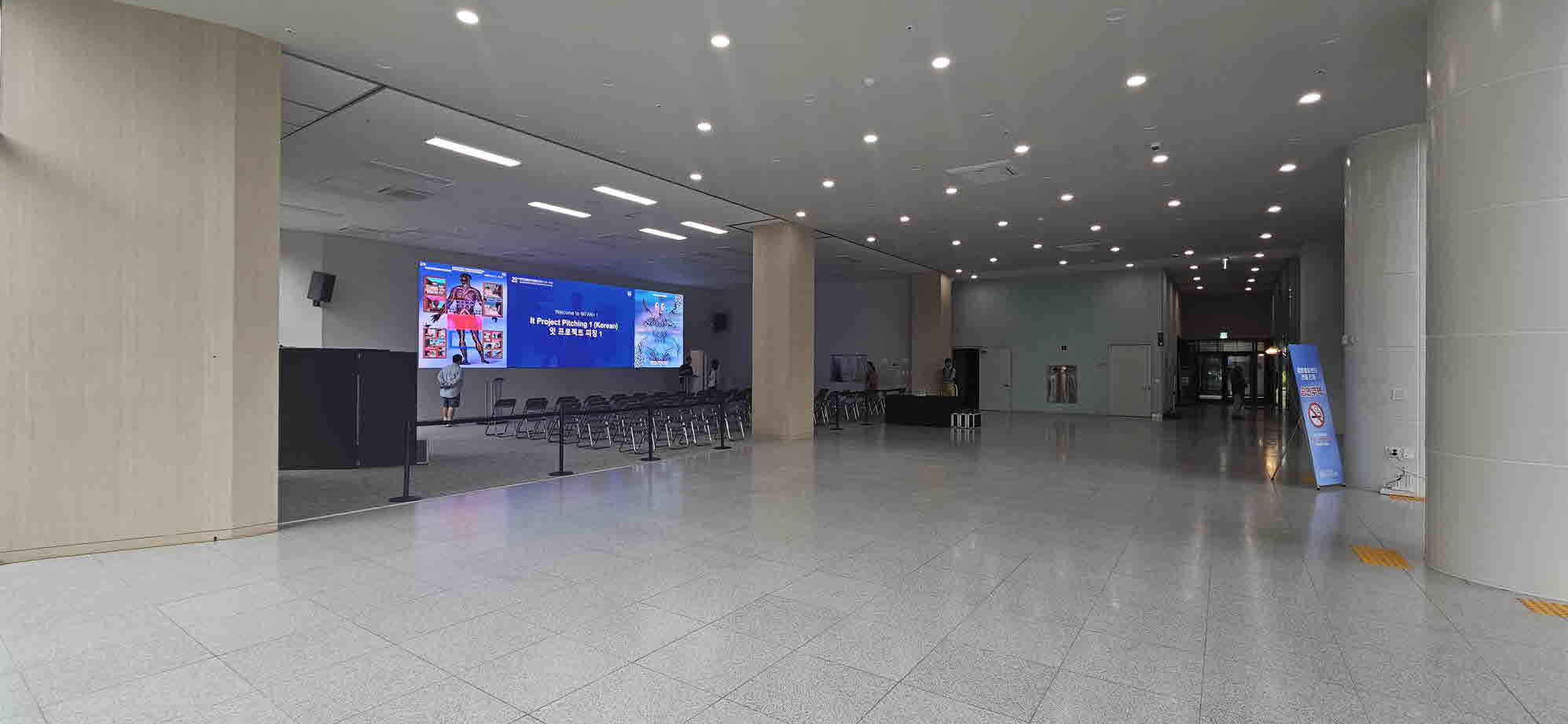
13. What Is Actually Included in Professional Simultaneous Interpretation?
A professional service may include:
Event Analysis
→ Interpreter Selection
→ Material Review
→ Terminology Preparation
→ Equipment Design
→ Technical Setup
→ Rehearsal
→ Live Interpretation
→ Technical Operations
→ Quality Management
The visible interpretation session is therefore only one part of the project.
This is why simultaneous interpretation should be evaluated as an event communication system, not simply an hourly service.
14. How to Reduce Simultaneous Interpretation Costs Without Reducing Essential Quality
Cost optimization does not mean removing necessary quality controls.
Organizations can manage costs by:
- Selecting only the required language channels
- Estimating receiver quantities accurately
- Choosing the correct interpretation method
- Providing presentation materials early
- Identifying high-risk sessions in advance
- Separating formal presentation sessions from smaller meetings
- Using consecutive interpretation for appropriate breakout sessions
- Avoiding unnecessary equipment
- Integrating existing venue audio systems where appropriate
Key Principle
Reduce unnecessary structure—not necessary quality.
15. Simultaneous Interpretation vs. Consecutive Interpretation Cost Structure
|
Category
|
Simultaneous Interpretation
|
Consecutive Interpretation
|
|
Typical Format |
Continuous presentation |
Interactive discussion |
|
Interpreter Structure |
Often team-based |
Often one interpreter for shorter assignments |
|
Equipment |
Frequently required |
Usually minimal |
|
Technical Support |
Often required |
Usually limited |
|
Event Timing |
Maintains schedule |
May extend meeting time |
|
Typical Use |
Conferences, forums, seminars |
Meetings, negotiations, interviews |
|
Cost Structure |
Interpreter + equipment + operations |
Primarily interpreter + preparation |
Neither structure is automatically more economical.
The correct choice depends on the event.
16. FAQ
Q1. Why does simultaneous interpretation cost more than expected?
Because a quotation may include more than interpreter time. It can include preparation, multiple interpreters, equipment, technical staff, rehearsal, and event operations.
Q2. Why do prices vary between simultaneous interpretation companies?
Different providers may include different levels of interpreter expertise, preparation, equipment, technical support, project management, and quality management.
Q3. Are two interpreters always necessary?
Not every assignment has identical requirements. However, extended or demanding simultaneous interpretation commonly uses interpreter teams because of the intensity of continuous real-time processing.
Q4. Why does event size affect the cost?
Larger events may require more receivers, distribution systems, staffing, technical support, and more complex audio infrastructure.
Q5. Why does the number of languages matter?
Each additional language may require additional interpreters, booths, consoles, channels, receivers, and technical coordination.
Q6. Does advance preparation increase the price?
Preparation requirements vary by assignment. Specialized presentations may require significant document review, terminology preparation, and briefing before the event.
Q7. Should we choose the lowest quotation?
Not automatically.
Buyers should compare the interpreter structure, preparation, equipment, technical support, and quality-management scope included in each quotation.
Key Takeaway
Simultaneous interpretation pricing is not simply:
Interpreter Fee × Event Hours
A more accurate structure is:
Interpreter Expertise + Staffing + Preparation + Equipment + Technical Operations + Quality Management
This is why two events of the same duration can receive very different quotations.
Conclusion
Why do simultaneous interpretation prices vary?
Because simultaneous interpretation is not simply the act of translating speech in real time.
Professional international events may require:
Specialized Interpreters + Advance Preparation + Terminology Management + Interpretation Equipment + Technical Support + Rehearsal + Event Operations + Quality Management
Each element contributes to communication accuracy and operational stability.
When comparing quotations, organizations should therefore ask not only:
“How much does simultaneous interpretation cost?”
but also:
“What professional expertise, preparation, equipment, and operational support are included in this quotation?”
The best-value interpretation service is not necessarily the cheapest or the most expensive.
It is the interpretation structure that appropriately matches the size, complexity, communication risk, and objectives of the event.
Related Information
- Simultaneous vs. Consecutive Interpretation: Which Is Right for Your Event?
- Why Consecutive Interpretation Costs Vary
- Why Interpretation Costs Vary Between International Events
- AI Interpretation vs. Professional Interpretation
- Why Professional Interpretation Is a Communication Risk Management Service
- How to Choose a Professional Interpretation Company
About Our Case Archive

The case studies and project insights presented on this website are based on experience supporting international conferences, investor presentations, government forums, executive meetings, technical seminars, and multilingual corporate events.
To protect client confidentiality and comply with the Code of Professional Conduct followed by professional interpreters worldwide, certain project details have been generalized, anonymized, or adapted for educational purposes.
The purpose of these materials is to share practical insights into multilingual communication planning while respecting the confidentiality of every client and every project.
UNIVERSE RB
Designing Communication. Managing Risk. Delivering Understanding.