
Quotation


Performance
Why the Right Professional Interpreter Matters More Than a Small Cost Difference?
- 2026.08.18
How Interpreter Expertise, Event Preparation, Technology, and Quality Management Determine International Event Success
Interpretation equipment can provide highly consistent performance once it meets professional technical standards. Interpreters, however, can deliver significantly different results depending on their industry expertise, experience, preparation, and suitability for the assignment.
Changing interpreters simply to save a relatively small amount may affect terminology accuracy, negotiation details, presentation quality, and overall communication.
For international conferences and high-stakes business events, the right decision is therefore not simply choosing the lowest interpreter fee.
Selecting the right professional interpreter—and supporting that interpreter with a properly designed communication system—can have a far greater impact on the success of the event.
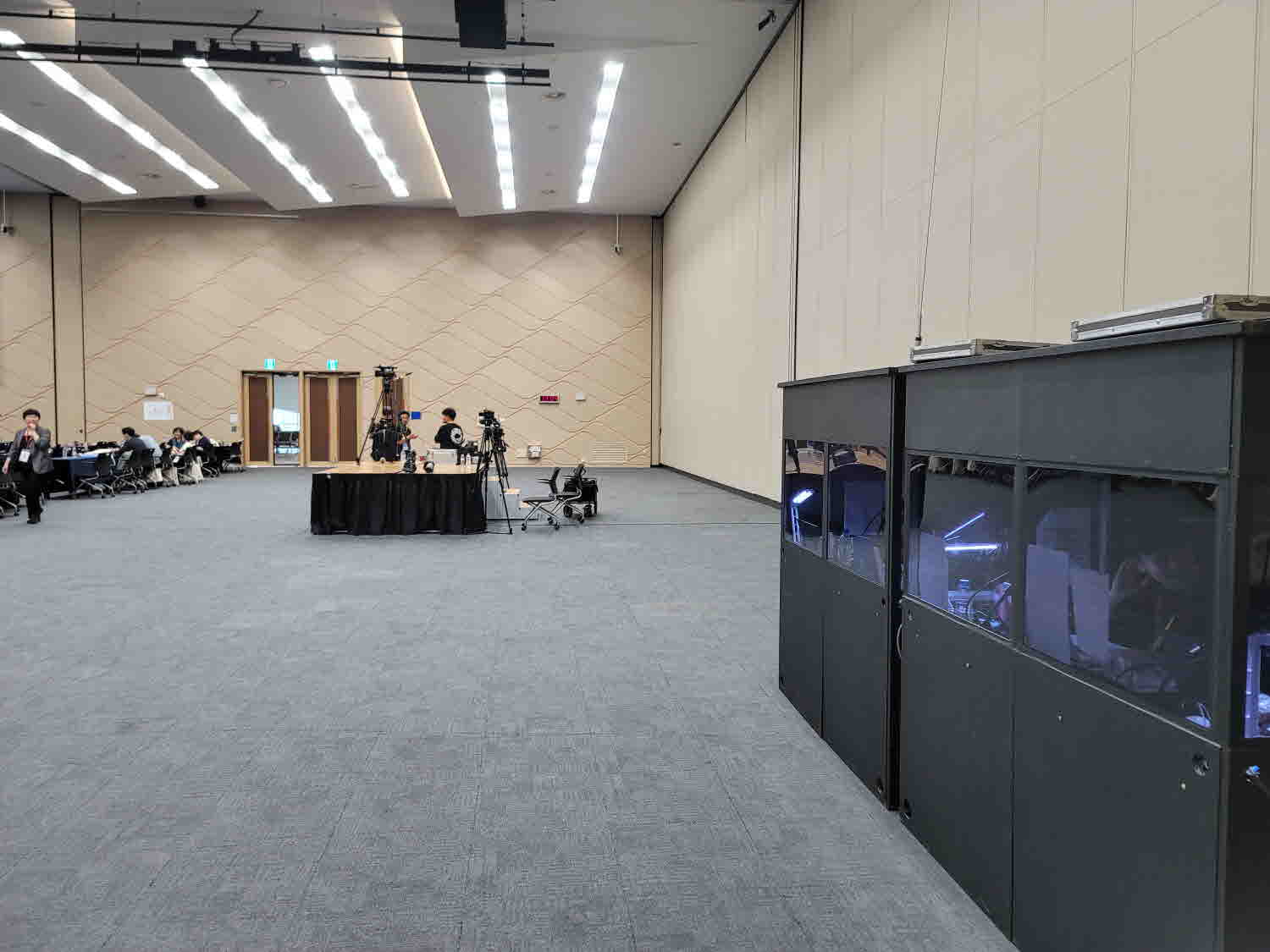
1️. Is a Highly Skilled Interpreter Enough to Ensure a Successful International Event?
A qualified professional interpreter is one of the most important components of international event communication.
However, interpreter expertise alone does not guarantee a successful outcome.
Professional interpretation also depends on:
- Event analysis
- Interpreter selection
- Interpretation mode
- Advance preparation
- Terminology management
- Interpretation equipment
- Technical testing
- Rehearsal
- On-site coordination
- Quality management
Even an excellent interpreter may struggle if presentation materials are unavailable, terminology has not been reviewed, audio quality is poor, or the interpretation workflow has not been properly designed.
The strongest results come from combining the right interpreter with the right interpretation system.
2️. One-Line Answer
International event interpretation delivers the most consistent results when professional interpreter expertise is supported by preparation, technology, event operations, and systematic quality management.
3️. When Is a Professional Interpretation System Particularly Important?
A structured interpretation system becomes especially important for:
- International conferences and forums
- Government and public-sector events
- Investor relations (IR) presentations
- Contract and business negotiations
- Medical and pharmaceutical seminars
- Technical conferences
- Academic symposiums
- Multilingual conferences
- High-level executive meetings
- International business presentations
As communication complexity increases, relying solely on the individual interpreter becomes increasingly risky.
For high-stakes events, interpreter expertise and system design must work together.
4️. What Determines Interpretation Quality?
|
Component
|
Role in Interpretation Quality
|
|
Event Analysis |
Evaluates communication objectives, event complexity, speakers, audience, and potential risks |
|
Professional Interpreter |
Assigns an interpreter with relevant industry knowledge and event experience |
|
Advance Preparation |
Reviews presentation materials, agendas, speaker information, and supporting documents |
|
Terminology Management |
Prepares technical terminology, company names, product names, abbreviations, and key expressions |
|
Technology |
Tests audio systems, interpretation booths, consoles, receivers, and communication channels |
|
Rehearsal |
Verifies presentation flow, speaker transitions, interpretation channels, and technical conditions |
|
On-Site Operations |
Manages schedule changes, speaker adjustments, technical issues, and unexpected situations |
|
Quality Management |
Maintains interpretation and communication quality throughout the event |
A professional interpreter is therefore not an isolated service provider.
The interpreter is a critical part of a broader communication system designed to deliver accurate and stable multilingual communication.
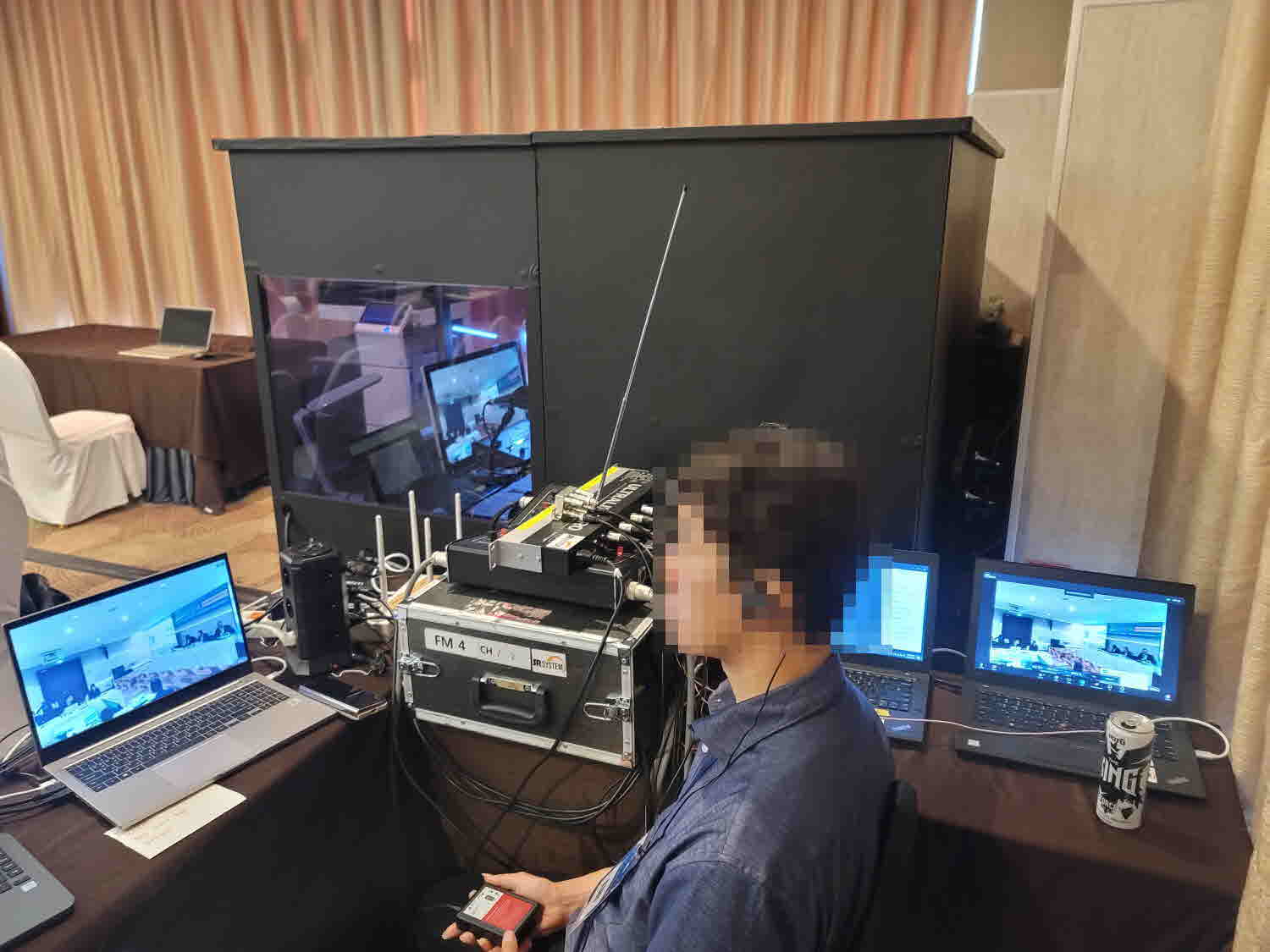
5️. Why a Small Difference in Interpreter Fees Can Matter
Interpretation equipment is relatively predictable once professional technical standards are met.
Interpreter performance is different.
Two interpreters working in the same language pair may have very different levels of experience in:
- Finance and investment
- Medical and pharmaceutical terminology
- Technology and engineering
- Government policy
- Contract negotiations
- Investor Q&A
- Executive communication
For example, an interpreter experienced in general business meetings may perform well in routine corporate communication but may not be the optimal choice for an investor presentation involving financial metrics, valuation terminology, and rapid investor Q&A.
Similarly, a technically experienced interpreter may be more appropriate for a manufacturing audit than an interpreter whose background is primarily academic conferences.
This is why event fit matters as much as language ability.
Saving a relatively small amount on interpreter fees may provide little economic benefit if the change increases communication risk in a high-value meeting or international event.
6️. Practical Examples
Case 1. International Policy Forum
Professional interpreters were supported by advance presentation analysis, terminology preparation, technical testing, and rehearsal.
This allowed the interpretation team to respond effectively to speaker transitions, technical terminology, and live Q&A while maintaining a stable event flow.
Case 2. Investor Relations Presentation
An interpreter with financial and investment communication experience was assigned to the event.
Presentation materials and anticipated Q&A topics were reviewed in advance, helping ensure that financial figures, investment terminology, and management messages were communicated accurately.
Case 3. International Technology Seminar
Technical terminology was prepared in advance, while the audio and interpretation systems were tested before the event.
Professional interpreters, technical engineers, and event operations staff worked together to support both presentations and Q&A sessions.
These examples demonstrate an important principle:
Interpreter expertise determines communication capability. System design enables that capability to be delivered consistently.
7️. Seven Elements of a Successful International Interpretation System
- Analyze
the event objective and communication complexity
Determine whether the event involves presentations, technical discussions, negotiations, Q&A, or high-stakes decision-making. - Select
interpreters based on subject-matter expertise
Match interpreter experience with the actual communication environment rather than selecting only by language pair or price. - Review
presentation materials and prepare terminology
Analyze presentations, agendas, company information, technical terminology, financial figures, and key messages before the event. - Test
interpretation and audio technology
Verify booths, consoles, microphones, receivers, audio feeds, online platforms, and network conditions. - Conduct
technical and communication rehearsals
Confirm speaker transitions, presentation sequences, interpretation channels, Q&A procedures, and technical workflows. - Provide
real-time event operations support
Prepare for schedule changes, additional speakers, technical issues, presentation changes, and unexpected communication requirements. - Maintain
quality management throughout the event
Monitor interpretation, technology, communication flow, and event operations until the event is completed.
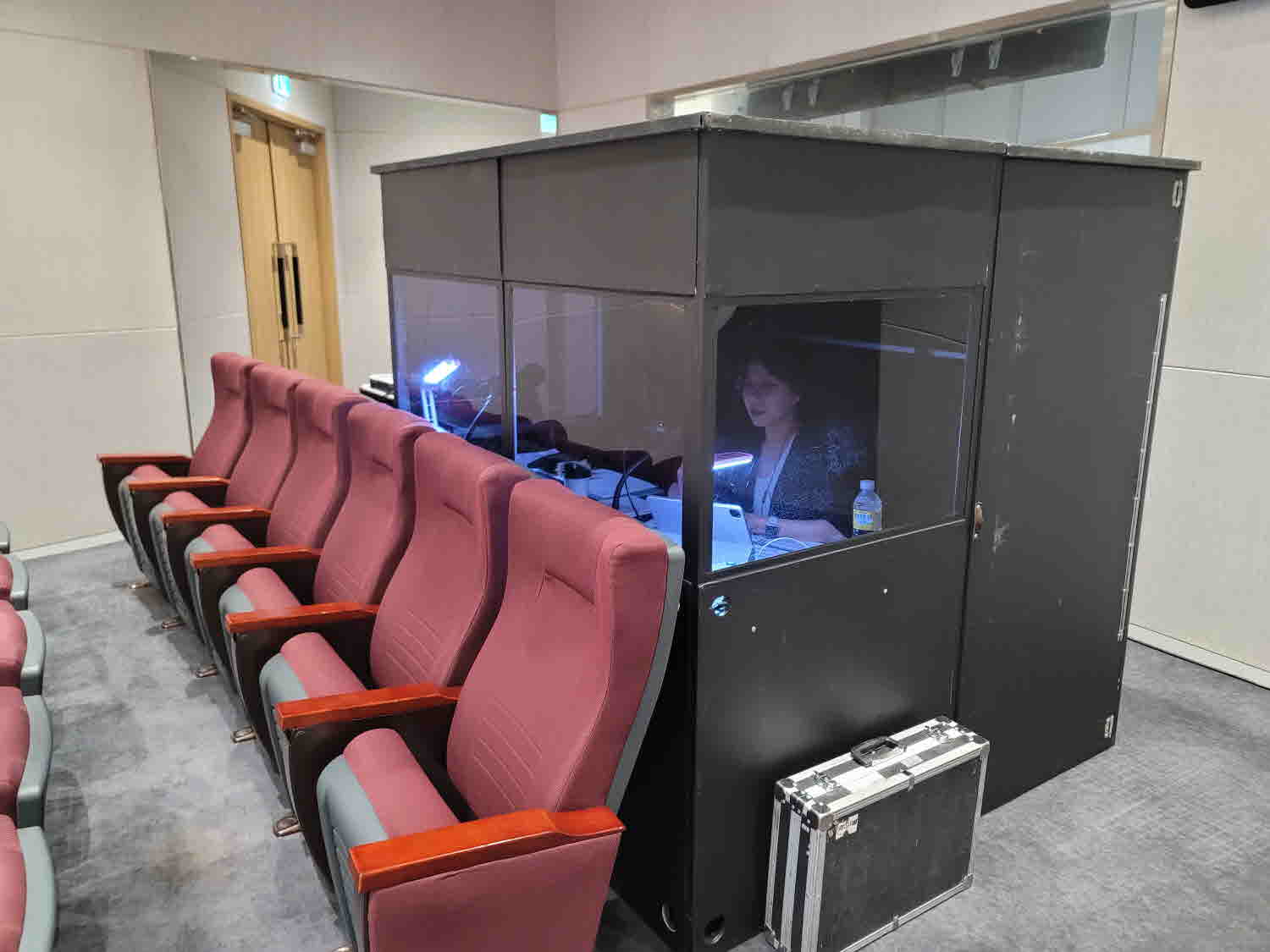
Key Insight
A successful international event should not force a choice between “a great interpreter” and “a great system.”
Both are necessary.
|
Approach
|
Likely Communication Outcome
|
|
Strong interpreter + weak preparation |
Quality may vary depending on circumstances |
|
Strong equipment + mismatched interpreter |
Technical stability but communication risk remains |
|
Low-cost interpreter + limited system support |
Greater variability in complex events |
|
Right interpreter + professional system design |
More consistent and predictable communication quality |
The objective is therefore not simply to find the most expensive interpreter or install the most sophisticated equipment.
The objective is to select the right interpreter and build the right communication environment around that interpreter.
Final Conclusion
Professional interpreters remain one of the most important factors in international communication.
Their industry expertise, event experience, terminology knowledge, and ability to understand context can directly affect how accurately presentations, negotiations, technical discussions, and Q&A sessions are communicated.
However, professional expertise delivers its greatest value when supported by systematic preparation and event operations.
The right interpreter provides expertise.
Preparation provides accuracy.
Technology provides stability.
Quality management provides consistency.
Together, these elements create a professional interpretation system capable of supporting successful international conferences, negotiations, investor meetings, technical events, and high-stakes global communication.
Related Information
- How to Choose a Professional Interpretation Company
- Simultaneous vs. Consecutive Interpretation: Which Is Right for Your Event?
- Why Interpretation Costs Vary Between International Events
- How to Reduce Interpretation Risk at International Conferences
- Why Industry Expertise Matters When Selecting Professional Interpreters
About Our Case Archive

The case studies and project insights presented on this website are based on experience supporting international conferences, investor presentations, government forums, executive meetings, technical seminars, and multilingual corporate events.
To protect client confidentiality and comply with the Code of Professional Conduct followed by professional interpreters worldwide, certain project details have been generalized, anonymized, or adapted for educational purposes.
The purpose of these materials is to share practical insights into multilingual communication planning while respecting the confidentiality of every client and every project.
UNIVERSE RB
Designing Communication. Managing Risk. Delivering Understanding.