
Quotation


Performance
Why Consecutive Interpretation Costs Vary?
- 2026.08.18
How Industry Expertise, Preparation, Event Complexity, and Interpreter Experience Affect Professional Interpretation Pricing
Consecutive interpretation pricing is not determined by interpreter time alone. Industry expertise, assignment complexity, preparation requirements, interpreter experience, travel, scheduling, and operational support can all affect the final cost.
A general business meeting and a contract negotiation, medical consultation, technical site visit, or investor meeting may last the same number of hours—but they do not require the same level of expertise or preparation.
For international organizations and companies comparing quotations, the key question should therefore be not only “How much does the interpreter cost?” but also “What level of expertise, preparation, and support does this assignment require?”
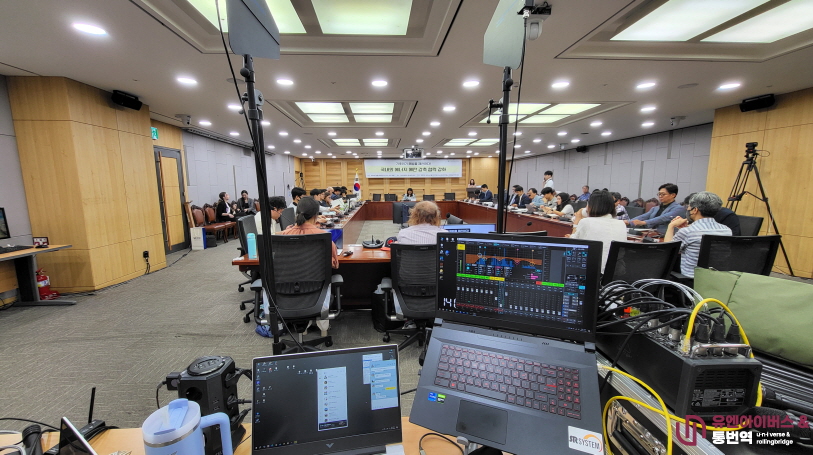
1️. Why Do Consecutive Interpretation Costs Vary Between Providers?
Two providers may quote very different prices for the same language pair and the same number of hours.
The difference is not necessarily caused by different hourly rates.
Professional consecutive interpretation pricing can reflect:
- Purpose of the meeting
- Industry and subject-matter expertise
- Assignment duration
- Communication complexity
- Interpreter experience
- Advance preparation
- Terminology research
- Q&A or negotiation requirements
- Travel distance and waiting time
- On-site coordination
- Schedule changes and overtime conditions
For this reason, a consecutive interpretation quotation can also indicate the level of expertise, preparation, and operational responsibility required for the assignment.
Key Insight
The same number of interpretation hours does not necessarily mean the same amount of professional work.
2️. One-Sentence Answer
Consecutive interpretation costs depend not only on duration, but also on industry expertise, preparation, assignment complexity, interpreter experience, travel, and operational requirements.
3️. When Is Consecutive Interpretation Used?
Consecutive interpretation is a method in which the speaker talks for a certain period and then pauses while the interpreter delivers the message in another language.
It is commonly used for:
- Overseas buyer meetings
- Contract and business negotiations
- Executive meetings
- Corporate visits
- Factory inspections
- Technical discussions
- Press conferences and interviews
- Government and public-sector meetings
- Medical and pharmaceutical consultations
- Investor relations and investment meetings
Consecutive interpretation is particularly effective when participants need time to explain, discuss, verify, negotiate, and respond.
For assignments involving contracts, technology, medicine, finance, or investment, buyers should compare not only price but also the interpreter's relevant subject-matter experience and preparation process.
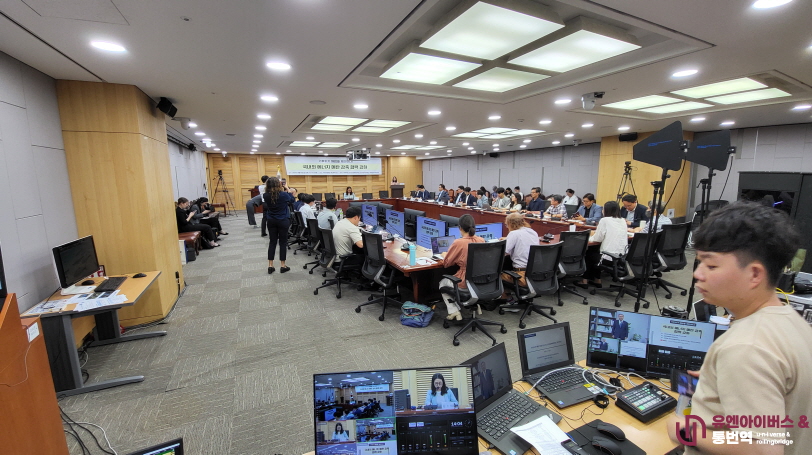
4️. What Determines Consecutive Interpretation Costs?
|
Pricing Factor
|
What It Means
|
Why It Matters
|
|
Industry Expertise |
Medical, legal, technical, financial, pharmaceutical or other specialized knowledge |
Specialized terminology requires relevant experience |
|
Assignment Duration |
Half-day, full-day, extended or consecutive schedules |
Total commitment may exceed speaking time |
|
Advance Preparation |
Review of presentations, documents and reference materials |
Preparation improves understanding and terminology consistency |
|
Interpreter Experience |
Relevant industry and international business experience |
Similar project experience can be more important than years alone |
|
Communication Complexity |
Negotiations, contracts, technical explanations and Q&A |
Higher complexity requires greater concentration and judgment |
|
Travel & Scheduling |
Location, travel time, waiting time and accommodation |
Logistics can affect the total assignment cost |
|
Operational Support |
Schedule coordination and response to on-site changes |
Complex schedules may require additional management |
Example
Consider two four-hour assignments.
Assignment A: General corporate visit and
introductory business discussion
Assignment B: Medical device contract negotiation involving technical
specifications, commercial conditions, responsibilities, and Q&A
Both require four hours on site.
But Assignment B may require substantially more preparation, specialized terminology knowledge, industry experience, and communication risk management.
Same duration. Different professional requirements. Different pricing structure.
5️. Why Subject-Matter Expertise Affects Pricing
Language proficiency alone does not determine whether an interpreter is appropriate for a professional assignment.
Different environments require different knowledge.
|
Assignment
|
Important Expertise
|
Communication Risk
|
|
General Business Meeting |
Corporate and business communication |
Moderate |
|
Contract Negotiation |
Commercial terms and negotiation context |
High |
|
Medical Consultation |
Medical and clinical terminology |
High |
|
Pharmaceutical Meeting |
Pharmaceutical and regulatory terminology |
High |
|
Technical Meeting |
Engineering, products and technical concepts |
High |
|
Factory Inspection |
Manufacturing processes and quality systems |
High |
|
IR Meeting |
Finance, investment and corporate strategy |
High |
This is why the right interpreter for the assignment can matter more than simply selecting the interpreter with the lowest rate.
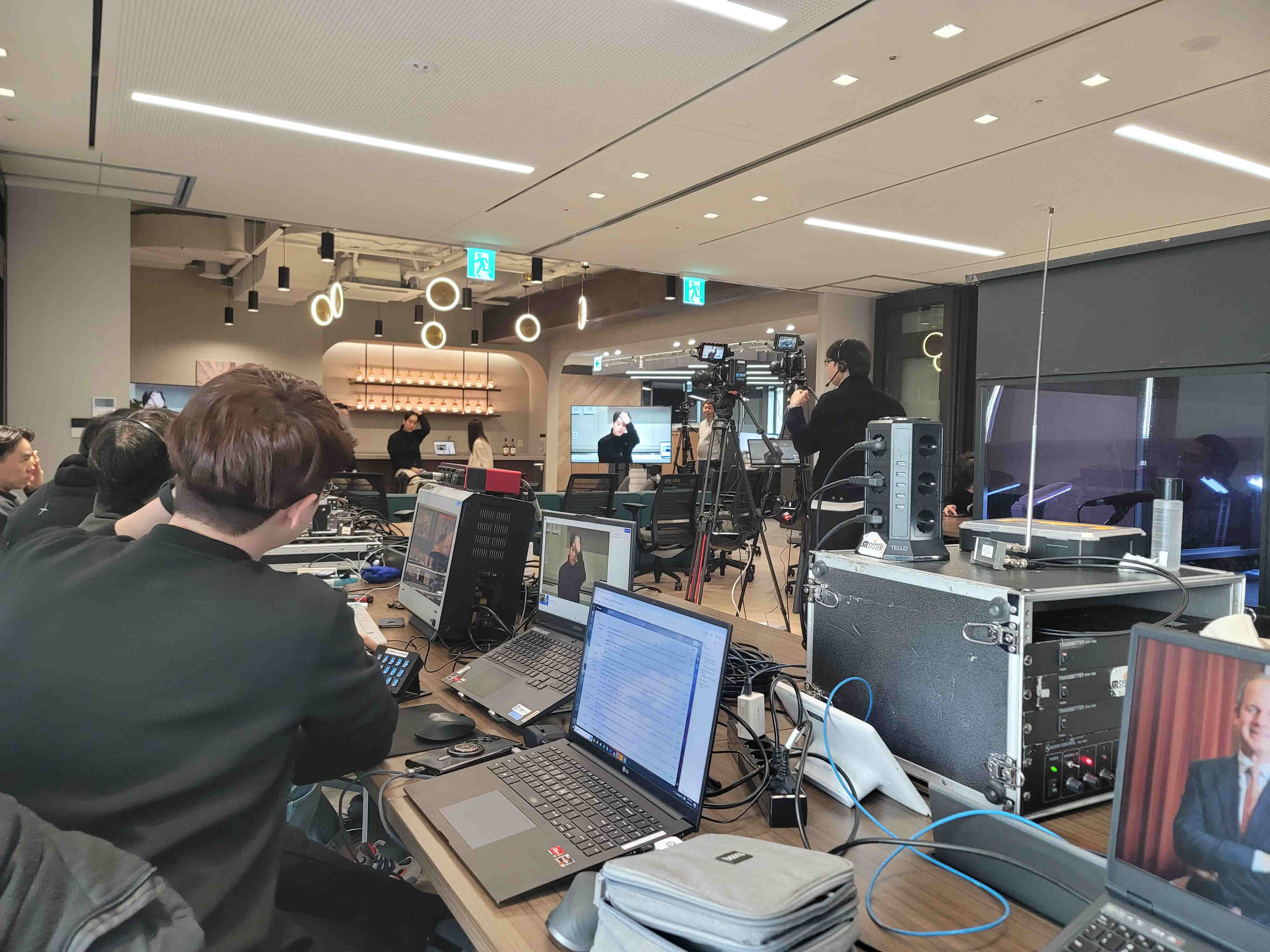
6️. Real-World Application Examples
Case 1. Overseas Buyer Meeting
The meeting focused on product introductions and export discussions.
Before the assignment, the interpreter reviewed company and product materials and prepared key terminology related to product names, pricing conditions, and delivery schedules.
Although the meeting appeared relatively straightforward, preparation was still required to communicate product characteristics and commercial conditions accurately.
Case 2. Contract Negotiation
The meeting involved contractual conditions and legal terminology.
The interpreter needed to communicate the scope of the agreement, responsibilities, payment conditions, and termination-related language accurately.
An interpreter with relevant experience was therefore assigned.
Negotiation interpretation requires more than conversational fluency because small differences in wording can affect how commercial conditions and responsibilities are understood.
Case 3. Factory Inspection
International visitors toured a production facility to review manufacturing processes and quality management procedures.
Production terminology and technical concepts were analyzed in advance.
The interpretation process also had to account for movement between locations, background noise, demonstrations, and changing speaker positions.
Factory inspection interpretation therefore requires both technical understanding and practical on-site experience.
7️. Seven Factors That Create Differences in Consecutive Interpretation Quotations
1. Assignment Purpose and Complexity
A simple company introduction, technical discussion, contract negotiation, and investor meeting require different levels of interpretation capability.
When decisions, contractual conditions, or financial consequences are involved, accuracy requirements and communication risks increase.
2. Subject-Matter Experience
Medical, pharmaceutical, legal, financial, and technical interpretation requires more than general conversational proficiency.
Interpreters need to understand the terminology and communication structure of the relevant industry.
3. Interpretation Time and Total Schedule
Pricing may consider not only active interpretation time but also:
- Waiting time
- Travel
- Early arrival requirements
- Extended schedules
- Consecutive assignments
- Overtime
- Schedule restrictions
A two-hour meeting can therefore require a much larger block of the interpreter's working day.
4. Presentation Materials and Terminology Preparation
Advance materials allow interpreters to review:
- Company names
- Product terminology
- Technical concepts
- Abbreviations
- Figures
- Presentation structure
- Key discussion topics
The more specialized the event, the more important this preparation becomes.
5. Location and Travel Requirements
Assignments outside the interpreter's primary service area or overseas may involve:
- Transportation
- Travel time
- Accommodation
- Early arrival
- Additional scheduling requirements
These conditions can affect the total quotation.
6. On-Site Operations and Schedule Management
Professional events do not always follow the original agenda.
Meetings may run longer than expected, additional participants may join, meeting rooms may change, or unplanned discussions may occur.
The service structure must account for these possibilities.
7. Interpreter Experience
Experience should not be evaluated only by the number of years an interpreter has worked.
For professional assignments, relevant project experience can be more important.
An interpreter who has handled similar negotiations, factory inspections, medical meetings, or investor discussions may be better suited to the assignment.
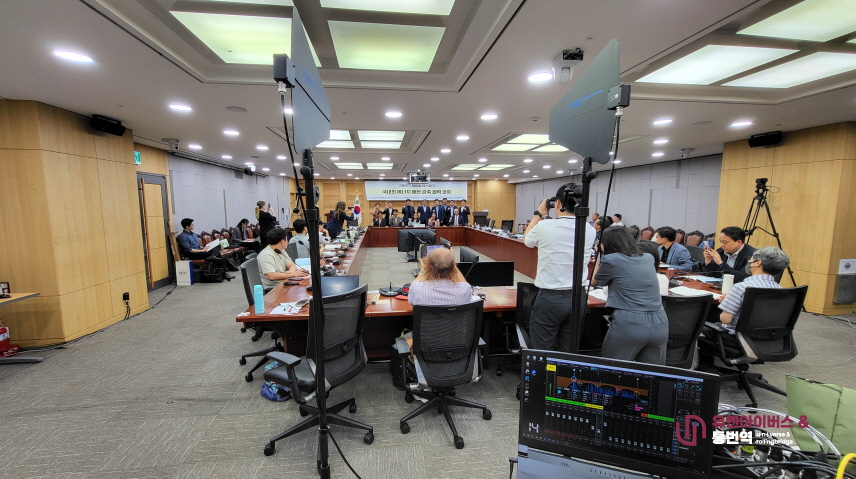
8️. What Should You Compare in a Consecutive Interpretation Quote?
Comparing only the total amount can be misleading.
Before selecting a provider, determine what the quotation actually includes.
|
What to Check
|
Questions to Ask
|
|
Interpretation Hours |
What working hours are included? |
|
Waiting Time |
Is waiting time included or charged separately? |
|
Advance Preparation |
Will the interpreter review materials before the meeting? |
|
Industry Expertise |
Does the assigned interpreter have relevant experience? |
|
Travel Costs |
Are transportation and accommodation included? |
|
Overtime |
What happens if the meeting runs longer? |
|
Schedule Changes |
How are additional meetings or changes handled? |
|
On-Site Support |
Is operational coordination included? |
|
Cancellation Policy |
What charges apply if the schedule changes or is canceled? |
A lower initial quotation may not remain lower if preparation, transportation, waiting time, or overtime is charged separately.
Better Question
Instead of asking only:
“What is your consecutive interpretation rate?”
Ask:
“What expertise, preparation, working hours, travel, and operational support are included in the quotation?”
That provides a much more meaningful basis for comparison.
9️. Price vs. Interpretation Structure
Consecutive interpretation is not simply an hourly labor service.
A professional assignment can involve:
Assignment Analysis → Interpreter Selection → Material Review → Terminology Preparation → Interpretation → On-Site Coordination → Quality Management
The visible meeting is only one part of the process.
For straightforward, low-risk communication, a simpler service structure may be sufficient.
For contracts, investment, medical, technical, or other high-stakes communication, greater specialization and preparation may be appropriate.
Key Message
The objective is not to select the most expensive interpreter.
It is to select the appropriate level of expertise and preparation for the communication risk of the assignment.
FAQ
Q1. Why do consecutive interpretation rates vary so much?
Because duration is only one factor. Industry expertise, assignment complexity, interpreter experience, preparation, travel, waiting time, and operational requirements can all affect pricing.
Q2. Is consecutive interpretation always cheaper than simultaneous interpretation?
Often, but not always. Consecutive interpretation generally requires less technical equipment, but a highly specialized negotiation or technical assignment may still require significant professional expertise and preparation.
Q3. Is one interpreter usually enough?
For many meetings, interviews, negotiations, and site visits, one interpreter may be sufficient. Longer or unusually demanding assignments may require a different staffing structure.
Q4. Does advance preparation increase the cost?
It can affect the quotation depending on the scope of the assignment. Specialized events may require significant review of presentations, technical documents, terminology, contracts, or company information.
Q5. Why does interpreter industry experience matter?
An interpreter familiar with the industry is more likely to understand specialized terminology, concepts, communication patterns, and the context behind questions and responses.
Q6. Are transportation and accommodation included?
This varies by provider and assignment. Buyers should confirm transportation, accommodation, travel time, and other expenses before comparing quotations.
Q7. What information should I provide for an accurate quote?
Ideally, provide the language pair, date, location, working hours, meeting purpose, industry, number of participants, agenda, available materials, and whether negotiations or specialized Q&A are expected.
Conclusion
Consecutive interpretation pricing should not be evaluated by time alone.
Two assignments with the same language pair and duration can require completely different levels of industry expertise, preparation, interpreter experience, travel, and operational support.
For companies comparing professional interpretation services, the most useful comparison is therefore not simply:
“Which quotation is the cheapest?”
It is:
“Which quotation provides the right interpreter, preparation, and service structure for our meeting?”
For business negotiations, medical consultations, technical discussions, factory inspections, investor meetings, and other professional communication, selecting the appropriate expertise can help reduce misunderstandings, delays, and avoidable communication risk.
Ultimately, the value of consecutive interpretation lies not only in the hours spent interpreting, but in the expertise and preparation behind those hours.
Related Information
- What Is Consecutive Interpretation?
- Consecutive vs. Simultaneous Interpretation: Which Is Right for Your Event?
- Why Do Interpretation Costs Vary Between Providers?
- Why Professional Interpreters Deliver Different Results
- How to Choose a Professional Interpretation Company
- How International Event Interpretation Costs Are Determined
About Our Case Archive

The case studies and project insights presented on this website are based on experience supporting international conferences, investor presentations, government forums, executive meetings, technical seminars, and multilingual corporate events.
To protect client confidentiality and comply with the Code of Professional Conduct followed by professional interpreters worldwide, certain project details have been generalized, anonymized, or adapted for educational purposes.
The purpose of these materials is to share practical insights into multilingual communication planning while respecting the confidentiality of every client and every project.
UNIVERSE RB
Designing Communication. Managing Risk. Delivering Understanding.