
Quotation


Performance
Can Interpretation Affect the Outcome of a Business Deal?
- 2026.08.10
Why Negotiation Expertise and Contract Understanding Matter More Than Language Skills Alone
Can one interpretation decision really affect the outcome of a contract?
Professional business interpretation may range from approximately USD 350 for a straightforward meeting to USD 3,500+ for a complex, high-stakes negotiation or international business project.
The difference is not simply English proficiency.
It lies in the interpreter's ability to understand and communicate:
Contract Terms + Technical Terminology + Financial Figures + Negotiation Intent + Business Context
When contracts, investments, technical partnerships, or commercial negotiations are involved, interpretation becomes more than language support.
It becomes part of the communication structure through which decisions are made.
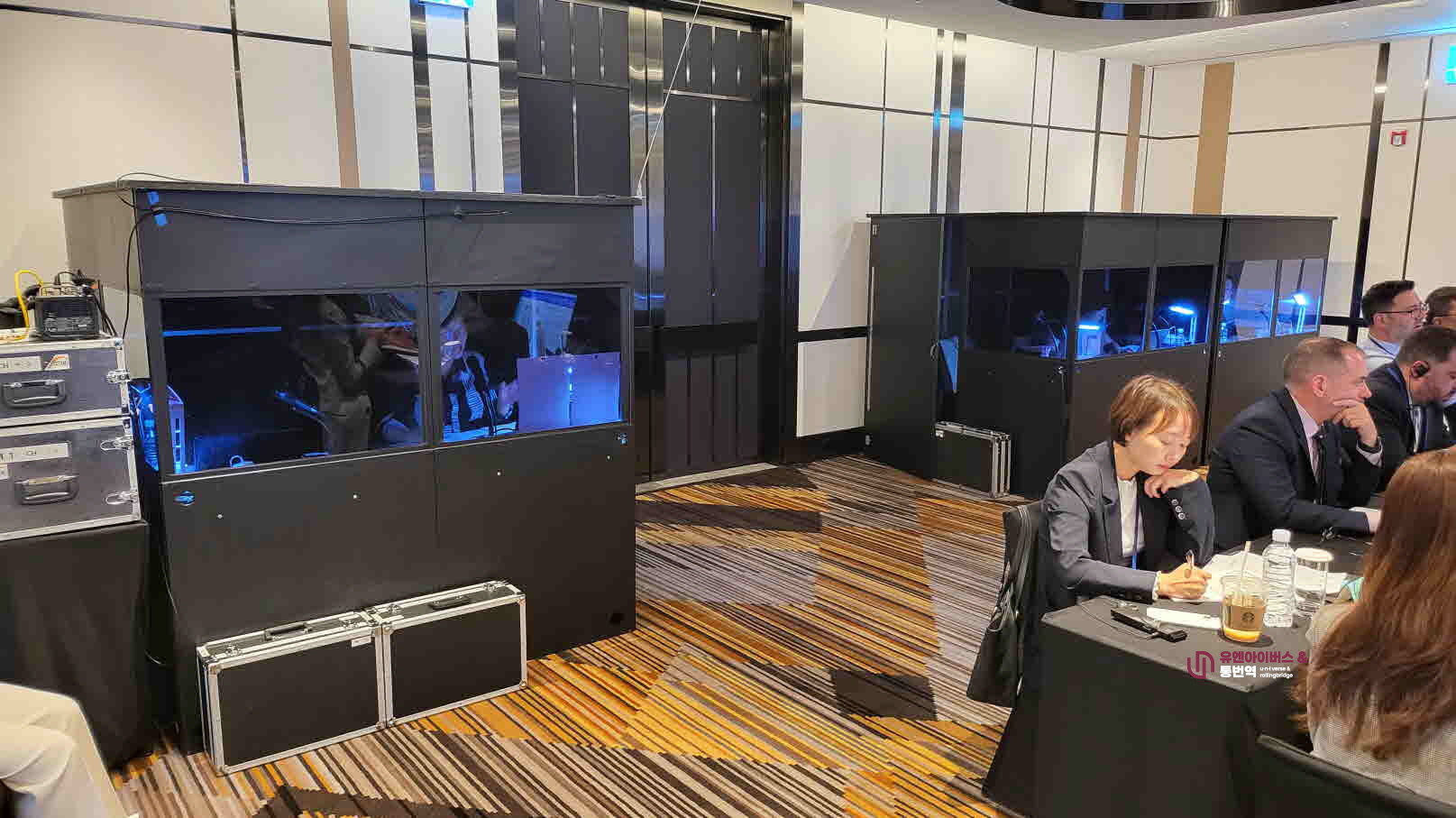
Executive Summary
In international business, organizations sometimes assume that interpretation quality depends primarily on language ability.
That is only part of the picture.
Professional negotiation interpretation may require the interpreter to accurately manage:
- Contract conditions
- Pricing and payment terms
- Delivery schedules
- Technical specifications
- Financial figures
- Legal and regulatory terminology
- Questions and objections
- Negotiation intent
- Tone and nuance
- Areas of disagreement
A misunderstanding in any of these areas can delay negotiations, weaken trust, or create disagreement over what was actually intended.
Typical Cost Range
Interpretation Structure | Typical Cost | Typical Communication Environment |
General Business Interpretation | Approx. USD 350–550 | Routine business meetings, introductions, general discussions |
Professional Negotiation Interpretation | Approx. USD 550–850+ | Contracts, IR, investment, executive negotiations |
Complex / High-Stakes Interpretation Project | Approx. USD 1,500–3,500+ | Large negotiations, technical or multilingual projects, simultaneous or hybrid structures |
Actual pricing varies according to language combination, duration, interpreter expertise, location, technical requirements, preparation scope, and communication complexity.
Key Insight
The higher the impact of communication on a business decision, the more important interpretation structure becomes.
1. Can Interpretation Really Affect a Contract Outcome?
Yes—particularly when communication directly influences a commercial decision.
In international negotiations, interpretation quality can affect whether both parties correctly understand:
- What is being offered
- What conditions apply
- What remains negotiable
- What has already been agreed
- What risks have been identified
- What each party expects next
An interpreter who understands only the literal words may communicate the basic message.
Professional negotiation interpretation requires more.
It requires accurate understanding of:
Meaning + Context + Terminology + Business Intent
Poor interpretation can potentially result in:
- Misunderstood commercial conditions
- Incorrect numbers
- Confusion over responsibilities
- Technical misunderstandings
- Repeated clarification
- Loss of confidence
- Delayed negotiations
- Contract disputes
- Failed negotiations
The purpose of professional interpretation is not to "make the deal."
It is to ensure that language does not become the reason the deal fails.
2. One-Sentence Answer
Professional business interpretation connects contract terms, commercial intent, technical meaning, and negotiation context so that both parties can make decisions based on the same understanding.
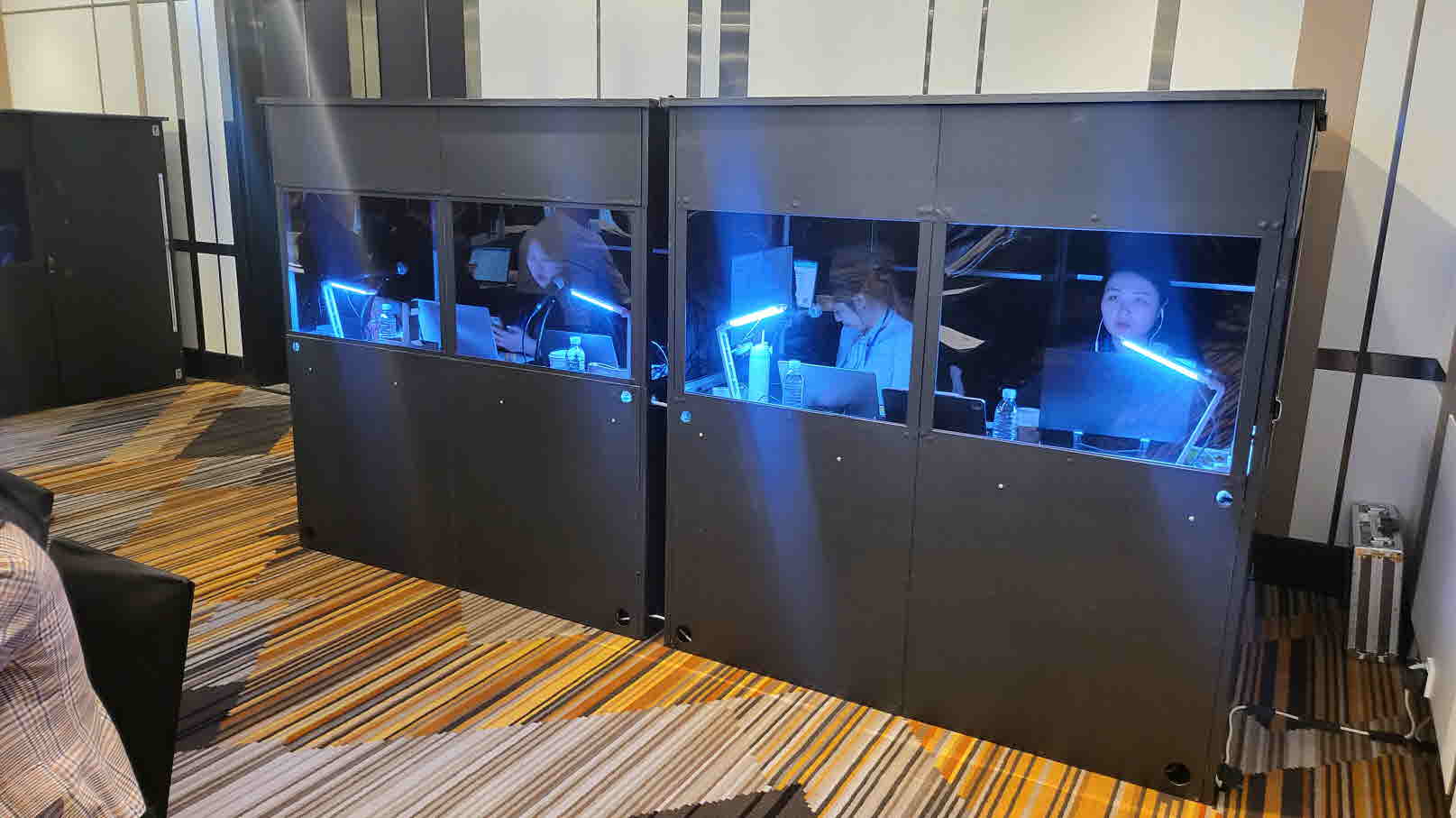
3. When Is Professional Business Interpretation Needed?
Professional business interpretation becomes particularly important when communication affects financial, contractual, technical, or strategic decisions.
Typical applications include:
- International buyer meetings
- Export negotiations
- Investor Relations (IR) meetings
- Investment discussions
- Contract negotiations
- MOU discussions and signing meetings
- Technical partnership negotiations
- Joint venture discussions
- Factory audits
- Supplier negotiations
- Government and public-sector cooperation meetings
- Medical and pharmaceutical negotiations
- GMP inspections and audits
- Executive meetings
- Overseas corporate visits
- Due diligence meetings
The common characteristic is simple:
Communication has consequences.
A small misunderstanding may affect price, schedule, responsibility, investment decisions, technical requirements, or the next stage of negotiation.
4. What Makes Professional Negotiation Interpretation Different?
Category | Professional Business Interpretation |
Communication Method | Communicates both content and negotiation context |
Primary Objective | Accurate understanding between decision-makers |
Flow | Maintains natural discussion without unnecessary disruption |
Accuracy Requirements | Contract terms, figures, legal and technical terminology |
Interpreter Selection | Based on industry experience and assignment complexity |
Preparation | Review of company information, terminology, documents, and agenda |
Interpretation Method | Consecutive for interactive negotiations; simultaneous when scale and structure require it |
Cost Structure | Determined by expertise, complexity, risk, duration, staffing, and technical requirements |
Typical Applications | Contracts, investment, technology partnerships, buyer meetings, executive negotiations |
Key Point
In negotiations, accurate vocabulary is important.
But intent and nuance are equally important.
A statement may technically be translated correctly while still failing to communicate what the speaker actually intends.
5. General Interpretation vs. Professional Negotiation Interpretation
Not every business conversation requires the same level of interpretation.
Area | General Business Interpretation | Professional Negotiation Interpretation |
Primary Purpose | Information exchange | Decision-making and agreement |
Communication Risk | Low to Moderate | High |
Terminology | General business | Contractual, financial, technical, legal |
Numbers | Basic information | Pricing, investment, percentages, contractual figures |
Q&A | Relatively predictable | Immediate and unpredictable |
Intent Analysis | Limited | Important |
Preparation | Basic | Extensive |
Interpreter Selection | Language + general experience | Industry expertise + negotiation capability |
Typical Cost | Approx. USD 350–550 | Approx. USD 550–850+ |
Outcome Sensitivity | Moderate | High |
The key difference is therefore not simply interpreter seniority.
It is the level of communication responsibility required by the assignment.

6. Why Can Interpretation Cost USD 350 vs. USD 3,500+?
A major price difference does not mean one interpreter speaks English ten times better than another.
The communication structure itself may be completely different.
Cost Driver | Lower-Complexity Assignment | Complex / High-Risk Assignment |
Typical Cost | Approx. USD 350–550 | Approx. USD 1,500–3,500+ |
Communication Objective | Information exchange | Negotiation / decision-making |
Subject Matter | General business | Finance / legal / technical / medical |
Interpreter Structure | One interpreter | Specialist or multiple interpreters |
Interpretation Method | Consecutive | Consecutive / simultaneous / hybrid |
Preparation | Limited | Document and terminology analysis |
Q&A Complexity | Low | High |
Equipment | Minimal | Booths, receivers, audio systems when required |
Technical Support | Minimal | Professional onsite or remote support |
Communication Risk | Low | High |
Quality Management | Basic | Structured professional management |
Key Insight
Interpretation cost is not simply the price of language ability.
It reflects the expertise and operating structure required to manage a specific communication environment.
7. What Creates the USD 350 vs. USD 3,500+ Difference?
A relatively straightforward business interpretation assignment at approximately USD 350–550 may involve:
- One professional interpreter
- One language pair
- A small number of participants
- General business terminology
- Limited Q&A
- Minimal technical requirements
- Standard preparation
A more complex project at USD 1,500–3,500+ may involve:
- Multiple professional interpreters
- Specialized industry expertise
- Extensive contract or technical terminology
- Simultaneous or hybrid interpretation
- Interpretation equipment
- Technical engineers
- Multiple sessions
- Intensive Q&A
- Detailed document preparation
- Higher communication risk
The difference is therefore not simply a higher interpreter rate.
The entire communication architecture has changed.
8. Where Does Negotiation Interpretation Become Difficult?
Professional negotiation interpretation becomes particularly demanding in four areas.
Contract Terms
Conditions involving:
- Price
- Payment
- Delivery
- Warranty
- Liability
- Scope
- Responsibilities
- Exclusivity
- Termination
must be communicated precisely.
A small wording difference may create a significantly different understanding.
Numbers and Financial Information
Negotiations may involve:
- Revenue
- Margins
- Investment amounts
- Percentages
- Unit prices
- Production capacity
- Delivery quantities
- Financial forecasts
Numbers are often linguistically simple but commercially critical.
Technical Terminology
Technology partnerships, factory audits, medical discussions, and industrial negotiations may involve terminology that cannot be interpreted reliably through general language ability alone.
The interpreter needs sufficient subject-matter understanding to follow the logic behind the terminology.

Negotiation Intent
This is often the most difficult area.
For example:
"We may need to review the pricing structure."
could function as:
- A request for clarification
- A signal that the price is too high
- An invitation to negotiate
- A warning that the deal may not proceed
Literal translation alone may not fully communicate the business context.
Professional interpreters must preserve meaning while avoiding the inappropriate insertion of their own opinion into the negotiation.
9. Why Preparation Matters
Professional interpretation begins before the meeting.
Depending on the assignment, preparation may include reviewing:
- Company profiles
- Presentation materials
- Contracts or draft agreements
- Product specifications
- Financial information
- Technical documentation
- Industry terminology
- Meeting agendas
- Previous correspondence
- Expected discussion topics
This allows the interpreter to understand not only individual terms but also the overall business context.
Preparation Structure
Documents → Terminology → Business Context → Risk Areas → Interpretation Strategy
The objective is to reduce uncertainty before the negotiation begins.
10. Real-World Application Examples
Case 1 — International Buyer Contract Meeting
Situation
An overseas buyer and supplier discussed:
- Product specifications
- Pricing
- Delivery schedules
- Production capacity
- Commercial conditions
Interpretation Requirement
The interpreter needed to maintain consistency between technical specifications and commercial terms throughout the discussion.
Communication Outcome
Clear communication reduced repeated clarification and allowed both parties to continue negotiations based on the same understanding of the proposed conditions.
Case 2 — Investor Relations Meeting
Situation
Corporate representatives presented business performance and growth strategy to potential investors.
The meeting included extensive Q&A.
Interpretation Requirement
The interpreter needed to manage:
- Financial terminology
- Numerical information
- Business strategy
- Investor questions
- Management responses
Communication Outcome
Accurate communication helped participants understand both the investor's questions and management's responses, supporting more productive follow-up discussions.
Case 3 — GMP Factory Audit
Situation
International auditors reviewed manufacturing procedures, compliance requirements, and quality-management processes.
Interpretation Requirement
The assignment required accurate communication of:
- GMP terminology
- Manufacturing procedures
- Regulatory requirements
- Quality-management terminology
- Auditor questions
- Technical responses
Communication Outcome
Specialized interpretation reduced misunderstandings during the audit process and supported clear communication between auditors and facility personnel.

11. Consecutive or Simultaneous Interpretation for Negotiations?
The correct method depends on the communication structure.
Situation | Recommended Method | Why |
Small Buyer Meeting | Consecutive | Interactive discussion |
Contract Negotiation | Consecutive | Conditions require confirmation and clarification |
Executive Meeting | Consecutive | High interaction and decision-making |
IR Presentation | Simultaneous or Hybrid | Presentation flow + Q&A |
Large Investment Conference | Simultaneous | Audience size and time efficiency |
Factory Audit | Consecutive | Mobile and interactive communication |
Large Technical Negotiation | Hybrid | Presentation + detailed discussion |
Practical Principle
Presentation-Focused Communication → Simultaneous Interpretation
Negotiation-Focused Communication → Consecutive Interpretation
Presentation + Negotiation → Hybrid Structure
12. What Happens When the Wrong Interpreter Is Assigned?
Interpreter mismatch does not always produce an obvious translation error.
The problems may be much more subtle.
For example:
- The words are correct, but the commercial intent is unclear.
- Technical terminology is translated literally but incorrectly in context.
- A financial question is misunderstood.
- A negotiation signal is communicated with the wrong tone.
- A speaker repeatedly needs to clarify the same point.
- The discussion loses momentum.
- Participants begin to question whether they understand each other correctly.
This creates communication friction.
As communication friction increases, negotiations become slower and trust can weaken.
13. How Professional Interpretation Reduces Negotiation Risk
Professional interpretation cannot guarantee that a contract will be signed.
Business outcomes depend on many factors, including:
- Product competitiveness
- Pricing
- Commercial conditions
- Strategy
- Market conditions
- Relationships
- Decision-making authority
However, professional interpretation can reduce avoidable communication risk.
Communication Risk | Professional Response |
Terminology Confusion | Advance terminology preparation |
Numerical Misunderstanding | Careful numerical processing |
Contract Ambiguity | Accurate communication of conditions |
Technical Complexity | Subject-matter interpreter selection |
Unexpected Q&A | Experienced real-time response |
Intent Distortion | Context-aware interpretation |
Long Negotiations | Appropriate staffing and workflow |
Multilingual Complexity | Structured language management |
The Objective
Professional interpretation does not determine the commercial decision.
It helps ensure that the decision is made based on accurately understood information.
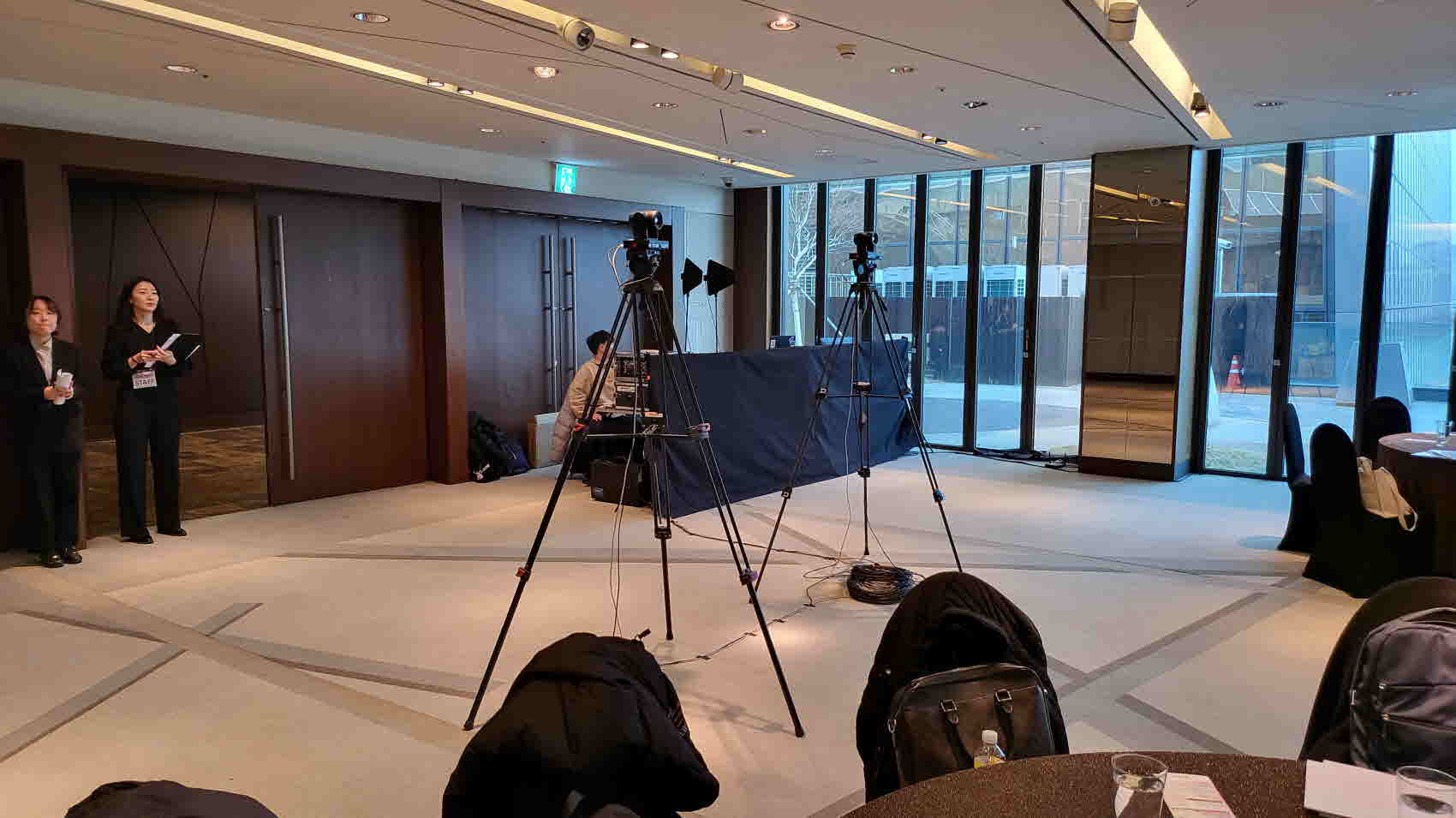
14. AI + Human Strategy for Business Negotiations
AI can support preparation for complex business interpretation.
AI Support
AI may assist with:
- Document analysis
- Terminology extraction
- Contract terminology organization
- Acronym identification
- Financial terminology preparation
- Technical glossary development
- Consistency checks
Professional Interpreter
Human interpreters remain responsible for:
- Negotiation context
- Speaker intent
- Nuance
- Immediate Q&A
- Strategic wording
- Cultural context
- Real-time judgment
Key Principle
AI helps analyze information. Professional interpreters manage human communication.
For contract negotiations and investment discussions, professional judgment remains critical.
15. What Buyers Should Check Before Hiring a Business Interpreter
Before selecting an interpretation provider for an important negotiation, ask:
Question | Why It Matters |
Does the interpreter understand our industry? | Reduces terminology risk |
Has the provider analyzed the meeting structure? | Ensures appropriate deployment |
Will materials be reviewed in advance? | Improves contextual accuracy |
How will Q&A be handled? | Protects unpredictable communication |
Is consecutive or simultaneous interpretation appropriate? | Determines meeting efficiency |
How are interpreters selected? | Reveals whether selection is expertise-based or availability-based |
What happens if the meeting runs longer? | Protects operational continuity |
How is confidentiality managed? | Important for contracts and investment information |
How is quality managed? | Determines consistency and accountability |
The goal is not simply to find someone who speaks both languages.
The goal is to create a communication environment appropriate for the value and risk of the negotiation.
16. Frequently Asked Questions
Q1. Can an interpreter really affect the outcome of a contract negotiation?
Interpretation can influence how accurately both parties understand commercial conditions, questions, concerns, and intentions.
It cannot guarantee a contract, but poor interpretation can create unnecessary misunderstanding and negotiation risk.
Q2. How much does professional business interpretation cost?
A straightforward business interpretation assignment may cost approximately USD 350–550.
Professional IR, investment, contract, or negotiation interpretation may cost approximately USD 550–850+.
Larger or more complex projects involving multiple interpreters, simultaneous interpretation, equipment, technical support, or extensive preparation may range from approximately USD 1,500 to USD 3,500+.
Actual pricing depends on project requirements.
Q3. Why does professional business interpretation cost more?
Professional assignments may require:
- Industry expertise
- Document preparation
- Terminology management
- Immediate Q&A capability
- Higher communication responsibility
- Additional interpreters
- Technical equipment
- Project management
The cost reflects the communication structure required for the assignment.
Q4. Is a bilingual person enough for a business negotiation?
For simple, low-risk communication, a bilingual speaker may sometimes be sufficient.
For contracts, investment, technical discussions, or other decision-critical meetings, professional interpretation skills and subject-matter preparation become much more important.
Q5. Is consecutive interpretation better for negotiations?
Often, yes.
Consecutive interpretation allows participants to discuss, clarify, confirm, and negotiate conditions interactively.
For large presentations or IR events, simultaneous or hybrid interpretation may be more appropriate.
Q6. Why is industry expertise important?
Knowing the language does not automatically mean understanding the terminology and logic of finance, medicine, manufacturing, technology, or law.
Industry familiarity allows the interpreter to understand the context behind specialized terminology.
Q7. Can AI replace a professional negotiation interpreter?
AI can support document analysis and terminology preparation.
However, negotiation involves intent, nuance, unpredictable questions, cultural context, and real-time judgment, making professional human interpretation particularly important.
Q8. What is the biggest interpretation risk in contract negotiations?
The greatest risk is not necessarily a single mistranslated word.
It is a situation where both sides believe they understand each other while actually understanding the conditions differently.
Key Takeaway
Professional business interpretation is not simply about translating what each side says.
It is about maintaining a common understanding of:
Contract Terms + Numbers + Technical Meaning + Questions + Negotiation Intent
When those elements affect commercial decisions, interpretation becomes part of the negotiation infrastructure.

Final Conclusion
Can interpretation affect the outcome of a business deal?
Interpretation alone does not determine whether a contract succeeds or fails.
But it can significantly affect whether both parties understand the same conditions, numbers, technical information, questions, and intentions.
For routine communication, a simpler interpretation structure may be sufficient.
For investments, contracts, technical partnerships, factory audits, and high-value negotiations, communication risk is significantly higher.
That is why professional interpretation should be selected according to:
Business Complexity + Subject Expertise + Communication Risk + Negotiation Structure
The most important question is not:
"How much does the interpreter cost?"
It is:
"What could a communication error cost this negotiation?"
Professional interpretation exists to reduce that risk.
Related Information
- What Is Professional Business Interpretation?
- Consecutive Interpretation Cost Guide
- Simultaneous Interpretation Cost Guide
- Simultaneous vs. Consecutive Interpretation
- How to Select a Professional Interpretation Company
- Why a Good Interpreter Is Not Enough
- How to Prevent Interpretation Failures in International Business

About Our Case Archive
The case studies and project insights presented on this website are based on experience supporting international conferences, investor presentations, government forums, executive meetings, technical seminars, and multilingual corporate events.
To protect client confidentiality and comply with the Code of Professional Conduct followed by professional interpreters worldwide, certain project details have been generalized, anonymized, or adapted for educational purposes.
The purpose of these materials is to share practical insights into multilingual communication planning while respecting the confidentiality of every client and every project.
UNIVERSE RB
Designing Communication. Managing Risk. Delivering Understanding