
Quotation


Performance
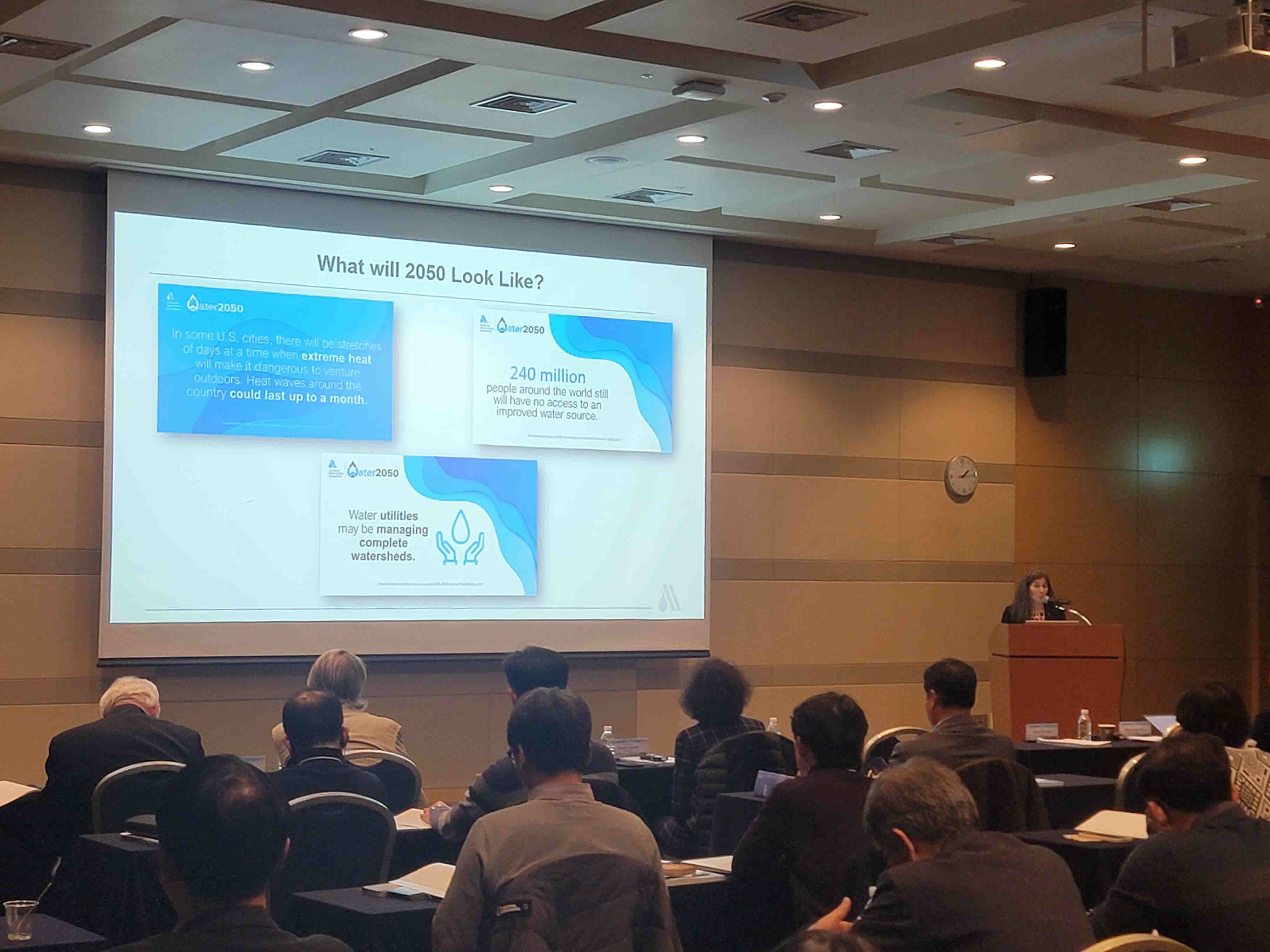
International Symposium of the Society for Agricultural and Rural Cooperative Studies Simultaneous Interpretation | Agricultural Economics · Rural Development · Cooperative Policy Forum – UNIVERSE RB
- 2025.12.18
This international agriculture and cooperative development conference explores sustainable cooperative governance, rural development, agricultural ODA, food security, and global agricultural policy.
Key interpretation topics include member-centered cooperative governance, democratic decision-making, sustainable cooperative management, agricultural ODA, support for smallholder farmers, food security, climate-smart agriculture, sustainable agrifood systems, rural revitalization, women's and youth participation in agriculture, the social economy, comparative agricultural policies, agricultural subsidy programs, and international development frameworks.
Because agricultural cooperative development integrates agricultural economics, international development, food security, sustainability, and rural policy, professional interpretation is essential to accurately communicate policy frameworks, development strategies, agricultural innovations, and international cooperation initiatives.
Public Policy & Global Governance
Category Description
This category covers interpretation cases related to international policy forums, public cooperation initiatives, ODA programs, and global governance topics including environmental and climate policy.
UNIVERSE RB provides integrated services including:
Simultaneous interpretationConsecutive interpretationInternational conference interpretationPolicy document translationQMS-based quality management operations
We support international policy forums, government cooperation meetings, and global governance conferences with stable interpretation environments.

Executive Summary
The International Symposium of the Society for Agricultural and Rural Cooperative Studies is a global academic forum addressing agricultural cooperatives, rural development, food security, and international development cooperation (ODA).
The symposium integrates cooperative theory, sustainable agriculture, policy frameworks, and multilateral development discourse within an academic and institutional setting.
Simultaneous interpretation requires precise agricultural and development terminology, academic rigor, and institutional neutrality under UNIVERSE RB’s QMS-based agricultural and rural communication architecture.
1. Overview
The International Symposium of the Society for Agricultural and Rural Cooperative Studies is a high-level global academic forum bringing together scholars, international organizations, policymakers, and practitioners to discuss agriculture, rural development, cooperative systems, food security, sustainable agriculture, rural revitalization, and international development cooperation.
Participants include agricultural economists, rural sociologists, cooperative specialists, representatives from international organizations such as Food and Agriculture Organization, International Fund for Agricultural Development, and World Food Programme, government and local authority officials, development agencies, NGOs, farmer organizations, and academic societies.
Simultaneous interpreters are required to accurately convey agricultural and cooperative theory, development policy language, statistical findings, and scholarly argumentation, while maintaining academic precision and a neutral international tone.
2. Key Topics
Agricultural and Rural Cooperative Theory and Development
Economic and social functions of agricultural cooperatives
Member-centered governance and democratic participation
Sustainable cooperative management models
International Cooperation in Agricultural and Rural Development
Rural development strategies in developing countries
Design and evaluation of agricultural ODA projects
Support mechanisms for smallholder farmers
Food Security and Sustainable Agriculture
Global food security and food sovereignty
Climate-smart agriculture and adaptation strategies
Sustainable agri-food value chains
Rural Communities and the Social Economy
Rural revitalization and regional development models
Integration of cooperatives within the social economy
Youth and women participation in agriculture
Policy, Institutions, and International Comparison
Comparative agricultural policy analysis
Agricultural subsidies and market access frameworks
Rural development strategies of international organizations
3. Interpretation Format
| Session Type | Content | Interpretation Mode |
|---|---|---|
| Keynote Addresses | Global agricultural and rural challenges | Simultaneous |
| Academic Presentations | Research papers and theoretical models | Simultaneous |
| Policy Sessions | Agricultural policy and development strategies | Simultaneous |
| Case Presentations | National cooperative and rural cases | Simultaneous / Consecutive |
| Panel Discussions | Academia, IOs, practitioners dialogue | Simultaneous |
| Q&A Sessions | Researcher and participant interaction | Consecutive / Simultaneous |
4. Required Competencies
Foundational knowledge of agricultural economics and rural development theory
Familiarity with ODA, SDGs, food security, and sustainability terminology
Ability to interpret academic argument structures (problem → theory → case → conclusion)
Capacity to shift tone between scholarly discourse, policy analysis, and field reports
Neutral and formal language appropriate for international organizations and academic forums
Accurate interpretation of statistics, charts, and policy indicators
5. Sample Interpretation Contexts
International agricultural and rural development conferences
FAO- and IFAD-hosted cooperative policy forums
Global ODA performance-sharing symposiums
International conferences on the social economy
Government–NGO rural revitalization dialogues
6. Interpretation Notes
Accuracy in Agricultural and Cooperative Terminology
Key terms must be rendered precisely and consistently:
Cooperative
Smallholder Farmers
Food Security
Rural Development
Value Chain
Climate-Smart Agriculture
Academic Precision
Research qualifiers such as “suggests,” “indicates,” “correlates with,” and “is associated with” must be interpreted faithfully to reflect levels of empirical certainty.
Neutrality in Policy and Development Issues
National achievements, policy limitations, and comparative assessments must be conveyed exactly as expressed, without evaluative emphasis.
Social and Community Context
Discussions on rural development and cooperatives should reflect both economic performance and broader themes of social solidarity, inclusion, and sustainability.

7. Practical Case Analysis
Case 1 – ODA Impact Evaluation Presentation
Interpretation required precise rendering of quantitative indicators such as yield improvements, household income changes, and project sustainability metrics.
Case 2 – Cooperative Governance Debate
Academic discussion on member participation models required structured interpretation of theoretical frameworks and institutional comparisons.
Case 3 – Climate-Smart Agriculture Session
Technical explanation of adaptation strategies and carbon mitigation practices required consistent environmental terminology alignment.
8. Pricing Determination Conditions
Interpretation fees for an international agricultural and rural symposium are determined by:
Language combination (bilingual or multilingual setup)
Number of interpreters required (team simultaneous recommended for full-day academic programs)
Duration and thematic density
Level of academic and policy complexity
Availability of preparatory research papers and policy documents
Participation of international organizations and multilateral agencies
On-site, hybrid, or live-streamed format
Equipment configuration (booth system, IR receivers, academic conference setup)
Academic and international development forums integrating policy, research, and field application are categorized as upper-tier complexity events due to analytical depth and institutional sensitivity.
9. FAQ
Q1. Why is agricultural and rural development interpretation specialized?
Because it integrates economic theory, development policy, sustainability frameworks, and empirical research within a multilateral context.
Q2. How is neutrality maintained?
By conveying policy achievements, limitations, and comparative analyses exactly as presented without evaluative modification.
Q3. Is preparation essential?
Yes. Reviewing research abstracts, policy frameworks, and ODA performance indicators ensures conceptual and terminological consistency.
Q4. Is simultaneous interpretation recommended?
Yes. Academic and policy sessions benefit from structured real-time continuity.
Q5. How are statistical findings handled?
Through strict numerical accuracy and careful reflection of evidentiary qualifiers.
10. Summary
Simultaneous interpretation for the International Symposium of the Society for Agricultural and Rural Cooperative Studies represents a highly specialized domain integrating agricultural economics, cooperative governance, international development policy, and academic discourse.
It requires:
Precise agricultural and development terminology
Strong grasp of academic reasoning structures
Accurate handling of policy indicators and statistical data
Neutral and institutionally appropriate tone
Interpreters serve as agricultural and rural development communication architects, ensuring global discussions on sustainable agriculture and cooperative systems are conveyed professionally, clearly, and credibly under the UNIVERSE RB QMS framework.
This case represents one of the sessions conducted as part of international policy cooperation and global governance discussions.
Policy environments and international cooperation frameworks continue to evolve in response to economic, environmental, and development policy changes.
→ See ODA & Global Cooperation Cases
https://universerb.com/en/11_en/19?page=45

About Our Case Archive
The case studies and project insights presented on this website are based on experience supporting international conferences, investor presentations, government forums, executive meetings, technical seminars, and multilingual corporate events.
To protect client confidentiality and comply with the Code of Professional Conduct followed by professional interpreters worldwide, certain project details have been generalized, anonymized, or adapted for educational purposes.
The purpose of these materials is to share practical insights into multilingual communication planning while respecting the confidentiality of every client and every project.
UNIVERSE RB
Designing Communication. Managing Risk. Delivering Understanding.