
Quotation


Performance
Cross-Border Data Sharing and Cooperation Seminar Simultaneous Interpretation | Data Governance · Cross-Border Data Transfer · Digital Policy Forum – UNIVERSE RB
- 2025.12.18
This international data governance forum explores cross-border data flows, global data governance, privacy protection, and digital trade in the evolving digital economy.
Key interpretation topics include cross-border data transfer frameworks, data localization, Data Free Flow with Trust (DFFT), OECD and UN data governance frameworks, data sovereignty, GDPR and PIPA regulatory systems, pseudonymization, anonymization, Privacy Enhancing Technologies (PETs), data-driven trade, digital commerce, global standards, and interoperability.
Because data governance integrates public policy, privacy law, digital trade, international regulation, and technology standards, professional interpretation is essential to accurately communicate regulatory frameworks, technical concepts, policy objectives, and cross-border digital cooperation.
Public Policy & Global Governance
Category
Description
This category covers interpretation cases related to international policy
forums, public cooperation initiatives, ODA programs, and global governance
topics including environmental and climate policy.
UNIVERSE RB provides integrated services including:
Simultaneous interpretation Consecutive interpretation International conference interpretation Policy document translation QMS-based quality management operations
We support international policy forums, government cooperation meetings, and global governance conferences with stable interpretation environments.

Executive Summary
The Cross-Border Data Sharing and Cooperation Seminar is a high-level international forum addressing data governance, digital trade, personal data protection, and AI-enabling data infrastructure.
The seminar integrates legal frameworks, technical standards, digital economy strategy, and multilateral cooperation norms across jurisdictions.
Simultaneous interpretation requires precise policy and technical terminology, differentiation of normative force, and strict neutrality in nationally sensitive digital sovereignty discussions under UNIVERSE RB’s QMS-based digital governance communication architecture.

1. Overview
The Cross-Border Data Sharing and Cooperation Seminar is an international policy and technology forum bringing together governments, international organizations, industry leaders, and academia to examine cross-border data flows, data governance regimes, personal data protection, and AI-era research collaboration infrastructure.
Participants include ministries responsible for digital affairs, science and technology, foreign affairs, and trade; data protection authorities; international organizations such as the Organisation for Economic Co-operation and Development, United Nations, Asia-Pacific Economic Cooperation, and Group of Twenty; research institutions; global IT firms; and policy experts.
Simultaneous interpreters are required to accurately convey data legislation, regulatory structures, international norm-setting language, and technically complex infrastructure discussions while maintaining neutrality in issues involving national interest and digital sovereignty.
2. Key Topics
Cross-Border Data Flows
-
Cross-border data transfer regimes
-
Data localization policies
-
Data Free Flow with Trust (DFFT)
Data Governance and Norms
-
Comparative national data protection laws
-
International governance frameworks
-
Data sovereignty and jurisdictional scope
Personal Data Protection and Trust
-
GDPR, PIPA, and related regulatory regimes
-
Pseudonymization, anonymization, PETs
-
Trust-based data exchange mechanisms
Public and Research Data Cooperation
-
Open Government Data initiatives
-
International joint research data sharing
-
AI-ready data infrastructure
Digital Economy and Industrial Cooperation
-
Digital trade frameworks
-
AI, cloud, and platform ecosystem cooperation
-
Global standards and interoperability mechanisms
3. Interpretation Format
| Session Type | Content | Interpretation Mode |
|---|---|---|
| Keynote Addresses | Global vision and digital cooperation policy | Simultaneous |
| Policy Sessions | National legislation and governance | Simultaneous |
| Technical Sessions | Infrastructure, cybersecurity, interoperability | Simultaneous |
| Case Presentations | National and multilateral cooperation cases | Simultaneous / Consecutive |
| Panel Discussions | Government, IO, and industry dialogue | Simultaneous |
| Q&A Sessions | Policy and technical exchange | Consecutive / Simultaneous |
4. Required Competencies
-
Strong understanding of data governance, privacy law, and digital trade terminology
-
Familiarity with international norm-setting language (OECD, UN, G20, APEC)
-
Ability to shift register between legal/policy and technical infrastructure discussions
-
Strict neutrality in sensitive digital sovereignty and trade-related debates
-
Accuracy in conveying regulatory structures, institutional roles, and quantitative indicators
5. Sample Interpretation Cases
-
OECD Digital Economy Policy Forums
-
G20 / APEC Data Governance Meetings
-
UN forums on Digital Public Goods
-
International research data sharing symposia
-
Intergovernmental digital trade negotiations
6. Interpretation Notes
Accuracy in Data and Policy Terminology
Key terms must be rendered consistently and precisely, including:
-
Cross-border data transfer
-
Data governance
-
Data localization
-
Data sovereignty
-
Interoperability
-
Privacy-enhancing technologies (PETs)
Political and Trade Neutrality
Statements concerning regulatory divergence, digital trade disputes, or national security concerns must be conveyed exactly as expressed without evaluative framing.
Differentiating Normative Force
Distinguish clearly among “principle,” “framework,” “guideline,” “recommendation,” and “regulation” to preserve differences in binding authority.
Reflecting Trust and Ethical Context
Data-sharing discourse often intersects with ethics, trust-building, and intergovernmental cooperation. Tone must reflect institutional seriousness without rhetorical amplification.

7. Practical Case Analysis
Case 1 – Data Localization Policy Debate
Interpretation required precise differentiation between mandatory localization laws and voluntary data residency guidelines.
Case 2 – PETs Technical Session
Sessions on anonymization and encryption demanded structured explanation of technical safeguards and compliance implications.
Case 3 – Digital Trade Cooperation Roundtable
Multilateral dialogue on interoperability and digital trade standards required balanced and neutral terminology alignment.
8. Pricing Determination Conditions
Interpretation fees for a Cross-Border Data Sharing and Cooperation Seminar are determined by:
-
Language combination (bilingual or multilingual configuration)
-
Number of interpreters required (team simultaneous recommended)
-
Duration and complexity of legal-technical integration
-
Level of geopolitical and digital sovereignty sensitivity
-
Availability of preparatory regulatory and technical documentation
-
Participation of international organizations and state delegations
-
On-site, hybrid, or fully virtual setup
-
Equipment configuration (booth, IR receivers, secure multi-channel system)
Data governance and digital trade forums are classified as upper-tier complexity events due to legal nuance, diplomatic sensitivity, and technical specificity.
9. FAQ
Q1. Why is cross-border data interpretation highly specialized?
Because it integrates international law, digital trade policy, cybersecurity standards, and emerging AI infrastructure within sensitive geopolitical contexts.
Q2. How is neutrality ensured?
By rendering national positions, regulatory critiques, and trade-related statements exactly as delivered without emphasis or reinterpretation.
Q3. Is preparation essential?
Yes. Reviewing national legislation, OECD and UN frameworks, and technical terminology ensures consistency and clarity.
Q4. Is simultaneous interpretation recommended?
Yes. Policy-technical integration sessions require real-time continuity and structured delivery.
Q5. How are technical and legal layers distinguished?
By clearly separating system architecture explanations from regulatory obligations and jurisdictional scope.
10. Summary
Simultaneous interpretation for the Cross-Border Data Sharing and Cooperation Seminar represents a highly specialized domain integrating data governance, privacy regulation, digital trade, AI infrastructure, and multilateral diplomacy.
It requires:
-
Precise policy and technical terminology
-
Strict neutrality in national interest discussions
-
Accurate differentiation of normative authority
-
Institutional and diplomatic tone discipline
Interpreters serve as digital governance communication architects, ensuring that cooperation and trust in the global digital ecosystem are conveyed professionally, accurately, and credibly under the UNIVERSE RB QMS framework.
This
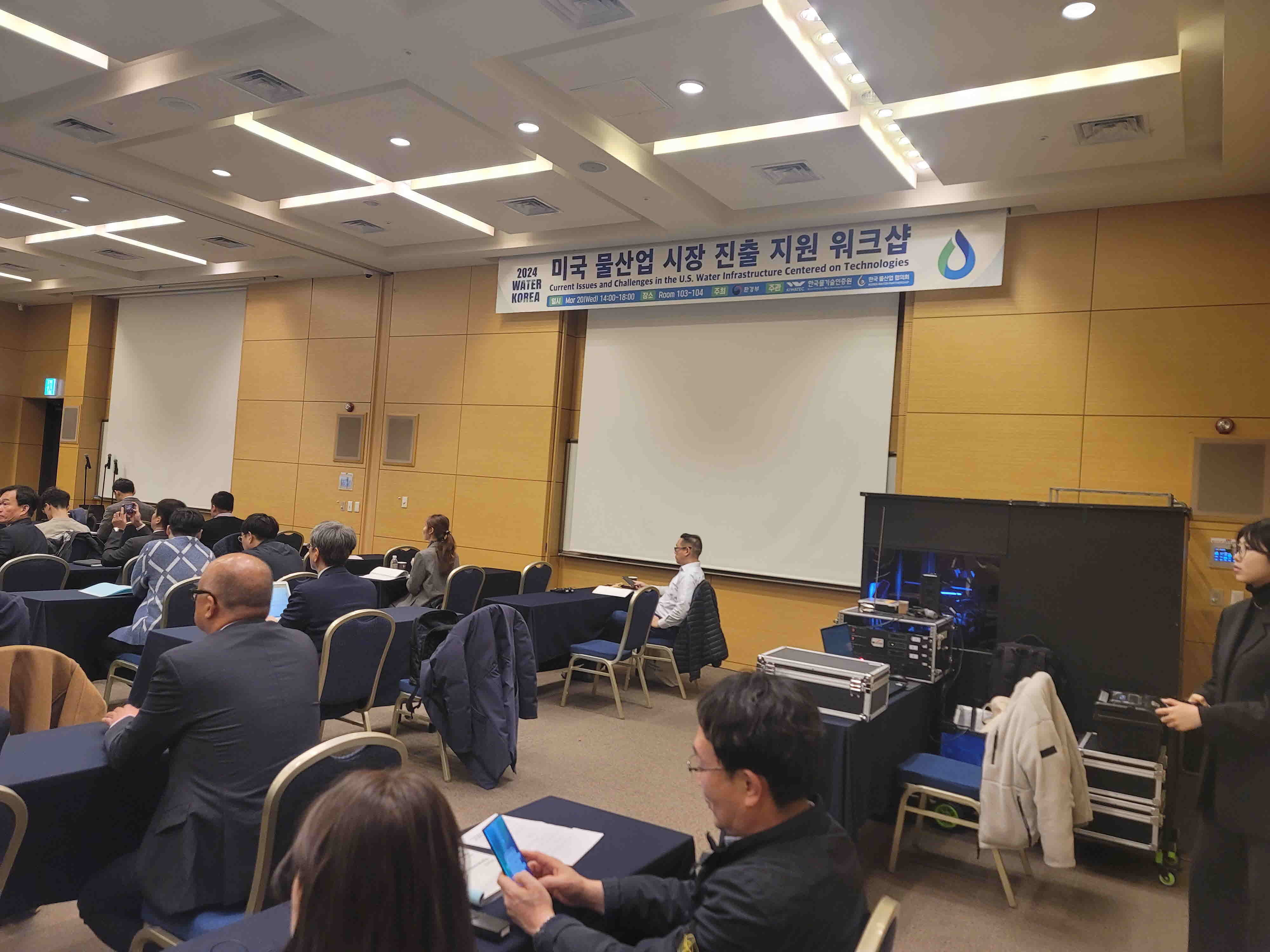
case represents one of the sessions conducted as part of international policy
cooperation and global governance discussions.
Policy environments and international cooperation frameworks continue to evolve
in response to economic, environmental, and development policy changes.
→ View Public Policy & Global Governance Cases
https://universerb.com/en/11_en/168?page=39

About Our Case Archive
The case studies and project insights presented on this website are based on experience supporting international conferences, investor presentations, government forums, executive meetings, technical seminars, and multilingual corporate events.
To protect client confidentiality and comply with the Code of Professional Conduct followed by professional interpreters worldwide, certain project details have been generalized, anonymized, or adapted for educational purposes.
The purpose of these materials is to share practical insights into multilingual communication planning while respecting the confidentiality of every client and every project.
UNIVERSE RB
Designing Communication. Managing Risk. Delivering Understanding.