
Quotation


Performance
Why Professional Interpretation Is a Critical Part of Communication Risk Management?
- 2026.08.23
How Expert Interpreters, Advance Preparation, Terminology Management, and Event Operations Reduce Risk in International Events
Professional interpretation at international events is more than transferring words from one language to another. It plays a critical role in reducing communication risks involving contracts, presentations, policies, financial information, medical content, and technical discussions.
Professional interpreters prepare by reviewing event materials, terminology, presentation content, and communication objectives in advance. This preparation helps ensure that contract terms, technical terminology, numerical information, and speaker intent are communicated accurately.
For high-stakes international events, interpretation should therefore be evaluated not only by price, but also by industry expertise, preparation, interpreter experience, and operational quality.

1. Why Is Professional Interpretation a Form of Risk Management?
At international conferences, investor relations (IR) events, contract negotiations, and medical or technical seminars, interpretation does much more than translate spoken language.
A single interpretation error involving a contract condition, financial figure, policy statement, technical specification, or presentation message can create unexpected consequences, including:
- Misunderstandings
- Schedule delays
- Repeated explanations
- Renegotiations
- Incorrect technical communication
- Loss of confidence between participants
For this reason, interpretation at professional international events should not be treated simply as a cost to minimize.
Professional interpretation is part of the communication risk management structure of the event.
2. One-Sentence Answer
Professional interpretation does more than transfer language—it helps reduce communication risks that can affect decisions, negotiations, presentations, and international event outcomes.
3. When Does Interpretation Quality Matter Most?
Interpretation quality can directly influence communication outcomes in:
- International conferences and forums
- Government and public-sector events
- Investor relations (IR) presentations
- Contract and negotiation meetings
- Overseas buyer meetings
- Medical and pharmaceutical seminars
- Technical conferences and product presentations
In these environments, even a relatively small error involving numbers, terminology, conditions, or intent can affect the discussion.
This is why subject-matter expertise and advance preparation are essential.
4. Communication Risks Managed by Professional Interpretation
Area | Communication Risk | Role of Professional Interpretation |
Contracts | Misunderstood terms or renegotiation | Communicate contract conditions accurately |
Presentations | Missing or distorted key messages | Preserve presentation intent and message consistency |
Technology | Incorrect terminology | Apply appropriate industry terminology |
Medical | Incorrect medical information | Accurately communicate terminology and numerical data |
Policy | Misinterpretation of policy intent | Preserve official terminology and context |
Event Operations | Delays and communication disruption | Support stable communication throughout the program |
Key Point
Good interpretation is not simply about changing words from one language to another. It is about identifying and reducing communication risks before they affect the event.
5. Real-World Applications
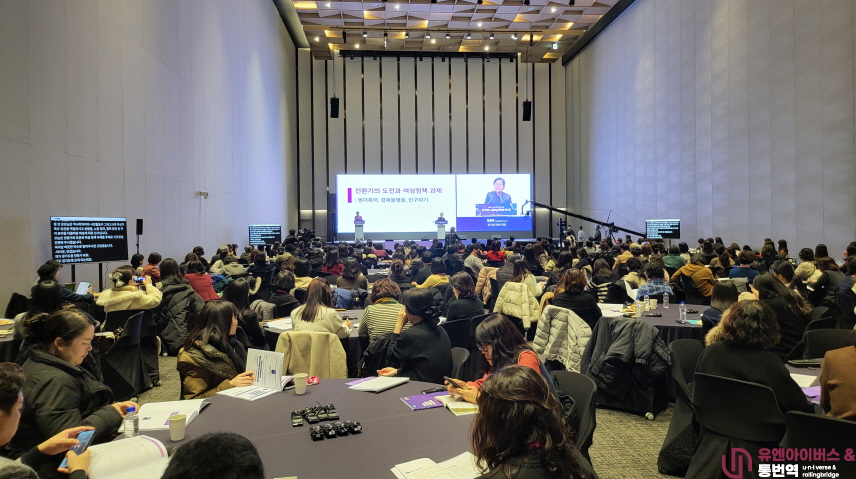
Case 1. International Conference
International conferences often operate according to strict schedules.
Simultaneous interpretation can provide multiple language channels without significantly extending presentation time.
Before the event, presentation materials and specialized terminology are reviewed to reduce the risk of terminology errors and communication delays.
Risk Managed
Schedule Risk + Terminology Risk + Presentation Risk
Case 2. International Contract Negotiation
Contract negotiations may involve:
- Pricing
- Delivery schedules
- Payment terms
- Scope of responsibility
- Technical specifications
- Contract conditions
Consecutive interpretation can allow participants to communicate and confirm each important point before proceeding.
Understanding the speaker's intent as well as the literal meaning helps reduce unnecessary misunderstandings and repeated negotiations.
Risk Managed
Contract Risk + Financial Risk + Negotiation Risk
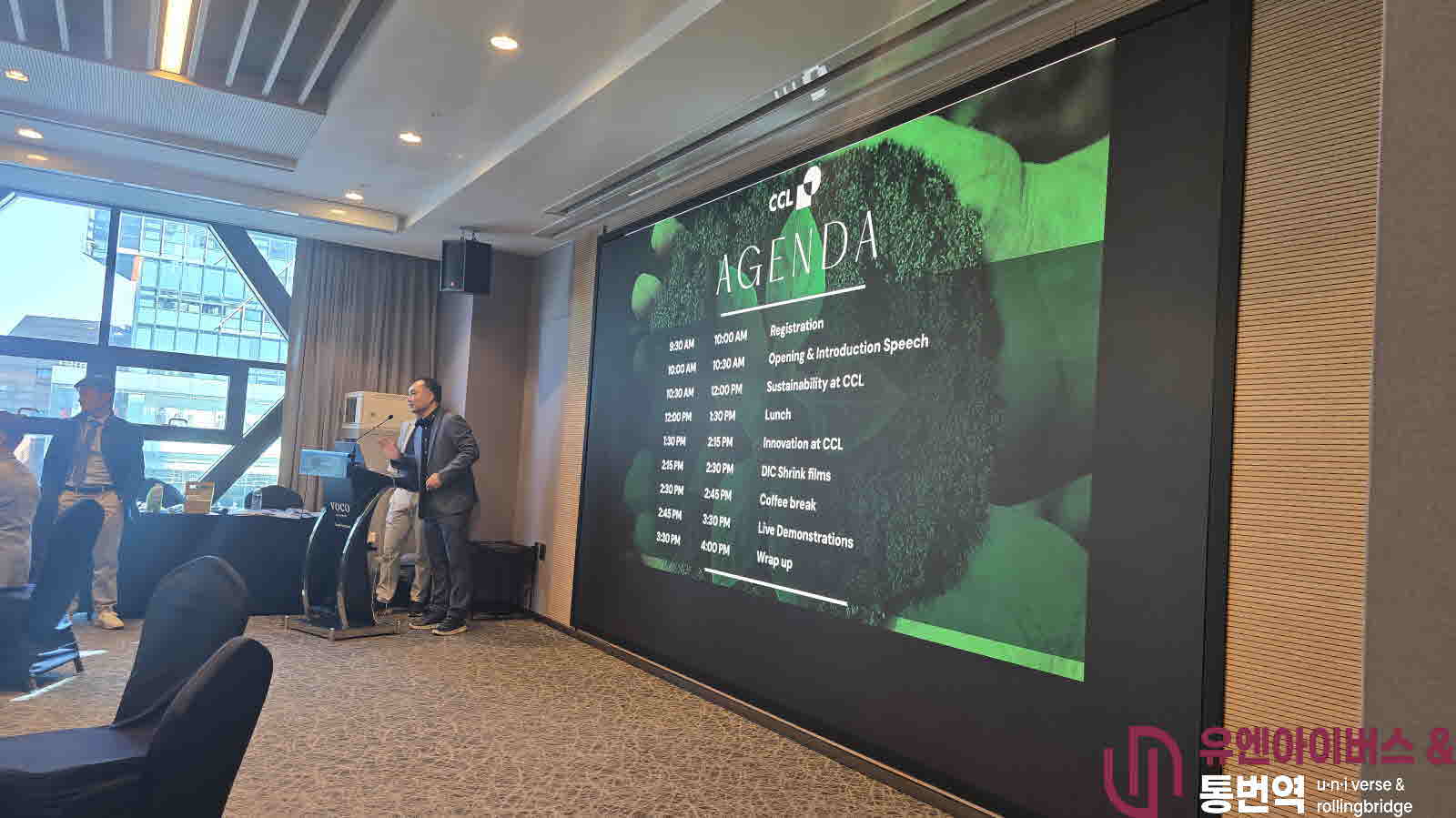
Case 3. Medical and Technical Seminar
Medical and technical events often involve highly specialized terminology.
Presentation materials are reviewed in advance and terminology is prepared before interpretation begins.
Formal presentations may use simultaneous interpretation, while expert Q&A sessions and individual consultations may use consecutive interpretation.
This structure can improve both presentation efficiency and communication accuracy.
Risk Managed
Terminology Risk + Technical Communication Risk + Q&A Risk
6. Seven Ways to Reduce Interpretation Risk
- Select the interpretation method according to the event objective.
- Assign professional interpreters with relevant industry experience.
- Secure presentation materials, contracts, and technical documents in advance.
- Build and review specialized terminology before the event.
- Configure interpretation equipment according to event size and format.
- Design interpretation workflows for presentations and Q&A sessions.
- Conduct pre-event meetings, technical checks, and rehearsals when required.
Preparation Determines Quality
Interpretation quality is often determined before the event begins.
The interpreter's ability remains essential, but professional results also depend on the quality of preparation, terminology management, technical configuration, and event operations surrounding the interpreter.

Interpretation as a Communication Risk Management System
A professional interpretation service can be viewed as a four-stage communication system:
Event Analysis → Interpreter Selection → Preparation & Terminology Management → On-Site Quality Management
Each stage reduces a different category of risk.
Event analysis identifies the communication environment.
Interpreter selection ensures that the required subject-matter expertise is available.
Advance preparation improves terminology and message accuracy.
On-site management helps maintain stable interpretation throughout presentations, discussions, and unexpected changes.
This is why two events using the same language pair—or even similarly qualified interpreters—can produce different communication outcomes.
Cost vs. Communication Risk
The lowest interpretation quote is not necessarily the lowest-cost solution.
A professional interpretation budget may include more than the interpreter's time:
- Interpreter expertise
- Industry specialization
- Advance material review
- Terminology preparation
- Project coordination
- Interpretation equipment
- Technical support
- Rehearsals
- On-site operations
- Quality management
For routine communication, a simpler structure may be sufficient.
For investment, contracts, government policy, medical communication, technology, or international conferences, the potential cost of communication errors can be significantly more important than a small difference in the initial interpretation fee.
The objective is not to purchase the most expensive interpretation service. It is to select the level of expertise and operational support appropriate for the communication risk of the event.
7. Related Information
- Simultaneous vs. Consecutive Interpretation: Which Is Right for Your Event?
- Why Interpretation Costs Vary
- Why Interpretation Quality Depends on More Than the Interpreter
- How to Choose a Professional Interpreter
- How to Choose an Interpretation Company for International Events
Conclusion
International interpretation should not be viewed simply as a language service or staffing expense.
For professional international events, interpretation can directly affect how contracts, financial figures, technical information, policies, presentations, and business intentions are understood.
The most effective interpretation structure combines:
Industry Expertise + Professional Interpreter + Advance Preparation + Terminology Management + Technology + Event Operations + Quality Management
For this reason, selecting an interpretation provider based solely on price can overlook the factors that matter most when communication affects business or institutional decisions.
Professional interpretation is not only about translating what is said. It is about reducing the risk of what could be misunderstood.
About Our Case Archive

The case studies and project insights presented on this website are based on experience supporting international conferences, investor presentations, government forums, executive meetings, technical seminars, and multilingual corporate events.
To protect client confidentiality and comply with the Code of Professional Conduct followed by professional interpreters worldwide, certain project details have been generalized, anonymized, or adapted for educational purposes.
The purpose of these materials is to share practical insights into multilingual communication planning while respecting the confidentiality of every client and every project.
UNIVERSE RB
Designing Communication. Managing Risk. Delivering Understanding.