
Quotation


Performance
Why Do Interpreter Costs Vary So Much for the Same Language?
- 2026.08.15
How Industry Expertise, Interpreter Level, Event Experience, and Assignment Complexity Affect Professional Interpretation Pricing
Why can two interpreters working in the same language pair charge very different fees?
The difference is rarely just the number of hours worked.
Professional interpretation pricing is influenced by:
Industry Expertise + Interpreter Level + Event Experience + Communication Complexity + Preparation Requirements
For international conferences, investor meetings, contract negotiations, and technical events, choosing an interpreter based only on price can create additional communication risk.
The right interpreter should match the industry, event structure, and level of decision-making involved.
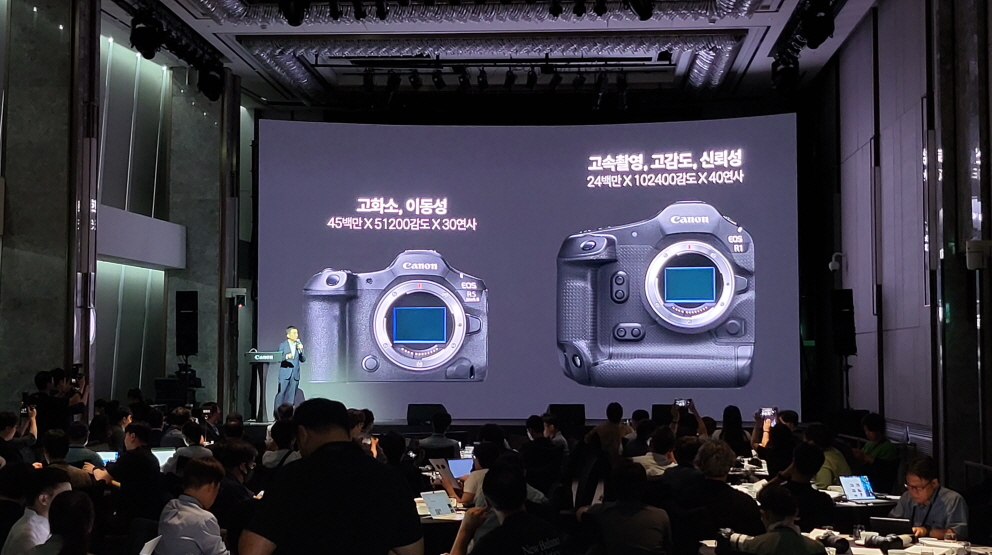
1. Why Do Interpreter Fees Vary?
Even when interpreters work in exactly the same language pair, their fees can differ significantly.
This is because professional interpretation is not priced solely by language or working hours.
A general business meeting and an investor relations meeting may both require English–Korean interpretation, but the communication requirements are very different.
An IR meeting may involve:
- Financial figures
- Revenue and profitability
- Valuation
- Market strategy
- Investment conditions
- Investor Q&A
- Forward-looking statements
Likewise, a medical or pharmaceutical seminar may require knowledge of:
- Clinical terminology
- GMP requirements
- Regulatory processes
- Medical devices
- Manufacturing procedures
- Quality-control terminology
The language pair may be identical.
The professional requirements are not.
2. One-Sentence Answer
Interpreter costs vary according to subject-matter expertise, professional level, event experience, assignment complexity, preparation requirements, and communication risk—not simply the language pair or working hours.
3. What Determines Interpreter Pricing?
The major factors include:
Pricing Factor | Why It Matters | Typical Impact |
Language Pair | Availability varies by language combination | Moderate to High |
Industry Expertise | Specialized terminology requires relevant knowledge | High |
Interpreter Level | Experience and professional capability vary | High |
Event Experience | Similar assignment experience improves event fit | High |
Communication Complexity | Negotiation and Q&A require real-time judgment | Very High |
Preparation | Materials and terminology may require advance study | Moderate to High |
Duration | Longer assignments increase workload | Moderate |
Interpretation Method | Consecutive and simultaneous interpretation require different structures | High |
Technical Requirements | Booths, audio systems, RSI, and receivers may be required | High |
Communication Risk | Decision-critical events require greater professional capability | Very High |
Key Insight
The same language does not mean the same assignment.
Interpreter pricing reflects what the interpreter is expected to understand, process, and communicate accurately.
4. When Should Buyers Evaluate Both Interpreter Level and Expertise?
Professional expertise becomes particularly important for:
- International conferences and forums
- International buyer meetings
- Contract negotiations
- Investment negotiations
- Government and public-sector events
- Medical and pharmaceutical seminars
- GMP conferences and audits
- Technical conferences
- Academic symposiums
- Investor Relations (IR)
- Investment presentations
- Factory inspections
- Technical meetings
- Executive meetings
In these environments, communication may directly affect decisions, contracts, investments, or institutional credibility.

5. General Business Interpretation vs. Specialized Interpretation
Not every assignment requires the highest level of specialization.
The appropriate interpreter should match the actual communication environment.
Category | General Business Interpretation | Specialized Professional Interpretation |
Typical Environment | Routine meetings, general discussions | IR, negotiations, medical, technical, policy |
Terminology | General business vocabulary | Specialized industry terminology |
Communication Complexity | Low to Moderate | High |
Q&A Complexity | Relatively predictable | Often unpredictable |
Decision Risk | Low to Moderate | Moderate to Very High |
Preparation | Basic background review | Detailed materials and terminology review |
Interpreter Experience | General business experience | Relevant subject-matter and event experience |
Pricing | Generally lower | Generally higher |
Important Principle
The objective is not to assign the most expensive interpreter to every event.
The objective is to assign the appropriate interpreter to the actual level of complexity and risk.
6. Why Industry Expertise Affects Interpreter Cost
Language proficiency alone does not guarantee effective professional interpretation.
Consider the difference between these assignments:
General Business Meeting
The discussion may involve:
- Company introductions
- Product information
- General schedules
- Basic pricing
- Partnership discussions
Investor Relations Meeting
The interpreter may need to understand:
- EBITDA
- Operating margins
- Valuation
- Guidance
- Capital expenditure
- Market share
- Growth assumptions
- Investor concerns
Medical and Pharmaceutical Conference
The assignment may involve:
- Clinical trials
- GMP
- Regulatory requirements
- Drug manufacturing
- Quality assurance
- Medical terminology
Technical Meeting
The interpreter may encounter:
- Engineering specifications
- Manufacturing processes
- Software architecture
- Semiconductor technology
- Cybersecurity
- Database systems
These assignments cannot be evaluated simply as:
“English interpretation for four hours.”
The professional requirements are fundamentally different.
7. Why Event Experience Matters
Subject knowledge is important, but event experience matters as well.
A professional interpreter must understand how communication changes according to event format.
For example:
Event Type | Communication Requirement |
Conference Presentation | Speed, terminology, continuous delivery |
Investor Relations Meeting | Financial terminology, numbers, unpredictable Q&A |
Contract Negotiation | Conditions, intent, nuance, responsibilities |
Technical Meeting | Specifications, processes, technical questions |
Government Meeting | Policy terminology, institutional language |
Medical Seminar | Specialized terminology and technical accuracy |
Executive Meeting | Concise communication and decision context |
An interpreter who performs well in one environment may not necessarily be the best fit for another.
Key Principle
Professional experience should match both the industry and the event structure.
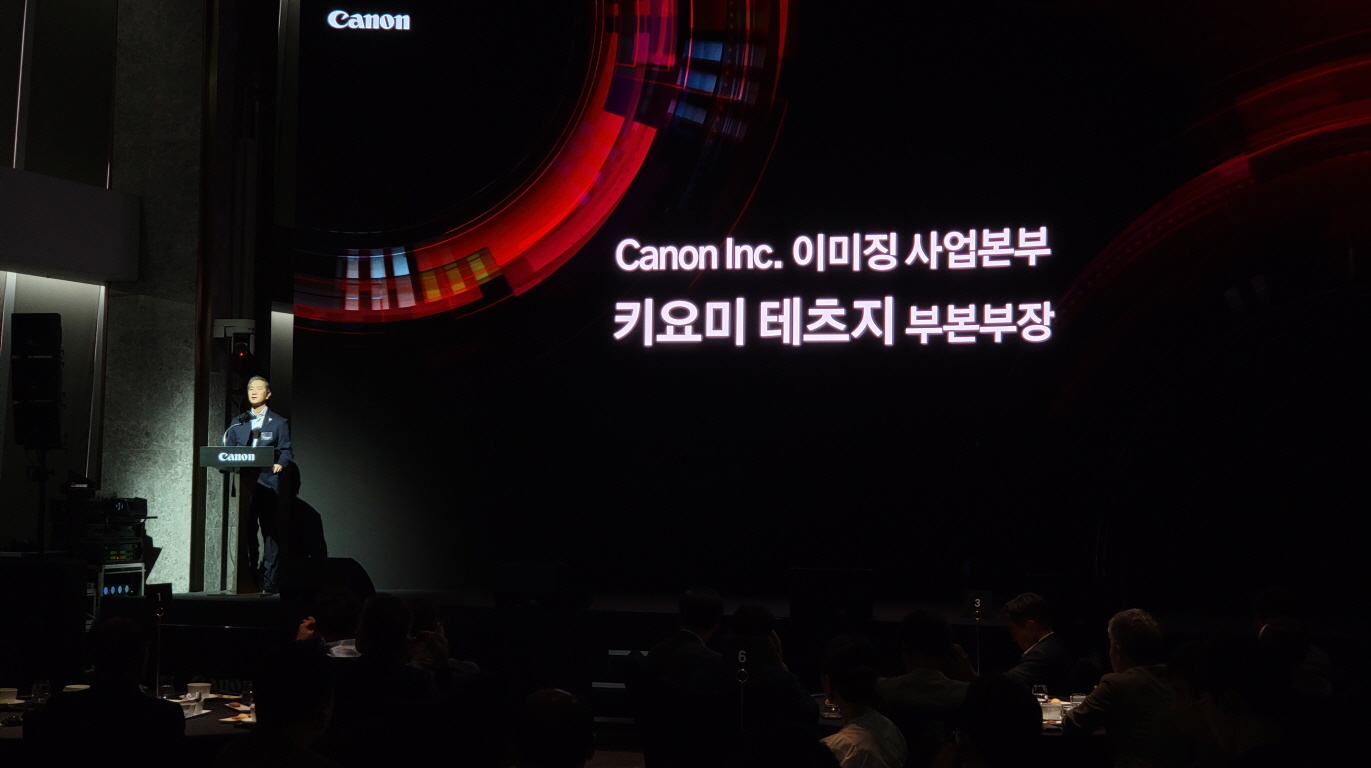
8. Why the Cheapest Interpreter Is Not Always the Lowest-Cost Option
A lower interpreter fee can be appropriate for routine, low-risk communication.
However, price becomes less useful as the primary selection criterion when the meeting involves:
- Investment decisions
- Contract conditions
- Financial figures
- Technical specifications
- Regulatory information
- Medical terminology
- Executive decisions
- Complex Q&A
If the interpreter is not appropriately matched to the assignment, potential consequences may include:
- Terminology errors
- Repeated explanations
- Additional meetings
- Schedule delays
- Misunderstood conditions
- Corrective communication
- Reduced stakeholder confidence
The lowest initial quotation can therefore create a higher total communication cost.
9. Real-World Application Examples
Case 1 — Investor Relations Meeting
Requirements
The meeting involved financial performance, investment strategy, market outlook, and investor Q&A.
Interpreter Selection
An interpreter with relevant financial and investment communication experience was assigned.
Result
Financial terminology, numerical information, and investor questions could be handled more consistently throughout the meeting.
Key Lesson
IR interpretation requires financial context as well as language proficiency.
Case 2 — Medical and GMP Seminar
Requirements
The event contained specialized pharmaceutical terminology, manufacturing procedures, and GMP-related discussion.
Interpreter Selection
An interpreter with relevant medical and pharmaceutical experience was selected.
Result
Technical terminology and Q&A could be communicated with greater consistency.
Key Lesson
Subject-matter experience becomes increasingly important as terminology complexity increases.
Case 3 — International Buyer Contract Negotiation
Requirements
The discussion covered:
- Product specifications
- Pricing
- Contract conditions
- Delivery schedules
- Technical requirements
Interpreter Selection
An interpreter familiar with the relevant industry and business negotiation environment was assigned.
Result
The parties could discuss commercial and technical issues within a more structured communication environment.
Key Lesson
Negotiation interpretation requires understanding of both industry terminology and business context.

10. Interpreter Level vs. Event Fit
A common purchasing mistake is assuming that a higher interpreter level automatically guarantees a better result.
That is not always the case.
Consider:
Highly experienced interpreter + Poor industry fit
versus
Appropriately experienced interpreter + Strong industry fit
Depending on the assignment, the second option may provide better value.
Professional interpreter selection should therefore consider:
Professional Level × Subject Expertise × Event Experience × Communication Complexity
rather than professional level alone.
Key Insight
The best interpreter is not necessarily the highest-priced interpreter. It is the interpreter best matched to the assignment.
11. Consecutive vs. Simultaneous Interpretation Costs
Interpretation method also affects the total cost.
Factor | Consecutive Interpretation | Simultaneous Interpretation |
Typical Staffing | Often one interpreter for shorter assignments | Commonly a team for extended sessions |
Equipment | Usually limited | Booth, console, receivers, audio integration |
Event Speed | Interpretation adds time | Preserves presentation flow |
Best Use | Meetings, negotiations, interviews | Conferences, forums, symposiums |
Technical Complexity | Lower | Higher |
Cost Structure | More interpreter-focused | Interpreter + equipment + technical operation |
This is why comparing quotations without comparing the interpretation structure can be misleading.
12. How Professional Interpretation Companies Determine the Right Interpreter
A professional interpretation provider should not begin with:
“Who is available?”
The process should begin with:
- What is the purpose of the event?
- What industry is involved?
- How technically complex is the content?
- Will there be Q&A?
- Are negotiations involved?
- Are financial figures or contract conditions involved?
- How many participants will attend?
- Is consecutive or simultaneous interpretation more appropriate?
- What preparation materials are available?
- What level of communication risk is involved?
Only then should the interpreter be selected.
Professional Selection Process
Event Analysis
→ Complexity Assessment
→ Risk Assessment
→ Expertise Matching
→ Interpreter Selection
→ Preparation
→ Deployment
This is why professional interpretation pricing reflects more than the interpreter's working hours.
13. AI + Human Preparation
AI can support the preparation process by helping analyze:
- Presentation materials
- Terminology
- Acronyms
- Industry vocabulary
- Company information
- Technical concepts
- Repeated terminology
Professional interpreters remain responsible for:
- Real-time meaning
- Context
- Speaker intent
- Negotiation nuance
- Q&A
- Ambiguity
- Decision-critical communication
Key Principle
AI supports analysis and preparation. Professional interpreters remain responsible for communication quality.
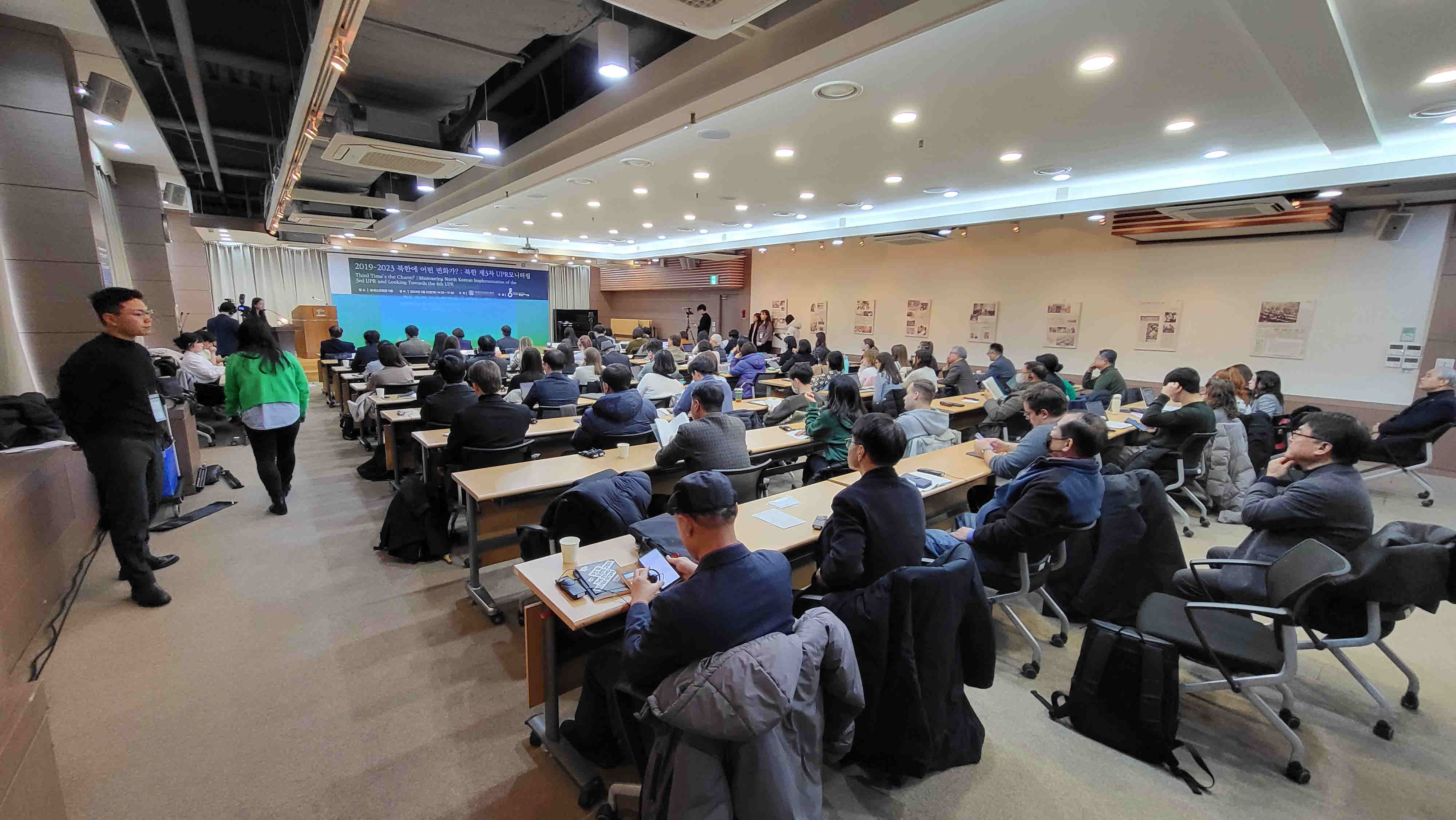
14. What Buyers Should Check Before Comparing Interpreter Fees
When comparing quotations, do not compare only the final price.
Compare what the price represents.
Buyer Question | Why It Matters |
What industry experience does the interpreter have? | Determines subject-matter fit |
Has the interpreter handled similar events? | Determines event fit |
What professional level is being assigned? | Helps evaluate capability |
Will materials be reviewed beforehand? | Affects preparation |
How will terminology be managed? | Affects consistency |
How will Q&A be handled? | Important for unpredictable discussion |
Is the interpretation method appropriate? | Affects communication efficiency |
Is technical support included? | Important for simultaneous interpretation |
What quality-management process is used? | Affects overall consistency |
15. Frequently Asked Questions
Q1. Why can interpreter fees differ even for the same language?
Because language is only one pricing factor.
Professional fees may also reflect industry expertise, interpreter experience, event complexity, preparation requirements, duration, interpretation method, and communication risk.
Q2. Is a more expensive interpreter always better?
No.
A higher fee does not automatically guarantee better results.
The interpreter's expertise and experience should match the actual event.
Q3. Why do specialized interpreters cost more?
Specialized assignments may require substantial professional experience, industry knowledge, terminology preparation, and the ability to manage complex real-time communication.
Q4. Does event experience really affect interpretation quality?
Yes.
A conference, contract negotiation, IR meeting, medical seminar, and technical inspection all have different communication structures.
Relevant event experience helps the interpreter understand how information is likely to be presented and discussed.
Q5. Should buyers always choose the highest interpreter level?
No.
For routine, low-risk meetings, that may create unnecessary cost.
The appropriate professional level should be selected according to the event's complexity and risk.
Q6. Why can two quotations for the same event be very different?
The quotations may not include the same level of:
- Interpreter expertise
- Preparation
- Staffing
- Equipment
- Technical support
- Project management
- Quality management
For this reason, buyers should compare the scope and delivery structure, not only the final price.
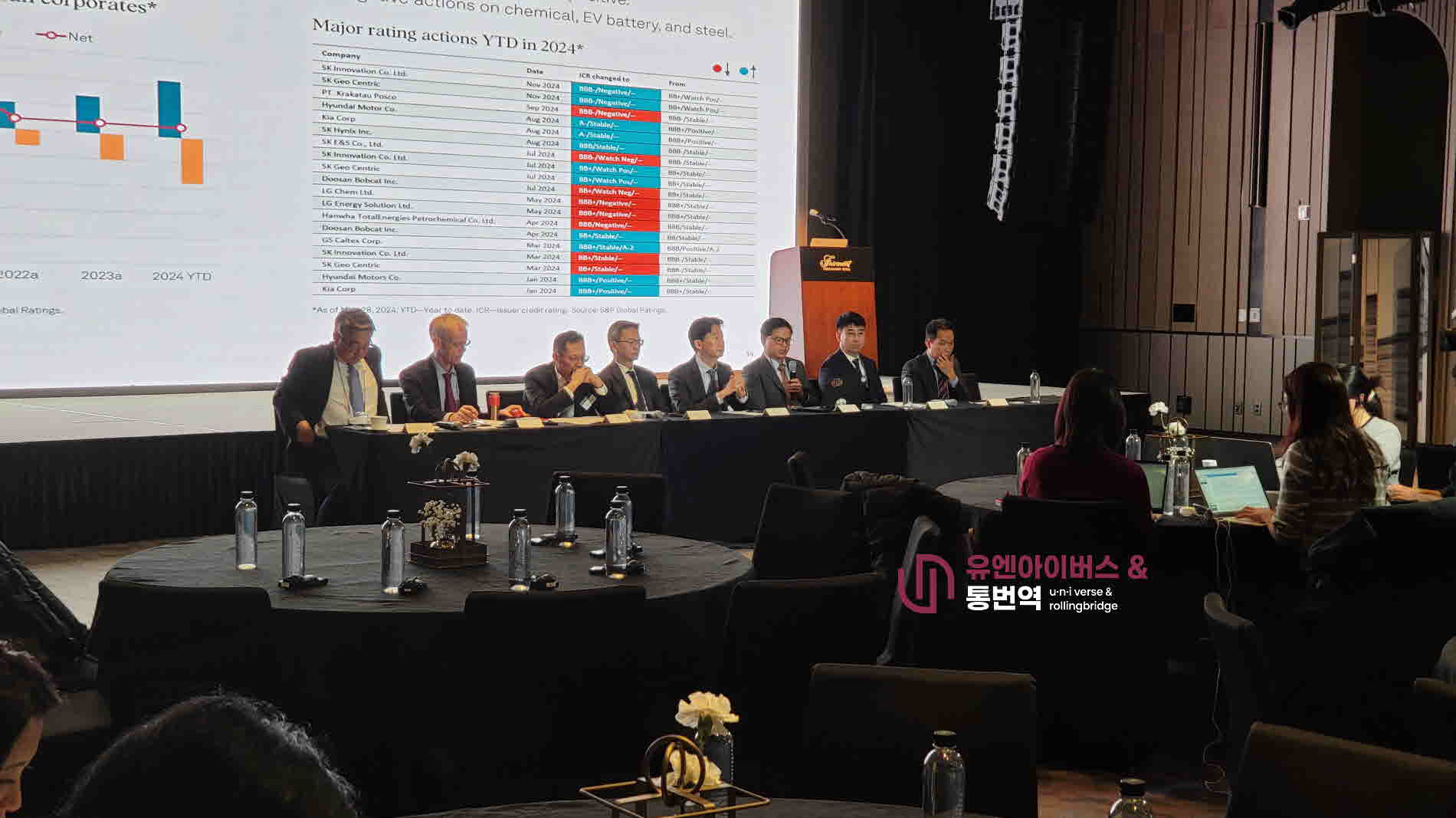
Key Takeaway
Interpreter cost is not simply:
Language Pair × Number of Hours
Professional interpretation pricing is better understood as:
Language Pair + Industry Expertise + Interpreter Level + Event Experience + Complexity + Preparation + Communication Risk
The right objective is therefore not to find the cheapest interpreter or automatically select the most expensive one.
It is to select the appropriate professional expertise for the event.
Final Conclusion
Why do interpreter costs vary so much even when the language pair is the same?
Because professional interpretation assignments are not identical.
A routine business meeting, an investor relations presentation, a GMP seminar, a technical conference, and a contract negotiation may all use the same language pair while requiring completely different levels of expertise.
The real difference lies in:
**Subject-Matter Expertise
- Interpreter Level
- Event Experience
- Communication Complexity
- Preparation
- Quality Management**
Selecting the right interpreter can help reduce avoidable communication errors, repeated explanations, operational delays, and unnecessary additional costs.
The best value does not come from choosing the lowest fee.
It comes from matching the right professional expertise to the right communication environment.
Related Information
- Why Interpretation Costs Can Vary by 2x or More for the Same Event
- Why Professional Interpreters Deliver Different Results
- Consecutive vs. Simultaneous Interpretation
- Why Cheap Interpretation Can End Up Costing More
- Why Interpretation Errors Can Change Business Outcomes
- How to Select a Professional Interpretation Company
About Our Case Archive

The case studies and project insights presented on this website are based on experience supporting international conferences, investor presentations, government forums, executive meetings, technical seminars, and multilingual corporate events.
To protect client confidentiality and comply with the Code of Professional Conduct followed by professional interpreters worldwide, certain project details have been generalized, anonymized, or adapted for educational purposes.
The purpose of these materials is to share practical insights into multilingual communication planning while respecting the confidentiality of every client and every project.
UNIVERSE RB
Designing Communication. Managing Risk. Delivering Understanding.