
Quotation


Performance
Virtual Reality Experience Seminar Simultaneous Interpretation | Virtual Reality · Immersive Technology · Digital Experience – UNIVERSE RB
- 2026.02.21
Emerging Technologies & Convergence
Category Description
This category covers interpretation cases related to emerging technologies and
digital convergence, including blockchain, Web3, fintech, XR, and AI-integrated
technologies.
UNIVERSE RB provides integrated services including:
Simultaneous interpretation Consecutive interpretation Technology conference interpretation Technical document translation QMS-based quality management operations
We support blockchain forums, Web3 seminars, and digital technology conferences with professional interpretation environments.
1. Overview
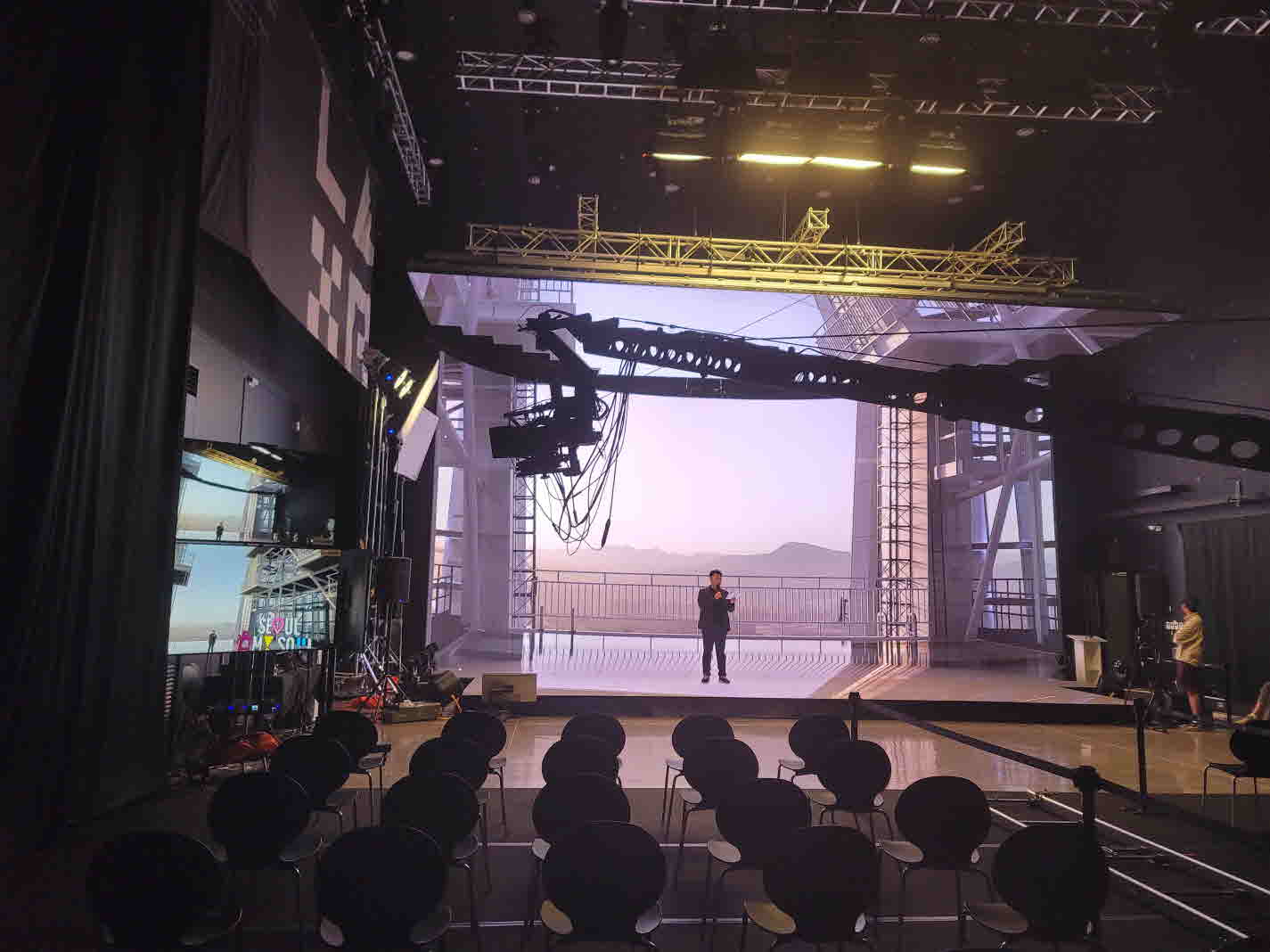
The Virtual Reality (VR) Experience Seminar was a high-level technical forum focused on:
-
XR (Extended Reality) technologies
-
Digital Twin and 4D simulation
-
Metaverse industry applications
-
Industrial and enterprise VR solutions
-
Investment and policy frameworks
The event featured:
-
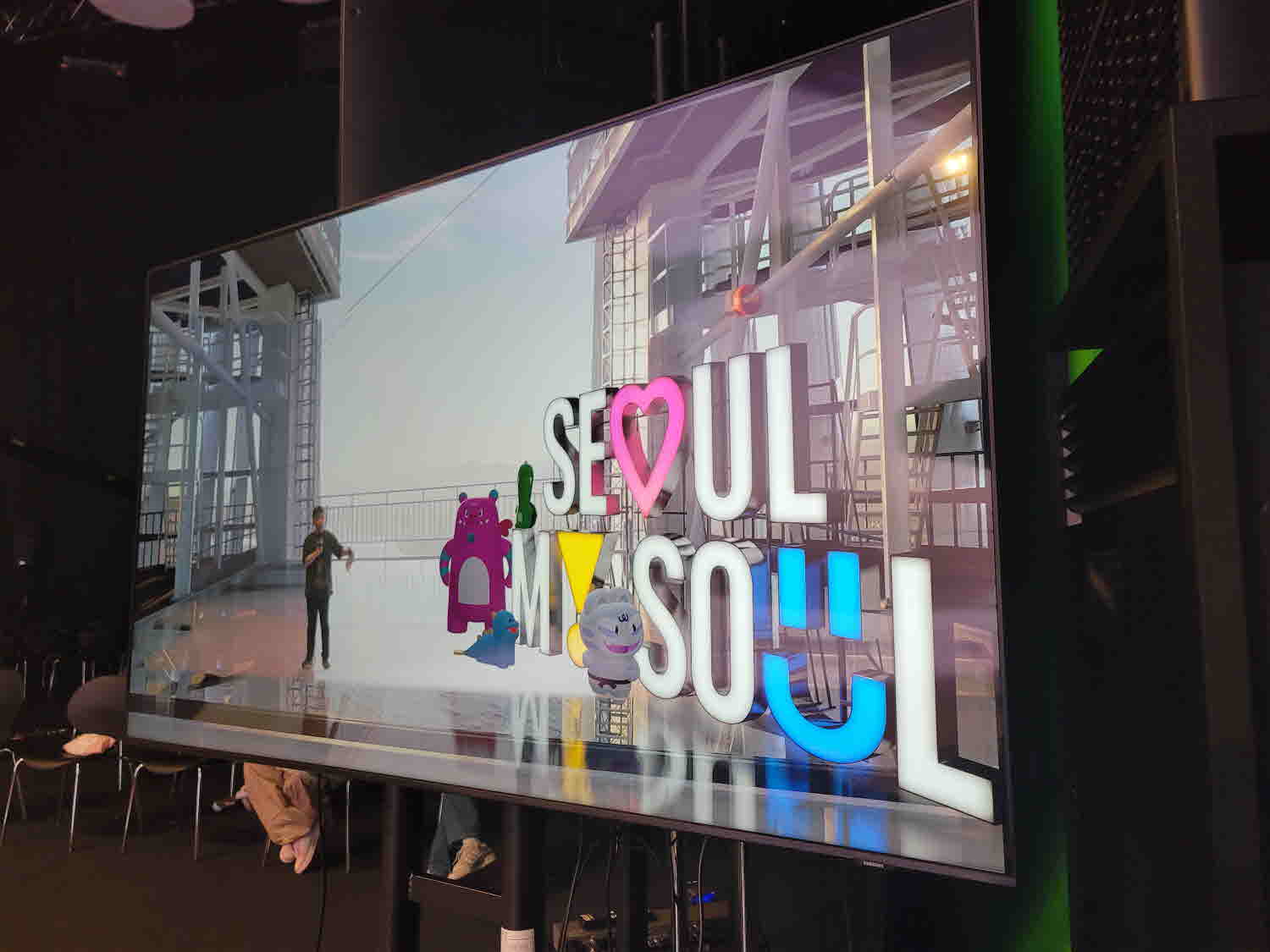
A 300-inch large-scale main screen
-
Live VR demonstrations
-
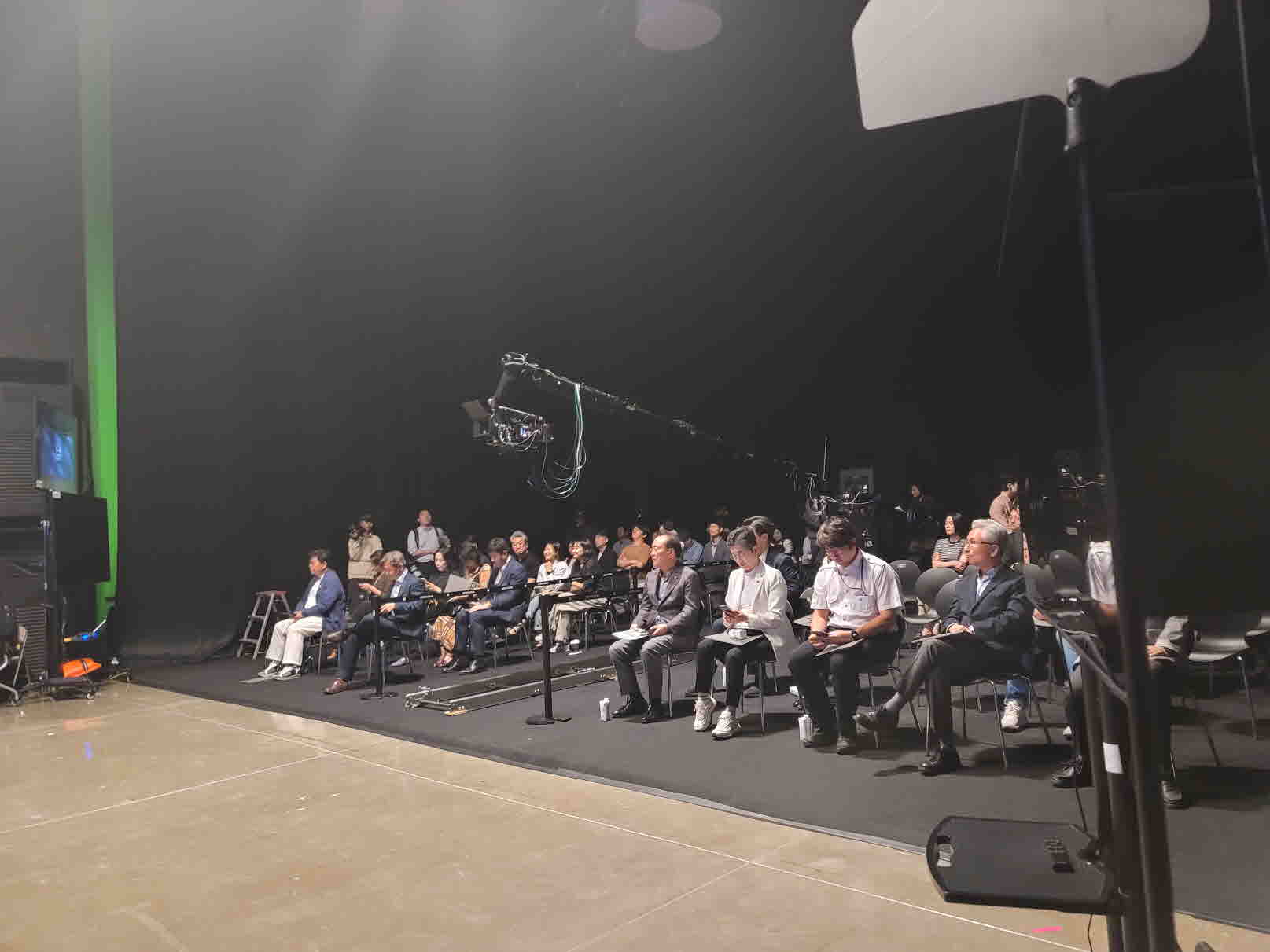
Parallel hands-on experience zones
-
Industry, policy, and investment sessions
-
Multilingual presentations and live Q&A
For this seminar, UNIVERSE delivered a fully integrated interpretation model structured around:
Interpretation Cost Structure Analysis → Interpretation System Design → QMS Quality Management → AI vs Human Strategic Deployment
2. Key Topics
① Immersive Technology & XR Platforms
-
Evolution of VR/AR/MR technologies
-
Real-time rendering architecture
-
Latency and frame rate issues
-
HMD-based interaction design
② Digital Twin & 4D Simulation
-
4D BIM-based simulation systems
-
Point cloud and mesh modeling
-
Virtual validation of industrial processes
-
Urban and energy infrastructure digital twins
③ AI Integration in VR Environments
-
AI-based object recognition
-
Voice interaction systems
-
Data-driven user behavior analytics
-
Generative AI for immersive content
④ Industrial & Enterprise Applications
-
Manufacturing process simulation
-
Smart factory implementation
-
VR-based safety training for energy and plant industries
-
Defense and medical VR training solutions
⑤ Investment & Policy Discussions
-
XR industry investment structures
-
Global regulatory landscape
-
ESG and digital transformation strategies
-
International cooperation frameworks
This was not a simple demonstration event, but a multi-layered professional forum where technology, industry, policy, and investment converged.
3. Required Interpretation Competencies
The VR seminar required interpretation capabilities beyond standard conference settings.
■ 1. Advanced Technical Expertise
-
Proficiency in XR, Digital Twin, and 4D simulation terminology
-
Understanding of GPU rendering architecture
-
Familiarity with technical acronyms (Latency, FPS, API, SDK, etc.)
-
Cross-industry application awareness
■ 2. Real-Time Demonstration Responsiveness
-
Simultaneous monitoring of live demos and speaker commentary
-
Immediate adaptation to unscripted screen transitions
-
Contextual interpretation during technical errors or disruptions
■ 3. Integrated Industry & Policy Understanding
-
Investment terminology (ROI, IRR)
-
Regulatory and compliance language
-
ESG and digital governance frameworks
-
Public–private partnership structures
■ 4. Acoustic & Environmental Adaptability
-
Managing ambient noise from experience zones
-
Compensating for unclear speech from HMD-equipped speakers
-
Adjusting to variable microphone quality
■ 5. High-Density Information Processing
-
Fast-paced technical explanations
-
Real-time numerical and data interpretation
-
Instant transition to live Q&A sessions
In this setting, the interpreter functioned not merely as a language conduit, but as a Technical Context Interpreter.
4. Interpretation Cost Structure Analysis
Interpretation costs for VR technical forums are not determined by time alone.
■ Key Cost Drivers
-
Technical difficulty weighting
-
Pre-event material analysis time
-
Terminology glossary development
-
Complexity of equipment configuration
-
One vs. two-interpreter setup
-
On-screen subtitle integration
-
AI-assisted system utilization
-
Network redundancy design
At UNIVERSE, cost is not presented as a simple price list.
It is the result of a structured system design process.
5. Interpretation System Design
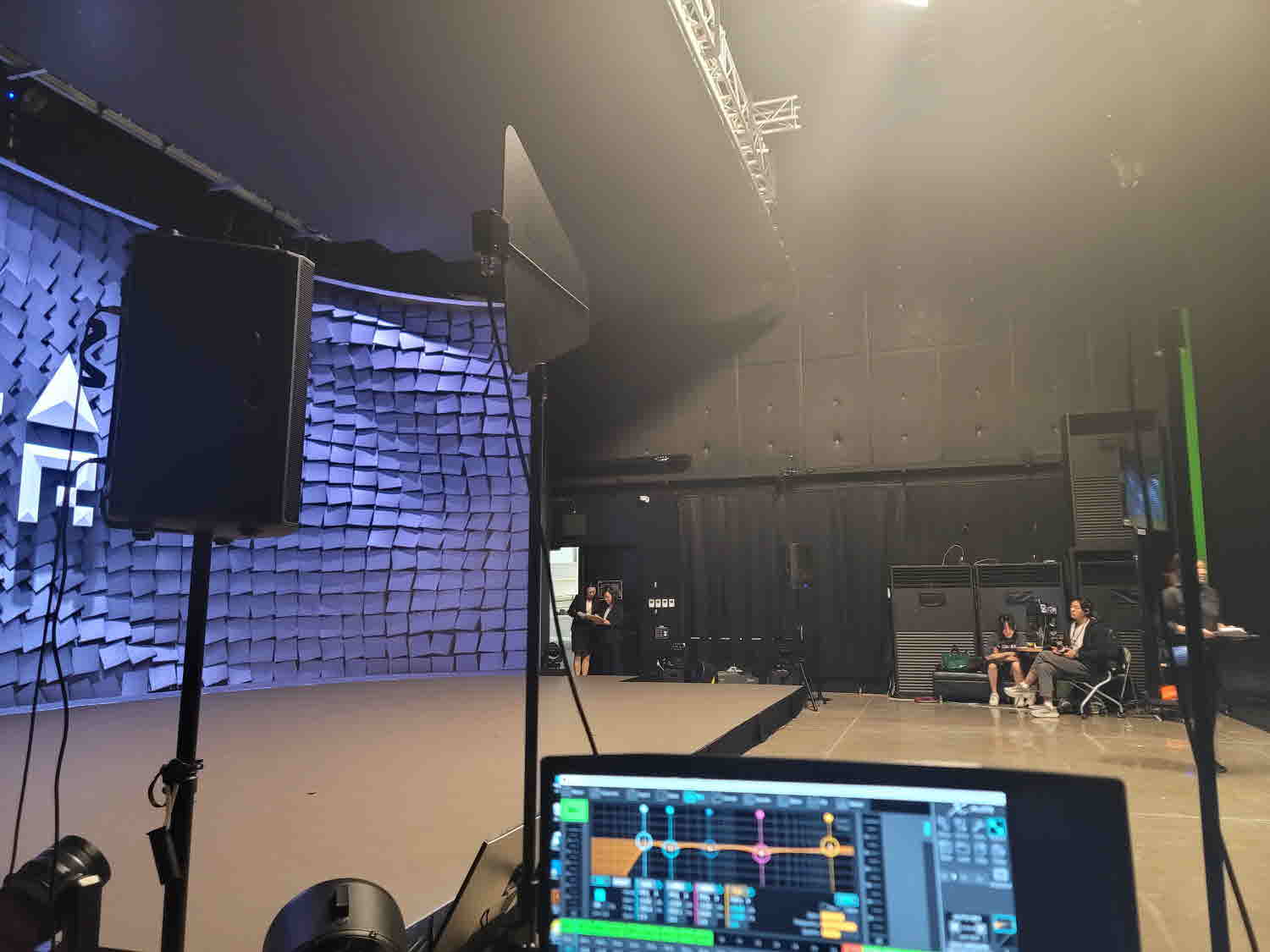
The immersive and multi-zone nature of the VR seminar required a carefully engineered interpretation system.
■ System Design Components
-
Optimized booth positioning
-
Acoustic separation from experience zones
-
FM receiver deployment planning
-
Large-screen subtitle integration
-
Online streaming compatibility
-
Dedicated audio channel separation for presenters
-
On-site technical engineer supervision
■ Operational Structure
-
Two simultaneous interpreters for high-complexity sessions
-
Auxiliary interpretation support in experience zones
-
Real-time audio monitoring
-
Two-stage rehearsal process
Interpretation in such an environment is not staffing—it is integrated spatial and technical system engineering.
6. QMS (Quality Management System) Implementation
Immersive technology events present high risks of quality variance.
UNIVERSE applied its structured QMS 10-Factor framework:
-
Pre-analysis of presentation materials
-
XR-specific terminology preparation
-
Flow structure analysis
-
Interpreter–engineer coordination meetings
-
Rehearsal interpretation
-
Dual-stage audio inspection
-
Network stability testing
-
Contingency response protocols
-
On-site quality monitoring
-
Post-event performance review
Interpretation quality is not sustained by individual talent alone.
It is achieved through repeatable management systems.
7. AI vs Human Interpretation Strategy
Given the technical nature of the seminar, AI-assisted tools were evaluated strategically.
■ Areas Suitable for AI Support
-
Structured product introductions
-
Repetitive content segments
-
Automated subtitle generation
-
Large-audience information delivery
■ Areas Requiring Human Interpreters
-
Live Q&A interaction
-
Contextual explanation of complex technologies
-
Investment and policy discussions
-
Handling unexpected situations
-
Interpreting speaker intent and nuance
AI performs analysis.
Human interpreters perform contextual design.
UNIVERSE implemented an integrated model where AI supports data processing while human interpreters manage meaning, priority, and strategic delivery.
7. FAQ
1) What type of interpretation is typically used for XR and immersive technology seminars?
XR and immersive technology seminars generally use simultaneous interpretation, allowing participants to follow technical explanations and live demonstrations in real time without interrupting the presentation flow.
This format is widely used in technology conferences, digital innovation forums, and immersive technology exhibitions.
2) What challenges arise when interpreting live VR demonstrations?
VR demonstrations often involve unscripted elements and real-time visual content.
Interpreters must respond quickly to:
live system interactions
unexpected screen transitions
technical troubleshooting situations
speaker commentary during demonstrations
This requires rapid contextual understanding and flexible interpretation.
3) Why is interpretation system design important for immersive technology events?
Immersive technology events often involve complex spatial environments such as:
experience zones
large-scale display systems
parallel demonstration areas
live streaming platforms
Proper interpretation system design ensures stable audio delivery, clear language channels, and seamless integration with event technologies.
4) What technical knowledge is required for interpreting XR and VR seminars?
Interpreters working in XR environments often require familiarity with terminology related to:
virtual reality (VR), augmented reality (AR), and mixed reality (MR)
digital twin systems and simulation technologies
GPU rendering architecture and real-time graphics processing
latency, frame rate (FPS), APIs, and software development tools
Understanding these concepts helps maintain accuracy in technical communication.
5) What role does interpretation cost structure analysis play in technical seminars?
Interpretation costs in high-technology forums are influenced by several factors, including:
technical difficulty of the subject matter
pre-event terminology preparation
interpretation system configuration
number of interpreters and support staff
integration with subtitle systems or streaming platforms
Cost reflects the complexity of the overall communication system rather than time alone.
6) Why is quality management important for immersive technology interpretation?
Immersive technology seminars involve:
high-density technical information
live demonstrations
multi-zone event environments
complex audio systems
Quality management systems help maintain consistency, reduce communication risks, and ensure reliable interpretation performance throughout the event.
7) How are AI tools used in interpretation for technology conferences?
AI-assisted tools may support interpretation environments through:
automated subtitle generation
speech recognition and transcription
terminology analysis
data processing for repetitive information segments
However, AI systems typically assist with structured information rather than contextual communication.
8) Why are human interpreters still essential for complex technology events?
Human interpreters remain essential for:
live audience interaction and Q&A sessions
interpretation of speaker intent and nuance
handling unexpected situations or technical issues
contextual explanation of complex technologies
Human interpreters provide strategic communication support that goes beyond literal translation.
7. Conclusion
The Virtual Reality Experience Seminar combined:
-
Immersive environments
-
High-density technical language
-
Cross-sector industry and policy discussions
-
Live demonstration variables
Such events demand more than interpretation services.
They require system architecture.
UNIVERSE:
-
Analyzes cost structures
-
Designs interpretation systems
-
Applies QMS for quality control
-
Strategically integrates AI and human expertise
We operate not as a staffing provider, but as an interpretation system design partner.
This
case represents one of the seminars or forums discussing the industrial
application of emerging technologies.
Technologies such as blockchain, digital finance, XR, and AI continue to
converge across industries and shape new digital ecosystems.
→ View Emerging Technologies & Convergence Cases
https://universerb.com/en/11_en/188?page=39
https://universerb.com/en/11_en/18?page=45
The case archive on this
website is based on interpretation and global communication experiences
conducted in international seminars, policy forums, corporate presentations,
and industry conferences.
To comply with client confidentiality and the Code of Professional Conduct,
some event details are described in a generalized manner.