
Quotation


Performance
AI and Open Science Research Forum Simultaneous Interpretation | Scientific Research · AI4Science · Open Research Policy Conference – UNIVERSE RB
- 2025.12.10
This international Open Science conference explores research openness, AI-driven scientific innovation, research data infrastructure, international collaboration, and responsible research governance.
Key interpretation topics include the UNESCO Recommendation on Open Science, FAIR Principles, Open Access, DORA Principles, LLM-based research automation, AI-assisted hypothesis generation and experimental design, physics-informed machine learning, molecular modeling, national R&D data platforms, HPC and AI computing environments, cross-border research collaboration and data transfer, Responsible AI (RAI), explainability, dual-use risks, and research integrity.
Because Open Science integrates scientific research, artificial intelligence, data infrastructure, international collaboration, and research ethics, professional interpretation is essential to accurately communicate technical concepts, research policies, data governance frameworks, and global scientific cooperation initiatives.
Emerging Technologies & Convergence
Category Description
This category covers interpretation cases related to emerging technologies and digital convergence, including blockchain, Web3, fintech, XR, and AI-integrated technologies.
UNIVERSE RB provides integrated services including:
Simultaneous interpretationConsecutive interpretationTechnology conference interpretationTechnical document translationQMS-based quality management operations
We support blockchain forums, Web3 seminars, and digital technology conferences with professional interpretation environments.

Executive Summary
The AI & Open Science Research Forum is a high-level global platform addressing AI-driven scientific innovation (AI4Science), open research policies, data governance, and Responsible AI (RAI).
The forum integrates computational science, international research policy, open data frameworks, and ethical governance models.
Simultaneous interpretation requires precision in AI and scientific terminology, disciplined neutrality in international policy discourse, and structured delivery under UNIVERSE RB’s QMS-based AI research communication architecture.
1. Overview
The AI & Open Science Research Forum convenes academia, government R&D agencies, industry leaders, publishers, and international organizations to examine AI-driven scientific discovery, research reproducibility, global data-sharing systems, and research ethics.
Participants often include representatives from international bodies such as United Nations Educational, Scientific and Cultural Organization and Organisation for Economic Co-operation and Development, national science and technology ministries, AI researchers, open data platform providers, research ethics committees, and global scientific publishers.
Interpreters must accurately and neutrally convey complex content that integrates AI models, scientific workflows, regulatory frameworks, and ethical governance principles, making this a highly specialized interpretation domain.
2. Key Topics
Global Trends in Open Science
UNESCO Recommendation on Open Science
FAIR Principles (Findable, Accessible, Interoperable, Reusable)
Evolution of Open Access publishing
Research assessment reform (e.g., DORA Principles)
AI-Driven Scientific Innovation (AI4Science)
Research automation with Large Language Models (LLMs)
AI-assisted hypothesis generation
Physics-informed machine learning and simulation
Applications in life sciences, materials science, climate modeling
Research Data Sharing & Infrastructure
National R&D data platforms
High-performance computing (HPC) and AI compute systems
Legal and technical constraints (copyright, privacy, security)
International Collaboration & Global Partnerships
Megascience initiatives
Cross-border data transfer
OECD STI policies and EU research frameworks

Ethics, Governance & Responsible AI
Responsible AI (RAI) and algorithmic transparency
Bias, explainability, reproducibility challenges
Dual-use risks in AI research
Research integrity and ethical data management
3. Interpretation Format
| Session Type | Content | Interpretation Mode |
|---|---|---|
| Keynote | Open Science & AI innovation vision | Simultaneous |
| Research Presentations | AI4Science case studies | Simultaneous |
| Policy Sessions | Data governance & regulations | Simultaneous |
| Technical Sessions | AI models & computing infrastructure | Simultaneous |
| Panel Discussions | Academia–government–IO dialogue | Simultaneous |
| Workshops | Data management & research tools | Consecutive / On-site |
4. Required Competencies
Understanding of AI/ML research technologies (LLMs, simulation models, computational science)
Knowledge of Open Science and research policy terminology (open access, research integrity, FAIR data)
Ability to shift between technical algorithmic discourse and governance language
Capacity to interpret model architectures, data pipelines, and computational workflows
Familiarity with neutral international organization policy tone
Sensitivity when handling research misconduct or ethical risk topics
5. Practical Interpretation Case Scenarios
Case 1 – AI-Assisted Drug Discovery Session
Accurate delivery of model architecture explanations and training data constraints while preserving technical nuance.
Case 2 – FAIR Data Policy Discussion
Clear differentiation between recommendation, framework, and binding regulation within international policy language.
Case 3 – Research Reproducibility Panel
Faithful interpretation of discussions on bias, replication failure, and integrity concerns without evaluative tone.
6. Interpretation Notes
Accurate Use of Policy Terminology
Open Access
FAIR Data
Research Integrity
Data Governance
Framework vs. Guideline vs. Regulation
Distinctions in normative authority must be conveyed precisely.
Accurate Interpretation of AI Research Terminology
Foundation Model
Physics-Informed Neural Network (PINN)
Reproducibility Crisis
Model Training & Fine-Tuning
Explainability (XAI)
Handling Technical Visual Content
AI research presentations often include fast-paced slides with architectures, equations, and workflows.
Interpretation sequence should follow:
Visual Structure → Concept → Method → Application → Implication
Neutral Handling of Sensitive Issues
Topics involving personal data, research security, AI bias, or dual-use technology must be interpreted with restraint and objectivity.
7. Pricing Determination Conditions
Interpretation fees for an AI & Open Science Research Forum are determined by:
Language combination and channel requirements
Technical density of AI and computational science sessions
Level of international organization participation
Volume of mathematical, algorithmic, and workflow content
Requirement for team simultaneous interpretation
On-site vs. hybrid vs. fully virtual configuration
Availability of pre-session research papers and slide decks
AI research forums are classified as high-complexity events due to computational depth and regulatory sensitivity.
8. FAQ – AI & Open Science Research Forum Interpretation
1) What type of interpretation is typically used in AI and Open Science research forums?
AI & Open Science Research Forums usually require simultaneous interpretation because presentations involve dense technical content and continuous academic discussions.
Simultaneous interpretation allows real-time multilingual communication while maintaining the flow of scientific presentations, policy sessions, and panel discussions.
2) Why do AI research conferences require specialized interpreters?
AI research conferences include highly technical terminology such as:
foundation models
machine learning architectures
data governance frameworks
computational simulation models
Interpreters must understand both technical AI terminology and international research policy language to accurately convey meaning.
3) What makes interpretation for Open Science forums particularly challenging?
Open Science forums combine technology, research policy, and international governance.
Discussions may include:
FAIR data principles
research integrity frameworks
open access publishing models
cross-border scientific collaboration
Interpreters must precisely distinguish between policy recommendations, regulatory frameworks, and ethical guidelines.
4) How are AI research presentations interpreted accurately when slides are highly technical?
AI research presentations often contain complex diagrams, workflows, and mathematical concepts.
Professional interpreters follow a structured comprehension process:
visual structure → concept → method → application → implication
This ensures accurate delivery even when slides contain dense computational content.
5) What interpretation format is typically used for AI research forums?
Most AI research forums combine multiple interpretation formats:
| Session Type | Interpretation Mode |
|---|---|
| Keynote Speeches | Simultaneous |
| Research Presentations | Simultaneous |
| Policy Discussions | Simultaneous |
| Panel Discussions | Simultaneous |
| Workshops | Consecutive / On-site |
Simultaneous interpretation is the most common format for large research conferences.
9. Summary
Simultaneous interpretation for the AI & Open Science Research Forum represents a highly specialized field integrating:
AI technologies and computational science
Global research policy and open science frameworks
Data governance and international cooperation
Ethical and responsible AI discourse
Core competencies include precise technical terminology, structured interpretation of data-driven content, neutral international policy tone, and disciplined delivery in ethically sensitive contexts.
Interpreters serve as AI research communication architects, ensuring that global scientific collaboration and innovation messages are conveyed accurately, credibly, and professionally under the UNIVERSE RB QMS framework.
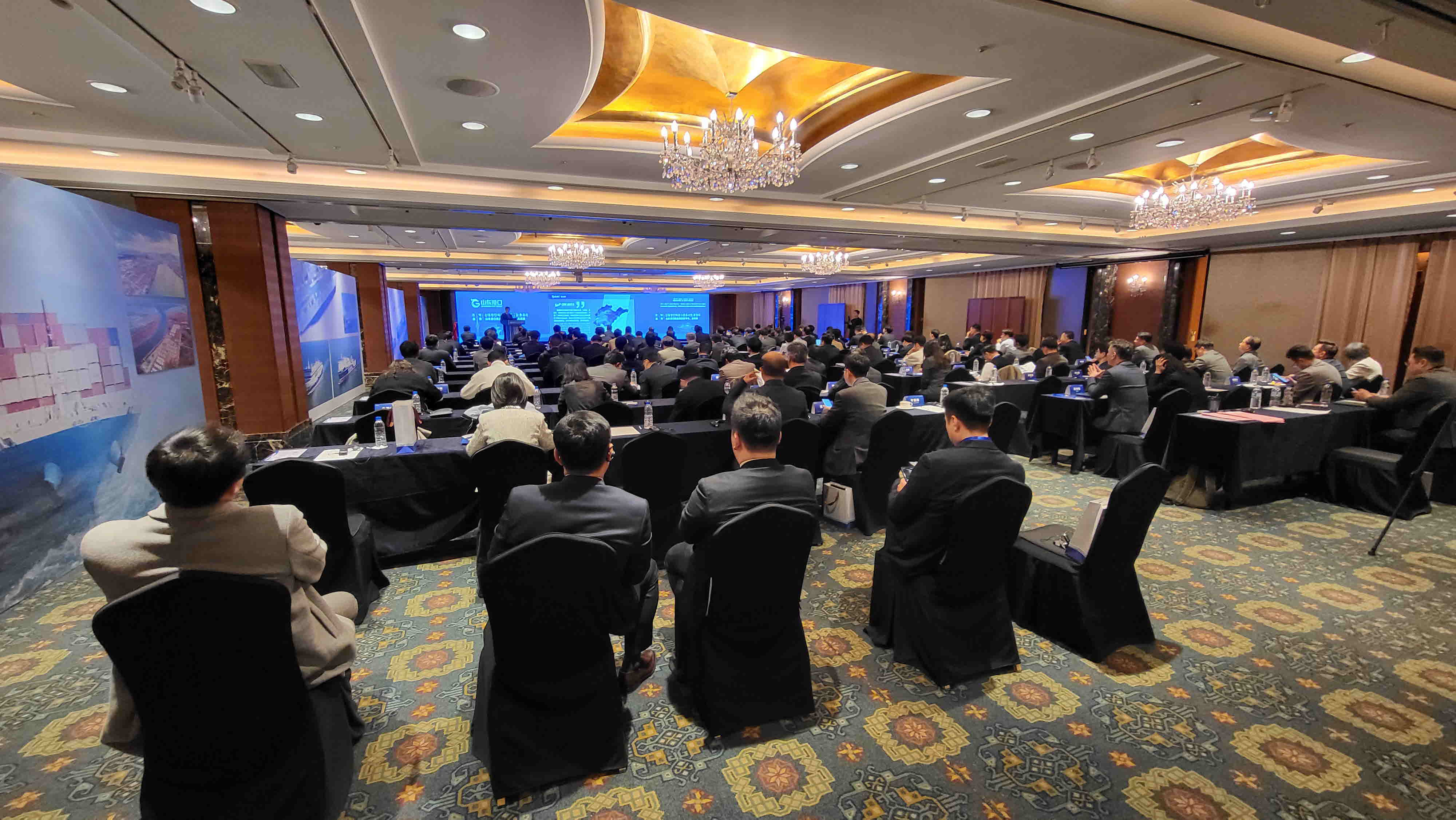
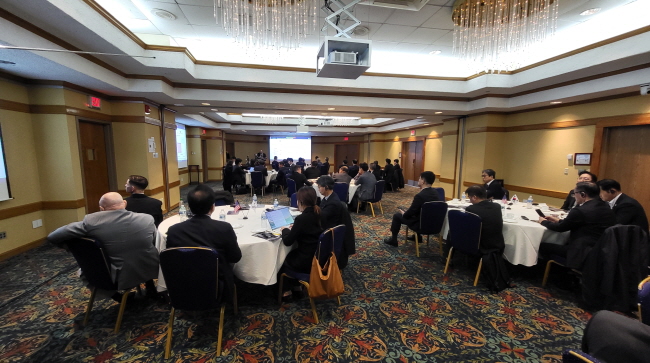
This case represents one of the seminars or forums discussing the industrial application of emerging technologies.
Technologies such as blockchain, digital finance, XR, and AI continue to converge across industries and shape new digital ecosystems.
→ View Emerging Technologies & Convergence Cases
https://universerb.com/en/11_en/37?page=41

About Our Case Archive
The case studies and project insights presented on this website are based on experience supporting international conferences, investor presentations, government forums, executive meetings, technical seminars, and multilingual corporate events.
To protect client confidentiality and comply with the Code of Professional Conduct followed by professional interpreters worldwide, certain project details have been generalized, anonymized, or adapted for educational purposes.
The purpose of these materials is to share practical insights into multilingual communication planning while respecting the confidentiality of every client and every project.
UNIVERSE RB
Designing Communication. Managing Risk. Delivering Understanding.