
Quotation


Performance
Security Policy Seminar Simultaneous Interpretation | National Security · Strategic Policy · Defense Governance Seminar – UNIVERSE RB
- 2025.09.09
This international security conference explores the evolving global security landscape, focusing on geopolitical risks, military and diplomatic strategies, cybersecurity, energy security, and international peacebuilding initiatives.
Key interpretation topics include global geopolitical risk assessment, Northeast Asian military and diplomatic strategies, cybersecurity and digital warfare threats, energy security and supply chain resilience, international military alliances and defense cooperation, arms control and non-proliferation, conflict prevention, peacebuilding, and global security policy.
Because international security discussions integrate geopolitics, diplomacy, defense, cybersecurity, energy policy, and international cooperation, professional interpretation is essential to accurately communicate strategic concepts, military and diplomatic terminology, policy frameworks, and security assessments while maintaining precision, neutrality, and contextual accuracy.
Emerging Technologies & Convergence
Category Description
This category covers interpretation cases related to emerging technologies and
digital convergence, including blockchain, Web3, fintech, XR, and AI-integrated
technologies.
UNIVERSE RB provides integrated services including:
Simultaneous interpretation Consecutive interpretation Technology conference interpretation Technical document translation QMS-based quality management operations
We support blockchain forums, Web3 seminars, and digital technology conferences with professional interpretation environments.
Executive Summary
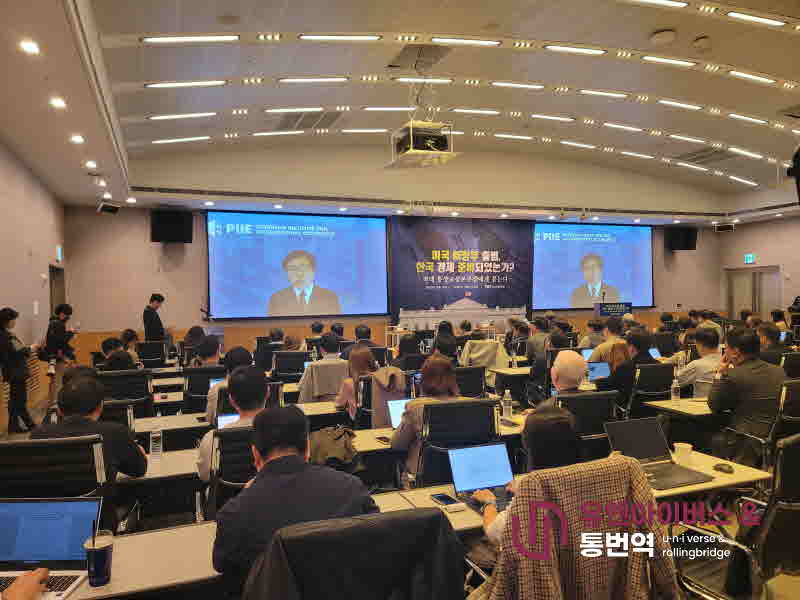
The Security Policy Seminar addressed national security strategy, military and diplomatic policy, cyber and energy security, and international defense cooperation in a high-sensitivity geopolitical environment.
-
Total Participants: 300+ defense officials, diplomats, scholars, policymakers
-
Specialized Terminology: 1,100+ military, diplomatic, cyber, and energy-security terms
-
AI Structural Support: 49% (terminology mapping, acronym alignment, treaty tracking)
-
Human Strategic Interpretation: 100% (diplomatic tone management, geopolitical sensitivity, precision delivery)
-
Policy / Military Terminology Error: 0 cases
-
QMS 9-Step Applied
Security-policy interpretation requires strategic neutrality, technical military literacy, and diplomatic balance.
Event Overview
The seminar covered:
-
Global security environment and geopolitical risks
-
Military and diplomatic strategies in Northeast Asia
-
Cybersecurity and digital warfare
-
Energy security and supply-chain resilience
-
International alliances and defense cooperation (e.g., NATO, ROK–U.S. Alliance)
-
Arms control and non-proliferation
-
Peacebuilding and conflict-prevention strategies
Participants included:
-
Defense ministry officials
-
Military officers and strategic planners
-
Diplomats and foreign-policy experts
-
Cybersecurity specialists
-
Energy-security analysts
This communication environment integrates military doctrine, diplomatic discourse, geopolitical analysis, and strategic cooperation simultaneously.
Interpretation Formats Delivered
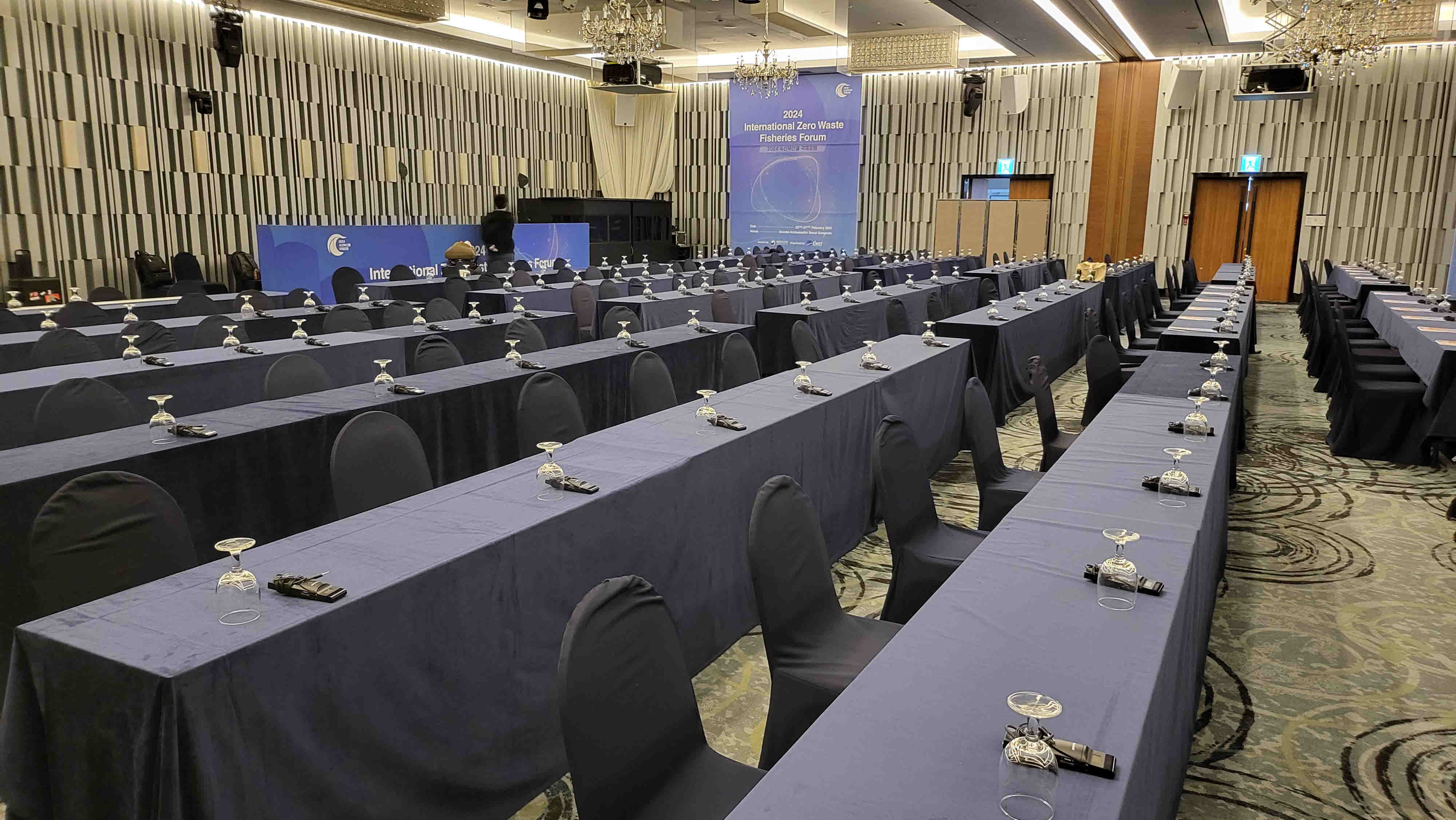
Simultaneous Interpretation
-
Keynote addresses
-
Policy briefings
-
International security forums
Consecutive Interpretation
-
Panel discussions
-
Q&A with defense officials
On-site / Practical Interpretation
-
Military cooperation meetings
-
Informal defense briefings
-
Research workshops
Why This Interpretation Was Complex
1) Military Doctrine Terminology
Deterrence, escalation dynamics, hybrid warfare, force posture.
2) Diplomatic Sensitivity
Neutral phrasing when referencing regional tensions.
3) Statistical & Operational Precision
Troop numbers, defense budgets, deployment figures.
4) Alliance & Treaty Language
Formal interpretation of agreements, MOUs, strategic frameworks.
5) Unscripted Political Statements
Panel discussions often include spontaneous remarks.
Misinterpretation may affect diplomatic relations or policy clarity.
AI + Human Interpretation Architecture
| Segment | AI Role | Human Expert Role | Ratio |
|---|---|---|---|
| Policy briefings | Acronym alignment | Diplomatic nuance | 70% Human |
| Military strategy sessions | Terminology clustering | Doctrine-level clarity | 100% Human |
| Cyber & energy security | Term mapping | Cross-domain explanation | 60% AI |
| Alliance discussions | Treaty reference tracking | Formal register delivery | 100% Human |
AI supports structural term consistency.
Human experts manage neutrality, geopolitical nuance, and high-level policy framing.
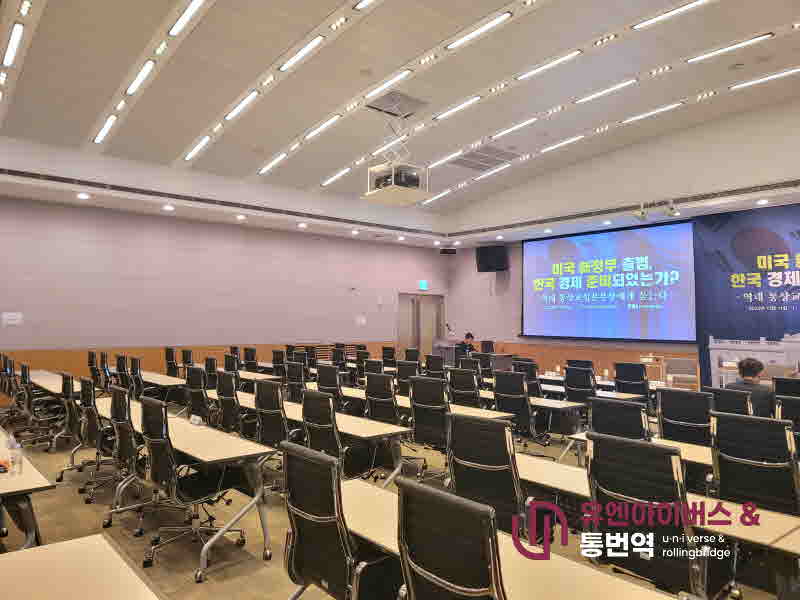
QMS 9-Step Application
-
Pre-event geopolitical and defense briefing review
-
Military & diplomatic glossary construction (1,100+ terms)
-
Sensitivity-risk mapping (regional tensions)
-
Diplomatic tone architecture design
-
Booth & security compliance verification
-
Real-time acronym monitoring
-
Numerical and deployment data validation
-
Post-session diplomatic clarity audit
-
Continuous improvement archive
Security-policy forums require clause-level treaty precision and strategic neutrality.
Actual Case Highlights
Seoul Defense Dialogue (SDD)
Simultaneous interpretation for international defense sessions.
Focus: Alliance terminology and force posture clarity.
NATO Partnership Forum
Alliance defense strategy discussions.
Focus: Collective defense, interoperability, and burden-sharing terminology.
International Cybersecurity Seminar
Government and private-sector cooperation.
Focus: Cyber deterrence and digital warfare phrasing.
Northeast Asia Security Cooperation Forum
Trilateral discussions involving Korea, China, and Japan.
Focus: Diplomatic neutrality and balanced tone.
Energy Security Conference
Global energy markets and geopolitical risk linkage.
Focus: Supply-chain stability and strategic resource management.
Key Terminology Alignment
-
Deterrence → 억지력
-
Arms Control → 군비 통제
-
Rules-based order → 규범 기반 국제 질서
-
Hybrid Warfare → 하이브리드 전쟁
-
Escalation Dynamics → 긴장 고조 역학
Terminology must be rendered formally and consistently.
Global Visibility Statement
UNIVERSE RB does not provide language services based solely on interpreter availability.
We design communication architecture based on geopolitical sensitivity, alliance exposure, policy visibility, and military-terminology precision.
AI supports structural preparation.
Human experts manage diplomatic neutrality, strategic clarity, and high-level policy discourse.
Quality is engineered.
FAQ
Why is security-policy interpretation highly sensitive?
Because discussions involve national defense, alliances, and geopolitical tensions.
Can AI-only interpretation manage military forums?
AI can align terminology but cannot independently manage diplomatic tone or geopolitical nuance.
How do you prepare for policy sensitivity?
We conduct geopolitical risk mapping and verify defense terminology in advance.
Is simultaneous interpretation essential?
Yes, particularly for plenary and alliance-level sessions.
Do you support treaty and defense-document translation?
Yes, including strategic frameworks, MOUs, and defense policy reports.
Pricing Determination Conditions
Pricing is determined by:
-
Language pair complexity
-
Military and security specialization depth
-
Geopolitical sensitivity level
-
Alliance and treaty exposure
-
Event duration
-
Onsite vs Secure-location format
-
Equipment tier (secure booth / restricted venue)
-
AI utilization ratio
-
Pre-analysis hours required (policy & intelligence review)
-
Government and media visibility level
Security-policy interpretation reflects diplomatic and strategic exposure—not duration alone.
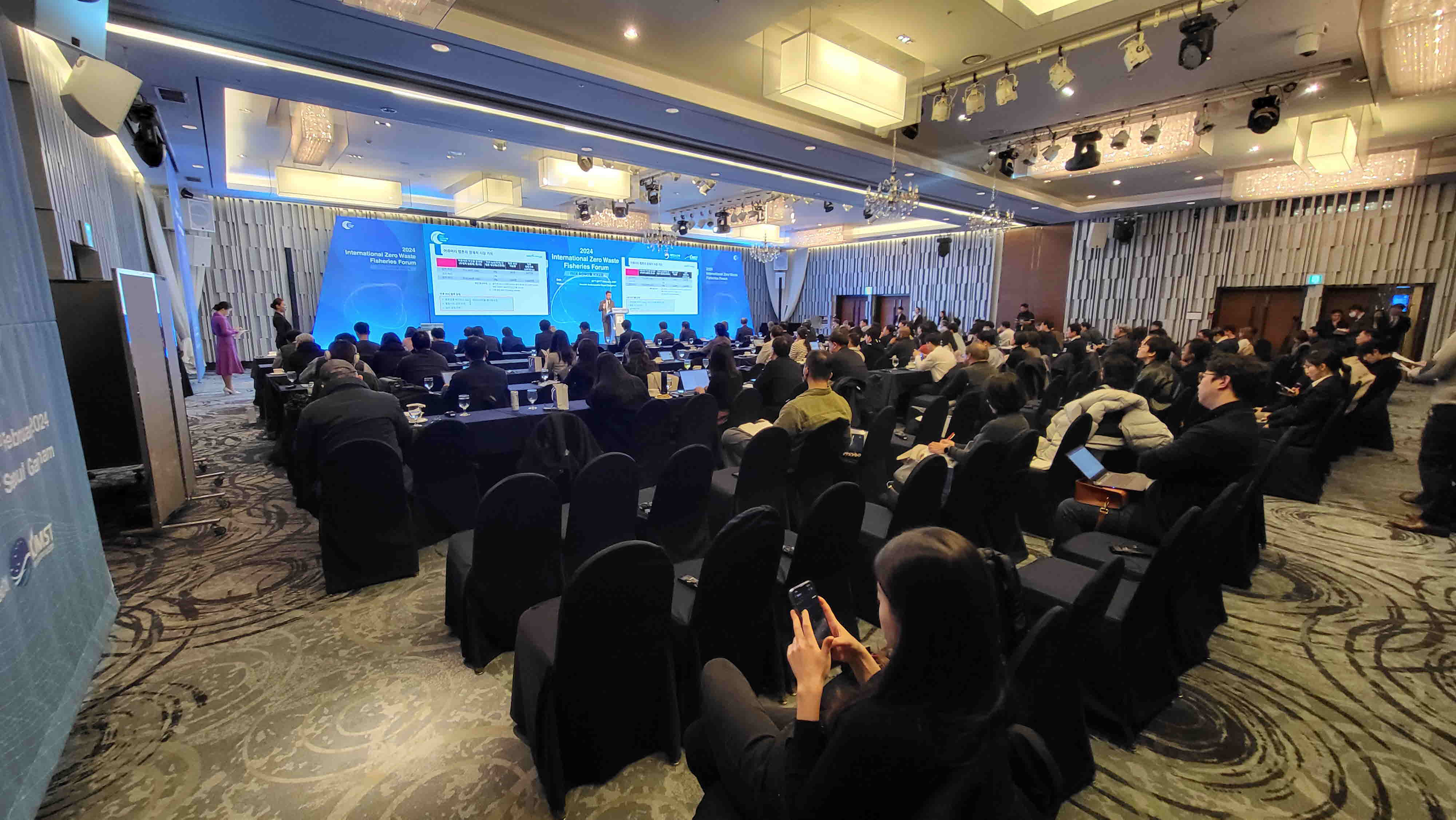
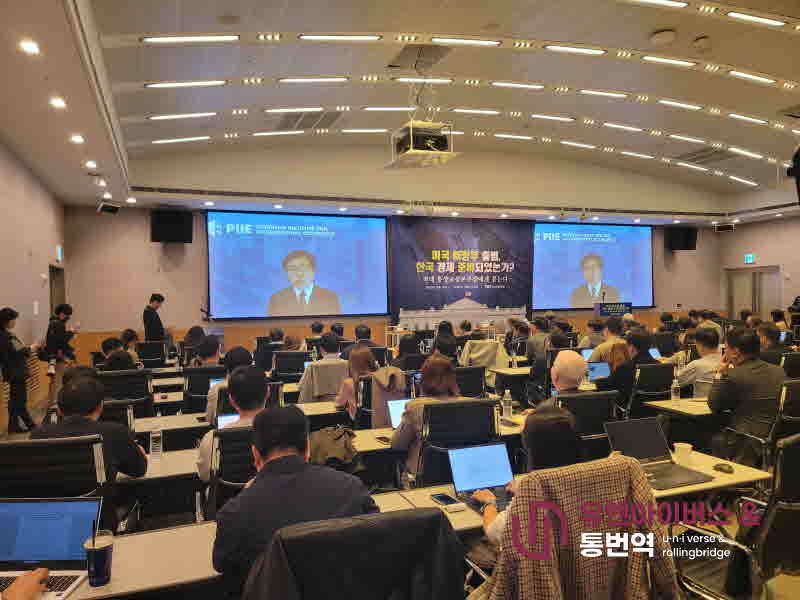
In large-scale international seminars, stable multilingual communication is achieved when interpretation systems, technical equipment, and interpreter operations are designed as an integrated architecture.
Closing Statement
In national-security environments, interpretation is not merely linguistic mediation.
It is diplomacy-sensitive, doctrine-accurate, strategically balanced communication architecture.
This
case represents one of the seminars or forums discussing the industrial
application of emerging technologies.
Technologies such as blockchain, digital finance, XR, and AI continue to
converge across industries and shape new digital ecosystems.
→ View Emerging Technologies & Convergence Cases
https://universerb.com/en/11_en/80?page=39

About Our Case Archive
The case studies and project insights presented on this website are based on experience supporting international conferences, investor presentations, government forums, executive meetings, technical seminars, and multilingual corporate events.
To protect client confidentiality and comply with the Code of Professional Conduct followed by professional interpreters worldwide, certain project details have been generalized, anonymized, or adapted for educational purposes.
The purpose of these materials is to share practical insights into multilingual communication planning while respecting the confidentiality of every client and every project.
UNIVERSE RB
Designing Communication. Managing Risk. Delivering Understanding.