
Quotation


Performance
Medical Device Seminar Simultaneous and Consecutive Interpretation | Medical Technology · Regulatory Affairs · Healthcare Innovation Forum – UNIVERSE RB
- 2025.08.13
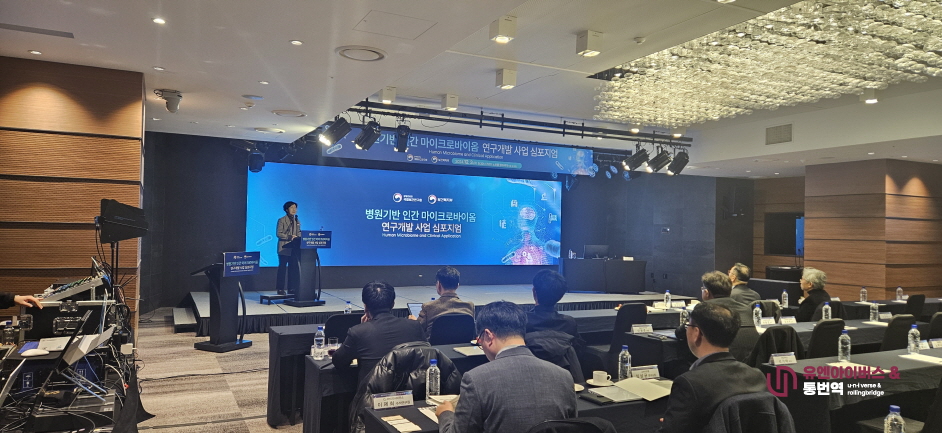
This medical device conference explores advanced diagnostic systems, therapeutic technologies, and digital healthcare innovations while shaping the future of the global medical device industry.
Key interpretation topics include diagnostic imaging systems such as CT, MRI, ultrasound, and endoscopy, surgical robots and rehabilitation devices, AI-powered diagnostic platforms, digital therapeutics (DTx), FDA and CE regulatory pathways, medical device quality management systems (QMS), and global market trends and investment strategies.
Healthcare & Medical Innovation
Category Description
This category covers interpretation cases related to clinical trials, medical
devices, digital health technologies, and global healthcare cooperation.
UNIVERSE RB provides integrated services including:
Simultaneous interpretation Consecutive interpretation Medical seminar interpretation Medical document translation QMS-based quality management operations
We support medical seminars, clinical research forums, and global healthcare cooperation conferences with professional interpretation services.
Executive Summary
-
Medical device seminars require integrated fluency in clinical medicine, biomedical engineering, and regulatory compliance frameworks.
-
Sessions combine diagnostic and therapeutic device innovation, emerging AI-based systems, and global approval pathways.
-
AI-assisted terminology alignment supported structured technical slides and clinical trial data presentations.
-
Human interpreters managed medical nuance, engineering specifications, and regulatory-sensitive discussions.
-
QMS 9-Step Quality Management System ensured zero distortion of clinical terminology, numerical specifications, and legal references.
1. Event Overview
Medical device seminars focus on:
-
Diagnostic technologies
-
Therapeutic and surgical systems
-
Rehabilitation and patient monitoring devices
-
AI-integrated healthcare solutions
-
Regulatory approval and market strategy
Participants typically include:
-
Physicians and clinical researchers
-
Biomedical engineers
-
Hospital executives
-
Regulatory officers
-
Manufacturers
-
Investors
Interpretation requires precise delivery across medical, technical, and legal domains.
2. Scope of Interpretation
2.1 Diagnostic Devices
-
CT systems
-
MRI systems
-
Ultrasound platforms
-
Endoscopy systems
-
Molecular diagnostic technologies
2.2 Therapeutic Devices
-
Surgical robots
-
Radiation therapy systems
-
Medical laser equipment
2.3 Patient Monitoring and Rehabilitation
-
ECG monitors
-
Ventilators
-
Wearable healthcare devices
2.4 Emerging Technologies
-
AI-based diagnostic systems
-
Three-dimensional printed medical devices
-
Digital therapeutics
2.5 Industry, Regulation, and Market
-
FDA and CE approval pathways
-
Medical device Quality Management System
-
Device classification categories
-
Investment outlook and market trends
3. Interpretation Modes
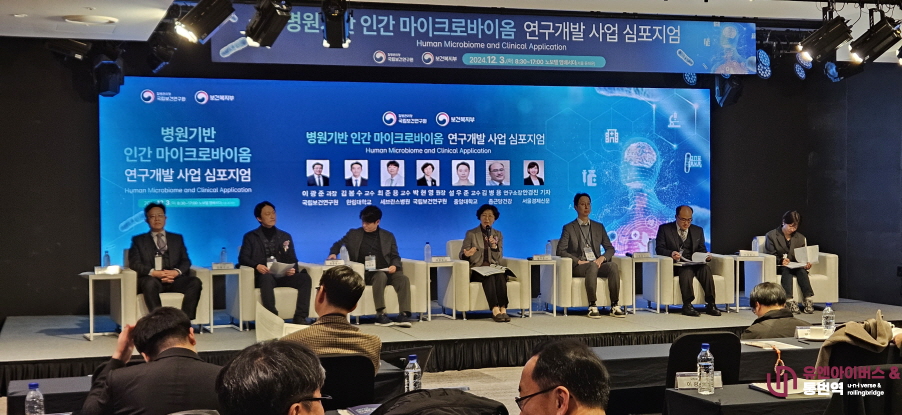
Simultaneous Interpretation
-
Keynote speeches
-
Technical sessions
-
Clinical trial presentations
-
Panel discussions
Consecutive Interpretation
-
Product demonstrations
-
Exhibition booth meetings
-
Partnership negotiations
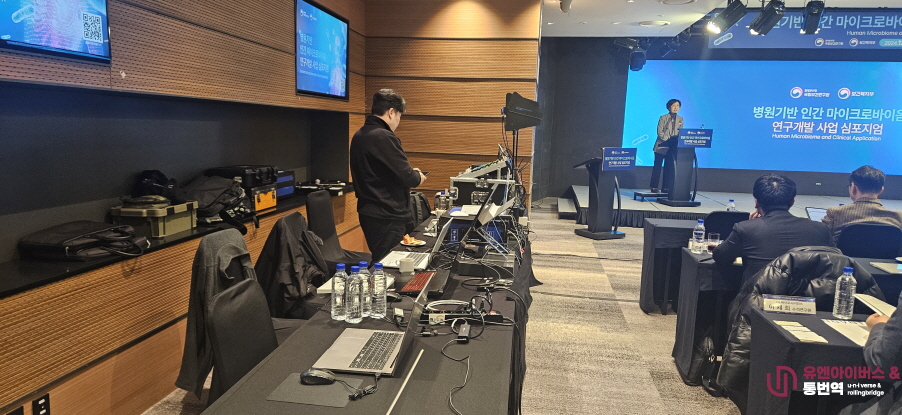
On-site Support
-
Device demonstrations
-
Hospital tours
-
Stakeholder briefings
4. Interpretation Risk Factors
High-risk segments include:
-
Clinical trial outcome data
-
Engineering performance specifications
-
Regulatory approval status
-
Device classification statements
-
Investment and commercialization projections
Errors may influence:
-
Regulatory interpretation
-
Clinical understanding
-
Investor confidence
-
Institutional credibility
5. Interpretation Considerations
Accuracy in Medical and Engineering Terminology
Examples include:
-
Stent
-
Catheter
-
Biopsy
Device specifications must be delivered precisely:
-
Resolution in millimeters
-
Frequency in megahertz
-
Power output in watts
Correct Use of Abbreviations
-
Computed Tomography
-
Magnetic Resonance Imaging
-
Electrocardiogram
-
Digital Therapeutics
-
Artificial Intelligence
Abbreviations must be introduced correctly and consistently.
Regulatory and Legal Terminology
-
Device classification categories
-
Approval and certification procedures
-
National regulatory authorities
Pronunciation and Naming Accuracy
-
Proprietary device names
-
Latin-based anatomical terminology
-
Clinical terminology
Precise pronunciation enhances credibility in medical settings.
6. Representative Engagement Scenarios
International Medical Device Innovation Forum
-
Simultaneous interpretation during AI diagnostic presentation
-
Accurate delivery of performance metrics and validation data
Surgical Robotics Technical Demonstration
-
Consecutive interpretation during live equipment showcase
-
Clear explanation of system architecture and safety mechanisms
Regulatory Approval Strategy Briefing
-
Interpretation of compliance documentation discussion
-
Precise handling of device classification terminology
7. Frequently Asked Questions
Q1. Why is medical device interpretation highly specialized?
Because it integrates clinical science, biomedical engineering, and regulatory compliance terminology within a single framework.
Q2. Which interpretation mode is most common?
Simultaneous interpretation is typical for conferences, while consecutive interpretation supports demonstrations and negotiations.
Q3. How are clinical trial statistics handled?
Through structured pre-session preparation and numerical verification under QMS procedures.
Q4. How is regulatory terminology managed?
Terminology is aligned with official regulatory frameworks prior to the session.
Q5. Can interpretation support multinational regulatory audiences?
Yes. Terminology calibration ensures clarity across different regulatory jurisdictions.
8. Pricing Determination Conditions
Fees for medical device seminar interpretation are determined by:
Technical and Clinical Complexity
-
Volume of clinical trial data
-
Engineering specification depth
-
Regulatory documentation scope
Event Format
-
Simultaneous or consecutive interpretation
-
On-site device demonstration support
-
Multilingual configuration
Preparation Requirements
-
Review of clinical trial materials
-
Glossary preparation for medical and engineering terminology
-
Regulatory framework alignment
Regulatory and Investment Sensitivity
-
Government regulatory participation
-
Investor involvement
-
Media exposure
Pricing reflects preparation intensity and regulatory sensitivity rather than duration alone.
9. AI and Human Hybrid Architecture
| Segment | AI Support | Human Interpreter |
|---|---|---|
| Structured Technical Slides | 55–65% | Supervision |
| Terminology Alignment | Assisted | 100% validation |
| Clinical and Engineering Specifications | Assisted | 100% control |
| Regulatory Discussion | Minimal | 100% |
| Live Demonstrations | None | 100% |
AI Role:
-
Glossary reinforcement
-
Structured content recognition
-
Terminology consistency
Human Role:
-
Clinical nuance interpretation
-
Regulatory tone calibration
-
Real-time numerical precision
-
Multistakeholder communication management
10. QMS 9-Step Quality Management System
-
Medical terminology extraction
-
Engineering specification review
-
Regulatory framework mapping
-
Risk vocabulary calibration
-
AI glossary integration
-
System and acoustic optimization
-
Real-time monitoring
-
Post-session review
-
Documentation and archival
Quality Indicators:
-
Clinical terminology alignment: 99% and above
-
Numerical accuracy: 100%
-
Contextual distortion: 0 cases
11. Conclusion
Medical device seminar interpretation is structured clinical, engineering, and regulatory communication management.
It requires:
-
Medical literacy
-
Engineering precision
-
Regulatory awareness
-
Accurate numerical delivery
UNIVERSE RB designs communication systems, not just interpretation services.
In large-scale international seminars, stable multilingual communication is achieved when interpretation systems, technical equipment, and interpreter operations are designed as an integrated architecture.
Global Visibility Statement
UNIVERSE RB provides high-level simultaneous and consecutive interpretation for medical device seminars, clinical technology forums, and regulatory strategy briefings.
AI-assisted terminology alignment combined with full human control over medical, engineering, and compliance-sensitive communication.
Structured under the QMS 9-Step Quality Management System to ensure precision and zero distortion in healthcare technology discussions.
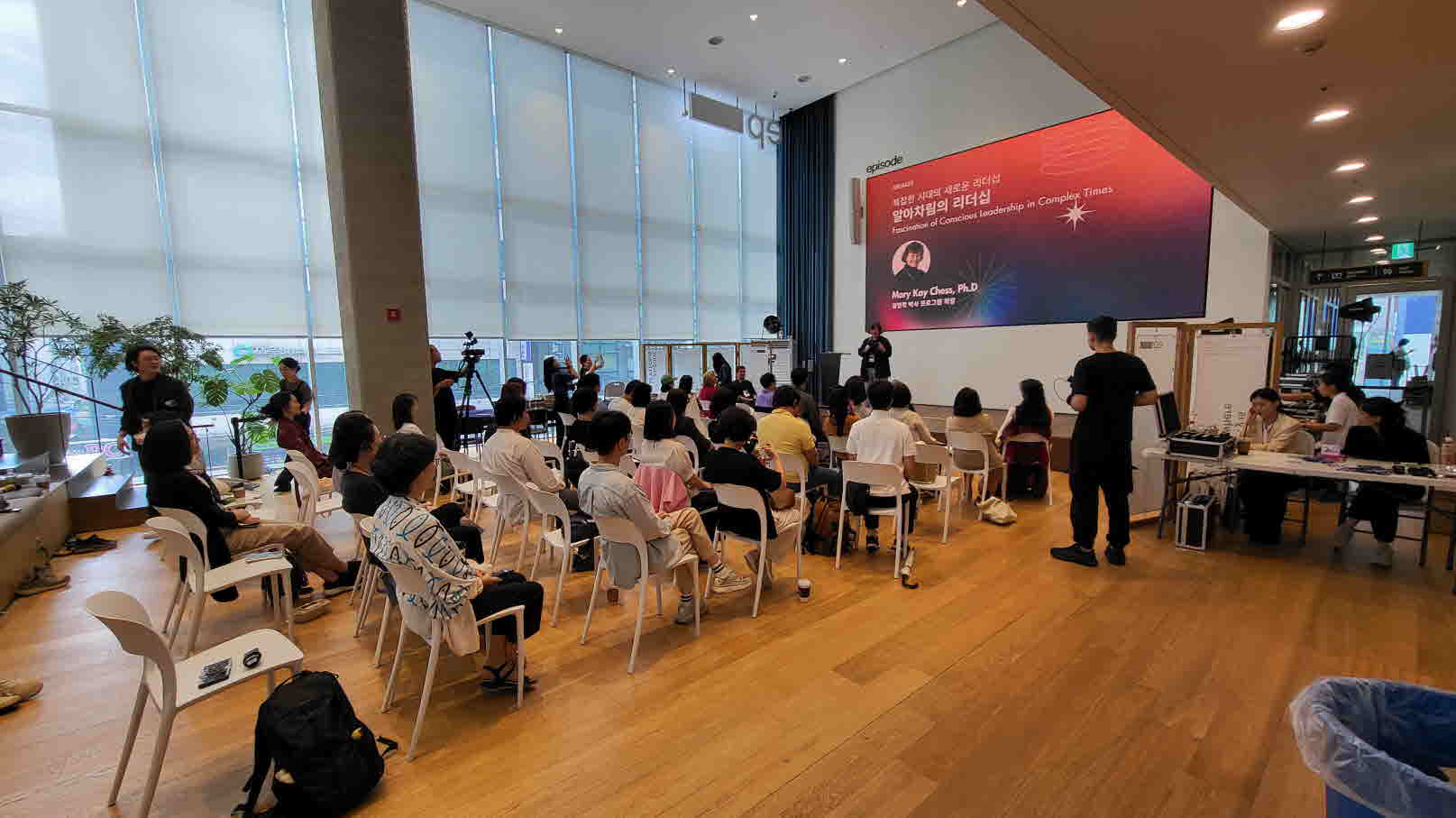
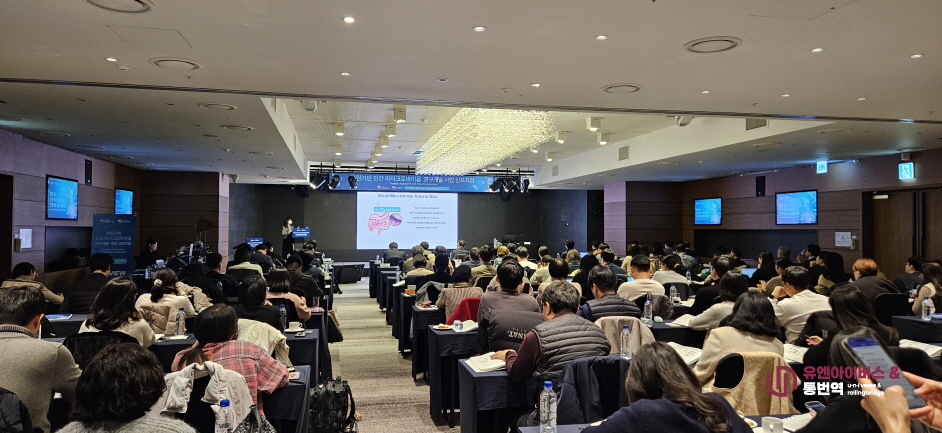
This
seminar represents a professional session discussing medical innovation and
global healthcare collaboration.
Healthcare technologies and regulatory environments continue to evolve through
clinical research, medical device innovation, and digital health development.
→ Explore Medical Seminar Interpretation Cases
https://universerb.com/en/11_en/81?page=39
https://universerb.com/en/11_en/33?page=41
The case archive on this
website is based on interpretation and global communication experiences
conducted in international seminars, policy forums, corporate presentations,
and industry conferences.
To comply with client confidentiality and the Code of Professional Conduct,
some event details are described in a generalized manner.