
Quotation


Performance
Display Technology Conference Simultaneous and Consecutive Interpretation | OLED Display · Semiconductor Materials · Advanced Display Industry Forum – UNIVERSE RB
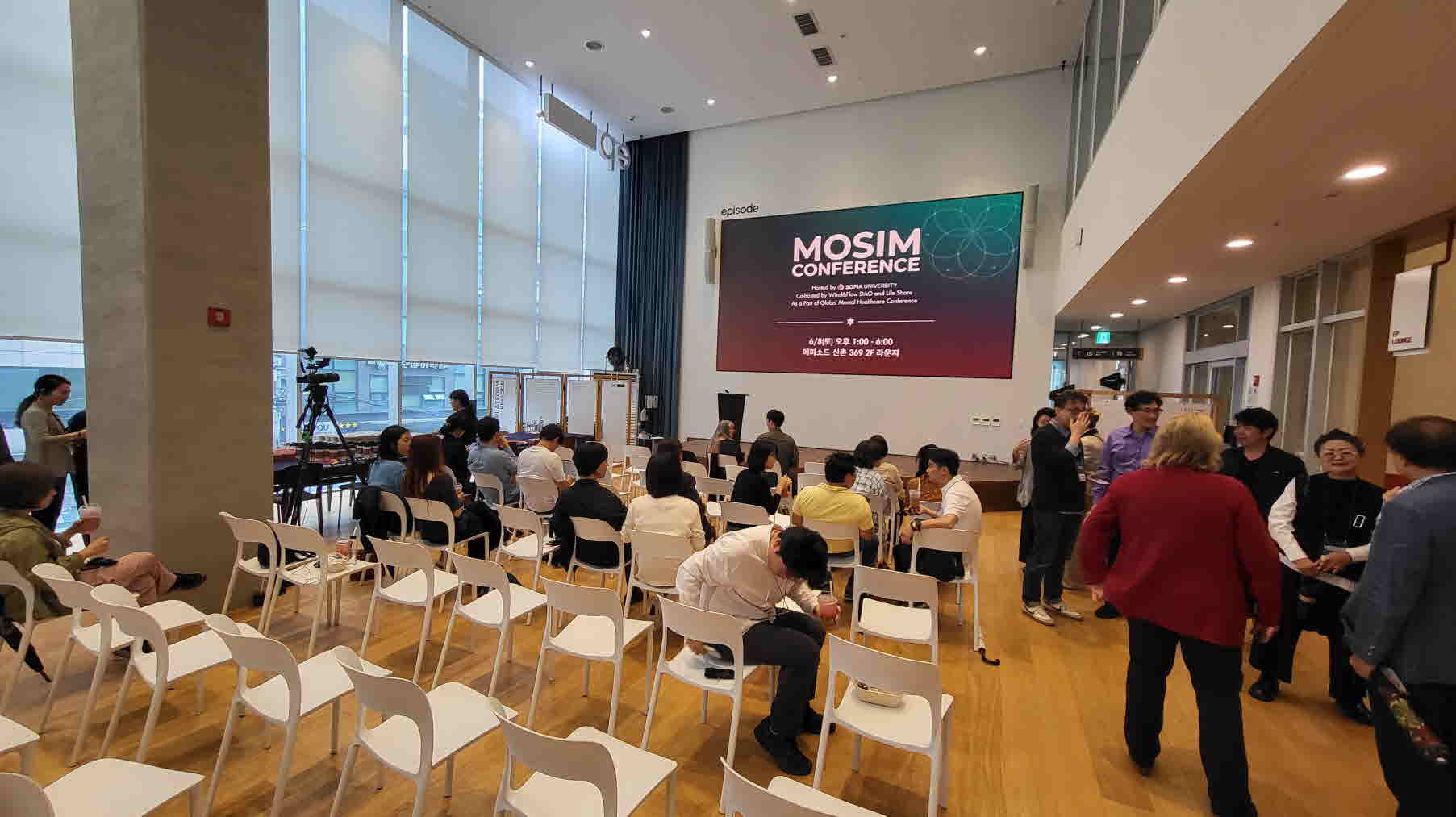
- 2025.08.13
This display technology conference explores next-generation display innovations, advanced manufacturing technologies, and global market strategies shaping the future of the display industry.
Key interpretation topics include emissive materials, TFT technologies, display manufacturing processes, optical performance improvements, global market and supply chain trends, intellectual property strategies, investment plans, and display applications for smartphones, automotive systems, wearables, and XR devices.
Because the display industry integrates materials science, semiconductor manufacturing, optics, and global business strategy, professional interpretation is essential to accurately communicate technical concepts, manufacturing processes, market intelligence, and investment strategies.
Advanced Manufacturing & Industrial Systems
Category Description
This category covers interpretation cases related to smart manufacturing,
industrial automation, supply chain management, and ESG-driven production
strategies.
UNIVERSE RB provides integrated services including:
Simultaneous interpretation Consecutive interpretation Industrial technology seminar interpretation Technical document translation QMS-based quality management operationsWe support smart manufacturing seminars, industrial technology forums, and manufacturing innovation conferences.

Executive Summary
-
Display technology conferences require interdisciplinary fluency in optics, electronics, materials science, and industrial market strategy.
-
Sessions integrate next-generation panel innovation, advanced manufacturing processes, and global market outlook discussions.
-
AI-assisted terminology alignment supported structured technical presentations and specification-heavy briefings.
-
Human interpreters managed complex device architecture explanations, numerical precision, and high-speed technical dialogue.
-
QMS 9-Step Quality Management System ensured zero distortion of technical specifications, abbreviations, and business terminology.
1. Event Overview
Display technology conferences address next-generation panel innovations including:
-
OLED
-
QLED
-
MicroLED
-
LCD
-
E-paper
-
AR and VR displays
-
Flexible and transparent panels
Participants include:
-
Panel manufacturers
-
Component and materials suppliers
-
Equipment companies
-
Academic researchers
-
Investors
-
Media representatives
The conference integrates scientific research, industrial manufacturing, and commercial strategy.
2. Scope of Interpretation
2.1 Technical Sessions
-
Emissive materials
-
Thin-film transistors
-
Polarizer films
-
Resolution and contrast optimization
-
Color reproduction enhancement
-
Power efficiency and thermal management
-
Deposition, printing, encapsulation, and patterning processes
2.2 Business and Market Sessions
-
Global display market outlook
-
Supply chain and raw material trends
-
Patent and intellectual property strategies
-
Investment and competitive positioning
2.3 Application Areas
-
Smartphones and televisions
-
Automotive displays
-
Wearables
-
XR, AR, and VR devices

3. Interpretation Modes
Simultaneous Interpretation
-
Technical seminars
-
Keynote addresses
-
Panel discussions
Consecutive Interpretation
-
Networking meetings
-
Press briefings
-
Business negotiations
On-site Support
-
Exhibition booth explanations
-
Product demonstrations
-
Technology walkthroughs
4. Interpretation Considerations
Mastery of Specialized Terminology
Examples include:
-
Pixel pitch
-
Luminance
-
Refresh rate
-
Color gamut
-
Sub-pixel architecture
Abbreviations must be delivered accurately:
-
QD
-
OLED
-
HDR
-
LTPO
-
TFE
Accuracy in Units and Specifications
Precise handling of:
-
Nits
-
Candela per square meter
-
Nanometer
-
Hertz
-
Dots per inch
-
Percentage NTSC or DCI-P3 coverage
Even minor numerical errors can impact technical credibility.
Technology Trend Awareness
-
Review of recent academic papers
-
Industry analysis reports
-
Optical layer structures
-
Thin-film stack configurations
-
Device architecture diagrams
Visual-Aid Interpretation
Ability to interpret in real time:
-
Graphs
-
Circuit diagrams
-
Optical layer schematics
-
Process flow charts
5. Interpretation Risk Factors
High-risk segments include:
-
Performance metrics
-
Optical and electrical specifications
-
Manufacturing yield percentages
-
Patent-related statements
-
Investment projections
Errors may influence:
-
Industrial negotiations
-
Investor confidence
-
Technical collaboration
-
Media reporting
6. Representative Engagement Scenarios
Global OLED Innovation Forum
-
Simultaneous interpretation during emissive material presentation
-
Accurate rendering of thin-film stack specifications
MicroLED Technology Summit
-
Interpretation of device architecture and pixel structure
-
Precise handling of luminance and efficiency metrics
International Display Market Strategy Conference
-
Consecutive interpretation during supply chain and IP discussion
-
Balanced handling of competitive positioning dialogue
7. Frequently Asked Questions
Q1. Why is display technology interpretation specialized?
Because it integrates materials science, semiconductor engineering, optical physics, and global market strategy within one platform.
Q2. Which interpretation mode is most common?
Simultaneous interpretation is typical for technical sessions, while consecutive interpretation supports negotiations and networking.
Q3. How are technical diagrams interpreted in real time?
Through prior review of presentation materials and structural understanding of device architecture.
Q4. How is numerical precision maintained?
Through disciplined terminology preparation and QMS-based validation procedures.
Q5. Can interpretation support multinational engineering teams?
Yes. Terminology alignment and contextual calibration ensure clarity across global stakeholders.
8. Pricing Determination Conditions
Fees for display technology conference interpretation are determined by:
Technical Complexity
-
Depth of optical and semiconductor content
-
Volume of numerical specifications
-
Integration of manufacturing process discussion
Event Format
-
Simultaneous or consecutive interpretation
-
Exhibition and on-site support
-
Multilingual configuration
Preparation Requirements
-
Review of technical slide decks
-
Glossary preparation for display terminology
-
Architecture and specification alignment
Commercial Sensitivity
-
Patent and IP discussion
-
Investor participation
-
Global market positioning
Pricing reflects preparation intensity and technical specialization rather than duration alone.
9. AI and Human Hybrid Architecture
| Segment | AI Support | Human Interpreter |
|---|---|---|
| Structured Technical Slides | 55–65% | Supervision |
| Terminology Alignment | Assisted | 100% validation |
| Numerical and Specification Control | Assisted | 100% |
| Device Architecture Explanation | Minimal | 100% |
| Live Q and A | None | 100% |
AI Role:
-
Glossary reinforcement
-
Abbreviation consistency
-
Structured content recognition
Human Role:
-
Optical and device nuance interpretation
-
Real-time diagram explanation
-
Investment tone calibration
-
Multistakeholder communication management
10. QMS 9-Step Quality Management System
-
Display terminology extraction
-
Device architecture review
-
Unit and specification mapping
-
IP vocabulary validation
-
AI glossary integration
-
System and acoustic optimization
-
Real-time monitoring
-
Post-session review
-
Documentation and archival
Quality Indicators:
-
Terminology alignment: 99% and above
-
Numerical accuracy: 100%
-
Contextual distortion: 0 cases
11. Conclusion
Display technology conference interpretation is structured scientific, industrial, and investment communication management.
It requires:
-
Optical and semiconductor literacy
-
Precision in numerical specifications
-
IP awareness
-
Real-time visual interpretation capability
UNIVERSE RB designs communication systems, not just interpretation services.
In large-scale international seminars, stable multilingual communication is achieved when interpretation systems, technical equipment, and interpreter operations are designed as an integrated architecture.
lobal Visibility Statement
UNIVERSE RB provides high-level simultaneous and consecutive interpretation for display technology conferences, panel innovation forums, and global electronics industry summits.
AI-assisted terminology alignment combined with full human control over optical, semiconductor, and IP-sensitive communication.
Structured under the QMS 9-Step Quality Management System to ensure precision and zero distortion in advanced display discussions.
This
case represents one of the seminars discussing manufacturing innovation and
evolving industrial production systems.
Manufacturing industries continue to develop through smart factories,
data-driven operations, and automation technologies.
→ View Advanced Manufacturing & Industrial Systems Cases
https://universerb.com/en/11_en/344?page=39
The case archive on this
website is based on interpretation and global communication experiences
conducted in international seminars, policy forums, corporate presentations,
and industry conferences.
To comply with client confidentiality and the Code of Professional Conduct,
some event details are described in a generalized manner.