
Quotation


Performance
AI Technology Conference Simultaneous and Consecutive Interpretation | Artificial Intelligence · Machine Learning · Data Governance Forum – UNIVERSE RB
- 2025.08.04
AI & Digital Transformation
Category Description
This category covers interpretation cases related to AI adoption, industrial
automation, data-driven decision-making, and digital transformation
technologies.
UNIVERSE RB provides integrated services including:
Simultaneous interpretation Consecutive interpretation Technical seminar interpretation AI-assisted caption support QMS-based quality management operations
We support technology seminars, industry forums, and digital innovation conferences with stable and professional interpretation environments.
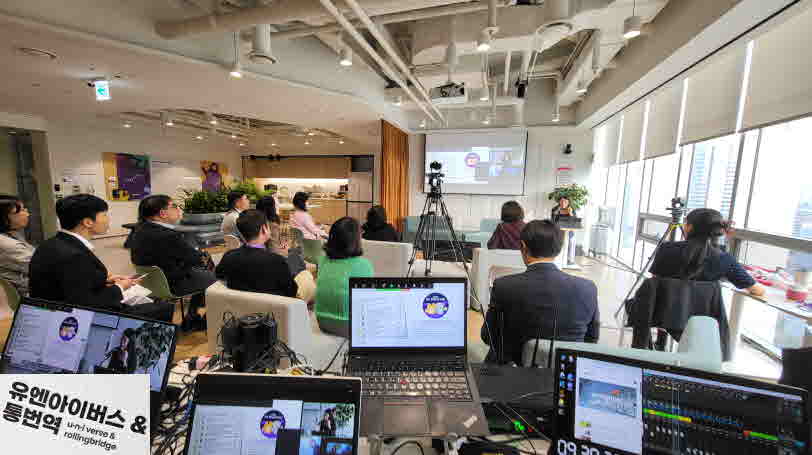
Executive Summary
-
AI technology conferences require advanced fluency in machine learning, data science, algorithmic systems, and AI governance.
-
Sessions integrate research breakthroughs, industrial deployment, ethics, and regulatory frameworks.
-
AI-assisted terminology alignment supported structured research presentations and policy briefings.
-
Human interpreters managed complex algorithm explanations, high-speed discussions, and ethics-sensitive exchanges.
-
QMS 9-Step Quality Management System ensured zero distortion of technical terminology, model architecture concepts, and policy nuance.
1. Event Overview
AI technology conferences bring together:
-
Academic researchers
-
Industry engineers
-
Technology startups
-
Government policymakers
-
Corporate innovation leaders
Events cover:
-
Foundational AI research
-
Applied industry solutions
-
Ethical and regulatory discussions
-
Emerging global AI governance frameworks
Interpretation was provided across keynote speeches, technical sessions, live demonstrations, policy briefings, and interactive question and answer panels.
2. Key Interpretation Areas
2.1 Machine Learning and Deep Learning
-
Neural network architectures
-
Model training methodologies
-
Optimization techniques
-
Evaluation metrics
2.2 Natural Language Processing and Generative AI
-
Transformer models
-
Large Language Models
-
Prompt engineering
-
Model fine-tuning
2.3 AI Ethics and Governance
-
Algorithmic bias
-
Data privacy frameworks
-
Responsible AI deployment
-
Regulatory compliance
2.4 Industry Applications
-
Healthcare diagnostics
-
Financial risk modeling
-
Autonomous driving systems
-
Robotics and automation
2.5 AI Policy and Regulation
-
National AI strategies
-
International coordination
-
Data governance models
-
Digital sovereignty issues
2.6 Human and AI Collaboration
-
Future of work transformation
-
Human-in-the-loop systems
-
Decision augmentation models
3. Interpretation Modes
Simultaneous Interpretation
-
International academic conferences
-
Industrial innovation forums
-
Policy summits
Consecutive Interpretation
-
Research presentations
-
Panel discussions
-
Workshops
Technical Demonstration Interpretation
-
Real-time system demos
-
Prototype showcases
-
Startup product pitches
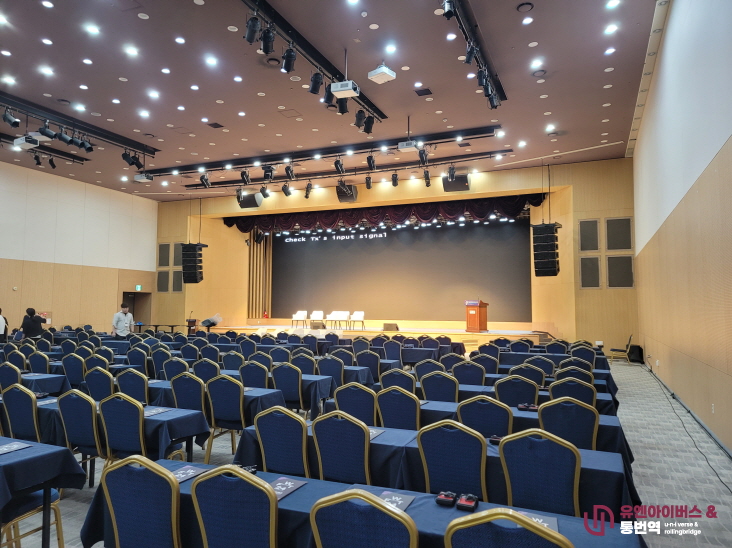
4. Required Competencies
-
Comprehensive understanding of AI technologies and trends
-
Ability to interpret mathematical and algorithmic concepts clearly
-
Mastery of technical terminology and acronyms
-
Visual literacy for equations, charts, and model diagrams
-
Adaptability to diverse accents and high-speed technical speech
-
Neutral tone during ethics and governance discussions
5. Interpretation Risk Factors
High-risk segments include:
-
Mathematical formulas and evaluation metrics
-
Model architecture descriptions
-
Regulatory and compliance terminology
-
Ethical controversy discussions
-
Investment-related performance data
Errors may influence:
-
Research interpretation
-
Investor confidence
-
Policy understanding
-
Institutional credibility
6. Representative Experience
Global AI Academic Conferences
-
Interpretation for international AI research forums
-
Accurate rendering of model architecture and algorithmic methodology
AI Industry Expos and Startup Demonstrations
-
Real-time interpretation during live product demonstrations
-
Clear explanation of system workflows and innovation roadmap
Government AI Policy Briefings
-
Precise delivery of regulatory framework terminology
-
Neutral handling of digital governance discussions
University and Research Institute Presentations
-
Consecutive interpretation during academic project briefings
-
Accurate interpretation of data analysis and statistical reporting
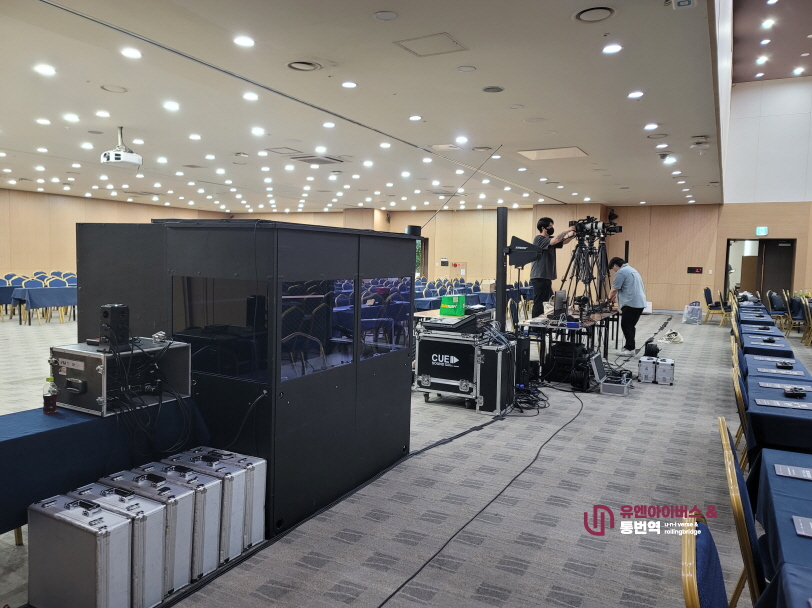
7. Frequently Asked Questions
Q1. Why is AI conference interpretation highly specialized?
Because it requires fluency in advanced technical terminology, mathematical logic, and regulatory policy simultaneously.
Q2. Which interpretation mode is most common?
Simultaneous interpretation is common for large-scale conferences, while consecutive interpretation supports research discussions and workshops.
Q3. How are complex formulas handled?
Through pre-session slide review and contextual preparation rather than literal on-the-spot translation.
Q4. How is neutrality maintained in ethics discussions?
By preserving the speaker’s original tone without amplification or dilution of controversial viewpoints.
Q5. How is terminology consistency ensured?
Through structured glossary alignment under QMS procedures prior to the event.
8. Pricing Determination Conditions
Fees for AI technology conference interpretation are determined by:
Technical Complexity
-
Depth of algorithmic and mathematical content
-
Volume of technical terminology
-
Presence of live demonstrations
Event Format
-
Simultaneous or consecutive interpretation
-
Hybrid or in-person configuration
-
Multilingual requirements
Preparation Requirements
-
Review of research papers and slide decks
-
Glossary preparation for models and frameworks
-
Regulatory and ethics terminology alignment
Stakeholder Sensitivity
-
Government involvement
-
Media coverage
-
Investor presence
Pricing reflects preparation intensity and technological specialization.

9. AI and Human Hybrid Architecture
| Segment | AI Support | Human Interpreter |
|---|---|---|
| Structured Technical Slides | 55–65% | Supervision |
| Terminology Alignment | Assisted | 100% validation |
| Mathematical and Model Concepts | Assisted | 100% control |
| Ethics and Policy Discussion | Minimal | 100% |
| Live Question and Answer | None | 100% |
AI Role:
-
Terminology consistency
-
Structured slide recognition
-
Glossary reinforcement
Human Role:
-
Algorithmic nuance interpretation
-
Ethical tone calibration
-
Real-time contextual judgment
-
Multistakeholder communication management
10. QMS 9-Step Quality Management System
-
AI terminology extraction
-
Research paper review
-
Mathematical concept mapping
-
Risk vocabulary calibration
-
AI glossary integration
-
System and acoustic optimization
-
Real-time monitoring
-
Post-session review
-
Documentation and archival
Quality Indicators:
-
Technical terminology alignment: 99% and above
-
Numerical accuracy: 100%
-
Contextual distortion: 0 cases
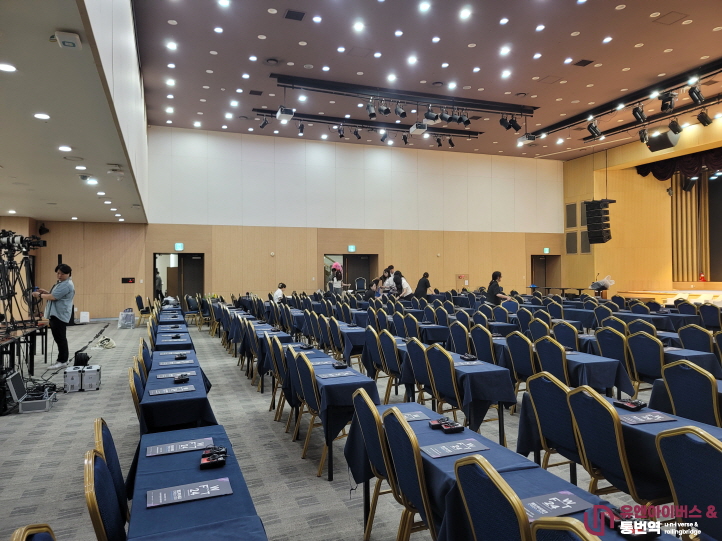
11. Conclusion
AI technology conference interpretation is structured technical and governance communication management.
It requires:
-
Advanced AI literacy
-
Mathematical comprehension
-
Regulatory awareness
-
Precision under high-speed conditions
UNIVERSE RB designs communication systems, not just interpretation services.
In large-scale international seminars, stable multilingual communication is achieved when interpretation systems, technical equipment, and interpreter operations are designed as an integrated architecture.
Global Visibility Statement
UNIVERSE RB provides high-level simultaneous and consecutive interpretation for AI technology conferences, academic forums, and digital policy summits.
AI-assisted terminology alignment combined with full human control over algorithmic, regulatory, and ethics-sensitive communication.
Structured under the QMS 9-Step Quality Management System to ensure precision and zero distortion in advanced AI discussions.
This
case represents one of the seminars or forums discussing the industrial
application of AI technologies.
AI technologies continue to expand across manufacturing, data analytics, and
automation systems through real-world implementation.
→ View AI & Digital Transformation Cases
https://universerb.com/en/11_en/86?page=39

The case archive on this website is based on interpretation and global communication experiences conducted in international seminars, policy forums, corporate presentations, and industry conferences.
To comply with client confidentiality and the Code of Professional Conduct, some event details are described in a generalized manner.