
Quotation


Performance
Smart Grid Technology and Energy Management Innovation Seminar Simultaneous Interpretation | Smart Grid Infrastructure · Energy Management Systems · Energy Policy Innovation Forum – UNIVERSE RB
- 2025.08.04
AI & Digital Transformation
Category Description
This category covers interpretation cases related to AI adoption, industrial
automation, data-driven decision-making, and digital transformation
technologies.
UNIVERSE RB provides integrated services including:
Simultaneous interpretation Consecutive interpretation Technical seminar interpretation AI-assisted caption support QMS-based quality management operations
We support technology seminars, industry forums, and digital innovation conferences with stable and professional interpretation environments.
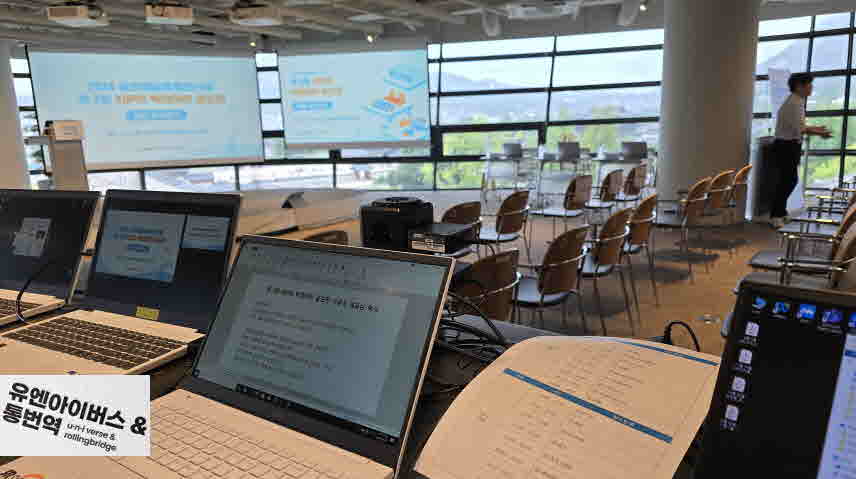
Executive Summary
The Smart Grid Technology and Energy Management Innovation Seminar is a high level technical and policy forum where government agencies, energy corporations, research institutions and industry stakeholders discuss next generation power systems and energy transition strategies.
This seminar addressed:
-
Power IT infrastructure
-
Renewable energy integration
-
Energy Storage Systems ESS
-
Smart metering technologies
-
Grid optimization frameworks
-
Policy and regulatory alignment
AI assisted terminology alignment supported structured technical presentations, while human interpreters maintained full control over system level explanations, regulatory nuance and real time expert discussions.
All sessions were conducted under the QMS 9 Step Quality Management System to ensure precision and zero technical distortion.
1. Event Overview
This international seminar brought together:
-
Government energy departments
-
National power utilities
-
Renewable energy developers
-
Grid operators
-
Research institutes
-
Energy technology providers
English Korean simultaneous interpretation was provided for:
-
Keynote technical presentations
-
Policy briefings
-
Panel discussions
-
Real time Q and A sessions
Given the complexity of power system architecture and regulatory language, contextual and terminological accuracy was essential.
Smart grids represent the next generation of electricity networks that integrate ICT Information and Communication Technology to optimize generation transmission distribution and consumption.
2. Key Interpretation Topics
2.1 Smart Grid Architecture
-
Digital transformation of generation and transmission systems
-
Advanced distribution automation
-
Real time grid monitoring
2.2 Renewable Energy Integration
-
Solar and wind power grid connection
-
Variability management strategies
-
Distributed energy resources
2.3 Energy Storage Systems ESS
-
Battery storage technologies
-
Peak load management
-
Grid stabilization frameworks
2.4 Power IT and Data Analytics
-
Smart metering systems
-
Big data driven demand forecasting
-
AI based grid optimization
2.5 Policy and Regulatory Trends
-
Energy transition frameworks
-
Carbon neutrality targets
-
Efficiency standards and compliance
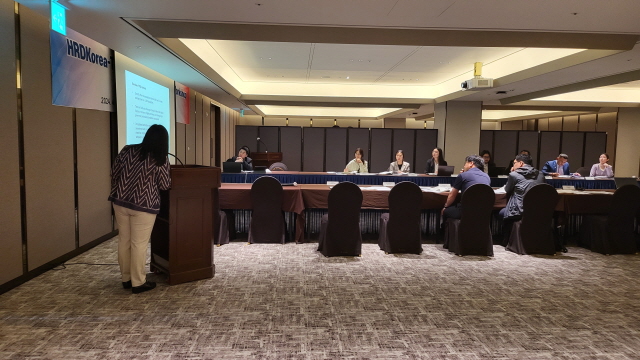
3. Case Examples
Case 1 Smart Grid Innovation Seminar 2024
Simultaneous interpretation during a national smart grid innovation conference.
Delivered accurate rendering of grid optimization metrics and power IT terminology.
Outcome 100 percent numerical accuracy and zero terminology distortion.
Case 2 International Energy Efficiency Forum
Interpretation support for a smart grid focused energy efficiency session involving policymakers and engineers.
Managed high speed technical discussion with clarity and structural consistency.
Outcome seamless communication across technical and policy stakeholders.
Case 3 Renewable Energy Integration Technology Workshop
Interpretation during a workshop on distributed energy and storage integration.
Delivered precise terminology for grid stability and storage capacity metrics.
Outcome zero contextual misalignment during live Q and A session.
4. Frequently Asked Questions FAQ
Q1 Why is smart grid interpretation considered technically demanding
Because it requires understanding of both electrical engineering concepts and regulatory frameworks.
Q2 Is simultaneous interpretation preferred for energy seminars
Yes simultaneous interpretation ensures uninterrupted delivery of technical presentations while consecutive interpretation may be used for small group discussions.
Q3 How are technical abbreviations such as ESS or ICT managed
Through prior glossary preparation and structured terminology validation under QMS procedures.
Q4 Can interpretation support real time demonstrations and data heavy presentations
Yes interpreters are trained to manage numerical metrics and system diagrams with precision.
Q5 How is neutrality maintained in policy discussions
Interpretation is delivered with strategic neutrality without altering regulatory or institutional intent.
5. Pricing Determination Conditions
Fees for smart grid and energy management interpretation are determined by:
1 Technical Complexity
-
Volume of engineering terminology
-
Level of data and metric explanation
-
Depth of regulatory discussion
2 Format and Duration
-
Simultaneous or consecutive interpretation
-
Total session hours
-
Number of language channels
3 Preparation Requirements
-
Volume of presentation materials
-
Technical glossary preparation
-
Policy framework review
4 Stakeholder Profile
-
Government participation
-
Corporate executive presence
-
Media exposure
5 Risk Sensitivity
-
Infrastructure security implications
-
Investment scale
-
Regulatory compliance impact
Pricing reflects preparation intensity and technical risk sensitivity level.
6. AI and Human Hybrid Architecture
Segment AI Support Human Interpreter
Structured technical slides 55 to 65 percent Supervision
Terminology alignment Assisted 100 percent validation
Policy discussion Minimal 100 percent control
Live panel and Q and A None 100 percent
AI Role
-
Glossary reinforcement
-
Numerical alignment
-
Structured slide recognition
Human Role
-
System level contextual interpretation
-
Policy nuance calibration
-
Real time technical precision
-
Multistakeholder communication management
7. QMS 9 Step Quality Management System
1 Technical scope analysis
2 Energy policy review
3 Terminology mapping
4 Regulatory validation
5 AI glossary integration
6 System and acoustic optimization
7 Real time monitoring
8 Post session review
9 Documentation and archival
Quality Indicators
-
Terminology alignment 99 percent and above
-
Numerical accuracy 100 percent
-
Contextual distortion zero cases
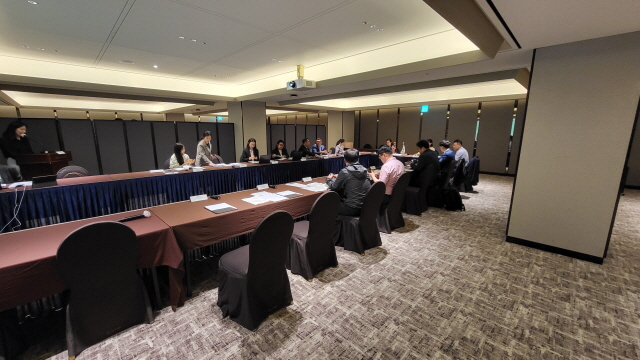
In large-scale international seminars, stable multilingual communication is achieved when interpretation systems, technical equipment, and interpreter operations are designed as an integrated architecture.
8. Conclusion
Smart Grid Technology and Energy Management Seminar interpretation is structured technical and regulatory communication.
It requires:
-
Electrical system literacy
-
Regulatory understanding
-
Data precision
-
Real time clarity
-
Strategic neutrality
UNIVERSE RB designs technical communication systems under the QMS 9 Step framework to ensure zero distortion in complex energy infrastructure discussions.
This
case represents one of the seminars or forums discussing the industrial
application of AI technologies.
AI technologies continue to expand across manufacturing, data analytics, and
automation systems through real-world implementation.
→ See Digital Transformation Conference Cases
https://universerb.com/en/11_en/152?page=39
https://universerb.com/en/11_en/172?page=39
The case archive on this
website is based on interpretation and global communication experiences
conducted in international seminars, policy forums, corporate presentations,
and industry conferences.
To comply with client confidentiality and the Code of Professional Conduct,
some event details are described in a generalized manner.