
Quotation


Performance
Education Forum and Seminar Simultaneous and Consecutive Interpretation | Education Policy · Digital Learning · International Cooperation Forum – UNIVERSE RB
- 2025.07.31
This international education policy forum explores education innovation, digital transformation, global cooperation, leadership, and talent development through discussions on education policy and institutional reform.
Key interpretation topics include education policy and governance, SDG4 (Quality Education), AI-powered learning, EdTech, online and hybrid education, equity and inclusion, teacher capacity development, international research collaboration, and comparative education systems.
Because international education integrates policy, digital learning, educational governance, leadership, and global cooperation, professional interpretation is essential to accurately communicate institutional terminology, policy frameworks, international standards, and education innovation strategies.
Education, Leadership & Human Capital
Category Description
This category covers interpretation cases related to education innovation,
leadership strategy, digital learning, and talent development initiatives.
UNIVERSE RB provides integrated services including:
Simultaneous interpretation Consecutive interpretation Education seminar interpretation Educational material translation QMS-based quality management operationsWe support education conferences, leadership forums, and global talent development programs.
1. Event Overview
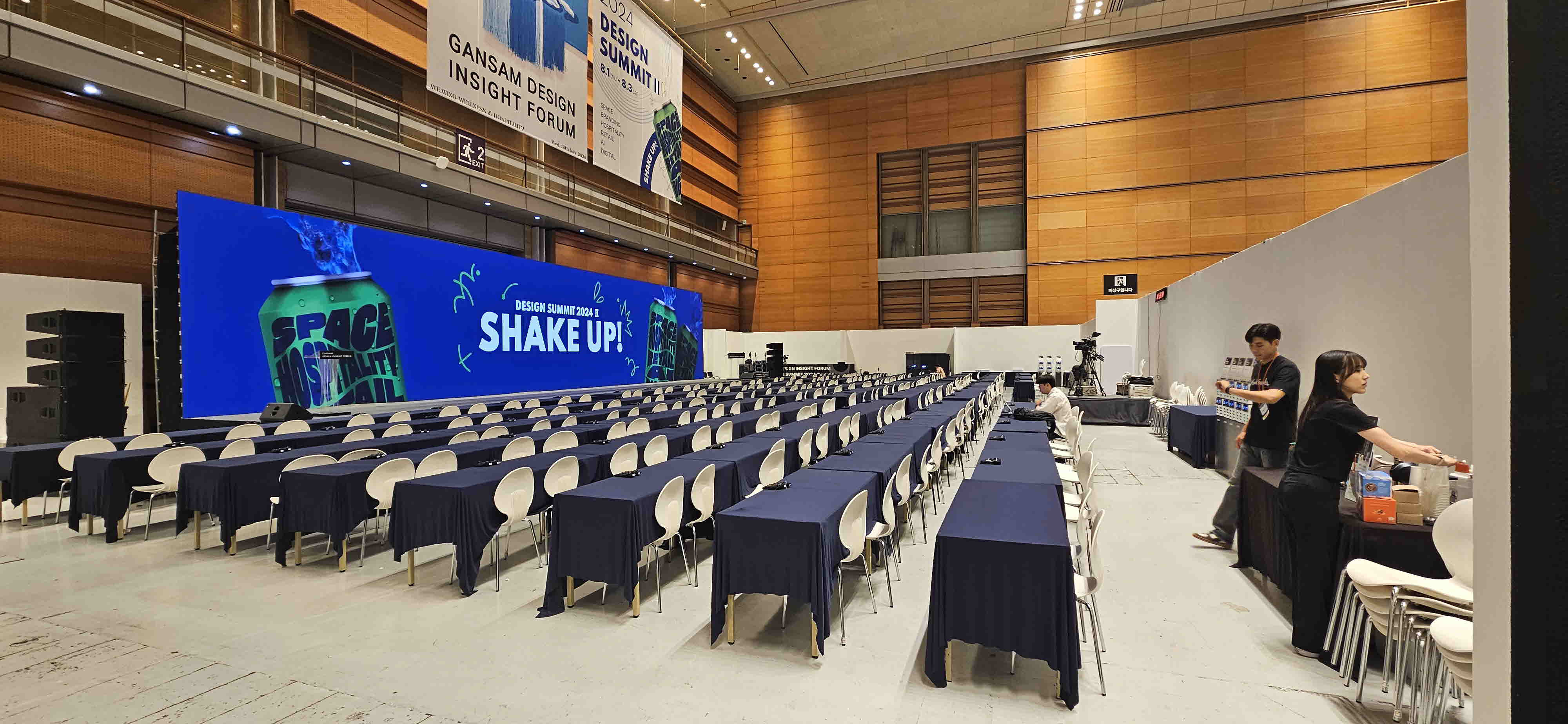
This international education forum and seminar focused on education policy, pedagogy, digital education innovation, and global cooperation. The event brought together domestic and international education experts, university representatives, public institutions, and international organization officials.
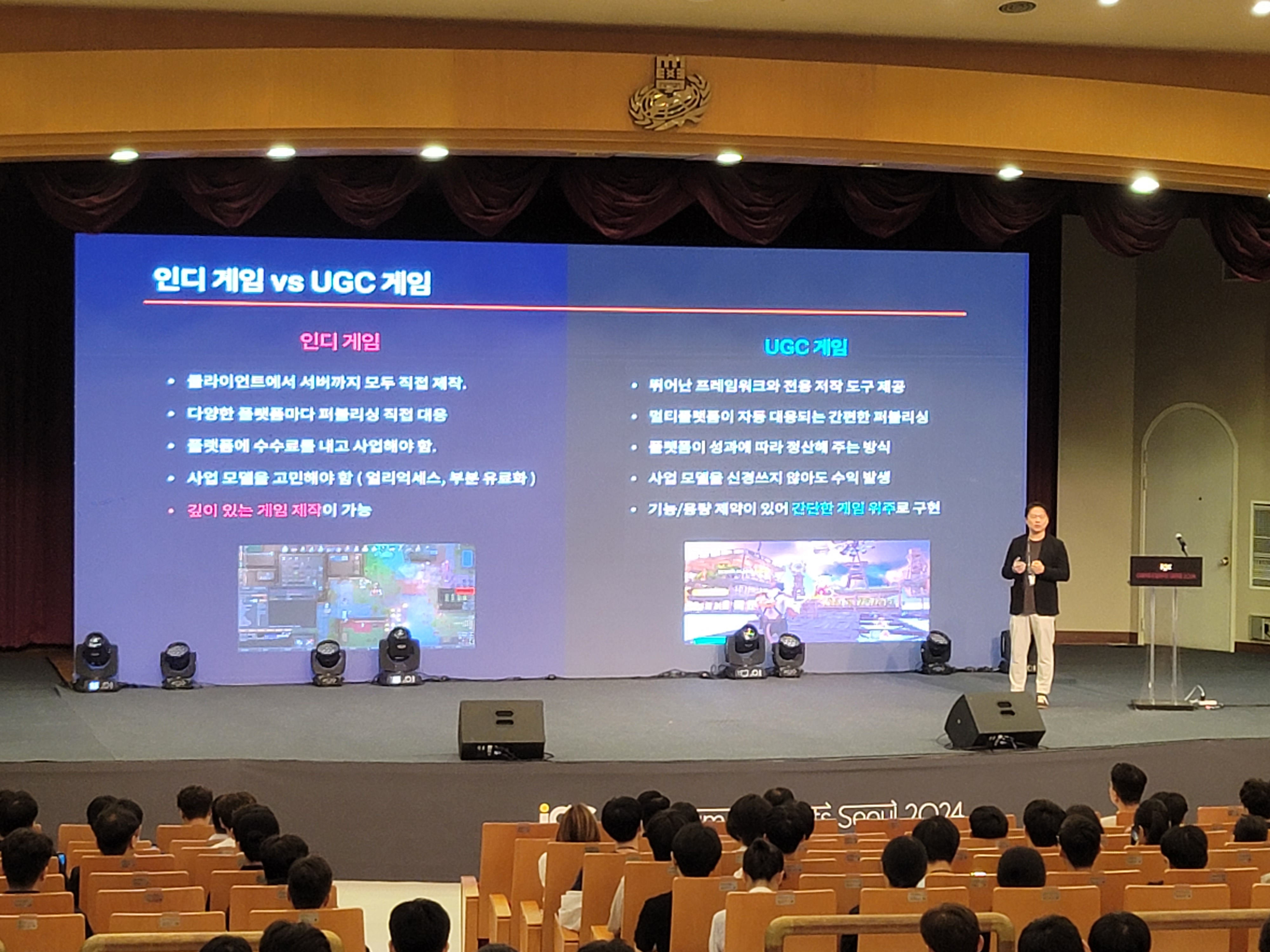
Professional interpretation services supported keynote speeches, policy presentations, and panel discussions to ensure accurate and contextually aligned delivery.
Interpretation in education forums requires comprehensive understanding of institutional systems, policy structures, and cultural context.
2. Complexity Analysis
Education forums typically involve:
-
Differences among national education systems
-
Simultaneous discussion of policy, budgeting, and evaluation indicators
-
Intersection of digital technology and educational theory
-
Terminology aligned with international organization standards
-
Value-based discourse such as equity and inclusiveness
Concepts such as SDG4, learning outcome indicators, and education finance structures require precise contextual interpretation.
3. Scope of Interpretation
-
Interpretation of education policy and institutional presentations
-
Keynote speeches by international education experts
-
Panel discussions and Q&A sessions
-
Comparative education and international cooperation case presentations
-
Facilitation of communication among multicultural and multinational participants
4. Key Interpretation Topics
1) Education Policy & Institutional Systems
-
Free education policies
-
Higher education reform
-
Education finance structures and governance
2) Global Education Goals
-
SDG4 (Quality Education)
-
International education indicators and performance evaluation
3) Digital Education Innovation
-
AI-powered education systems
-
Online and hybrid learning models
-
EdTech implementation cases
4) Equity & Inclusion
-
Support for students with disabilities
-
Multicultural education initiatives
-
Gender equality and accessibility
5) Teacher Capacity Development
-
Professional development programs
-
Educational leadership
-
Evaluation and feedback systems
6) International Cooperation & Comparative Education
-
Exchange programs
-
Joint international research
-
Comparative analysis of national education systems
5. Core Operational Indicators
| Category | Details |
|---|---|
| Event Type | International Education Policy Forum |
| Interpretation Mode | Simultaneous & Consecutive |
| Policy Presentation Ratio | Approx. 40% |
| Digital Education Sessions | Approx. 30% |
| International Cooperation & Discussion | Approx. 30% |
| Participants | Ministry of Education · Universities · International Organizations · Research Institutions |
6. Pre-Event Preparation & Strategy
-
Advance review of education policy and institutional materials
-
Development of education and EdTech terminology glossaries
-
Alignment with official terminology standards of international organizations
-
Comparative analysis of national education systems
-
Anticipation of panel discussion and Q&A flow
This preparation ensured stable interpretation during policy explanations and dynamic exchanges.
7. Key Operational Considerations
-
Maintaining accuracy in policy and institutional terminology
-
Avoiding excessive literal translation of technical expressions
-
Adjusting language according to audience expertise
-
Providing contextual clarification for institutional and cultural differences
-
Maintaining neutral tone to preserve balanced dialogue
Education interpretation requires equilibrium and contextual sensitivity.
8. Application of the QMS 9-Step Quality Management System
-
Analysis of policy scope and thematic coverage
-
Collection of institutional and digital education materials
-
Integration of internationally standardized terminology
-
Matching with education and public-sector specialized interpreters
-
Presentation structure rehearsal
-
Verification of indicators, numerical data, and policy expressions
-
On-site quality monitoring
-
Panel and Q&A response support
-
Post-event feedback and continuous improvement
9. Performance Evaluation
Through this education forum and seminar, complex education policies and global education issues were delivered in a balanced and structured manner.
Discussions among domestic and international experts progressed smoothly, contributing to meaningful advancement in education cooperation dialogue.
10. Representative Engagement Cases
-
International Education Policy Forum – Higher Education Reform Session
-
EdTech Innovation Seminar – AI and Online Learning Presentation
-
Korea–Japan Education Cooperation Forum – Teacher Training Program Session
-
International Seminar on Multicultural & Inclusive Education – Equity Policy Panel
-
International Joint Research Education Forum – Comparative Education Systems Presentation
11. FAQ
International Education Forum and Seminar Interpretation
1) Why is interpretation important in international education forums?
International education forums bring together policymakers, universities, researchers, and international organizations to discuss education policy, innovation, and cooperation.
Professional interpretation ensures that institutional terminology, policy frameworks, and academic discussions are accurately communicated among participants from different countries.
Accurate interpretation enables meaningful dialogue and effective collaboration in global education initiatives.
2) What makes interpretation in education forums particularly complex?
Education interpretation requires understanding multiple domains simultaneously, including:
-
National education systems and policy structures
-
Institutional governance and regulatory frameworks
-
Education finance and evaluation indicators
-
Digital learning technologies and EdTech innovation
-
Global education initiatives such as SDG4 (Quality Education)
Interpreters must deliver these concepts clearly while preserving their institutional and cultural meaning.
3) What interpretation methods are commonly used in education conferences?
Education forums frequently use a combination of simultaneous and consecutive interpretation.
-
Simultaneous interpretation is used for keynote speeches and expert presentations.
-
Consecutive interpretation is often used during panel discussions and Q&A sessions.
This mixed format allows both structured presentations and interactive discussions to proceed effectively.
4) How do interpreters prepare for education policy seminars?
Preparation usually includes:
-
Reviewing education policy documents and institutional frameworks
-
Developing glossaries related to education governance and EdTech terminology
-
Studying international education initiatives and global policy indicators
-
Preparing terminology related to digital learning systems and AI education tools
-
Anticipating panel discussion topics and questions
This preparation ensures stable interpretation during complex policy and academic discussions.
5) What topics are commonly discussed in international education forums?
Typical discussion topics include:
-
Education policy reform and governance models
-
Higher education development and research collaboration
-
Digital learning technologies and EdTech innovation
-
Inclusive education and accessibility initiatives
-
Teacher training and leadership development
-
International cooperation and comparative education systems
These discussions require interpreters to understand both educational theory and institutional policy frameworks.
6) Why is cultural context important in education interpretation?
Education systems differ widely between countries in terms of governance structures, evaluation methods, and terminology.
Professional interpreters must adapt language carefully to explain institutional differences while maintaining the original meaning of the speaker.
This contextual understanding helps participants from different countries engage in productive dialogue.
7) How does UNIVERSE RB ensure interpretation quality in education forums?
UNIVERSE RB applies its QMS 9-Step Quality Management System, which includes:
-
Analysis of education policy scope and institutional context
-
Integration of education and EdTech terminology
-
Matching interpreters with education-sector expertise
-
Verification of policy indicators and statistical data
-
Structural rehearsal of presentations
-
On-site quality monitoring
-
Post-event evaluation and continuous improvement
This system ensures stable interpretation in complex international education discussions.
8) Who typically participates in international education seminars?
Participants commonly include:
-
Ministries of education and government agencies
-
Universities and academic researchers
-
International organizations and development institutions
-
Education technology companies
-
Policy think tanks and research institutes
Professional interpretation supports effective collaboration among these stakeholders.
In large-scale international seminars, stable multilingual communication is achieved when interpretation systems, technical equipment, and interpreter operations are designed as an integrated architecture.
Conclusion
Interpretation for education forums is a high-level professional field requiring strategic coordination at the intersection of policy, technology, and cultural context.
Accurate institutional interpretation and balanced delivery are decisive factors in advancing international education cooperation and policy development.

About Our Case Archive
The case studies and project insights presented on this website are based on experience supporting international conferences, investor presentations, government forums, executive meetings, technical seminars, and multilingual corporate events.
To protect client confidentiality and comply with the Code of Professional Conduct followed by professional interpreters worldwide, certain project details have been generalized, anonymized, or adapted for educational purposes.
The purpose of these materials is to share practical insights into multilingual communication planning while respecting the confidentiality of every client and every project.
UNIVERSE RB
Designing Communication. Managing Risk. Delivering Understanding.