
Quotation


Performance
International Climate Change Conference Simultaneous Interpretation | UNFCCC · COP · GCF · ESG Global Forum – UNIVERSE RB
- 2025.07.31
Policy seminar interpretation is a high-level public communication field that connects complex policy agendas including climate action, industrial transition, regulatory frameworks, and international cooperation.
Key interpretation areas include laws and institutional frameworks, international agreements, policy statistics and numerical data, carbon reduction, CBAM, energy transition policies, and multilateral cooperation frameworks.
Because a single term or expression can affect regulatory meaning and policy interpretation, professional interpretation requires precise contextual understanding, rigorous control of legal and numerical information, and strict neutrality.
Public Policy & Global Governance
Category Description
This category covers interpretation cases related to international policy forums, public cooperation initiatives, ODA programs, and global governance topics including environmental and climate policy.
UNIVERSE RB provides integrated services including:
Simultaneous interpretationConsecutive interpretationInternational conference interpretationPolicy document translationQMS-based quality management operations
We support international policy forums, government cooperation meetings, and global governance conferences with stable interpretation environments.

1. Event Overview
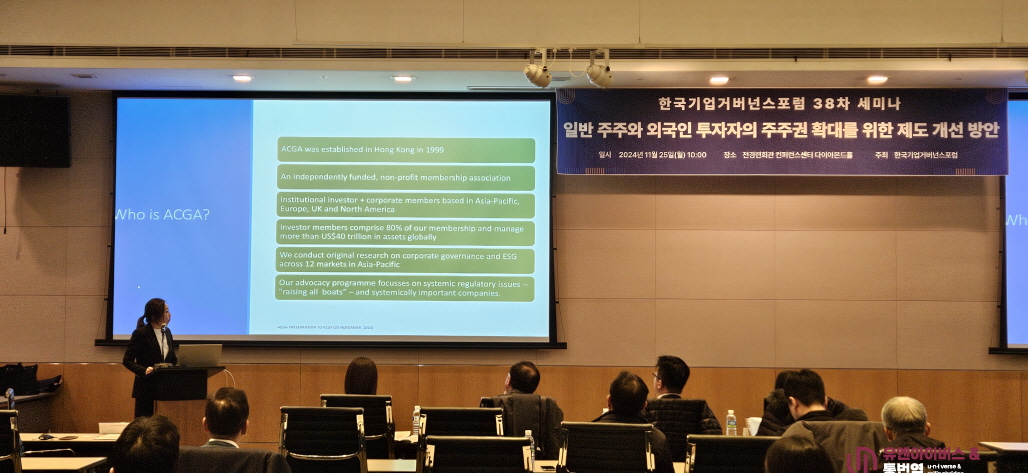
This event was an international conference, policy forum, and multilateral summit dedicated to global climate change response. Climate science, environmental policy, and international cooperation formed the core of the official agenda.
English–Korean simultaneous interpretation was provided to support sessions related to UNFCCC, COP (Conference of the Parties), the Green Climate Fund (GCF), and ESG-focused international forums.
Interpretation at international climate conferences represents a highly specialized field where scientific, policy, and diplomatic language converge simultaneously.
2. Complexity Analysis
International climate conferences typically involve:
Simultaneous presentation of scientific data and policy interpretation
Comparative discussion of national emission reduction targets and indicators
Diplomatic rhetoric and negotiation language
Integrated debates on climate finance, technology transfer, and adaptation policy
Participation from diverse stakeholders including governments, NGOs, and youth groups
Concepts such as NDC, ETS, and climate finance mechanisms require integrated understanding of numerical data, regulatory structures, and diplomatic context for accurate delivery.
3. Scope of Interpretation
Simultaneous interpretation for high-level climate summits
Official COP plenary sessions and working meetings
Climate and environmental policy forums and international seminars
Sustainable finance, climate technology, and adaptation policy sessions
Speeches by international NGOs and youth representatives
4. Key Interpretation Content
1) COP High-Level Statements
National climate response strategies
Multilateral cooperation commitments
Diplomatic rhetoric and policy implications
Tone, emphasis, and diplomatic nuance were carefully balanced to preserve intent.
2) Emissions Trading & Reduction Targets
Emissions Trading Systems (ETS)
Nationally Determined Contributions (NDCs)
Reduction indicators and implementation roadmaps
Numerical data and policy terminology were clearly distinguished and delivered with precision.
3) Sustainable Finance, Climate Technology & Adaptation Policy
ESG strategies
Climate technology transfer mechanisms
Support frameworks for vulnerable countries
An integrated, context-driven interpretation strategy was applied across finance, technology, and policy discourse.
4) NGO & Youth Speeches
Civil society climate action demands
Youth-led climate advocacy messages
Emotional elements and policy content were conveyed simultaneously while maintaining a neutral and measured tone.
5. Core Operational Indicators
| Category | Details |
|---|---|
| Event Type | International Climate Change Conference |
| Interpretation Mode | English–Korean Simultaneous Interpretation |
| Science & Data Content | Approx. 40% |
| Policy & Diplomatic Sessions | Approx. 40% |
| Finance & ESG Sessions | Approx. 20% |
| Participants | Governments · International Organizations · Financial Institutions · NGOs |
6. Pre-Event Preparation & Strategy
Development of climate science and environmental policy glossaries
Analysis of international environmental agreement structures and negotiation documents
Advance review of scientific data, indicators, and graphical materials
Mapping of intergovernmental cooperation mechanisms
Study of diplomatic rhetoric and negotiation phrasing
This preparation ensured accuracy and stability in real-time interpretation.
7. Key Operational Considerations
Maintaining precision in climate science and policy terminology
Preventing numerical and statistical errors
Delivering sensitive diplomatic issues with neutrality
Coordinating expression differences among governments, corporations, and civil society actors
Avoiding excessive paraphrasing while preserving contextual integrity
Climate diplomacy interpretation demands both accuracy and balance.

8. Application of the QMS 9-Step Quality Management System
Analysis of agenda scope and agreement frameworks
Collection of climate, environmental, and finance documentation
Integration of internationally standardized terminology
Matching with climate and environmental specialized interpreters
Rehearsal of high-level speech structures
Verification of numerical data, indicators, and policy expressions
On-site quality monitoring
Panel and Q&A response support
Post-event evaluation and continuous improvement
9. Performance Evaluation
Through this international climate change conference, complex scientific, policy, and diplomatic discussions were delivered accurately and in balanced form.
Communication remained smooth across sessions involving diverse stakeholders, reinforcing the professionalism and credibility of the overall event.
10. Representative Engagement Cases
“2024 UN Climate Leadership Forum” – Simultaneous Interpretation
“International Seminar on Climate Crisis & ESG Management Strategy” – Interpretation
“Green Climate Fund High-Level Dialogue (GCF)” – Interpretation Support
11. FAQ
International Climate Change Conference Interpretation
1) Why is interpretation important in international climate change conferences?
International climate conferences bring together governments, international organizations, scientists, and financial institutions to discuss global climate strategies and environmental policy.
Professional simultaneous interpretation ensures that complex discussions on climate science, environmental governance, and international cooperation are clearly understood by participants from different countries.
Accurate interpretation helps maintain transparency and credibility in global climate negotiations.
2) What makes interpretation in climate conferences particularly complex?
Climate conference interpretation requires interdisciplinary knowledge combining:
Climate science and environmental research
International climate agreements such as UNFCCC
Global negotiation frameworks under COP
Climate finance systems such as the Green Climate Fund (GCF)
ESG and sustainable development policies
Interpreters must simultaneously deliver scientific data, policy frameworks, and diplomatic nuances with precision.
3) What interpretation method is typically used in international climate policy conferences?
Most climate policy conferences rely on simultaneous interpretation for:
High-level ministerial speeches
COP plenary sessions
International policy forums
Climate finance and ESG panels
Panel discussions and Q&A sessions
Simultaneous interpretation enables participants from multiple countries to follow complex discussions in real time.
4) How do interpreters prepare for international climate conferences?
Preparation typically includes:
Reviewing climate policy documents and UNFCCC frameworks
Studying emissions reduction mechanisms such as NDC and ETS
Preparing terminology related to climate finance and ESG strategies
Analyzing scientific data, charts, and indicators
Reviewing negotiation language used in international agreements
This preparation ensures stable and accurate interpretation during policy-intensive discussions.
5) What topics are commonly discussed in climate change conferences?
Typical discussion topics include:
National greenhouse gas reduction commitments (NDCs)
Carbon markets and emissions trading systems (ETS)
Climate finance and international funding mechanisms
Climate technology transfer and innovation
Adaptation strategies for vulnerable regions
Multilateral environmental governance frameworks
These topics require interpreters to understand both environmental science and international policy systems.
6) Why is diplomatic neutrality important in climate conference interpretation?
Climate conferences often involve sensitive negotiations between governments, international organizations, and civil society groups.
Professional interpreters must maintain strict neutrality to ensure that diplomatic messages and policy positions are conveyed accurately without distortion.
Neutral interpretation helps preserve trust among participating countries and institutions.
7) How does UNIVERSE RB ensure interpretation quality in climate conferences?
UNIVERSE RB applies its QMS 9-Step Quality Management System, which includes:
Analysis of conference agenda and climate policy scope
Integration of climate science and environmental policy terminology
Matching interpreters with environmental policy expertise
Verification of numerical indicators and emissions data
Structural rehearsal of high-level speeches
Real-time quality monitoring during the event
Post-event evaluation and continuous improvement
This system ensures reliable interpretation in complex international policy environments.
8) Who typically participates in international climate policy conferences?
Participants often include:
National governments and environmental ministries
International organizations such as UNFCCC
Financial institutions and climate investment funds
Environmental NGOs and civil society organizations
Academic researchers and climate scientists
Professional interpretation facilitates cooperation and dialogue among these diverse global stakeholders.
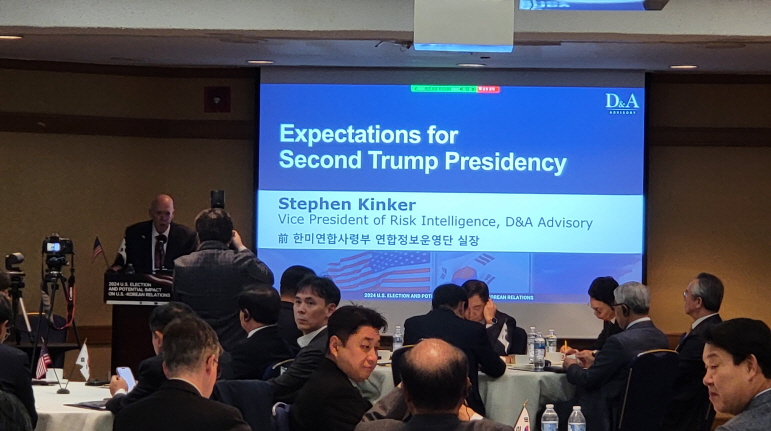
In large-scale international seminars, stable multilingual communication is achieved when interpretation systems, technical equipment, and interpreter operations are designed as an integrated architecture.
Conclusion
Interpretation for international climate change conferences requires simultaneous understanding of science, policy, and diplomacy.
Accuracy, neutrality, and contextual awareness are decisive factors in ensuring the credibility and effectiveness of global climate cooperation and negotiation.
This case represents one of the sessions conducted as part of international policy cooperation and global governance discussions.
Policy environments and international cooperation frameworks continue to evolve in response to economic, environmental, and development policy changes.
→ Explore International Policy Forum Cases
https://universerb.com/en/11_en/154?page=39

About Our Case Archive
The case studies and project insights presented on this website are based on experience supporting international conferences, investor presentations, government forums, executive meetings, technical seminars, and multilingual corporate events.
To protect client confidentiality and comply with the Code of Professional Conduct followed by professional interpreters worldwide, certain project details have been generalized, anonymized, or adapted for educational purposes.
The purpose of these materials is to share practical insights into multilingual communication planning while respecting the confidentiality of every client and every project.
UNIVERSE RB
Designing Communication. Managing Risk. Delivering Understanding.