
Quotation


Performance
What Is Consecutive Interpretation?
- 2026.08.14
Why Business Meetings, Contract Negotiations, and Technical Discussions Require Professional Expertise
Why can the same business meeting produce very different communication outcomes depending on the interpretation?
The difference is not simply language ability.
In international business, effective consecutive interpretation requires:
Language Expertise + Business Context + Industry Knowledge + Negotiation Understanding + Real-Time Judgment
Contract terms, technical explanations, questions, and negotiation intent must all be communicated accurately.
Without the right interpreter and communication structure, even a relatively small meeting can experience misunderstandings, repeated explanations, delays, or loss of confidence.
1. What Is Consecutive Interpretation?
Consecutive interpretation is a method in which the speaker delivers a portion of their message and then pauses while the interpreter communicates that message in another language.
Unlike simultaneous interpretation, where interpretation occurs almost at the same time as the speaker, consecutive interpretation creates alternating communication:
Speaker → Interpreter → Speaker → Interpreter
This structure makes consecutive interpretation particularly suitable for interactive communication where participants need to:
- Ask questions
- Clarify information
- Discuss conditions
- Confirm details
- Negotiate
- Respond directly to one another
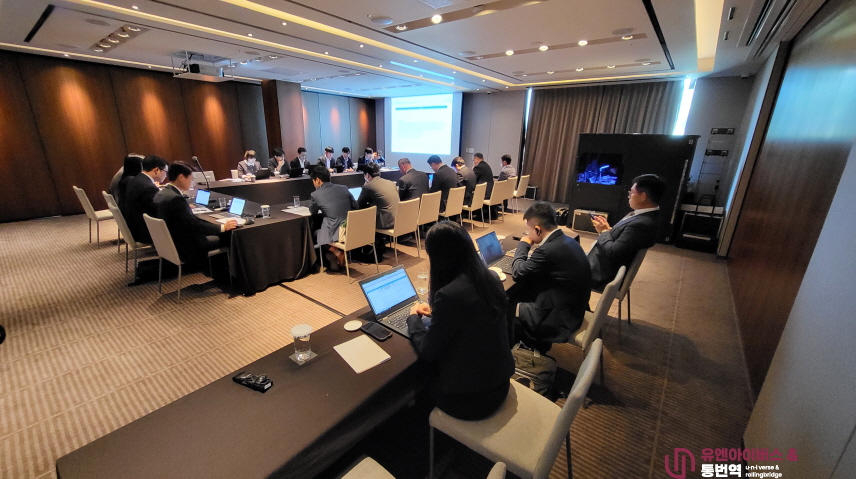
For this reason, consecutive interpretation is widely used for international business meetings, buyer consultations, contract negotiations, technical discussions, interviews, and executive meetings.
2. One-Sentence Answer
Consecutive interpretation is a professional interpretation method in which the interpreter delivers the speaker's message after each segment of speech, making it especially suitable for business meetings, negotiations, interviews, and smaller professional discussions.
3. When Is Consecutive Interpretation Used?
Consecutive interpretation is commonly used for:
- International buyer meetings
- Contract negotiations
- Investment discussions
- Investor meetings
- Executive meetings
- Corporate meetings
- Factory visits
- Technical meetings
- Business consultations
- Press interviews
- Media briefings
- Medical consultations
- Government meetings
- Site inspections
- Small professional seminars
The method is particularly effective when direct interaction between participants is more important than maintaining the speed of a large conference.
4. Key Characteristics of Consecutive Interpretation
Category | Description |
Interpretation Method | The interpreter speaks after the speaker completes a segment |
Communication Flow | Alternating speaker and interpreter communication |
Speed | Slower than simultaneous interpretation because interpretation time is added |
Accuracy | Allows the interpreter to process context, meaning, and intent before delivery |
Staffing | Often handled by one professional interpreter for shorter assignments |
Equipment | Usually does not require interpretation booths, consoles, or receivers |
Cost Structure | Generally less equipment-intensive than simultaneous interpretation |
Best Suited For | Negotiations, consultations, interviews, executive meetings, and small-group discussions |
Key Insight
Consecutive interpretation prioritizes interactive and accurate communication over conference speed.
This makes it particularly useful when participants need to discuss and confirm important information directly.
5. Consecutive vs. Simultaneous Interpretation
The two methods serve different communication environments.
Factor | Consecutive Interpretation | Simultaneous Interpretation |
Method | Speaker pauses for interpretation | Interpretation occurs almost simultaneously |
Event Flow | Alternating communication | Continuous communication |
Typical Staffing | Often 1 interpreter for shorter meetings | Usually 2 interpreters for extended sessions |
Equipment | Usually minimal | Booths, consoles, receivers, audio systems |
Meeting Duration | Interpretation adds time | Preserves event schedule |
Interaction | Excellent for direct discussion | Excellent for presentations and large audiences |
Typical Audience | Small to medium groups | Medium to large audiences |
Best Applications | Negotiations, meetings, interviews | Conferences, forums, symposiums |
Cost Structure | Generally lower technical cost | Higher due to staffing and equipment |
Neither method is inherently better.
The correct choice depends on the communication structure of the event.
6. Why Consecutive Interpretation Is Effective for Business Meetings
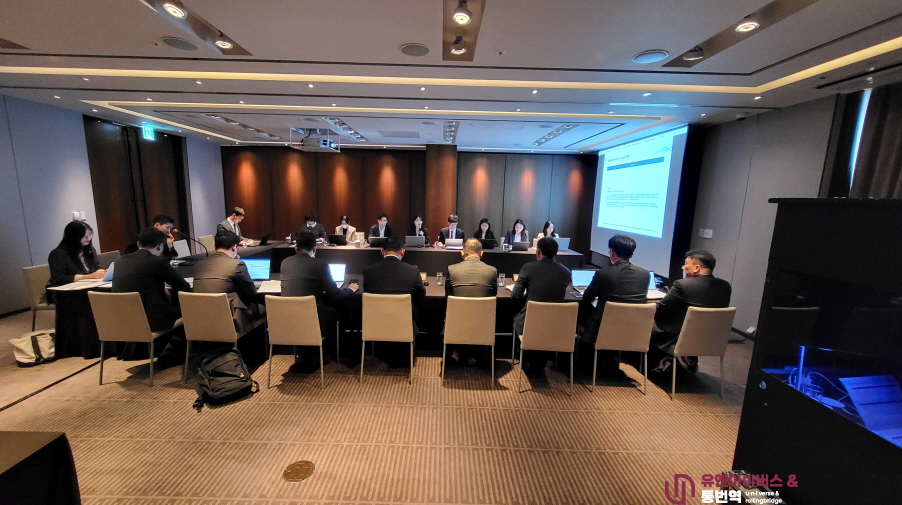
Business meetings are rarely one-way presentations.
Participants may need to:
- Explain products
- Discuss pricing
- Confirm specifications
- Negotiate delivery schedules
- Clarify responsibilities
- Ask technical questions
- Discuss contractual conditions
- Respond to unexpected questions
Consecutive interpretation allows participants to communicate in controlled segments.
This gives the interpreter an opportunity to understand the complete meaning of each statement before delivering it.
The objective is not simply to translate sentences.
The interpreter must connect:
Words + Context + Intent + Business Meaning
7. Why Negotiation Experience Matters
Negotiation interpretation requires more than general bilingual communication.
Consider a statement such as:
“We may be able to reconsider the delivery schedule depending on the final volume.”
The interpreter must communicate not only the literal meaning but also the conditional nature of the statement.
A poorly interpreted version could incorrectly suggest that the delivery schedule has already been changed.
In contract and negotiation environments, these differences matter.
Professional consecutive interpreters therefore need to recognize:
- Conditional statements
- Commercial intent
- Negotiation positions
- Technical limitations
- Contract terminology
- Numerical information
- Questions requiring clarification
Key Principle
In negotiations, accurate meaning is more important than literal word-for-word translation.
8. Why Industry Expertise Matters
Consecutive interpretation is used across many specialized industries.
The required expertise can therefore vary significantly.
Investment and IR
Interpreters may need familiarity with:
- Revenue
- Profitability
- Valuation
- Market share
- Growth strategy
- Investment risk
- Financial performance
Medical and Pharmaceutical
Important terminology may include:
- Clinical trials
- GMP
- Regulatory requirements
- Manufacturing procedures
- Quality control
- Medical devices
Technology and Engineering
The interpreter may need to understand:
- Technical specifications
- Manufacturing processes
- Software architecture
- Semiconductor technology
- Database systems
- Equipment operation
Contracts and International Business
Important concepts may include:
- Payment terms
- Delivery conditions
- Liability
- Warranty
- Responsibilities
- Pricing
- Contract duration
The language pair may be identical.
The required professional expertise is not.
9. Real-World Application Examples
Case 1 — International Buyer Meeting
Situation
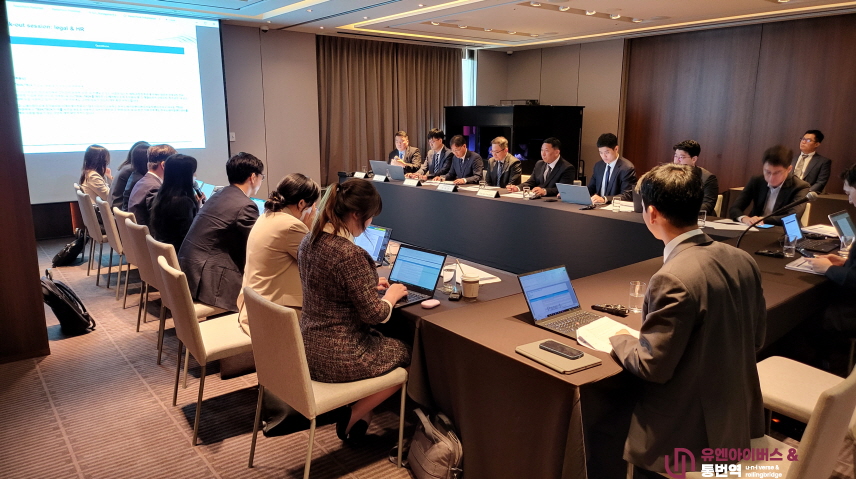
An overseas buyer meeting involved:
- Product specifications
- Pricing
- Delivery schedules
- Commercial conditions
- Buyer questions
Interpretation Approach
Consecutive interpretation allowed each party to explain and confirm information before moving to the next issue.
Result
Questions and answers could be handled systematically while maintaining direct communication between the buyer and supplier.
Key Lesson
Consecutive interpretation works particularly well when clarification and interaction are central to the meeting.
Case 2 — Contract Negotiation
Situation
The parties needed to discuss:
- Contract conditions
- Project schedules
- Responsibilities
- Pricing
- Delivery requirements
Interpretation Approach
The interpreter communicated each negotiation point in segments, allowing participants to confirm details before continuing.
Result
The structured communication process reduced ambiguity during the discussion.
Key Lesson
For negotiations, understanding intent and conditions is as important as translating terminology.
Case 3 — Factory Inspection and Technical Meeting
Situation
International visitors reviewed:
- Production processes
- Equipment
- Technical specifications
- Quality procedures
- Manufacturing capacity
Interpretation Approach
A professional interpreter with relevant technical familiarity supported explanations and on-site Q&A.
Result
Technical information could be discussed directly between engineers, managers, and visitors.
Key Lesson
Technical consecutive interpretation requires both language ability and subject-matter understanding.
10. When Consecutive Interpretation May Not Be the Best Choice
Consecutive interpretation is highly effective for interactive meetings, but it is not ideal for every event.
It may be less suitable when:
- Hundreds of participants are attending
- Multiple languages are required simultaneously
- The event schedule is extremely tight
- Presentations must proceed without interruption
- Numerous speakers are presenting continuously
- Real-time multilingual delivery is required
In these situations, simultaneous interpretation may be more appropriate.
Practical Rule
Direct interaction → Consecutive Interpretation
Continuous presentation to a large audience → Simultaneous Interpretation
11. How Consecutive Interpretation Costs Are Determined
Consecutive interpretation costs are not determined by meeting duration alone.
Pricing may depend on:
Cost Factor | Impact |
Language Pair | Interpreter availability varies by language |
Interpreter Expertise | Specialized professionals may require higher fees |
Industry | Medical, financial, technical, policy, and legal assignments require specialized knowledge |
Meeting Complexity | Negotiations and technical discussions require greater expertise |
Preparation | Materials and terminology may need advance review |
Duration | Longer assignments increase workload |
Travel | Location can affect transportation and accommodation requirements |
Urgency | Short-notice assignments may limit interpreter availability |
Communication Risk | Decision-critical meetings may require more experienced professionals |
Key Insight
Two meetings of the same duration can require completely different levels of professional expertise.
12. Why the Cheapest Consecutive Interpreter Is Not Always the Most Economical Choice
For simple communication, a lower-cost interpreter may be entirely appropriate.
However, when the meeting involves:
- Contracts
- Financial information
- Technical specifications
- Medical information
- Investment decisions
- Executive communication
the cost of misunderstanding can exceed the interpretation fee.
Potential consequences include:
- Repeated explanations
- Additional meetings
- Delayed decisions
- Contract clarification
- Technical misunderstandings
- Reduced stakeholder confidence
The objective should therefore not be to purchase the highest-priced interpretation.
It should be to select the appropriate level of professional expertise for the communication risk involved.
13. How to Select a Consecutive Interpreter
Before assigning an interpreter, evaluate:
1. Language Pair
Which languages and directions are required?
2. Industry
Is the meeting related to finance, technology, medical, manufacturing, government, or general business?
3. Meeting Objective
Is the purpose:
- Information exchange?
- Negotiation?
- Contract discussion?
- Investment?
- Technical inspection?
- Executive decision-making?
4. Communication Complexity
Will there be:
- Technical terminology?
- Numerical information?
- Complex Q&A?
- Negotiation?
- Sensitive information?
5. Interpreter Experience
Has the interpreter handled similar industries and meeting structures?
Key Principle
Do not simply select a good interpreter. Select the right interpreter for the meeting.
14. AI + Human Strategy
AI can support consecutive interpretation preparation.
AI Support
AI may assist with:
- Document analysis
- Terminology extraction
- Glossary development
- Acronym identification
- Background research
- Presentation analysis
Professional Interpreter
Human professionals remain responsible for:
- Real-time communication
- Speaker intent
- Context
- Negotiation nuance
- Q&A
- Clarification
- Decision-critical communication
Key Principle
AI supports preparation. Professional interpreters manage the conversation.
15. What Buyers Should Check Before Booking
Buyer Question | Why It Matters |
Does the interpreter understand our industry? | Determines terminology familiarity |
Has the interpreter handled similar meetings? | Determines practical event fit |
Will materials be reviewed beforehand? | Improves preparation |
How will terminology be managed? | Improves consistency |
Is one interpreter sufficient? | Depends on duration and intensity |
Is consecutive interpretation appropriate? | Determines meeting efficiency |
Will technical equipment be required? | Affects structure and cost |
How will unexpected Q&A be handled? | Important for negotiations and technical meetings |
16. Frequently Asked Questions
Q1. What is consecutive interpretation?
Consecutive interpretation is a method in which the speaker pauses after a segment of speech and the interpreter then communicates the message in another language.
Q2. When should consecutive interpretation be used?
It is particularly suitable for:
- Business meetings
- Negotiations
- Interviews
- Buyer consultations
- Factory visits
- Technical discussions
- Medical consultations
- Small government meetings
Q3. Is consecutive interpretation more accurate than simultaneous interpretation?
Not necessarily.
Both methods can provide professional-quality interpretation.
Consecutive interpretation allows additional processing time, while simultaneous interpretation is designed to maintain continuous event flow.
The appropriate method depends on the event structure.
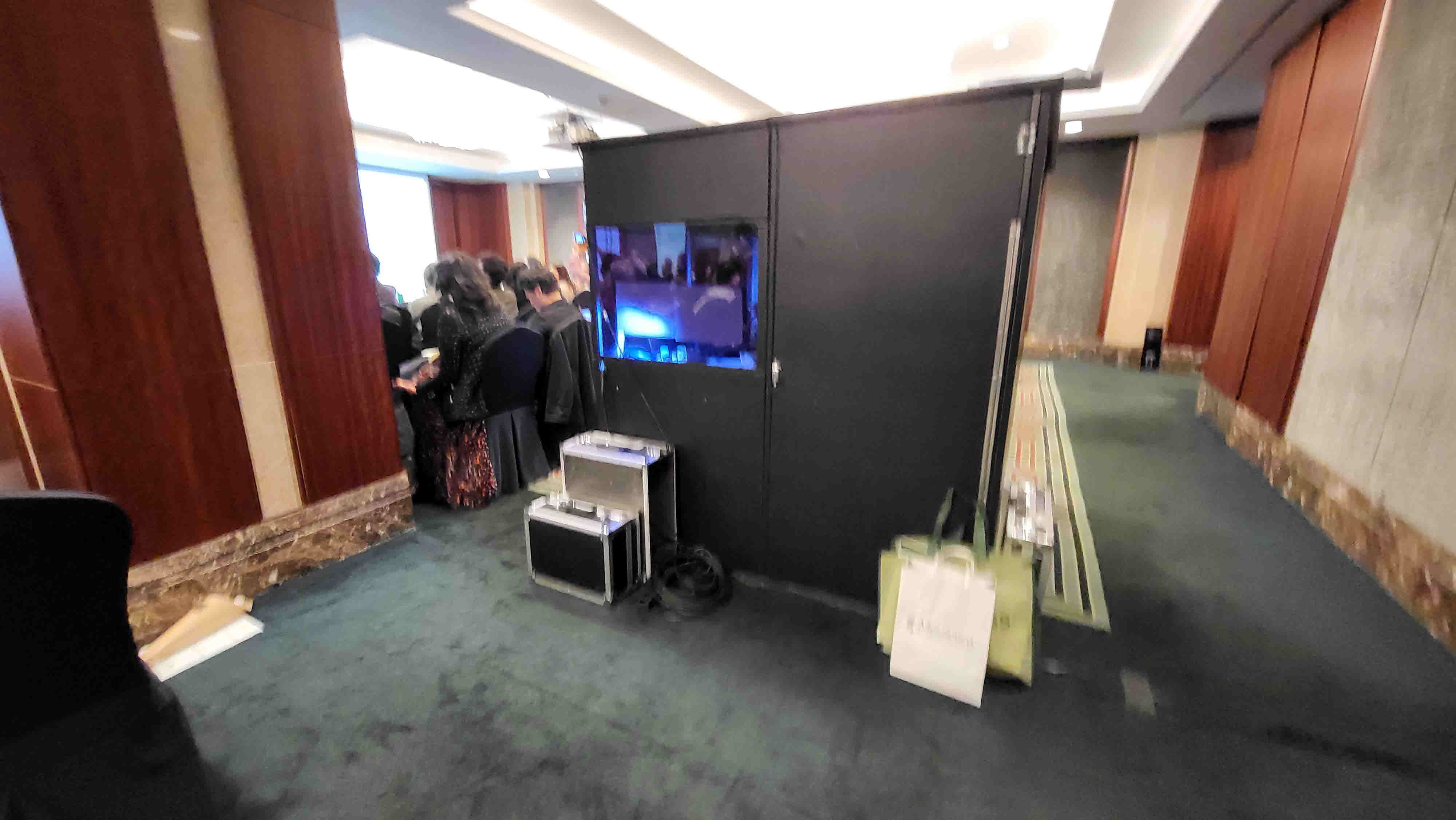
Q4. Does consecutive interpretation require equipment?
Usually not.
For smaller meetings, the interpreter can normally work directly with participants without booths or receivers.
Larger environments may require microphones or portable audio support.
Q5. Is one interpreter enough?
For many shorter business meetings, one professional interpreter may be sufficient.
Long, intensive, highly technical, or extended assignments may require additional staffing depending on the workload.
Q6. Is consecutive interpretation cheaper than simultaneous interpretation?
It often has lower technical and staffing costs because professional interpretation booths and receiver systems are generally unnecessary.
However, final pricing depends on language pair, expertise, duration, specialization, preparation, and location.
Q7. Which is better for contract negotiations?
Consecutive interpretation is often well suited to negotiations because participants can discuss, clarify, and confirm individual points before proceeding.
The final choice should still depend on meeting size, format, and communication objectives.
Key Takeaway
Consecutive interpretation is not simply:
Speak → Translate → Speak → Translate
Professional consecutive interpretation requires:
Language Expertise + Industry Knowledge + Context + Negotiation Understanding + Real-Time Judgment
For international business meetings, contract negotiations, technical discussions, and executive communication, these capabilities can be more important than speed alone.
Final Conclusion
What is consecutive interpretation?
It is a professional interpretation method designed for communication environments where participants need to exchange information, ask questions, clarify details, and make decisions directly.
Its greatest strength is not simply that it requires less equipment than simultaneous interpretation.
Its strength is the ability to support structured, interactive communication.
For general meetings, business negotiations, buyer consultations, technical discussions, interviews, and executive meetings, consecutive interpretation can provide an efficient and effective communication structure.
The key is selecting:
The Right Interpretation Method + The Right Industry Expertise + The Right Interpreter
Because in international business, successful interpretation is not simply about translating what was said.
It is about making sure both sides understand what was meant.
Related Information
- Consecutive vs. Simultaneous Interpretation
- Why Interpretation Costs Can Vary by 2x or More
- Why Professional Interpreters Deliver Different Results
- International Business Interpretation
- Contract and Negotiation Interpretation
- How to Select a Professional Interpretation Company
About Our Case Archive

The case studies and project insights presented on this website are based on experience supporting international conferences, investor presentations, government forums, executive meetings, technical seminars, and multilingual corporate events.
To protect client confidentiality and comply with the Code of Professional Conduct followed by professional interpreters worldwide, certain project details have been generalized, anonymized, or adapted for educational purposes.
The purpose of these materials is to share practical insights into multilingual communication planning while respecting the confidentiality of every client and every project.
UNIVERSE RB
Designing Communication. Managing Risk. Delivering Understanding.