
Quotation


Performance
Part 1 — Platform-Based vs. Professional Interpretation | Cost, Quality and Communication Risk
- 2026.08.03
Platform-based interpretation works well for fast, flexible, and low-risk communication—but not every business environment carries the same risk.
The difference is not simply cost; it is the expertise, preparation, and communication system supporting the interpreter.
From routine meetings to negotiations and technical forums, choosing the right interpretation model protects both budget and business outcomes.

Executive Summary
As international business becomes increasingly digital and global, organizations have more interpretation options than ever before.
These include:
- Professional interpretation companies
- Online interpreter marketplaces
- Freelance matching platforms
- AI-powered interpretation tools
- Hybrid communication solutions
For many organizations, the first question is:
“Can we reduce interpretation costs?”
In many cases, the answer is yes.
However, the more important question is:
“Can we reduce interpretation costs without increasing communication risk?”
These are not the same question.
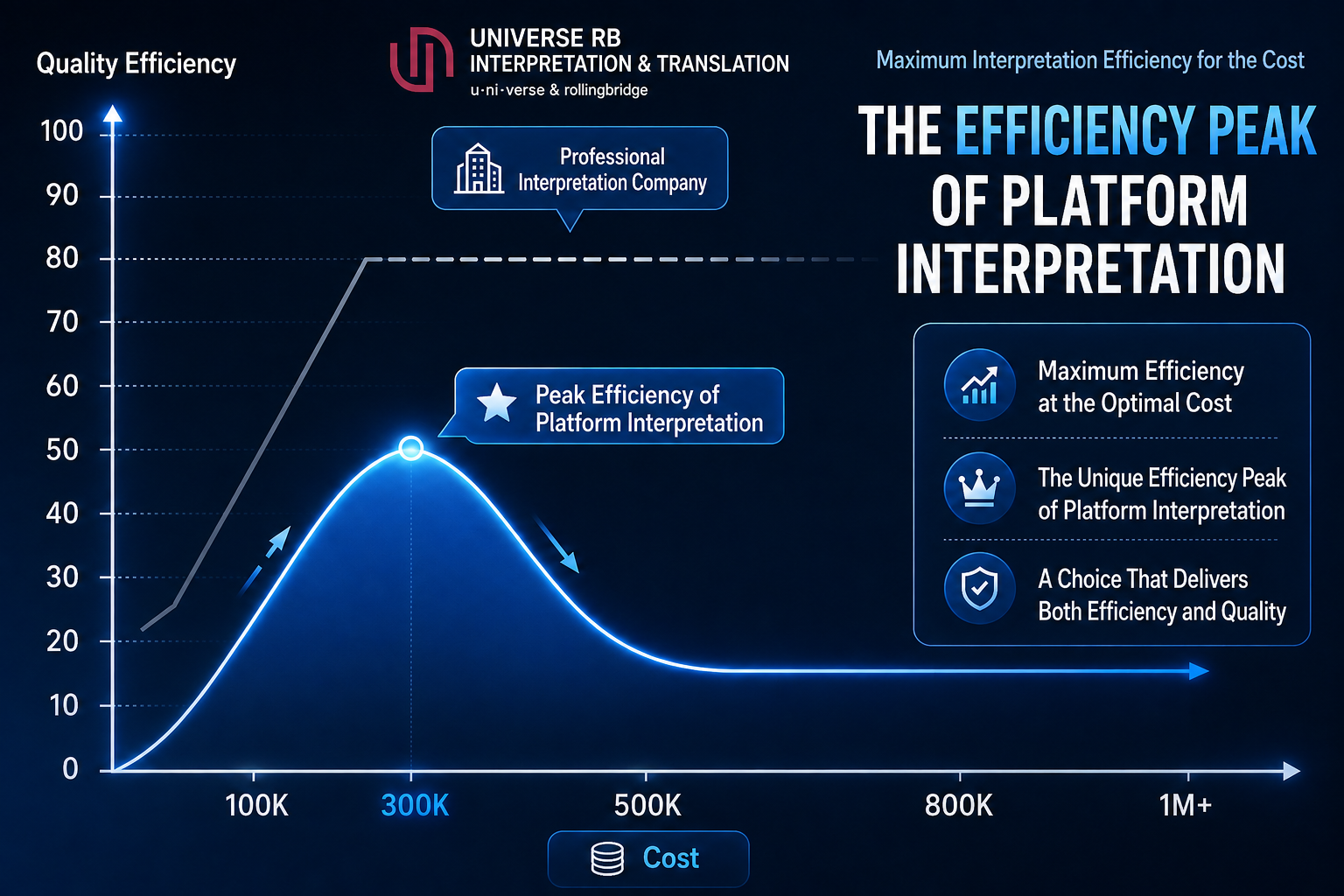
Platform-based interpretation provides fast matching, flexible scheduling, and relatively low prices. It can be highly cost-effective for internal meetings, visitor assistance, factory tours, and other low-risk conversations.
However, interpretation requirements change significantly depending on the purpose and complexity of the event.
An airport pickup and a multinational investor presentation may involve the same language pair, but their communication risks are fundamentally different. Medical consultations, executive negotiations, government forums, and technical conferences require more than bilingual fluency. They demand industry expertise, real-time judgment, preparation, and communication risk management.
The price difference between platform-based and professional interpretation is therefore not simply a difference in hourly rates.
It reflects a difference in how communication is managed.
1. Why Platform-Based Interpretation Is Expanding
The rapid growth of online interpretation platforms reflects broader changes in global business operations.
Organizations increasingly demand:
|
Business Requirement
|
How Platforms Respond
|
|
Faster interpreter matching |
Immediate access to available interpreters |
|
Lower procurement costs |
Reduced agency and coordination expenses |
|
Flexible scheduling |
Short-notice and hourly bookings |
|
Immediate availability |
Real-time interpreter searches |
|
Simplified booking |
Online selection, payment, and confirmation |
|
Wider geographic access |
Connection with local and remote freelancers |
Instead of contacting an interpretation company, explaining the project, and waiting for a customized quotation, clients can often select an interpreter within minutes.
For straightforward, low-risk assignments, this model can work extremely well.
Typical Platform-Based Interpretation Assignments
- Tourist assistance
- Airport reception
- Hotel assistance
- Factory visits
- Daily business conversations
- Internal company communication
- Community events
- Routine customer support
In these situations, the primary objective is usually basic information transfer rather than strategic communication.
2. The Hidden Assumption Behind Low-Cost Interpretation
Many organizations make one critical assumption:
“If the language pair is the same, every interpreter should produce similar results.”
In professional interpretation, language ability is only one component of successful communication.
An interpreter may need to perform several tasks simultaneously:
|
Interpretation Responsibility
|
Practical Function
|
|
Understand business objectives |
Identify what the organization needs to achieve |
|
Predict speaker intent |
Interpret meaning beyond individual words |
|
Manage incomplete information |
Maintain clarity when explanations are fragmented |
|
Interpret cultural context |
Prevent culturally inappropriate or misleading expressions |
|
Preserve logical consistency |
Connect arguments, data, and conclusions accurately |
|
Handle interruptions |
Maintain communication flow during overlapping speech |
|
Clarify ambiguity |
Identify unclear statements before they affect decisions |
|
Support decision-making |
Deliver information in a form stakeholders can act upon |
The interpreter is not merely converting words from one language into another.
The interpreter is helping maintain the entire communication process.
3. Communication Risk Is the Real Cost Driver
Most buyers compare interpretation services by asking:
“How much does the interpreter cost?”
Professional interpretation companies begin with a different question:
“How much communication risk does this project contain?”
Communication risk increases when misunderstandings can directly affect business, technical, medical, legal, or policy outcomes.
Communication Risk by Event Type
|
Event Type
|
Communication Risk
|
Potential Consequence of Error
|
|
Airport pickup |
Low |
Temporary inconvenience |
|
Tourist assistance |
Low |
Minor misunderstanding |
|
Factory tour |
Low–Medium |
Incorrect general information |
|
Internal meeting |
Low–Medium |
Delayed internal communication |
|
Technical review |
High |
Engineering or operational error |
|
Investor presentation |
High |
Incorrect investment assessment |
|
Executive negotiation |
Very High |
Contractual or financial loss |
|
Medical consultation |
Very High |
Patient safety risk |
|
Government policy forum |
Very High |
Policy or diplomatic misunderstanding |
|
Legal or regulatory meeting |
Very High |
Compliance or legal exposure |
In high-risk environments, interpretation errors may affect:
- Contracts
- Investment decisions
- Patient safety
- Regulatory compliance
- Technical accuracy
- Government policy
- Corporate reputation
The cost of communication failure can greatly exceed the original interpretation fee.
4. When Platform-Based Interpretation Works Best
Professional interpretation is not necessary for every assignment.
Platform-based interpretation or AI-assisted communication can be appropriate when the objective is straightforward information exchange and the consequences of minor inaccuracies are limited.
Suitable Assignments
|
Assignment
|
Platform Suitability
|
Reason
|
|
Tourist guidance |
High |
Simple and predictable communication |
|
Airport assistance |
High |
Limited terminology and low decision impact |
|
Hotel reception |
High |
Routine communication patterns |
|
Factory tour |
High |
General explanations with limited interaction |
|
Simple introductions |
High |
Basic information transfer |
|
Daily conversation |
High |
Low communication complexity |
|
Internal administrative communication |
Medium–High |
Limited external risk |
|
Routine customer support |
Medium–High |
Standardized questions and responses |
Common Characteristics
Platform-based interpretation is generally suitable when:
- Communication risk is relatively low.
- Specialized terminology is limited.
- The discussion does not involve major decisions.
- Minor inaccuracies will not materially change the outcome.
- Extensive preparation is unnecessary.
- The communication structure is predictable.
In these situations, cost efficiency can reasonably become the primary selection criterion.

5. When Professional Interpretation Becomes Essential
As communication complexity increases, the interpreter’s role changes.
The interpreter is no longer simply transferring information. The interpreter begins supporting decision-making, negotiation, technical accuracy, presentation flow, and stakeholder communication.
High-Complexity Communication Environments
|
Communication Environment
|
Why Professional Interpretation Is Needed
|
|
Executive meetings |
Accurate delivery of intent, tone, and strategic priorities |
|
Business negotiations |
Real-time management of offers, conditions, and sensitive language |
|
Technical discussions |
Correct use of industry terminology and technical logic |
|
Investor relations and IR |
Accurate delivery of financial data and investment value |
|
Government dialogue |
Policy knowledge, diplomatic sensitivity, and formal protocol |
|
Scientific presentations |
Precise terminology and logical continuity |
|
Medical consultations |
Patient safety and accurate clinical communication |
|
International conferences |
Multilingual coordination, equipment, and session management |
|
Legal and regulatory meetings |
Accurate interpretation of rights, obligations, and compliance issues |
Professional interpreters in these environments must understand:
- Industry terminology
- Communication objectives
- Stakeholder expectations
- Cultural sensitivities
- Negotiation dynamics
- Question-and-answer structures
- Presentation flow
- Crisis communication procedures
At this level, interpretation becomes communication management—not simple language conversion.
6. Platform-Based vs. Professional Interpretation
|
Category
|
Platform-Based Interpretation
|
Professional Interpretation
|
|
Primary model |
Interpreter matching |
Communication system design |
|
Best suited for |
Low-risk, routine communication |
High-risk, complex communication |
|
Selection basis |
Availability, language pair, price |
Expertise, objectives, risk, event structure |
|
Preparation |
Usually limited |
Structured preparation and briefing |
|
Subject expertise |
Varies by individual |
Verified and matched to the project |
|
Glossary management |
Limited or optional |
Professionally prepared and controlled |
|
Quality assurance |
Platform- or review-based |
Company-managed quality procedures |
|
Technical support |
Limited |
Equipment and technical coordination available |
|
Event workflow planning |
Usually not included |
Designed before the event |
|
Q&A management |
Interpreter-dependent |
Planned according to event structure |
|
Backup system |
Limited |
Interpreter and technical contingency planning |
|
Risk management |
Client-managed |
Managed as part of the service |
|
Typical cost |
Relatively low |
Higher due to preparation and system management |
|
Primary value |
Speed and cost efficiency |
Accuracy, reliability, and outcome protection |
7. Why Higher Prices Do Not Always Guarantee Better Interpretation
A higher fee does not automatically guarantee better quality.
Successful interpretation depends on several interconnected factors.
|
Quality Factor
|
Why It Matters
|
|
Interpreter selection |
Matches language ability and expertise to the assignment |
|
Subject-matter expertise |
Ensures correct understanding of specialized content |
|
Preparation quality |
Reduces errors and improves delivery speed |
|
Glossary management |
Maintains consistent terminology |
|
Event design |
Aligns interpretation with the actual program structure |
|
Audio quality |
Allows interpreters to hear speakers accurately |
|
Technical support |
Prevents equipment and transmission failures |
|
Q&A planning |
Supports unpredictable and interactive discussions |
|
Risk management |
Anticipates possible communication failures |
|
Quality assurance |
Verifies the overall reliability of the service |
The interpreter is only one component of the communication system.
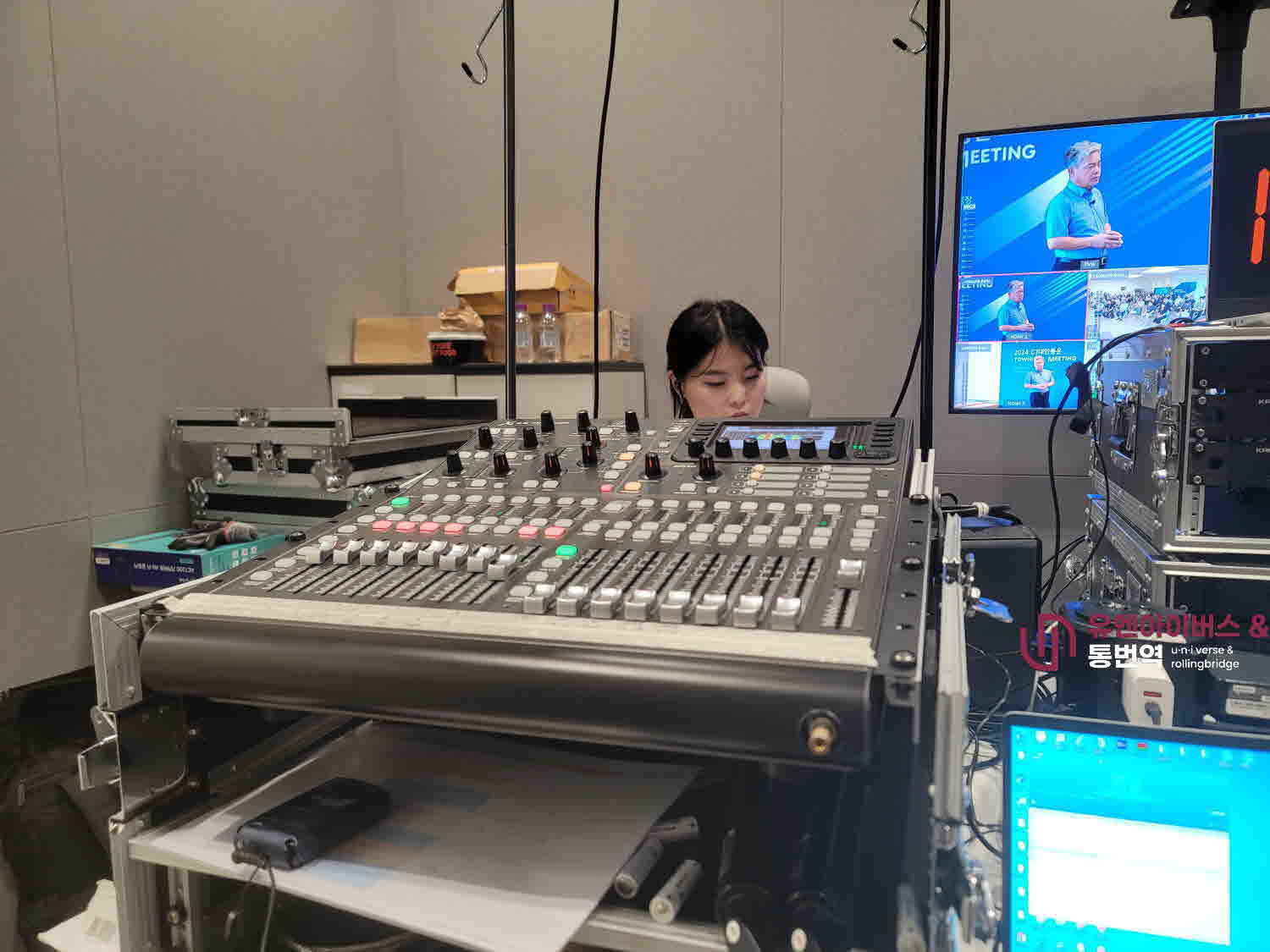
Paying more for an individual interpreter does not necessarily improve the outcome if the interpreter is poorly matched, receives no materials, works with inadequate audio, or operates without technical support.
8. Interpretation Matching vs. Communication Management
Professional interpretation companies do not begin by asking:
“Which interpreter is available?”
They first analyze the communication environment.
Project Assessment Process
|
Assessment Question
|
Purpose
|
|
What is the purpose of the event? |
Defines the communication objective |
|
What decisions will be made? |
Identifies the level of risk |
|
How complex is the subject matter? |
Determines expertise requirements |
|
How much interaction is expected? |
Clarifies interpretation method and staffing |
|
Will there be a Q&A session? |
Prepares for unpredictable communication |
|
What communication risks exist? |
Establishes preventive measures |
|
Which interpretation method is appropriate? |
Selects simultaneous, consecutive, or hybrid delivery |
|
What equipment is required? |
Ensures stable audio and language transmission |
Only after this assessment should the service provider determine:
- Interpreter qualifications
- Number of interpreters
- Interpretation method
- Equipment requirements
- Technical staffing
- Event workflow
- Glossary preparation
- Quality management procedures
- Backup and contingency measures
This systematic approach reduces communication risk before it becomes visible.
9. Interpretation Solution Selection Matrix
|
Project Condition
|
Platform-Based Interpretation
|
Professional Interpretation
|
|
Simple information exchange |
Recommended |
Optional |
|
Limited technical terminology |
Recommended |
Optional |
|
Low decision-making impact |
Recommended |
Optional |
|
Short visitor assistance |
Recommended |
Usually unnecessary |
|
Internal routine meeting |
Suitable |
Depends on importance |
|
External business meeting |
Conditional |
Recommended |
|
Technical or regulatory content |
Limited suitability |
Recommended |
|
Investor or executive communication |
Not recommended |
Essential |
|
Contract negotiation |
Not recommended |
Essential |
|
Medical or legal communication |
Not recommended |
Essential |
|
Government or diplomatic event |
Not recommended |
Essential |
|
Multilingual conference |
Not recommended |
Essential |
|
Simultaneous interpretation with equipment |
Limited suitability |
Essential |
|
High reputational risk |
Not recommended |
Essential |
10. Cost Efficiency Changes with Communication Complexity
Low-cost interpretation is most efficient when both communication complexity and the consequences of misunderstanding remain low.
|
Communication Complexity
|
Consequence of Error
|
Recommended Solution
|
|
Low |
Low |
Platform-based or AI-assisted interpretation |
|
Medium |
Low |
Platform-based interpretation with qualified selection |
|
Medium |
Medium |
Professionally coordinated interpretation |
|
High |
Medium |
Professional interpretation |
|
High |
High |
Full interpretation system design |
|
Very High |
Very High |
Professional interpreters, equipment, technical support, and contingency planning |
The right question is therefore not:
“Which interpretation service is cheaper?”
The better question is:
“Which interpretation solution provides the right level of protection for this communication environment?”
11. Key Takeaway
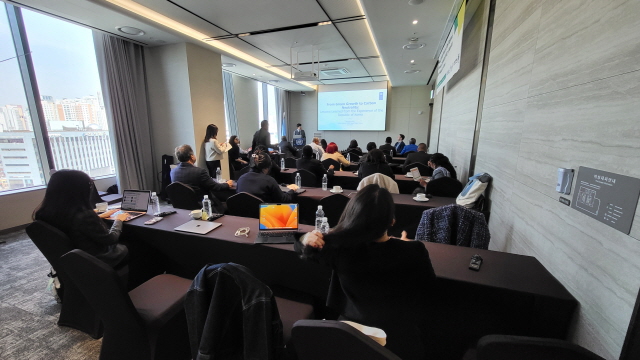
Platform-based interpretation is an effective and cost-efficient solution for low-risk communication.
Professional interpretation is a communication management system designed for situations in which business outcomes, technical accuracy, stakeholder trust, and strategic decisions matter.
|
Selection Priority
|
Appropriate Solution
|
|
Speed and low cost |
Platform-based interpretation |
|
Simple information transfer |
Platform-based or AI-assisted interpretation |
|
Industry-specific accuracy |
Professional interpretation |
|
Negotiation and decision support |
Professional interpretation |
|
Technical and operational reliability |
Professionally designed interpretation system |
|
Risk reduction and outcome protection |
Professional interpretation |
The right choice is determined not by price alone, but by:
- Communication complexity
- Subject-matter difficulty
- Decision-making impact
- Consequences of misunderstanding
- Required level of preparation
- Technical and operational conditions
About Our Case Archive
The case studies and project insights presented on this website are based on experience supporting:
- International conferences
- Investor presentations
- Government forums
- Executive meetings
- Technical seminars
- Multilingual corporate events
To protect client confidentiality and comply with the Code of Professional Conduct followed by professional interpreters worldwide, certain project details may be generalized, anonymized, or adapted for educational purposes.
These materials are intended to share practical insights into multilingual communication planning while respecting the confidentiality of every client and project.

About Our Case Archive
The case studies and project insights presented on this website are based on experience supporting international conferences, investor presentations, government forums, executive meetings, technical seminars, and multilingual corporate events.
To protect client confidentiality and comply with the Code of Professional Conduct followed by professional interpreters worldwide, certain project details have been generalized, anonymized, or adapted for educational purposes.
The purpose of these materials is to share practical insights into multilingual communication planning while respecting the confidentiality of every client and every project.
UNIVERSE RB
Designing Communication. Managing Risk. Delivering Understanding.