
Quotation


Performance
Why Interpretation Company Capability Matters More Than Individual Interpreters How Communication System Design Differentiates Tier 2 and Tier 3 Providers
- 2026.08.01
Tier 2 interpretation companies differentiate themselves not by employing better interpreters, but by designing and managing the entire multilingual communication system behind each event.
Unlike Tier 3 providers that rely primarily on individual interpreter performance, Tier 2 firms optimize interpreter allocation, technical operations, project management, and communication risk to deliver consistent quality while controlling costs.
Ultimately, the difference between Tier 2 and Tier 3 lies not in interpreter capability, but in the company's ability to transform professional interpretation into reliable, scalable communication outcomes.
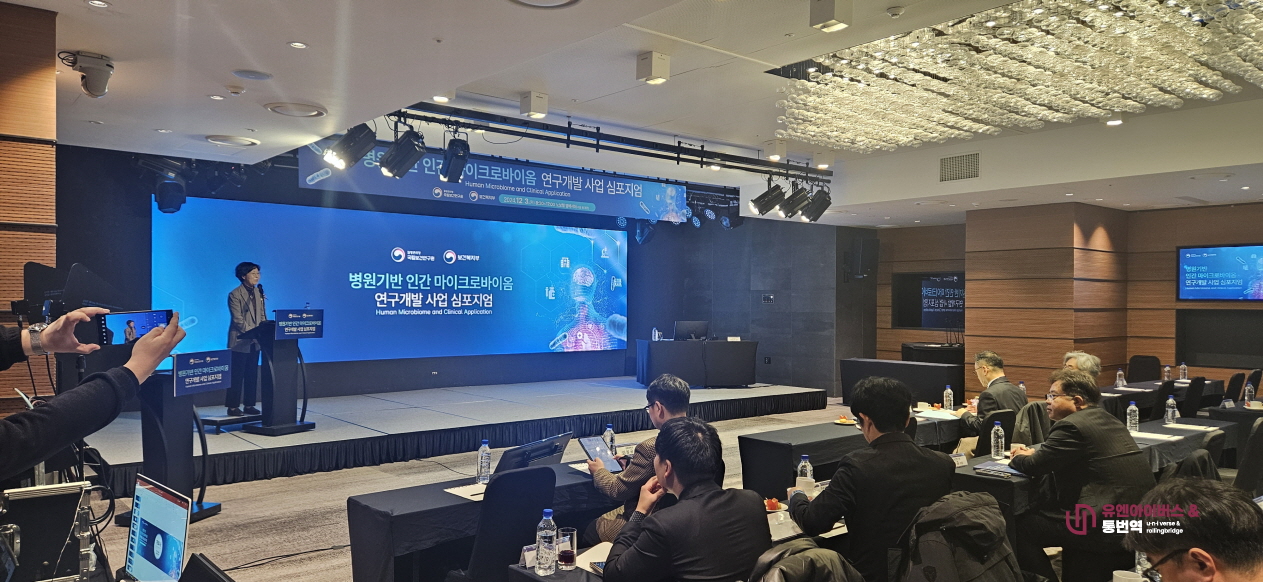
Executive Summary
Why do two interpretation companies using equally qualified interpreters produce completely different results?
The difference is rarely the interpreter.
The difference is how the interpretation company designs, manages, and delivers multilingual communication.
Professional interpreters often have comparable linguistic ability and subject-matter expertise. However, successful international events depend on much more than individual interpreter performance.
The real distinction between a Tier 2 interpretation company and a Tier 3 provider lies in its ability to design the communication system behind the event.
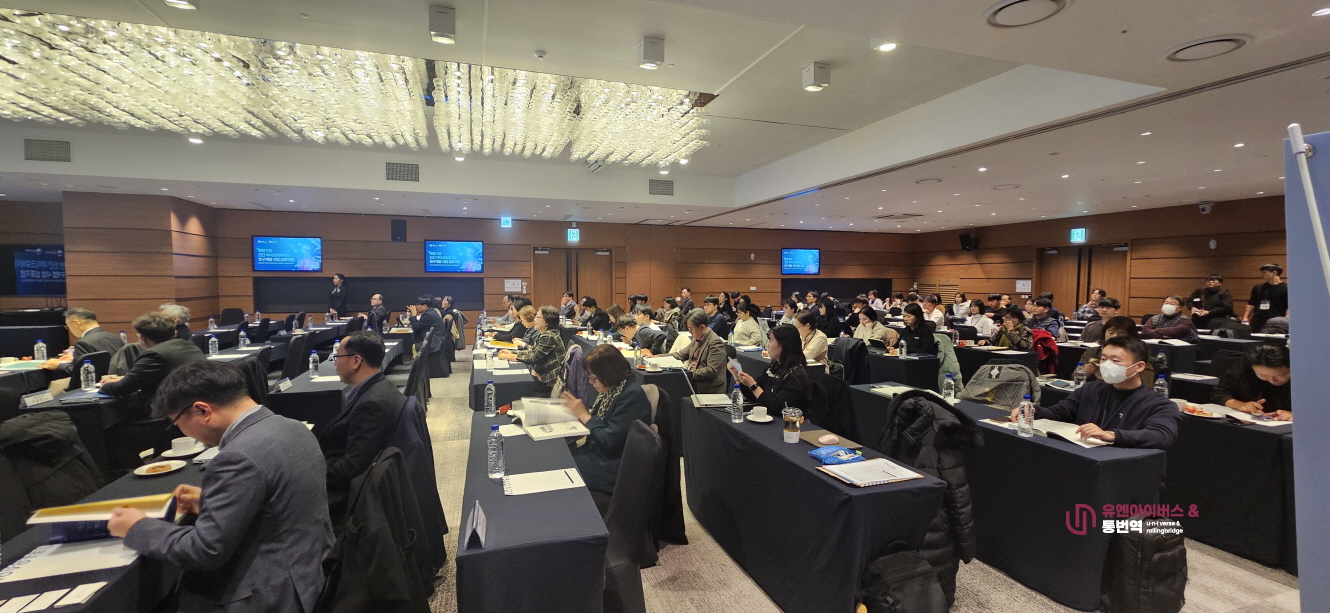
A Tier 2 provider can adjust interpretation resources, project structure, technical support, and risk management according to the communication objectives of each event. This allows organizations to optimize both quality and cost without compromising communication outcomes.
By contrast, many Tier 3 providers rely primarily on assigning individual interpreters. Without a structured communication framework, project quality becomes heavily dependent on the performance of a single interpreter, leading to greater variation and higher communication risk.
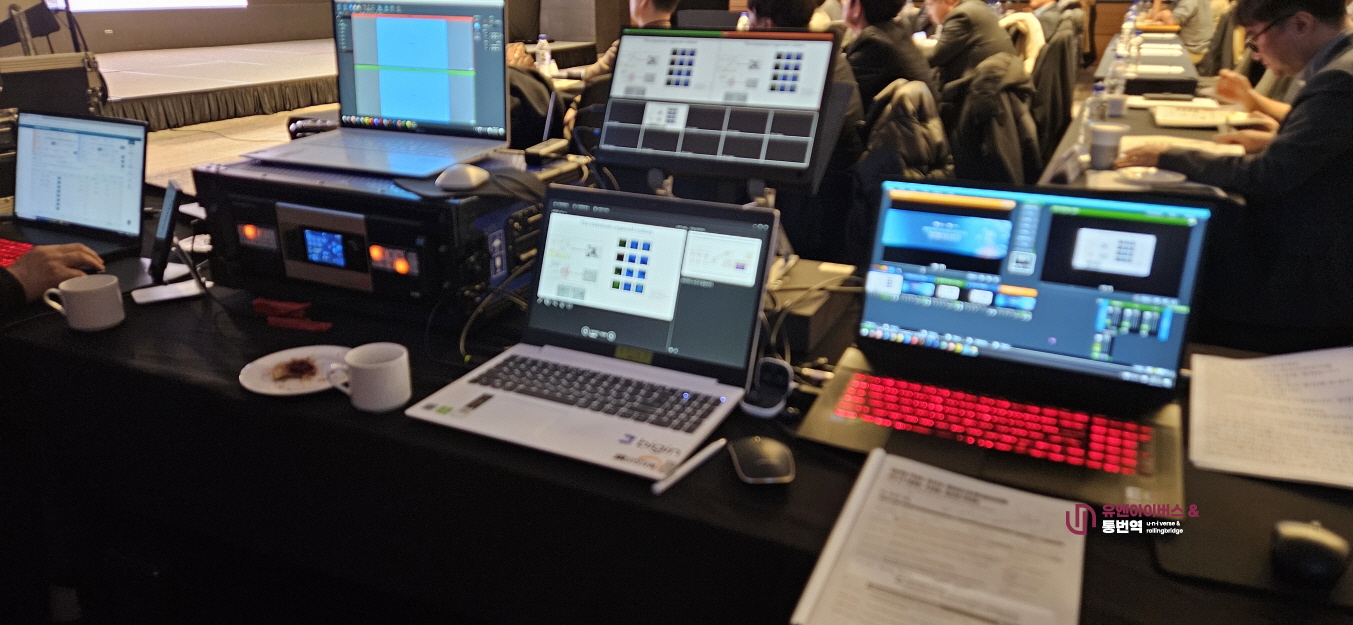
This article explains why the competitive advantage of a professional interpretation company is not simply who interprets, but how the entire communication system is designed and managed.
Ultimately, the difference between Tier 2 and Tier 3 is not interpreter quality—it is the company's ability to transform professional interpretation into consistent communication outcomes.

About Our Case Archive
The case studies and project insights presented on this website are based on experience supporting international conferences, investor presentations, government forums, executive meetings, technical seminars, and multilingual corporate events.
To protect client confidentiality and comply with the Code of Professional Conduct followed by professional interpreters worldwide, certain project details have been generalized, anonymized, or adapted for educational purposes.
The purpose of these materials is to share practical insights into multilingual communication planning while respecting the confidentiality of every client and every project.
UNIVERSE RB
Designing Communication. Managing Risk. Delivering Understanding.