
Quotation


Performance
Consecutive or Simultaneous Interpretation? Understanding the True Cost of Time, Efficiency, and Communication
- 2026.07.28
Executive Summary
Consecutive interpretation is often selected because it requires a lower initial investment than simultaneous interpretation.
For many meetings, this is the right decision.
However, the total cost of an event is determined not only by interpretation fees, but also by time, communication efficiency, and business outcomes.
As events become larger and more interactive, the additional time required for consecutive interpretation may outweigh its lower upfront cost.
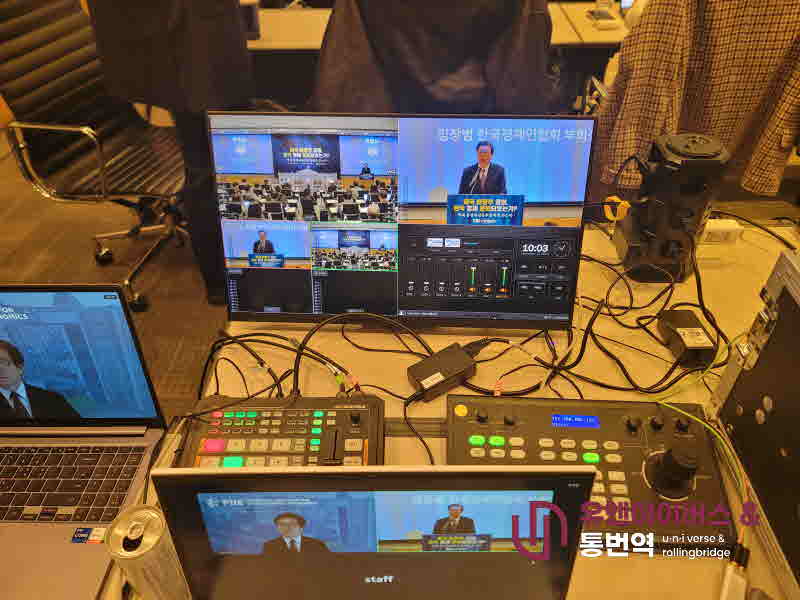
Two Different Cost Structures
Professional interpretation generally follows two different cost models.
Simultaneous Interpretation
- Higher initial investment
- Saves event time
- Maintains presentation flow
- Better suited to larger audiences and multilingual conferences
Consecutive Interpretation
- Lower initial investment
- Requires additional event time
- Well suited to dialogue-based communication
- Most effective for small meetings and discussions
The difference is not simply price.
It is the balance between time and communication efficiency.
When Consecutive Interpretation Works Well
Consecutive interpretation is often an excellent choice under the following conditions.
|
Evaluation
|
Suitable Conditions
|
Higher-Risk Conditions
|
|
Audience Size |
Small groups |
Large audiences |
|
Event Format |
Dialogue and discussion |
Presentation-focused sessions |
|
Schedule |
Flexible timetable |
Tight agenda |
|
Q&A Activity |
Limited |
Extensive live discussion |
|
Decision-Making |
Routine communication |
Contract negotiations, investment, executive decisions |
When one or more higher-risk conditions apply, simultaneous interpretation or a hybrid approach may improve overall event efficiency.
Looking Beyond the Initial Cost
Choosing consecutive interpretation may reduce the initial quotation.
However, organizers should also consider:
- Additional event duration
- Longer speaker schedules
- Audience attention span
- Venue rental time
- Participant productivity
- Communication continuity
The total cost of an event extends beyond interpretation fees alone.
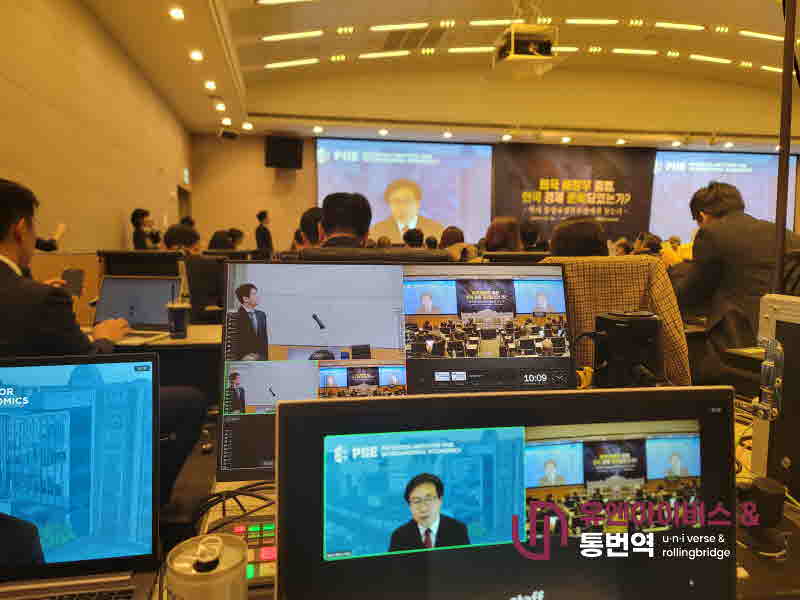
Practical Workflow
Many organizations experience a progression similar to the following:
|
Stage |
Typical Outcome |
|
Lower initial interpretation cost |
Reduced upfront budget |
|
Longer interpretation cycle |
Extended schedule |
|
Reduced communication flow |
More interruptions |
|
Additional clarification |
Increased discussion time |
|
Overall event duration increases |
Higher operational cost |
The impact depends on the event structure rather than the interpretation method itself.
Consecutive vs. Simultaneous Interpretation
|
Category |
Consecutive Interpretation |
Simultaneous Interpretation |
|
Delivery Method |
Speaker pauses, interpreter speaks afterward |
Interpretation delivered while the speaker continues |
|
Communication Style |
Dialogue-oriented |
Presentation-oriented |
|
Typical Applications |
Business meetings, negotiations, interviews, small seminars |
International conferences, forums, conventions, keynote presentations |
|
Primary Strength |
High conversational accuracy |
Continuous multilingual communication |
|
Required Skills |
Context management, dialogue control |
Real-time processing, subject expertise, sustained concentration |
|
Equipment |
Usually unnecessary |
Interpretation booths, receivers, consoles, audio systems |
|
Operational Focus |
Human interaction |
Integrated interpretation system |
Both methods are professional interpretation techniques designed for different communication environments.
Operational Considerations
When consecutive interpretation is used in presentation-heavy events, organizers may observe:
- More frequent interruptions
- Longer session duration
- Reduced presentation momentum
- Less time available for discussion
- Increased schedule pressure
These are operational considerations rather than interpretation errors.
Practical Strategies for Limited Budgets
Organizations with budget constraints often optimize the interpretation plan instead of simply selecting the lowest-cost option.
Hybrid Strategy (Recommended)
- Keynote presentations: Simultaneous interpretation
- Q&A and small-group discussion: Consecutive interpretation
This approach often balances cost efficiency with communication quality.
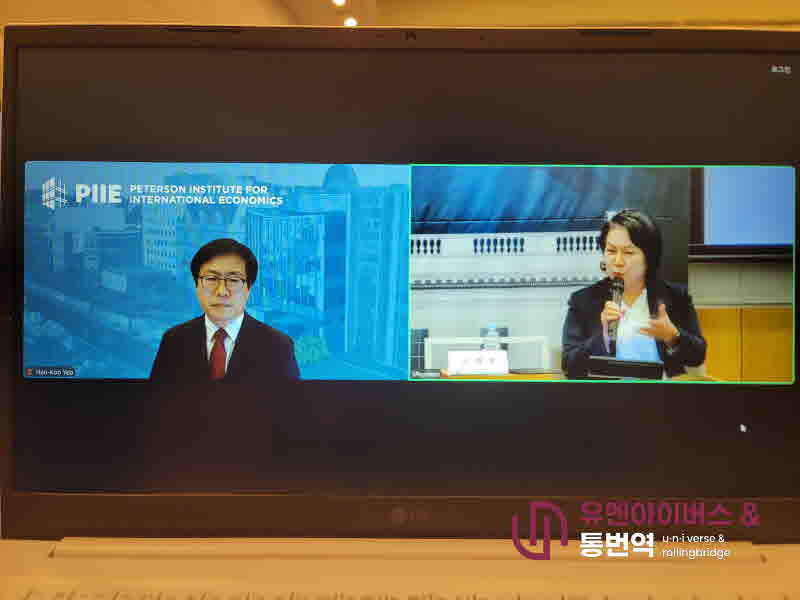
Prioritize Critical Sessions
Instead of interpreting the entire program:
- Cover executive presentations
- Support negotiation sessions
- Interpret investor meetings
- Focus on high-impact discussions
Professional resources can then be concentrated where communication matters most.
Optimize Consecutive Interpretation
If consecutive interpretation is selected:
- Encourage shorter speaking segments.
- Allow sufficient schedule flexibility.
- Share presentation materials beforehand.
- Structure Q&A sessions clearly.
Preparation frequently improves communication more effectively than increasing the budget alone.
Key Takeaway
Consecutive interpretation reduces initial costs.
However, the trade-off is typically time rather than communication quality.
As event complexity, audience size, and interaction increase, the value of simultaneous interpretation often grows because it preserves the pace and continuity of communication.
Final Conclusion
Choosing consecutive interpretation because of budget limitations is often a reasonable decision.
The important question is whether the communication structure of the event supports that choice.
For dialogue-based meetings, consecutive interpretation can be highly effective.
For presentation-centered international events, simultaneous interpretation may improve overall efficiency despite its higher initial cost.
The most effective interpretation strategy is determined not by price alone, but by communication objectives, event design, and business requirements.
Case Archive Notice
The case archive on this website is based on multilingual communication projects involving international conferences, policy forums, executive meetings, investor presentations, and corporate events.
To protect client confidentiality and comply with the international Code of Professional Conduct, some project details have been generalized.