
Quotation


Performance
Smart Architecture and Digital Transformation International Seminar Simultaneous Interpretation | BIM · Digital Twin · IoT-Based Building and Urban Infrastructure Forum – UNIVERSE RB
- 2025.07.31
This conference highlights digital construction and smart building technologies, focusing on BIM, intelligent facility management, and AI-driven building operations.
Key interpretation topics include BIM-based design automation and simulation, IoT-enabled smart building monitoring, AI-powered energy management, predictive maintenance, and real-time data applications that enhance operational efficiency.
Because smart construction integrates architecture, information technology, and artificial intelligence, professional interpretation is essential to accurately communicate technical terminology, system architecture, and operational strategies across multidisciplinary audiences.
AI & Digital Transformation
Category Description
This category covers interpretation cases related to AI adoption, industrial
automation, data-driven decision-making, and digital transformation
technologies.
UNIVERSE RB provides integrated services including:
Simultaneous interpretation Consecutive interpretation Technical seminar interpretation AI-assisted caption support QMS-based quality management operations
We support technology seminars, industry forums, and digital innovation conferences with stable and professional interpretation environments.

1. Event Overview
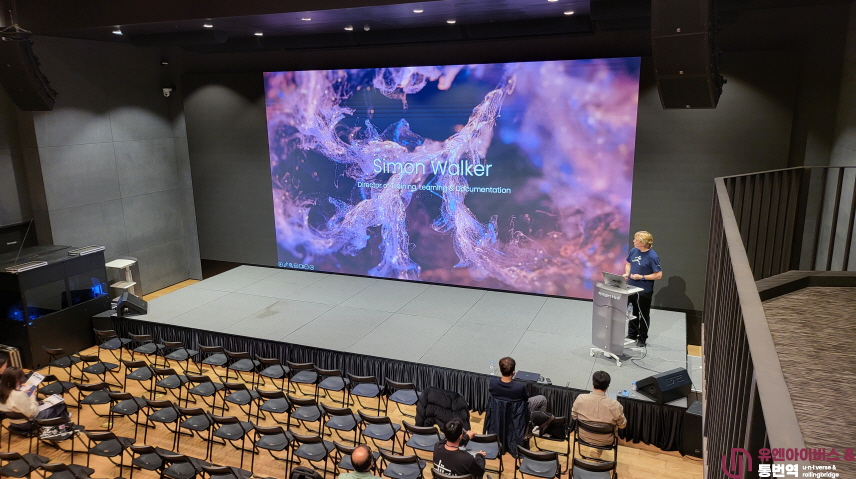
This international technical seminar focused on smart architecture and digital transformation. It brought together architectural firms, urban planning experts, IT companies, and public sector representatives to share advanced construction technologies and ICT convergence practices.
English–Korean simultaneous interpretation was provided to accurately and contextually deliver high-level discussions at the intersection of architecture, IT, and urban planning.
Interpretation in the smart architecture domain requires simultaneous understanding of technological structures and policy/environmental context.
2. Complexity Analysis
Smart architecture and digital transformation seminars typically involve:
-
Advanced technical terminology such as BIM and Digital Twin
-
Presentations linked to 3D models, architectural drawings, and simulation videos
-
Hybrid usage of IT and architectural terminology
-
Policy components such as ESG and energy efficiency
-
Real-time data and sensor-based system explanations
Without structural understanding, literal translation of concepts such as design automation or digital twin modeling may result in distortion of meaning.
3. Scope of Interpretation
-
Simultaneous interpretation for smart building and urban infrastructure sessions
-
BIM, Digital Twin, and IoT-based technology presentations
-
Panel discussions and Q&A sessions
-
Interpretation linked to drawings, 3D models, and simulation demonstrations
-
Policy, ESG, and energy efficiency sessions
4. Key Interpretation Content
1) BIM-Based Design Automation & Simulation
-
BIM-driven automated design processes
-
Construction, cost, and operational simulations
-
Data-based collaborative workflows
Interpretation emphasized structural clarity and process flow.
2) Smart Building Facility Monitoring
-
IoT sensor-based facility management
-
Integrated operational platforms
-
Maintenance efficiency strategies
Explanatory techniques were applied to bridge IT and architectural terminology gaps.
3) AI-Based Building Management
-
AI-driven energy optimization
-
Predictive maintenance systems
-
Real-time data utilization cases
Complex algorithm explanations were delivered with focus on core conceptual points.
4) Sustainable Architecture & Carbon Reduction Design
-
Eco-friendly construction materials
-
Energy-efficient systems
-
ESG-integrated design strategies
Environmental and policy terminology was interpreted with contextual precision.
5) Construction Automation & Robotics
-
Drone-based site monitoring
-
Robotic construction automation
-
Safety and quality control technologies
Rapid contextual transitions were maintained in high-speed technical discussions.
5. Core Operational Indicators
| Category | Details |
|---|---|
| Event Type | International Smart Architecture Technology Seminar |
| Interpretation Mode | English–Korean Simultaneous Interpretation |
| Technical Terminology Ratio | Approx. 60–80% |
| Visual Material Integration | Drawings · 3D Models · Simulations |
| Policy & ESG Content | Approx. 20–30% |
| Participants | Architects · IT Firms · Urban Planners · Public Agencies |

6. Pre-Event Preparation & Strategy
-
Advance analysis of presentation materials and technical documentation
-
Development of a specialized glossary integrating architecture and IT terminology
-
Clarification of BIM, Digital Twin, and Smart City frameworks
-
Pre-review of drawings and multimedia materials
-
Analysis of technical flow and demonstration sequence
This preparation ensured accuracy in real-time interpretation linked to visual materials.
7. Core Interpretation Competencies
-
Professional understanding of architecture–IT convergence
-
Ability to condense and deliver key technical messages
-
Expression adjustment tailored to audience expertise level
-
Real-time interpretation synchronized with visual materials
-
Rapid contextual switching with stable delivery
Smart architecture interpretation requires both structural comprehension and technical fluency.
8. Application of the QMS 9-Step Quality Management System
-
Analysis of seminar technical scope
-
Collection of BIM and ICT-related materials
-
Integration of interdisciplinary terminology
-
Matching with architecture–IT specialized interpreters
-
Presentation structure rehearsal
-
Verification checklist for technical acronyms and numerical data
-
On-site quality monitoring
-
Panel and Q&A response support
-
Post-event feedback and continuous improvement
9. Performance Evaluation
Through this smart architecture and digital transformation seminar, complex technical concepts and interdisciplinary applications were delivered clearly and systematically.
Technical presentations and discussions progressed smoothly, enhancing overall comprehension and depth of engagement.
10. Representative Engagement Cases
-
“2025 Smart Architecture Innovation Technology Seminar” – Simultaneous Interpretation
-
“BIM + IoT Convergence Urban Infrastructure Strategy Forum” – Interpretation
-
“Architectural Digital Transformation & ESG Response Seminar” – Session Interpretation
11. FAQ
Smart Architecture & Digital Transformation Seminar Interpretation
1. Why is interpretation important in smart architecture and digital transformation seminars?
Smart architecture seminars often involve complex discussions combining architecture, information technology, and urban infrastructure systems.
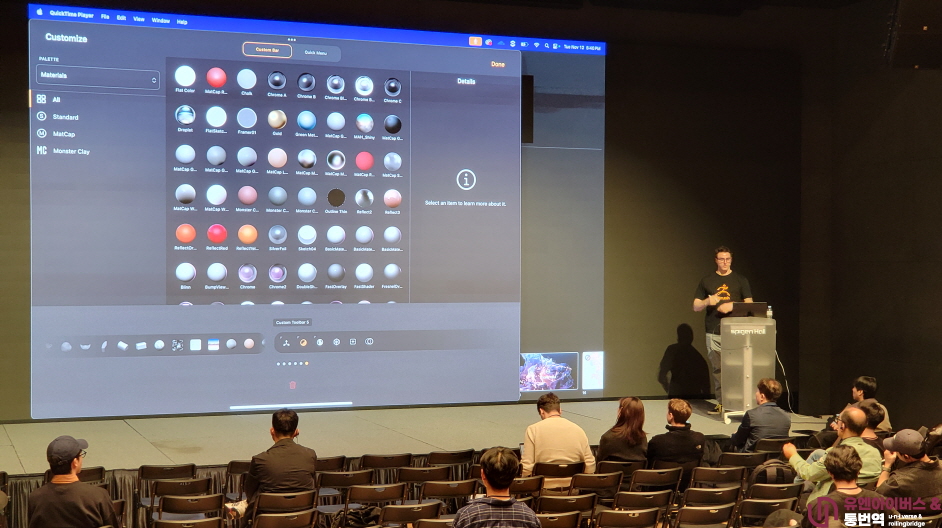
Professional simultaneous interpretation ensures that technical concepts such as BIM modeling, digital twin simulations, and IoT-based building management are accurately communicated to international participants.
Without precise interpretation, misunderstandings in technical structure or design concepts could disrupt collaboration in global smart infrastructure projects.
2. What makes interpretation in smart architecture seminars particularly complex?
Smart architecture interpretation requires interdisciplinary understanding because the discussions combine multiple domains, including:
-
Architectural design and construction processes
-
Information technology systems and data platforms
-
Digital twin simulation and real-time monitoring technologies
-
Smart city infrastructure frameworks
-
Environmental policy and ESG-related regulations
Interpreters must simultaneously deliver both technical details and policy implications in real time.
3. What type of interpretation is typically used in digital transformation technology conferences?
Most smart architecture and digital transformation conferences use simultaneous interpretation, especially for:
-
Technology presentations
-
Industry forums
-
Smart city policy sessions
-
Panel discussions and Q&A
Simultaneous interpretation enables participants from different countries to follow complex technical discussions without interrupting the flow of the event.
4. How do interpreters prepare for architecture and smart city technology seminars?
Preparation usually includes:
-
Reviewing presentation materials, technical documents, and research papers
-
Building a glossary integrating architecture, IT, and smart city terminology
-
Studying BIM workflows and digital twin modeling concepts
-
Analyzing diagrams, architectural drawings, and simulation videos
-
Preparing for interdisciplinary discussions involving ESG and sustainability policies
This preparation ensures stable interpretation even during visually complex presentations.

5. What topics are most frequently discussed in smart architecture technology seminars?
Typical topics include:
-
BIM-based design automation and project simulations
-
Digital twin technology for building lifecycle management
-
IoT sensor systems for smart building monitoring
-
AI-based predictive maintenance systems
-
Sustainable architecture and carbon reduction strategies
-
Construction robotics and automated site management
These discussions require interpreters to understand both engineering processes and digital technology frameworks.
6. Why is visual synchronization important in architecture interpretation?
Architecture and infrastructure presentations often rely on visual materials such as:
-
Architectural drawings
-
3D building models
-
Simulation videos
-
Digital twin dashboards
Interpreters must synchronize their interpretation with these visual materials to ensure that audiences correctly understand spatial structures and system workflows.
7. How does UNIVERSE RB ensure interpretation quality in technology seminars?
UNIVERSE RB applies its QMS 9-Step Quality Management System, which includes:
-
Analysis of seminar themes and technical scope
-
Integration of architecture and IT terminology
-
Matching interpreters with interdisciplinary expertise
-
Verification of technical acronyms and numerical indicators
-
Structural rehearsal of presentations
-
On-site quality monitoring
-
Post-event feedback and continuous improvement
This structured process ensures reliable interpretation in complex digital transformation environments.
8. Who typically participates in smart architecture and digital transformation seminars?
Participants often include:
-
Architectural design firms
-
Urban planning experts
-
Technology companies and software developers
-
Construction and engineering companies
-
Government and public infrastructure agencies
-
Smart city research institutions
Professional interpretation helps these diverse sectors collaborate effectively on global smart infrastructure initiatives.
In large-scale international seminars, stable multilingual communication is achieved when interpretation systems, technical equipment, and interpreter operations are designed as an integrated architecture.

Conclusion
Interpretation in smart architecture and digital transformation is a convergence-based, high-level professional field encompassing architecture, IT, urban planning, and environmental policy.
Accurate technical delivery combined with contextual interpretation is a key factor in advancing global smart infrastructure collaboration.
This
case represents one of the seminars or forums discussing the industrial
application of AI technologies.
AI technologies continue to expand across manufacturing, data analytics, and
automation systems through real-world implementation.
→ See Digital Transformation Conference Cases
https://universerb.com/en/11_en/304?page=39

The case archive on this
website is based on interpretation and global communication experiences
conducted in international seminars, policy forums, corporate presentations,
and industry conferences.
To comply with client confidentiality and the Code of Professional Conduct,
some event details are described in a generalized manner.