
Quotation


Performance
Translation Quality Management | Why Professional Translation Quality Differs | UNIVERSE RB
- 2026.07.26
At UNIVERSE RB, we believe translation quality is determined by the system—not by the individual translator.
While many translation providers rely on the experience of a single linguist, we apply a structured Quality Management System (QMS) that standardizes terminology, quality assurance, document review, and communication strategy throughout every project.
For organizations operating across languages, consistency is not optional—it is essential.
Executive Summary
The difference between average and exceptional translation rarely comes down to language ability alone.
It comes from how quality is managed.
Without a structured quality framework, terminology changes, writing styles vary, and critical information may be interpreted inconsistently across documents.
UNIVERSE RB integrates:
- Translation Quality Management (TQM)
- QMS-based quality assurance
- Terminology governance
- Multi-stage linguistic review
- AI-assisted terminology analysis
- Risk-based communication management
Our objective is simple:
Deliver multilingual communication that remains accurate, consistent, and reliable from the first document to the last.
Why Translation Quality Varies
Many organizations assume that translation quality depends entirely on the translator.
In reality, the greatest differences arise from the absence of standardized quality management.
Common challenges include:
Inconsistent Translator Assignment
Different translators often produce different writing styles, terminology choices, and levels of technical accuracy.
Without centralized management, consistency becomes difficult to maintain.
No Terminology Governance
Critical business terms may be translated differently across documents.
For example, a financial term may appear with multiple translations depending on the individual translator, creating confusion for readers and stakeholders.
Speed-Oriented Workflows
Translation priced solely by word count often prioritizes production speed over communication quality.
This increases the likelihood of literal translations that fail to convey the intended business meaning.
Limited Quality Review
Single-stage review processes may overlook terminology inconsistencies, contextual errors, or numerical inaccuracies.
No Communication Strategy
A legal agreement, investor presentation, technical manual, and marketing brochure require fundamentally different communication approaches.
Applying the same workflow to every document increases communication risk.
Our QMS-Based Translation Framework
UNIVERSE RB approaches translation as a controlled communication process.
Every project follows a structured workflow designed to minimize risk and maximize consistency.
Process | Purpose |
Document objective analysis | Define communication goals and audience |
Terminology governance | Maintain consistent multilingual terminology |
Professional translation | Accurate linguistic transfer |
Multi-stage review | Improve clarity, style, and consistency |
Technical validation | Verify data, figures, and references |
Quality assurance | Confirm linguistic and technical accuracy |
Final quality control | Deliver publication-ready content |
This framework ensures that quality is managed systematically rather than depending on individual judgment alone.
AI Supports the Process. People Control the Quality.
Artificial intelligence has transformed translation workflows.
It accelerates preparation, terminology extraction, and repetitive language processing.
However, high-impact business communication still requires professional oversight.
UNIVERSE RB combines AI-assisted efficiency with expert human review to ensure:
- Contextual accuracy
- Consistent terminology
- Industry-specific language
- Financial and numerical verification
- Cultural appropriateness
- Final publication quality
Technology increases productivity.
Professional expertise protects communication.
Specialized Translation for High-Risk Industries
Certain industries require significantly higher levels of linguistic precision.
We regularly support:
- Investor Relations (IR)
- Financial Services
- Legal Documentation
- Government & Public Policy
- Healthcare & Medical
- Pharmaceuticals
- Engineering & Manufacturing
- Technology & Artificial Intelligence
- International Trade
- Corporate Communications
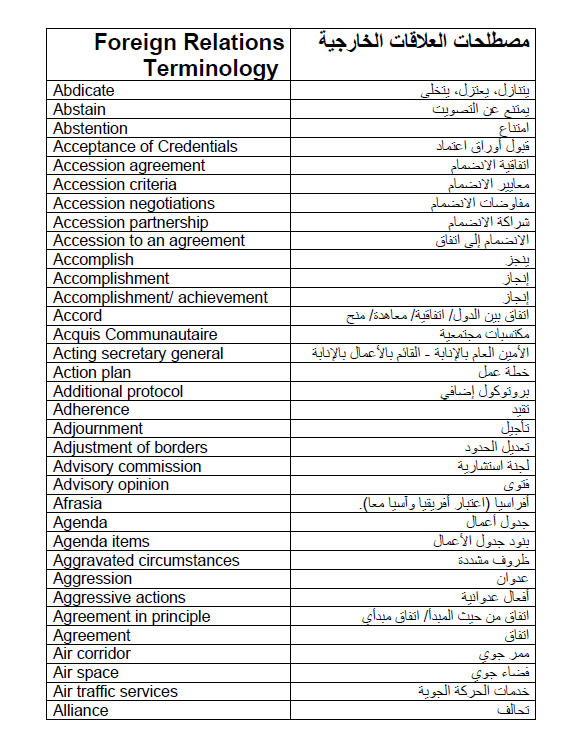
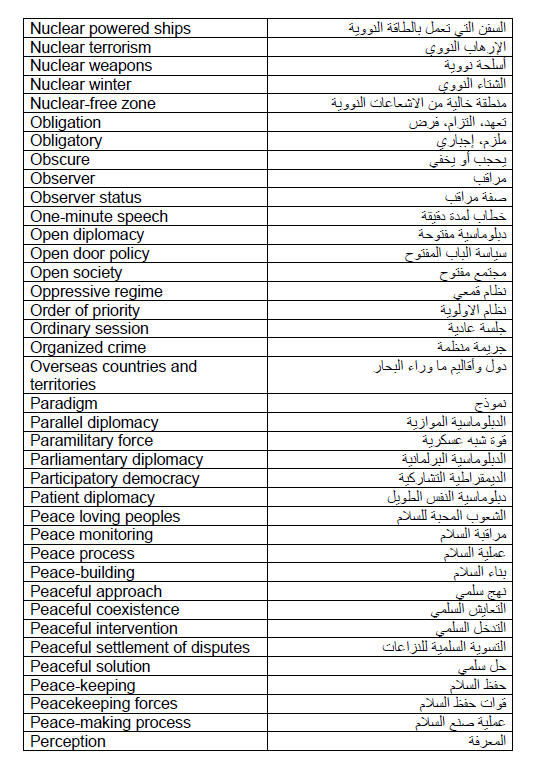
For projects involving Arabic, terminology management follows internationally recognized linguistic references appropriate to the subject matter, helping maintain consistency across diplomatic, policy, and institutional documentation.
Why Organizations Choose UNIVERSE RB
Clients choose UNIVERSE RB because they require dependable communication—not simply translated text.
Our approach includes:
- QMS-based Translation Quality Management
- International Code of Professional Conduct
- Multi-stage quality assurance
- Professional subject-matter linguists
- AI-assisted terminology analysis
- Translation consistency across projects
- Communication risk management
- Structured quality governance
Frequently Asked Questions
Why do translation providers produce different quality?
Because quality depends on the translation workflow, terminology management, and quality assurance system—not solely on the translator.
Is AI translation sufficient for business documents?
AI is highly effective for speed and productivity.
However, contracts, investor materials, technical documentation, and regulatory content require professional review to ensure accuracy and minimize business risk.
What is a QMS-based translation system?
It is a structured quality management framework that standardizes terminology, review procedures, document analysis, and quality assurance to deliver consistent multilingual communication.
Why do professional translation fees vary?
Pricing reflects more than document length.
Industry expertise, technical complexity, communication risk, and quality assurance requirements all influence the overall scope of work.
Our Communication Philosophy
Translation should strengthen business communication—not introduce uncertainty.
Whether supporting international negotiations, investor communications, legal documentation, technical publications, or healthcare content, our objective remains the same:
Deliver multilingual communication that organizations can trust when making important decisions.
Conclusion
Translation quality is not determined by individual talent alone.
It is the outcome of a well-designed quality management system.
UNIVERSE RB combines professional linguists, QMS-based quality management, AI-assisted analysis, terminology governance, and rigorous review processes to deliver translation solutions that protect accuracy, ensure consistency, and reduce communication risk.
Structured Quality. Trusted Translation. Global Communication Confidence.
Professional and Confidentiality Standards
The case archive presented on this website is based on actual international seminars, policy forums, corporate presentations, business meetings, and industry conferences.
To protect client information and comply with the Code of Professional Conduct, selected project details may be generalized or anonymized.
UNIVERSE RB designs interpretation quality throughout the entire process.
From the initial consultation, we analyze the event objective, audience profile, language structure, subject complexity, technical environment, and onsite operating conditions to recommend the most appropriate communication solution.