
Quotation


Performance
Medical Interpretation Cost Guide (2026) Medical Seminars · Clinical Research · Medical Devices · Healthcare Conferences
- 2026.07.25
UNIVERSE RB is a professional interpretation and translation group specializing in interpretation system design for international seminars, Investor Relations events, policy forums, medical conferences, and other high-stakes global events.
Executive Summary
Medical interpretation generally costs more than standard business interpretation because medical communication requires a higher level of terminology accuracy, data precision, regulatory awareness, and risk control.
For international medical seminars, clinical presentations, medical device briefings, and healthcare conferences, typical project budgets are:
Medical consecutive interpretation: USD 550–1,350+ Medical simultaneous interpretation: USD 1,700–3,400+ Large multilingual medical conferences: Custom quotationActual fees depend on:
- Interpretation method
- Medical specialization
- Event format
- Language combination
- Number of interpreters
- Q&A complexity
- Clinical and statistical data density
- Interpretation equipment
- Onsite technical support
Medical interpretation should therefore be evaluated as a high-stakes communication and risk-management service, not simply an hourly language service.
What Is Medical Interpretation?
Medical interpretation is the professional communication of specialized information across languages in healthcare, pharmaceutical, biotechnology, clinical research, and medical device environments.
It is commonly required for:
- Medical seminars
- Clinical research meetings
- Pharmaceutical presentations
- Medical device demonstrations
- Healthcare conferences
- Hospital briefings
- Regulatory discussions
- Investigator meetings
- Advisory boards
- Medical training sessions
The interpreter must accurately manage:
- Medical and clinical terminology
- Numerical and statistical data
- Drug and device information
- Treatment protocols
- Regulatory terminology
- Safety information
- Unscripted expert Q&A
- Speaker intent and logical structure
Medical interpretation is not simply about translating words.
It is about ensuring that technical information, clinical evidence, and professional intent are transferred without distortion.
Why Medical Interpretation Costs More
Medical interpretation involves communication where even a small error may affect professional credibility, regulatory understanding, commercial decisions, or patient-related outcomes.
The cost difference is driven by five main factors.
1. High Terminology Density
Medical, pharmaceutical, biotechnology, and clinical research presentations contain specialized terminology, abbreviations, and product-specific expressions.
Typical examples include:
- Indications
- Contraindications
- Adverse events
- Treatment protocols
- Efficacy endpoints
- Statistical significance
- Patient populations
- Clinical trial phases
- Dosage and administration
- Regulatory approval scope
These terms must be interpreted consistently and accurately throughout the event.
2. Clinical Data and Numerical Precision
Medical presentations frequently include:
- Patient numbers
- Response rates
- Adverse event rates
- Trial and control group comparisons
- Dosage information
- Confidence intervals
- Statistical outcomes
- Safety and efficacy results
A single incorrect number, unit, percentage, or comparison may materially change the meaning of the presentation.
3. Regulatory and Legal Sensitivity
Medical communication may involve:
- Product approval
- Permitted indications
- Safety warnings
- Device certification
- Regulatory requirements
- Compliance obligations
- Clinical documentation
- Product liability considerations
Incorrect interpretation may lead to misunderstanding, contractual issues, compliance risks, or reputational damage.
4. High-Difficulty Q&A
The most demanding part of a medical event is often the Q&A session.
Questions from physicians, researchers, clinical teams, regulatory specialists, and hospital representatives are rarely scripted.
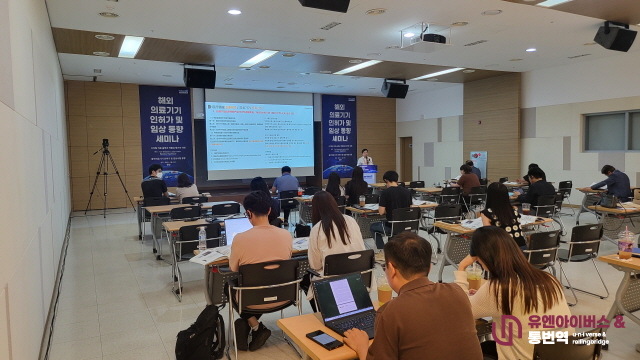
The interpreter must understand the question immediately, identify the medical context, process specialized terminology, and deliver an accurate response in real time.
5. Business and Professional Consequences
Medical interpretation is often used to support:
- Scientific credibility
- Product positioning
- Hospital adoption
- Physician education
- Partner negotiations
- Regulatory communication
- Investment and commercialization decisions
The interpreter is therefore responsible for more than linguistic fluency.
The interpreter must preserve the speaker’s evidence, reasoning, intent, and professional authority.
Medical Consecutive vs. Simultaneous Interpretation
|
Category
|
Consecutive Interpretation
|
Simultaneous Interpretation
|
|
Delivery Method |
Interpretation after the speaker pauses |
Real-time interpretation while the speaker continues |
|
Best For |
Small meetings and discussions |
Seminars, conferences, and formal presentations |
|
Typical Settings |
Hospital meetings · Interviews · Device demonstrations · Clinical discussions |
Medical seminars · International congresses · Pharmaceutical forums · Product launches |
|
Main Requirement |
Context accuracy and dialogue management |
Real-time processing, speed, terminology, and sustained concentration |
|
Q&A Structure |
More controlled and easier to coordinate |
Immediate and highly demanding |
|
Equipment |
Usually unnecessary |
Booths, consoles, receivers, and audio systems may be required |
|
Typical Cost |
USD 550–1,350+ |
USD 1,700–3,400+ |
|
Communication Model |
Person-centered communication |
System-centered communication |
Consecutive Interpretation
Consecutive interpretation is generally recommended for:
- Small medical meetings
- Hospital visits
- Medical device demonstrations
- Clinical interviews
- Partner discussions
- Regulatory consultations
- Investigator meetings
The interpreter speaks after the presenter or participant pauses.
This format allows more time to process terminology and manage complex dialogue, but it also increases the total meeting duration.
Simultaneous Interpretation
Simultaneous interpretation is generally recommended for:
- Medical seminars
- Pharmaceutical conferences
- International healthcare congresses
- Medical device launches
- Clinical research forums
- Multinational expert presentations
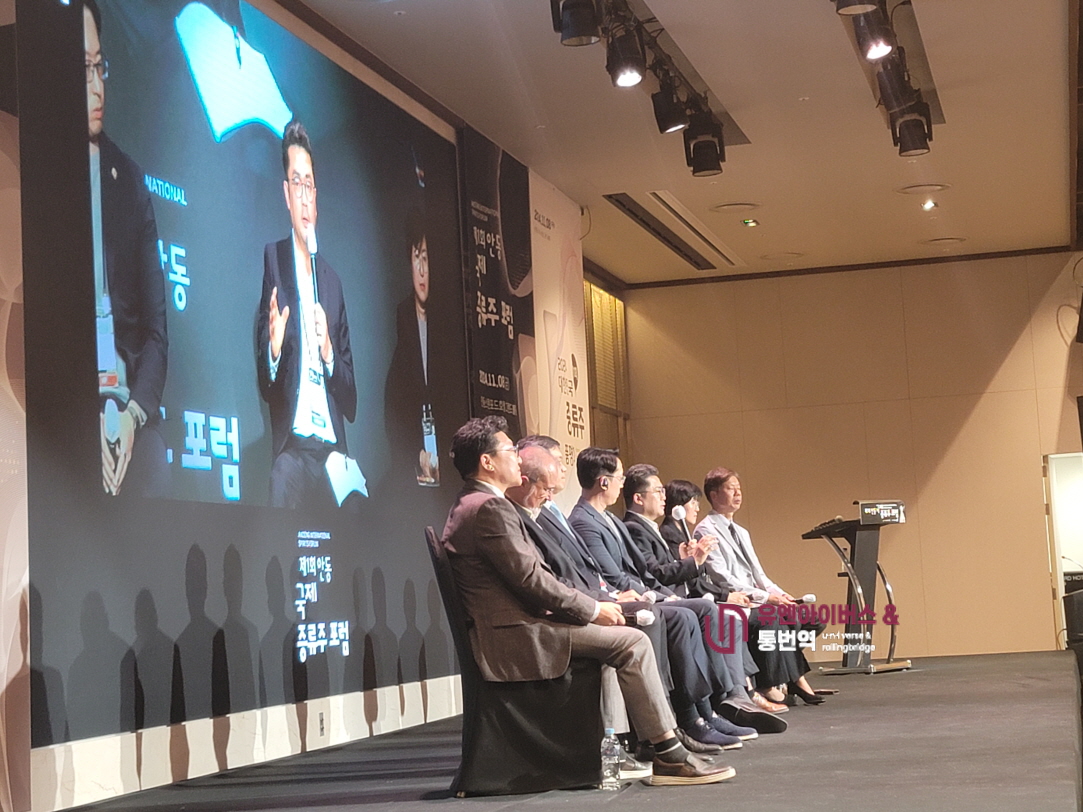
- Panel discussions
The interpretation is delivered in real time.
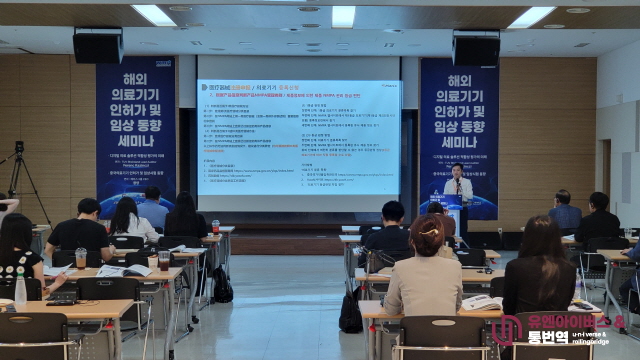
The interpreter must process terminology, data, presentation speed, and speaker intent simultaneously, making this a significantly more demanding format.
Typical Medical Interpretation Projects
Clinical Results Presentation
- Clinical trial phases, patient data, statistical outcomes, efficacy results, and adverse events must be interpreted with extremely high precision.
Medical Device Briefing
The event may include:
- Device structure
- Operating procedures
- Performance data
- Safety instructions
- Clinical applications
- Regulatory information
- Live demonstrations
These projects require both medical and technical understanding.
International Medical Congress
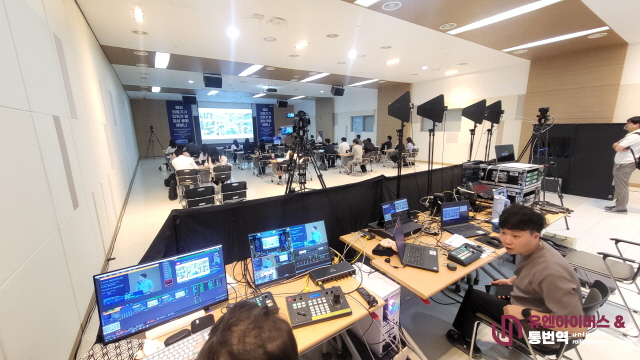
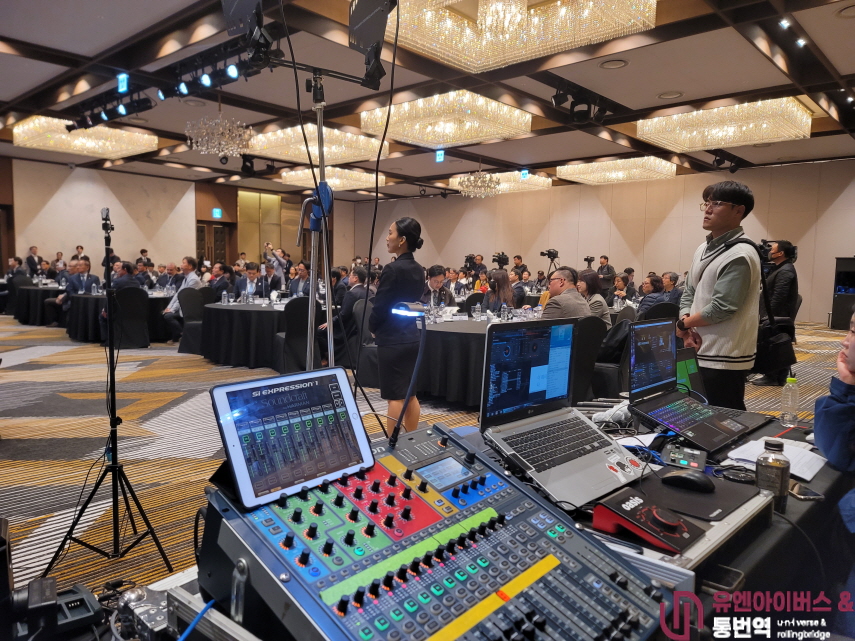
International medical congresses often include multinational speakers, simultaneous interpretation teams, interpretation booths, receiver systems, and onsite engineers.
Hospital and Physician Briefing
Presentations for physicians and hospital decision-makers require precise terminology and a clear preservation of the speaker’s logic and evidence.
Regulatory or Approval Meeting
These sessions may involve permitted indications, documentation requirements, compliance conditions, and responsibility standards.
The tolerance for interpretation error is extremely low.
Typical Medical Interpretation Pricing
Consecutive Interpretation
|
Project Type
|
Typical Fee
|
Suitable For |
|
Small Medical Meeting |
USD 550–1,000 |
Hospital meeting · Device demonstration · Interview |
|
Specialized Consultation |
USD 800–1,350+ |
Clinical discussion · Regulatory consultation · Expert briefing |
|
High-Risk Executive Session |
Custom quotation |
Contract discussion · Partner negotiation · Regulatory decision-making |
Simultaneous Interpretation
|
Project Type
|
Typical Fee
|
Suitable For |
|
General Medical Seminar |
USD 1,700–2,400 |
Presentation-centered medical event |
|
Specialized Clinical Seminar |
USD 2,400–3,400 |
Clinical data · Research findings · Expert Q&A |
|
International Medical Congress |
USD 3,400+ |
Multilingual · Large-scale · Equipment-intensive event |
These prices are general project guidelines.
Final pricing depends on the precise event structure and may exclude travel, accommodation, interpretation equipment, venue-specific installation, or additional language channels unless otherwise stated.
What Determines the Final Price?
Event Format
Pricing differs depending on whether the project is a:
- Seminar
- Conference
- Medical device demonstration
- Hospital meeting
- Clinical research meeting
- Advisory board
- Regulatory session
Interpretation Method
Simultaneous interpretation generally requires more interpreters, technical equipment, and operational planning than consecutive interpretation.
Medical Complexity
A general healthcare introduction and a clinical or regulatory presentation require different levels of interpreter specialization.
Q&A Ratio
Events with extensive expert Q&A require stronger real-time analytical and response capabilities.
Data Density
Projects involving statistical results, dosages, adverse events, indications, and clinical outcomes require additional preparation.
Language Combination
A Korean–English event has a different structure from a multilingual conference involving three or more languages.
Equipment and Technical Operation
Simultaneous interpretation may require:
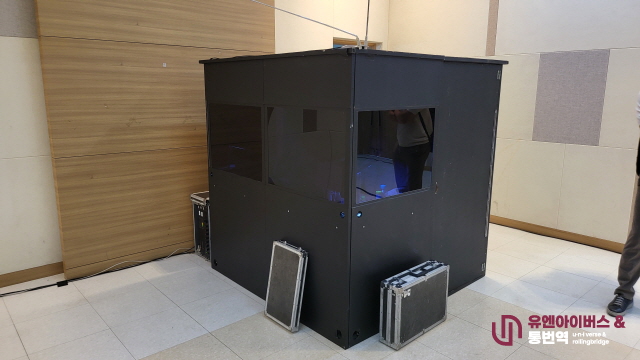
- ISO interpretation booths
- Interpreter consoles
- Wireless receivers
- Audio distribution systems
- Language channel routing
- Onsite engineers
- Installation and dismantling
- Technical rehearsals
Preparation Time
Late delivery of presentation materials, clinical data, terminology, or speaker notes may increase preparation risk and limit terminology alignment.
Medical Interpretation Quality Standards
Medical interpretation quality should not be measured only by whether the audience could generally understand the presentation.
It should be managed according to operational criteria such as:
|
Quality Area
|
Standard |
|
Terminology Accuracy |
Consistent delivery of medical, clinical, and technical terminology |
|
Numerical Accuracy |
Accurate communication of figures, units, percentages, and comparisons |
|
Context Preservation |
Protection of the speaker’s logic, intent, and medical meaning |
|
Q&A Responsiveness |
Immediate and accurate handling of expert questions |
|
Regulatory Alignment |
Prevention of distortion in regulatory and compliance-related content |
|
Terminology Consistency |
Alignment among presentations, handouts, glossaries, and live interpretation |
|
Technical Stability |
Stable audio, booths, consoles, and language channels |
|
Rehearsal Readiness |
Advance preparation for both planned and unexpected situations |
The objective is not approximate understanding.
The objective is communication accuracy sufficient for professional evaluation, discussion, and decision-making.
Our Medical Interpretation Strategy
Medical interpretation should be designed before the event rather than managed as a simple interpreter assignment.
Step 1. Define the Event Objective
We first identify whether the event is intended for:
- Scientific communication
- Product education
- Hospital adoption
- Clinical collaboration
- Regulatory communication
- Partner negotiation
- Commercial presentation
Step 2. Analyze the Audience
Communication strategy differs depending on whether the audience consists of:
- General participants
- Physicians
- Researchers
- Clinical teams
- Hospital procurement specialists
- Regulatory professionals
- Investors or business partners
Step 3. Review Presentation Materials
We analyze:
Medical terminology Abbreviations Clinical endpoints Statistical data Product-specific language Safety information Regulatory expressionsStep 4. Build a Project Glossary
A structured glossary supports terminology consistency across speakers, interpreters, presentations, and Q&A sessions.
Step 5. Design the Q&A Strategy
When expert Q&A is expected, we prioritize interpreters with strong real-time response skills and subject familiarity.
Step 6. Select the Appropriate Interpretation Method
Small discussions and consultations → Consecutive interpretation
Seminars, congresses, and presentation-centered events → Simultaneous interpretation
Step 7. Test the Technical Environment
For simultaneous interpretation, we review audio routing, language channels, receiver distribution, booth positioning, and onsite engineering requirements.
AI + Human Expert Integration
UNIVERSE RB uses artificial intelligence as a preparation and operational support tool—not as a substitute for professional medical interpreters.
AI-Assisted Tasks
AI may support:
Presentation structure analysis Repeated terminology extraction Keyword identification Preliminary glossary organization Content categorization Caption support for selected segmentsHuman Expert Responsibilities
Professional interpreters remain responsible for:
- Final terminology decisions
- Clinical context interpretation
- Real-time delivery
- Speaker intent
- Expert Q&A
- Regulatory nuance
- Onsite risk management
AI can support analysis and preparation.
However, responsibility for medical meaning, clinical context, and live communication must remain with qualified human experts.
Industries We Support
- Healthcare & Medical Innovation
- Medical Devices
- Pharmaceutical Communication
- Biotechnology
- Clinical Research
- Regulatory & Compliance Communication
- Hospital Education
- Global Healthcare Conferences
- Medical Technology
- Digital Health
These fields require substantially greater precision and subject expertise than standard business interpretation.
How to Reduce Unnecessary Costs
The most effective way to control medical interpretation costs is not to select the lowest interpreter fee.
It is to reduce preventable operational risk.
Clients can improve efficiency by providing:
- Presentation materials in advance
- Speaker profiles
- Product names and model numbers
- Medical terminology
- Clinical abbreviations
- Event objectives
- Detailed agendas
- Expected Q&A topics
- Existing glossaries
- Regulatory reference materials
Early preparation improves terminology consistency, interpreter readiness, and overall communication stability.
For medical events, selecting interpretation solely on the lowest price may create greater costs through misunderstandings, reputational damage, presentation failure, or repeated communication.
Frequently Asked Questions
Why is medical interpretation more expensive than general interpretation?
Medical events involve specialized terminology, clinical data, regulatory information, numerical accuracy, and a higher level of communication risk.
Is simultaneous interpretation normally used for medical seminars?
Simultaneous interpretation is generally suitable for presentation-centered events with larger audiences.
Consecutive interpretation may be more appropriate for small meetings, interviews, consultations, and medical device demonstrations.
Does a medical device presentation require a medical interpreter?
Medical device presentations often involve technical specifications, operating procedures, safety information, clinical use, and regulatory terminology.
They are therefore normally more complex than general product presentations.
What is most important in medical interpretation?
The most important factors are:
- Terminology accuracy
- Numerical accuracy
- Clinical context
- Speaker intent
- Q&A responsiveness
- Regulatory awareness
Medical communication does not allow approximate or improvised delivery.
Can AI replace a medical interpreter?
AI may support captions, terminology preparation, and content analysis.
It cannot reliably replace a professional interpreter in clinical presentations, expert discussions, regulatory sessions, or unscripted medical Q&A.
What information is required for a quotation?
Please provide:
- Event date and schedule
- Venue or online platform
- Language combination
- Number of participants
- Event format
- Medical specialty
- Presentation materials
- Expected Q&A ratio
- Equipment requirements
Why UNIVERSE RB
UNIVERSE RB does not simply assign interpreters.
We design the multilingual communication structure required for accurate and stable medical events.
Our services include:
- Medical interpretation strategy
- Specialized interpreter selection
- Presentation and terminology analysis
- Project glossary development
- Simultaneous interpretation system design
- Booth and receiver planning
- Audio and language channel coordination
- AI-assisted preparation
- Onsite technical management
- QMS 9-Step Quality Management System
Our objective is to protect accuracy throughout the entire process—from initial consultation and preparation to live interpretation and onsite technical operation.
Request a Medical Interpretation Proposal
Preparing a medical seminar, clinical presentation, medical device briefing, or healthcare conference?
Send us the following information:
- Event date
- Location
- Medical specialty
- Language combination
- Number of participants
- Presentation format
- Expected Q&A
- Equipment requirements
UNIVERSE RB will recommend the most appropriate interpretation method, specialist team, technical structure, and project budget for your event.
Conclusion
Medical interpretation costs more than general business interpretation because it requires more than knowledge of specialized terminology.
Medical seminars, clinical presentations, medical device briefings, and healthcare congresses require:
- Professional accuracy
- Clinical and regulatory understanding
- Numerical precision
- Real-time analytical ability
- Communication risk management
Medical interpretation should not be viewed simply as an expensive language service.
It is a high-stakes professional communication system designed for information that must not be misunderstood.
Medical interpretation is not simply language delivery. It is professional communication design with integrated risk management.
Confidentiality and Professional Standards
The case archive on this website is based on actual international seminars, healthcare conferences, policy forums, corporate presentations, and global communication projects.
To protect client confidentiality and comply with the Code of Professional Conduct, selected project details may be generalized or anodized.
UNIVERSE RB designs interpretation quality through the entire process.
From the initial consultation, we analyze the event objective, audience profile, terminology, language structure, technical environment, and communication risk to recommend the most appropriate operating solution.