
Quotation


Performance
Data Modeling and Database Architecture Seminar Simultaneous Interpretation | ERD and UML Design Forum – UNIVERSE RB
- 2025.07.31
Emerging Technologies & Convergence
Category Description
This category covers interpretation cases related to emerging technologies and
digital convergence, including blockchain, Web3, fintech, XR, and AI-integrated
technologies.
UNIVERSE RB provides integrated services including:
Simultaneous interpretation Consecutive interpretation Technology conference interpretation Technical document translation QMS-based quality management operationsWe support blockchain forums, Web3 seminars, and digital technology conferences with professional interpretation environments.
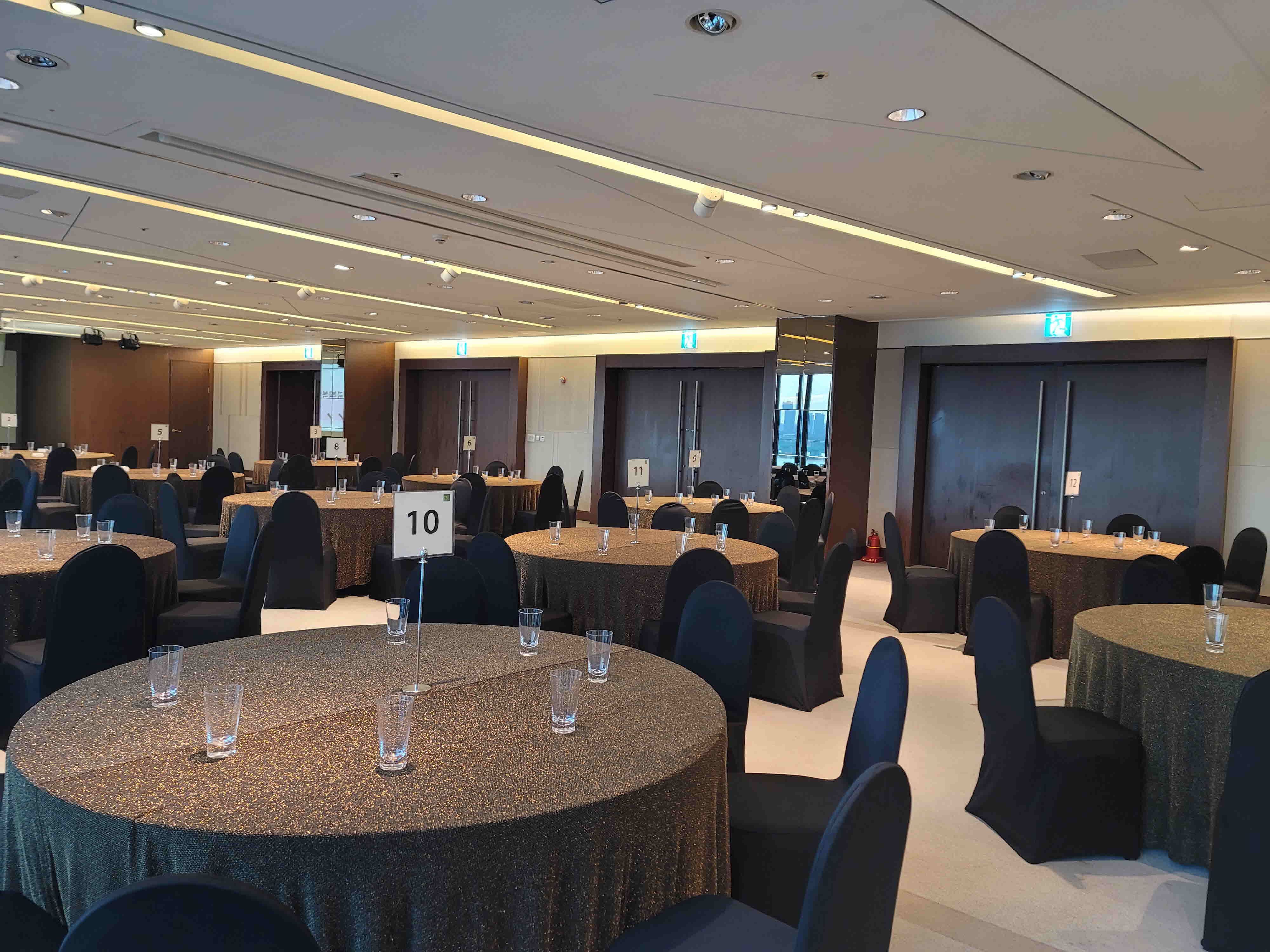
1. Event Overview
This seminar was a technology-focused event centered on data structure design, analytical architecture, and system modeling.
It served as a key knowledge hub for industries requiring high linguistic precision and cultural sensitivity, including software, gaming, medical devices, and e-commerce, where localization quality directly impacts system performance and global scalability.
Data modeling interpretation is not merely the delivery of technical terminology. It requires accurate comprehension and reconstruction of conceptual, logical, and physical data structures within complex system environments.
2. Complexity Analysis
Data modeling seminars typically involve:
-
Numerous abstract structural concepts
-
Frequent use of IT acronyms and technical terminology
-
Explanations of architectural flowcharts and diagrams
-
Parallel discussions of data governance and quality management
-
AI/ML training data structures and pipelines
Misinterpreting the distinction between conceptual and logical models, for example, can fundamentally alter system design direction.
3. Key Discussion Topics
Data Model Types
-
Conceptual Model (Entity–Relationship)
-
Logical Model (Relational Structure)
-
Physical Model (Table and Index Implementation)
Modeling Tools & Languages
-
ERD, UML
-
SQL, NoSQL
-
ERwin, PowerDesigner, and other DB design tools
Best Practices
-
Normalization / Denormalization
-
Data Quality & Governance
-
AI/ML Training Data Modeling
Case Studies
-
Data warehouse implementation
-
Microservices data structure design
-
Metadata management strategies
4. Core Operational Indicators
| Category | Details |
|---|---|
| Event Type | IT Technical Seminar · Data Architecture Forum |
| Specialization | Data Modeling · DB Design · AI Data Structures |
| Interpretation Mode | Simultaneous & Consecutive |
| Technical Terminology Ratio | Approx. 60–80% |
| Diagram-Based Explanations | ERD · UML · Architecture Schematics |
| Applicable Industries | Software · Gaming · Medical Devices · E-commerce |
5. Interpretation Formats
Simultaneous Interpretation
-
Technical presentations
-
Architecture explanations
-
Panel discussions
Consecutive Interpretation
-
Tool demonstrations
-
System structure explanations
-
Q&A sessions
Diagram-Based Interpretation
-
ERD and UML-based presentations
-
Data flow and architecture diagram explanations
6. Required Competencies
-
Structural understanding of data modeling concepts
-
Mastery of IT acronyms and DB design terminology
-
Ability to articulate system architecture clearly
-
Capability to reconstruct the logical flow of technical presentations
-
Understanding of AI/ML data pipelines
Data interpretation demands simultaneous comprehension of terminology and conceptual architecture.
7. Pre-Event Preparation & Strategy
-
Advance acquisition of presentation materials and architecture diagrams
-
Development of a comprehensive modeling glossary
-
Comparative review of SQL and NoSQL structures
-
Review of data governance and compliance terminology
-
Analysis of case presentation flows
8. Application of the QMS 9-Step Quality Management System
-
Analysis of seminar technical scope
-
Advance collection of modeling materials and schematics
-
Integration of IT and DB terminology
-
Matching with specialized data-sector interpreters
-
Architecture rehearsal review
-
Verification checklist for acronyms, numerical values, and version references
-
On-site quality monitoring
-
Technical Q&A support
-
Post-event evaluation and refinement
9. Professional Translation & Localization Support
Data modeling seminars extend beyond interpretation and require precise localization support.
-
Technical documentation translation
-
Multilingual localization of DB design documents
-
Developer guides and API documentation translation
-
Technical content localization for global product launches
Precision and industry context are integrated simultaneously.
In large-scale international seminars, stable multilingual communication is achieved when interpretation systems, technical equipment, and interpreter operations are designed as an integrated architecture.
Conclusion
Interpretation for data modeling seminars is a high-level specialized service that structurally analyzes and accurately conveys complex technical concepts.
In IT, AI, and database design domains, distortion-free interpretation is a decisive factor in achieving successful global technical collaboration and system implementation.
This
case represents one of the seminars or forums discussing the industrial
application of emerging technologies.
Technologies such as blockchain, digital finance, XR, and AI continue to
converge across industries and shape new digital ecosystems.
→ Browse Emerging Tech Conference Interpretation Cases
https://universerb.com/en/11_en/40?page=41
https://universerb.com/en/11_en/119?page=39
The case archive on this
website is based on interpretation and global communication experiences
conducted in international seminars, policy forums, corporate presentations,
and industry conferences.
To comply with client confidentiality and the Code of Professional Conduct,
some event details are described in a generalized manner.