
Quotation


Performance
Fisheries Seminar Simultaneous Interpretation · Professional Translation | Marine Resources · Fisheries Industry · Ocean Sustainability – UNIVERSE RB
- 2026.02.22
Public Policy & Global Governance
Category
Description
This category covers interpretation cases related to international policy
forums, public cooperation initiatives, ODA programs, and global governance
topics including environmental and climate policy.
UNIVERSE RB provides integrated services including:
Simultaneous interpretation Consecutive interpretation International conference interpretation Policy document translation QMS-based quality management operations
We support international policy forums, government cooperation meetings, and global governance conferences with stable interpretation environments.
Why Is Interpretation for a Marine Resources & Fisheries Seminar a High-Complexity Domain?
Interpretation for a Marine Resources & Fisheries Seminar is a highly specialized domain integrating
fisheries resource management policies, IUU (Illegal, Unreported, and Unregulated) fishing response systems, TAC (Total Allowable Catch) frameworks, seafood distribution and quarantine regulations, marine ecosystem conservation strategies, and the language of international fisheries agreements.
AI simultaneous interpretation was applied to the structured policy presentations and statistical data explanation segments (approximately 60%),
while intergovernmental cooperation discussions, resource allocation negotiations, and quarantine standard deliberations (approximately 40%) were designed and delivered by professional interpreters.
UNIVERSE structurally designs an AI + Human integrated interpretation system.
1. Overview
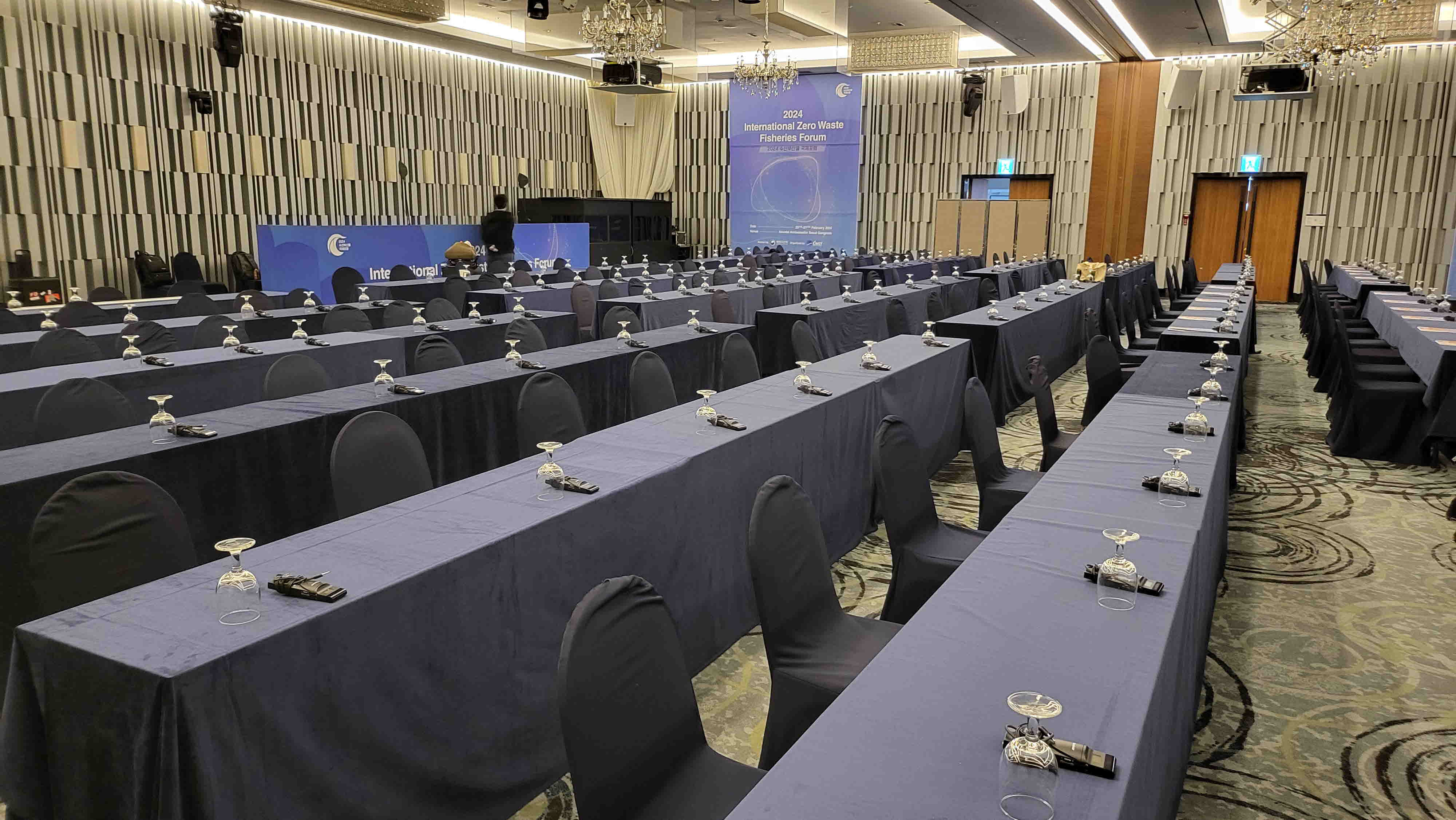
This seminar was an international marine and fisheries forum focused on ensuring marine resource sustainability, strengthening seafood export competitiveness, improving resource management systems, and building international cooperation models.
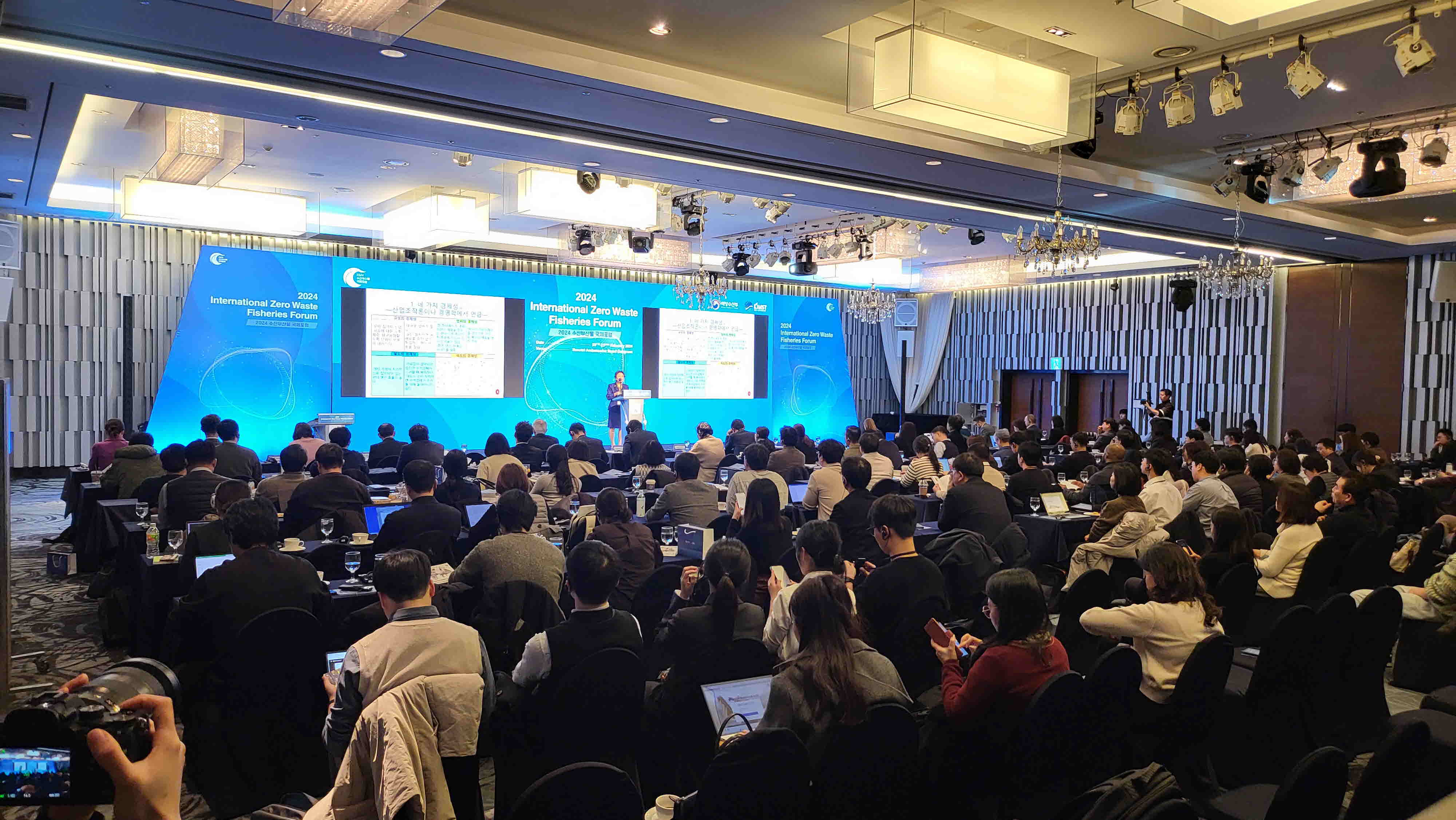
Government fisheries policymakers, marine research institutes, fisheries associations, export companies, and international partner organizations participated to discuss marine resource governance and global seafood market strategies.
Event Operational Indicators
-
Total participants: Approximately 210
-
Countries represented: 6
-
Language combination: Korean–English
-
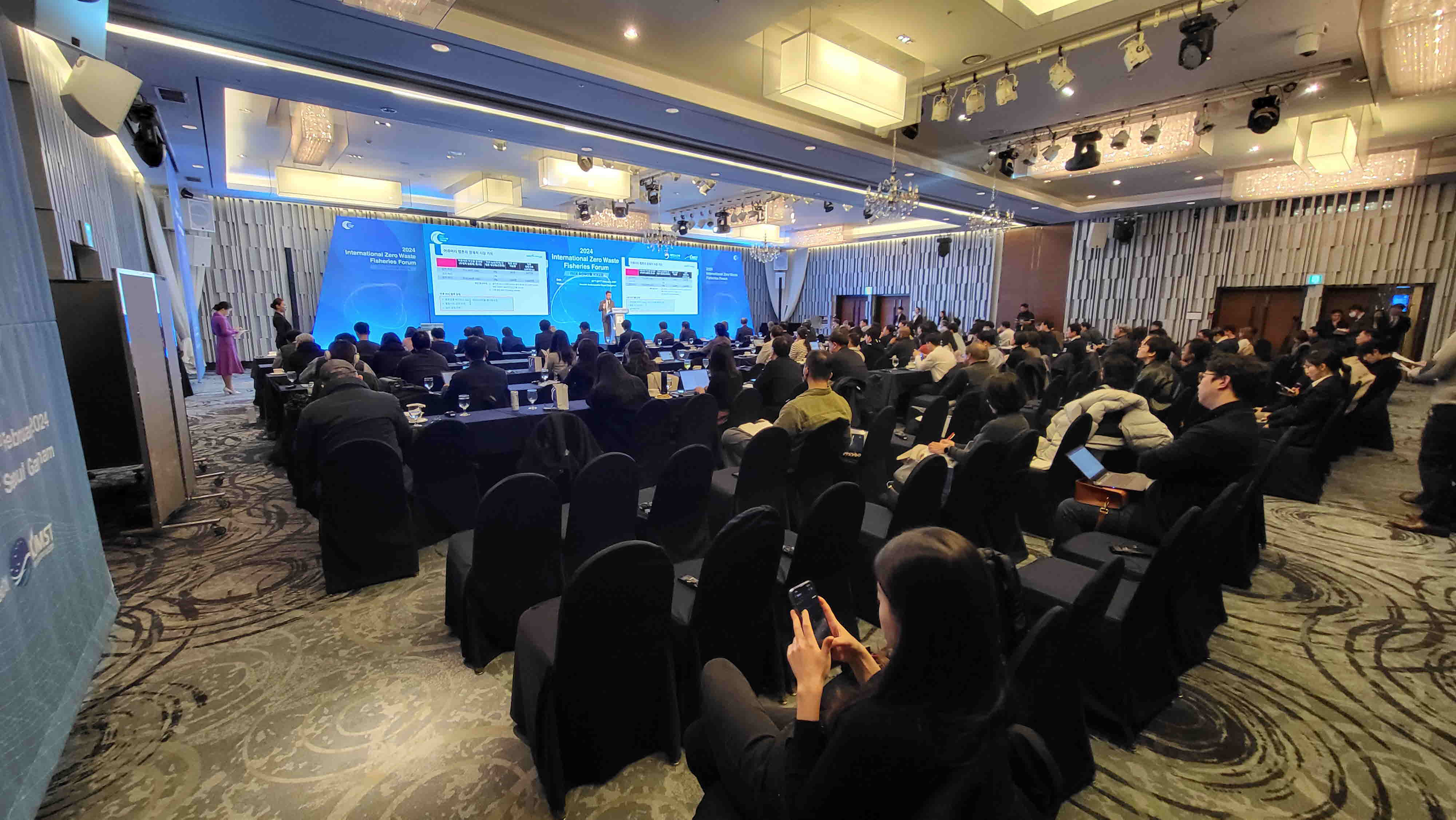
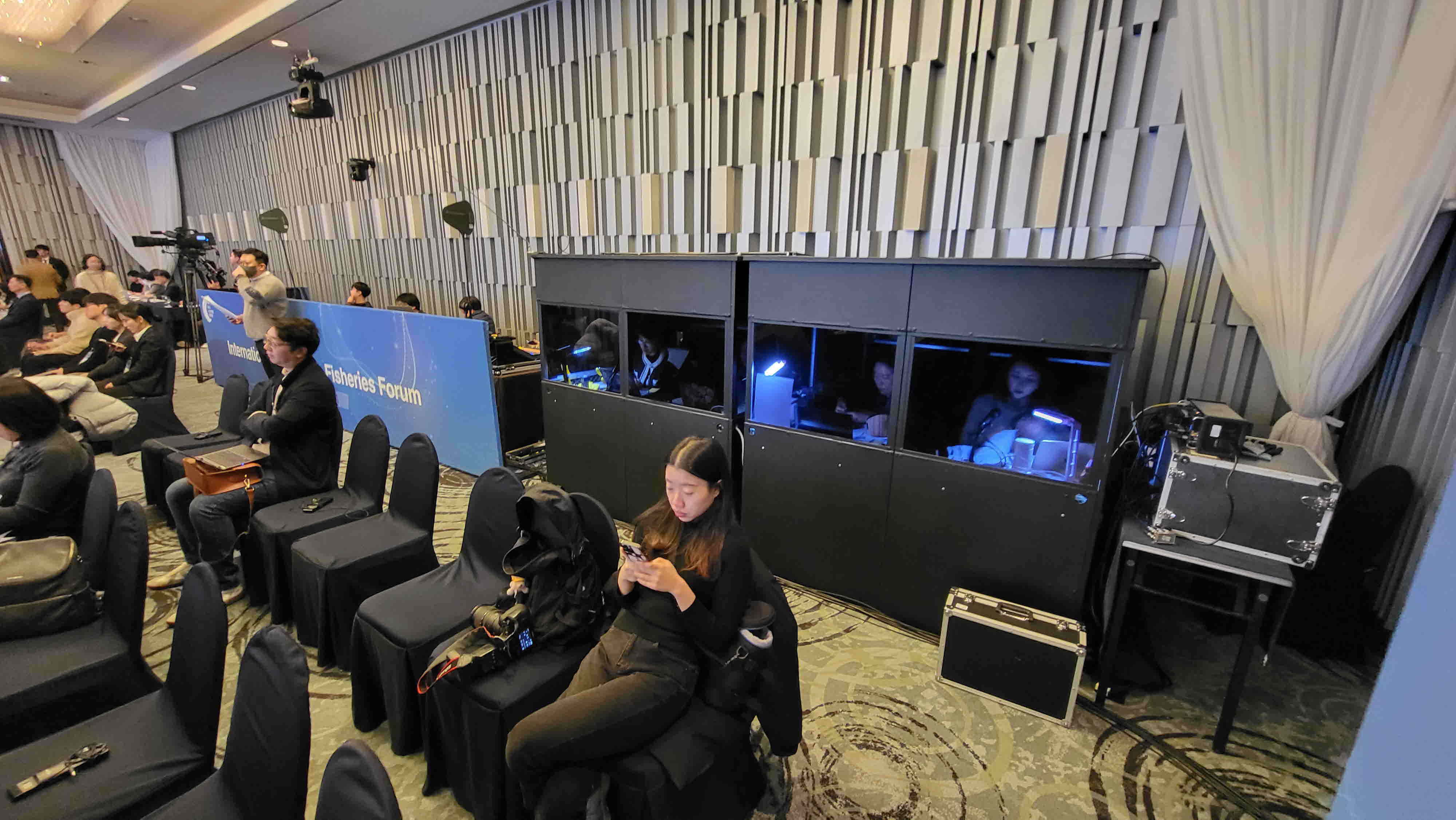
Simultaneous interpretation team: 2 interpreters
-
Total interpretation time: Approximately 4 hours 30 minutes
-
Policy presentation session: 100 minutes
-
International cooperation discussion: 80 minutes
-
Pre-reviewed materials: 165 pages
-
Marine & fisheries glossary built: 480+ specialized terms
-
Rehearsals conducted: 2 sessions
UNIVERSE provided:
-
AI interpretation strategy design
-
Simultaneous interpretation services
-
Marine & fisheries specialized document translation
-
Interpretation system architecture
-
QMS-based quality management implementation
as an integrated service package.
2. Key Themes of the Marine Resources & Fisheries Seminar
① Marine Resource Sustainability
② TAC & Fisheries Management System
③ IUU Fishing Response Strategies
④ Seafood Export & Quarantine Standards
⑤ International Fisheries Cooperation
(Structured around the three pillars: Policy · Resource Management · Trade)
3. Interpretation Quality Management Data (Core Metrics)
-
Pre-analysis of materials: 16+ hours
-
Terminology alignment accuracy: 99%+
-
Average audio latency: 1.1 seconds
-
Network stability: 99.9%
-
Technical disruptions during event: 0
-
Policy data miscommunication: 0
UNIVERSE interpreters function not merely as language transmitters,
but as Marine Governance Communication Context Architects.
4. Cost Determination Structure (Quantitative Factors)
Interpretation fees are determined not solely by duration, but by the following factors:
-
Marine & fisheries terminology density: 450+ specialized terms
-
Inclusion of international negotiation sessions: Yes
-
Volume of policy and statistical materials: 150+ pages
-
Real-time Q&A volume: Approximately 30 questions
-
Rehearsals: 2 sessions
-
AI subtitle support system: Applied
UNIVERSE structures pricing as the outcome of interpretation system design.
5. AI vs Human Application Ratio
| Segment | AI Utilization | Professional Interpretation Requirement |
|---|---|---|
| Structured policy presentations | 60% assistive | Mandatory supervision |
| Statistical & resource data explanation | 55% assistive | Essential |
| International negotiations | Below 15% | 100% required |
| Resource allocation & quarantine discussions | Below 10% | 100% required |
AI enhances presentation efficiency,
while international negotiations and policy coordination are fully handled by professional interpreters.
6. Translation Scope (Minimal Quantitative Indicators)
-
Total translation volume: Approx. 41,000 words
-
Policy reports: 3 documents
-
Seafood export guides: 4 documents
-
International cooperation materials: 5 documents
-
Cross-review process: 2-stage review
-
On-time delivery rate: 100%
Translation is not simple language conversion,
but a strategic process enabling global marine resource cooperation.
7. FAQ
1) What makes interpretation for a marine resources and fisheries seminar highly complex?
Interpretation in this domain requires expertise in fisheries management policies, IUU fishing regulations, TAC frameworks, seafood export standards, and international marine agreements.
The complexity arises from combining scientific data, regulatory language, and intergovernmental negotiation contexts in real time.
2) How is AI used during marine and fisheries interpretation?
AI is applied to structured segments such as policy presentations and statistical data explanations (approximately 50–60%).
However, high-risk segments—including international cooperation discussions and resource allocation negotiations—are handled 100% by professional interpreters.
3) Why are professional interpreters essential for international fisheries negotiations?
International fisheries discussions involve regulatory compliance, quota allocation, and bilateral or multilateral agreements.
Even minor misinterpretation can lead to policy misalignment or trade conflicts, making human interpretation essential.
4) How does UNIVERSE ensure interpretation accuracy in marine policy environments?
UNIVERSE applies a QMS-based quality management system, including:
-
16+ hours of pre-analysis
-
99%+ terminology alignment accuracy
-
Specialized marine and fisheries glossary (480+ terms)
-
Real-time monitoring and rehearsal validation
This ensures zero policy data miscommunication and consistent delivery.
5) What factors determine interpretation costs for marine and fisheries seminars?
Pricing is determined by multiple factors, including:
-
High-density technical terminology (450+ terms)
-
Volume of policy and statistical materials (150+ pages)
-
Inclusion of international negotiations and Q&A sessions
-
Rehearsals and system design requirements
-
AI-assisted interpretation infrastructure
Cost reflects overall communication complexity and risk, not just duration.
6) What is included in the translation scope for marine and fisheries events?
Translation services typically include:
-
Policy reports (3 documents)
-
Seafood export guidelines (4 documents)
-
International cooperation materials (5 documents)
-
Total volume of approximately 41,000 words
-
Two-stage cross-review process
The goal is to support accurate global communication and regulatory alignment.
7) What is the benefit of an AI + Human integrated interpretation system in this field?
The AI + Human hybrid system enhances efficiency in structured information delivery while ensuring precision in policy discussions and negotiations.
AI supports data-heavy presentations, while professional interpreters manage strategic communication, compliance language, and international coordination.
Conclusion
The Marine Resources & Fisheries Seminar represented a high-complexity communication environment involving
210 participants, 6 countries, and over 480 specialized technical terms.
AI supported approximately 60% of structured presentation segments,
while international cooperation and policy negotiations were conducted 100% by professional interpreters.
UNIVERSE designs, operates, and verifies
a data-driven marine and fisheries communication infrastructure integrating interpretation and translation.
This
case represents one of the sessions conducted as part of international policy
cooperation and global governance discussions.
Policy environments and international cooperation frameworks continue to evolve
in response to economic, environmental, and development policy changes.
→ View Public Policy & Global Governance Cases
https://universerb.com/en/11_en/288?page=39
https://universerb.com/en/11_en/309?page=39
The case archive on this
website is based on interpretation and global communication experiences
conducted in international seminars, policy forums, corporate presentations,
and industry conferences.
To comply with client confidentiality and the Code of Professional Conduct,
some event details are described in a generalized manner.