
Quotation


Performance
Global EV Battery Component Group Seminar Simultaneous Interpretation | EV Battery · Supply Chain · Automotive Industry – UNIVERSE RB
- 2026.02.21
Advanced Manufacturing & Industrial Systems
Category Description
This category covers interpretation cases related to smart manufacturing, industrial automation, supply chain management, and ESG-driven production strategies.
UNIVERSE RB provides integrated services including:
Simultaneous interpretationConsecutive interpretationIndustrial technology seminar interpretationTechnical document translationQMS-based quality management operations
We support smart manufacturing seminars, industrial technology forums, and manufacturing innovation conferences.
1. Overview
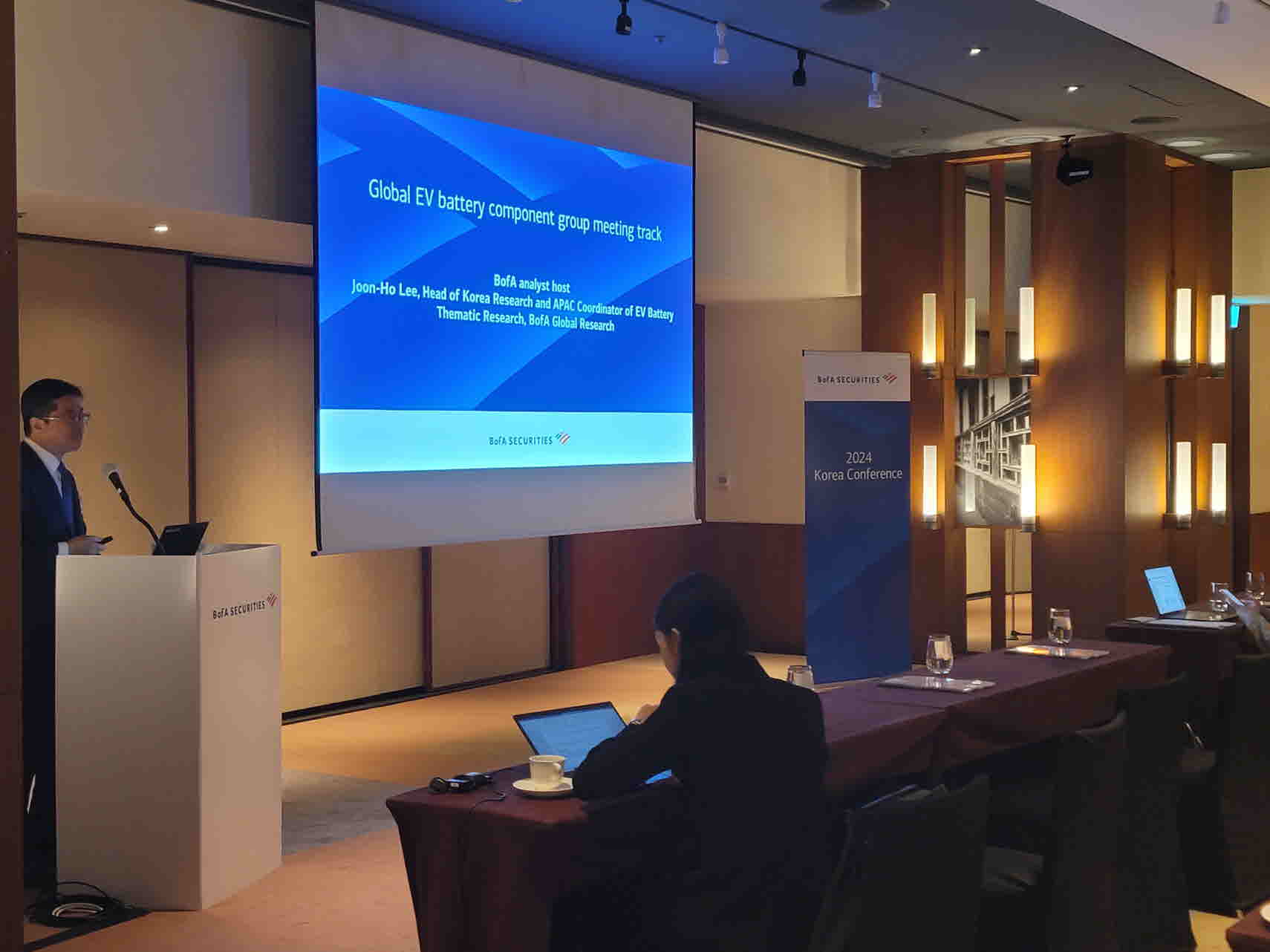
The Global EV Battery Component Group Seminar was held as an international battery and future mobility forum to discuss core component and material technologies in the electric vehicle (EV) battery industry, supply chain strategies, and global production collaboration models.
The seminar brought together battery cell, module, and pack manufacturers; material companies specializing in cathode materials, anode materials, electrolytes, and separators; automotive OEMs; research institutions; quality and safety experts; and executives responsible for global supply chain and strategic planning. Discussions focused on next-generation battery technologies, cost competitiveness, and ESG response strategies.
UNIVERSE provided simultaneous interpretation and professional translation services, accurately and neutrally conveying highly specialized content integrating terminology related to battery processes, materials, chemistry, safety, regulation, and global supply chains in a formal international industry seminar register.
2. Key Programs and Topics
Next-Generation EV Battery Technologies
Trends in high energy density battery development
Solid-State Battery technologies
Advancements in battery lifespan and safety performance
Battery Materials and Component Technologies
Innovations in cathode and anode materials
Advancements in electrolytes and separators
Battery Management Systems (BMS) and thermal management technologies
Global Supply Chain and Production Strategies
Raw material sourcing strategies and risk management
Regional production hub development strategies
Collaboration models with global OEMs
ESG, Regulation, and Sustainability
Battery recycling and circular economy models
Carbon emission management and Life Cycle Assessment (LCA) analysis
Compliance with global safety and environmental regulations
3. Interpretation & Translation Format
| Category | Content | Mode |
|---|---|---|
| Opening Session | Seminar opening and welcome remarks | Simultaneous |
| Technical Session | Battery and material technology presentations | Simultaneous |
| Industry Session | Supply chain and production strategy presentations | Simultaneous |
| ESG Session | Regulatory and sustainability strategy presentations | Simultaneous |
| Panel Discussion | Dialogue among OEM, material, and component companies | Simultaneous |
| Q&A Session | Participant Q&A | Simultaneous / Consecutive (Hybrid) |
| Pre- & Post-Materials | Presentation materials, technical reports, contracts | Professional Translation |
4. Required Competencies
Understanding of the EV battery industry and materials/chemical sectors
Proficiency in terminology related to battery processes, thermal management, safety, and ESG
Ability to adjust tone and register between technical presentations and strategic/financial briefings
Accurate delivery of figures related to energy density, cost, and supply volume
Formal and neutral register suitable for international industry seminars
Strong confidentiality awareness regarding sensitive technology and supply chain information
5. Sample Interpretation Cases
Global battery technology forums
Electric vehicle (EV) component industry conferences
Battery material supply chain strategy seminars
ESG and carbon neutrality industry forums
OEM–material supplier collaboration workshops
6. Interpretation & Translation Notes
Accuracy in Battery and Chemical Terminology
Solid-State Battery
Battery Management System (BMS)
Energy Density
Life Cycle Assessment (LCA)
Caution with Technical and Safety Information
Performance indicators, safety standards, and chemical composition details must be interpreted precisely, as inaccuracies may affect industrial and technical credibility.
Attention to Numerical and Supply Chain Data
Production volumes, cost figures, and raw material sourcing data must be conveyed accurately, as errors may impact strategic decision-making.
Maintaining an International Industry Seminar Register
Avoid excessive promotional language and maintain a professional, objective tone appropriate for an industry-focused seminar.

7. FAQ
1) What type of interpretation is typically used for international industry seminars?
International industry seminars generally use simultaneous interpretation, which allows participants to listen to translated speech in real time without interrupting presentations or panel discussions.
This format is widely used in technology forums, manufacturing conferences, investment seminars, and international policy events.
2) When is consecutive interpretation used during seminars?
Consecutive interpretation is typically used in smaller or more interactive segments such as:
business meetings
networking sessions
media interviews
technical consultations
Depending on the structure of the event, it may be combined with simultaneous interpretation.
3) What types of events require professional interpretation services?
Professional interpretation services are commonly required for events such as:
international conferences and seminars
industrial technology forums
investment briefings and IR presentations
government policy discussions
academic and research symposiums
These events often involve specialized terminology and multilingual participants.
4) How many interpreters are required for simultaneous interpretation?
Most international conferences use two interpreters per language pair.
This rotation system allows interpreters to alternate regularly, helping maintain concentration, accuracy, and consistent interpretation quality throughout long sessions.
5) What equipment is used for simultaneous interpretation?
Professional interpretation systems typically include:
soundproof interpretation booths
FM or infrared receiver systems
dedicated audio channels for speakers
hybrid or online streaming integration
These systems allow participants to listen to multilingual presentations clearly and efficiently.
6) What documents may require professional translation for seminars?
Typical materials requiring translation include:
presentation slides and reports
technical documents and research papers
contracts and agreements
investment proposals and pitch decks
event programs and press materials
Consistent terminology across documents is important for maintaining accuracy and clarity.
7) Why is terminology accuracy important in industrial technology seminars?
Industrial seminars often involve specialized terminology related to:
manufacturing technologies
materials science and engineering
supply chain management
regulatory and safety standards
Accurate interpretation ensures clear communication among engineers, executives, researchers, and international partners.
8) What challenges do interpreters face in technology and manufacturing conferences?
Interpreters in industrial conferences must handle challenges such as:
complex technical terminology
fast-paced technical presentations
numerical data and performance indicators
specialized industry vocabulary
Professional interpreters must deliver precise and neutral communication in real time.
8. Summary
Simultaneous interpretation and translation for the Global EV Battery Component Group Seminar represent a highly specialized field combining next-generation battery technology, material innovation, and global supply chain strategy within the future mobility industry.
Accurate use of battery and material terminology, a strong understanding of technological and strategic contexts, and neutral, credible delivery are essential.
Interpreters and translators played a key role in professionally and strategically connecting global collaboration within the EV battery industry.
This case represents one of the seminars discussing manufacturing innovation and evolving industrial production systems.
Manufacturing industries continue to develop through smart factories, data-driven operations, and automation technologies.
→ View Advanced Manufacturing & Industrial Systems Cases
https://universerb.com/en/11_en/91?page=39
https://universerb.com/en/11_en/338?page=39
The case archive on this website is based on interpretation and global communication experiences conducted in international seminars, policy forums, corporate presentations, and industry conferences.
To comply with client confidentiality and the Code of Professional Conduct, some event details are described in a generalized manner.