
Quotation


Performance
Traditional Arts Preservation and Restoration Techniques Seminar Simultaneous Interpretation | Cultural Heritage and Conservation – UNIVERSE RB
- 2026.02.21
AI & Digital Transformation
Category Description
This category covers interpretation cases related to AI adoption, industrial automation, data-driven decision-making, and digital transformation technologies.
UNIVERSE RB provides integrated services including:
Simultaneous interpretationConsecutive interpretationTechnical seminar interpretationAI-assisted caption supportQMS-based quality management operations
We support technology seminars, industry forums, and digital innovation conferences with stable and professional interpretation environments.
1. Overview
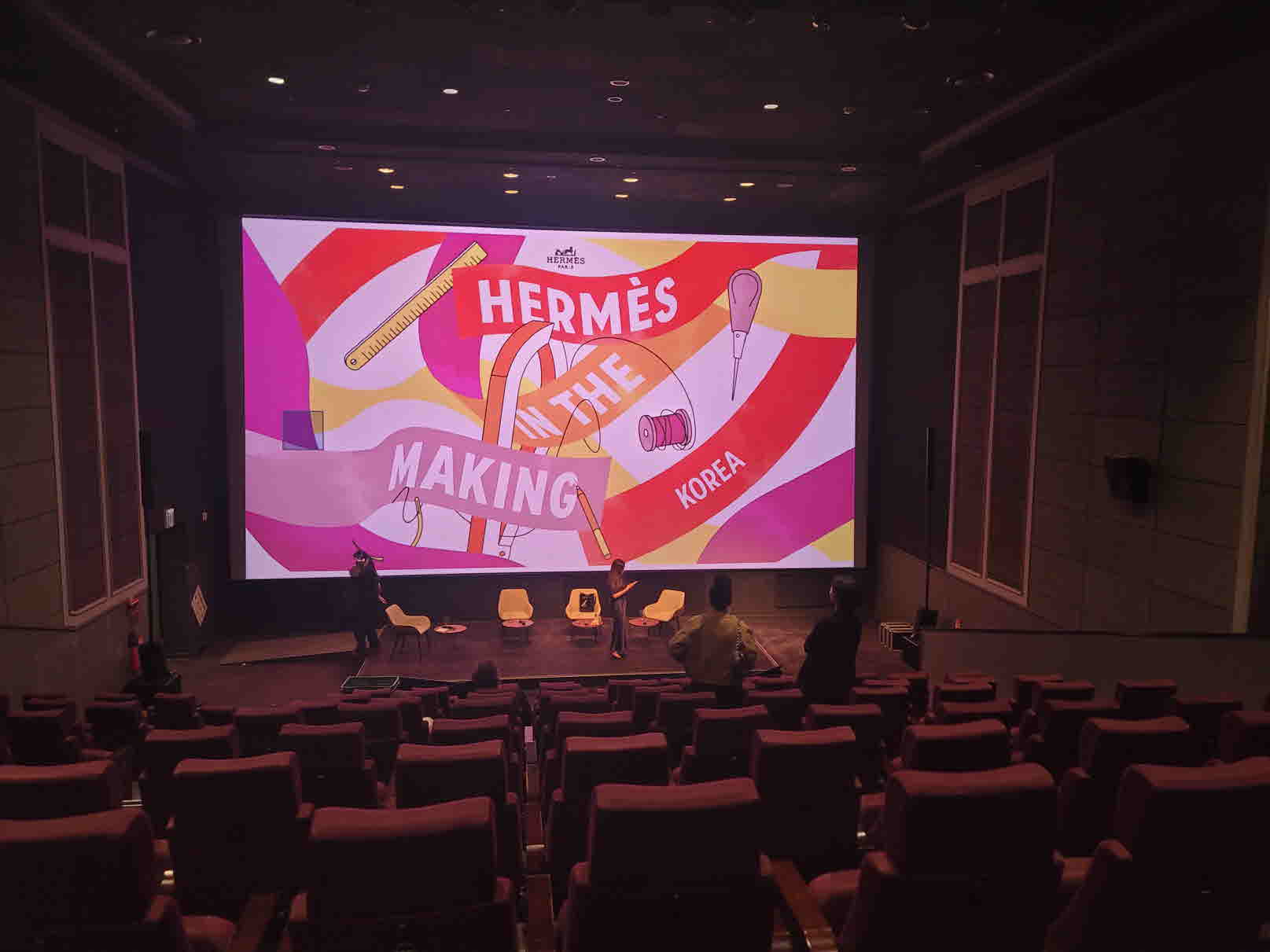
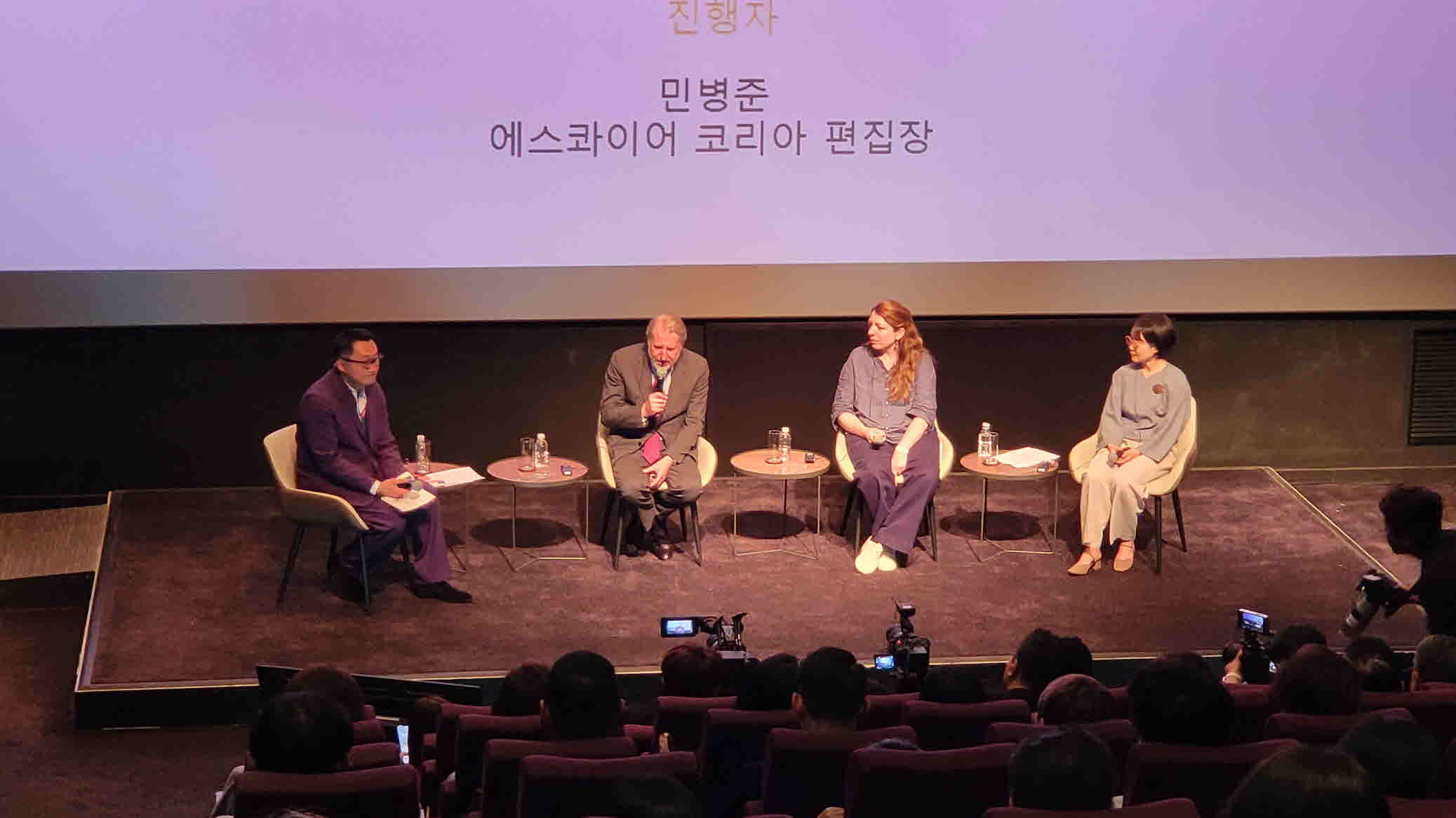
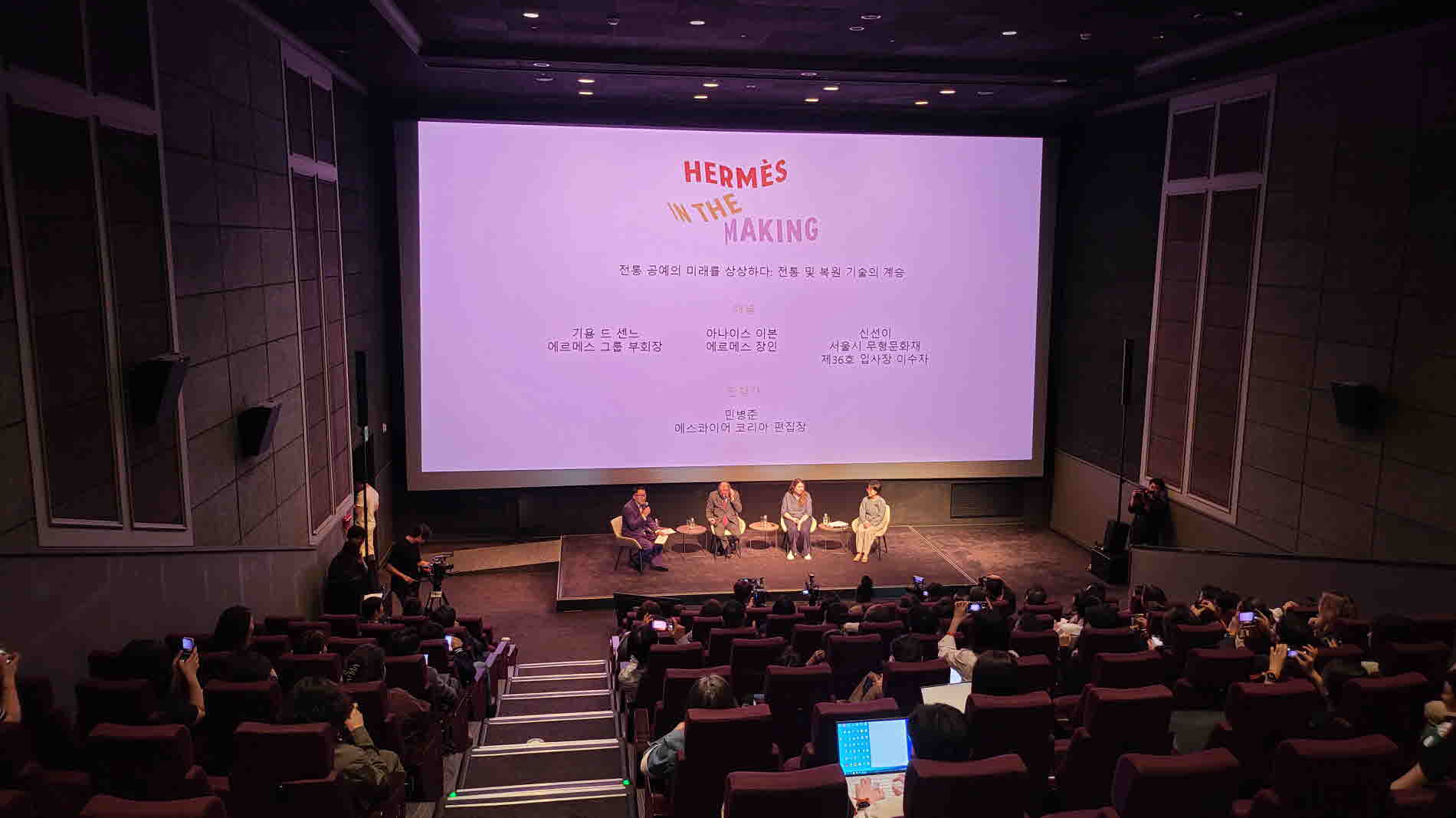
The Seminar on the Preservation and Transmission of Traditional Arts & Restoration Techniques was held as an international forum specializing in cultural heritage and technical conservation. The seminar aimed to discuss the systematic transmission of traditional architecture, crafts, and cultural heritage restoration techniques, as well as their contemporary applications.
The event brought together officials from the Cultural Heritage Administration and local governments, master artisans of traditional architecture, restoration specialists, academic researchers, representatives of cultural heritage preservation institutions, and international cooperation organizations. Discussions focused on strategies for preserving traditional techniques, case studies of restoration projects, and next-generation systems for technical transmission.
UNIVERSE provided simultaneous interpretation and professional translation services, accurately and neutrally conveying highly specialized content that integrated terminology related to cultural heritage, architecture, conservation science, and policy in a formal international academic register.
2. Key Programs and Topics
✔ Policies and Institutional Frameworks for Preserving Traditional Techniques
Protection policies for traditional architecture and craft techniques
Systems for safeguarding and transmitting intangible cultural heritage
National and local government support programs
✔ Restoration Techniques and Case Studies
Case studies of traditional architectural restoration
Material analysis and the application of conservation science
Harmonizing authenticity with modern technology
✔ Education, Transmission, and Workforce Development
Artisan training and apprenticeship systems
Operational models for skill transmission programs
Strategies for expanding youth participation
✔ International Cooperation and Sustainability
International cooperation cases in cultural heritage preservation
Application of traditional techniques in contemporary industries
Sustainable cultural heritage management models
3. Interpretation & Translation Format
| Category | Content | Mode |
|---|---|---|
| Opening Session | Seminar opening and welcome remarks | Simultaneous |
| Policy Session | Presentations on traditional technique preservation policies | Simultaneous |
| Technical Session | Restoration case studies and conservation science presentations | Simultaneous |
| Academic Session | Research papers and case presentations | Simultaneous |
| Panel Discussion | Dialogue among artisans and experts | Simultaneous |
| Q&A Session | Participant Q&A | Simultaneous / Consecutive (Hybrid) |
| Pre- & Post-Materials | Presentation materials, research papers, reports | Professional Translation |
4. Required Competencies
Understanding of traditional architecture, crafts, and cultural heritage preservation
Proficiency in terminology related to restoration techniques, conservation science, and cultural policy
Ability to adjust tone and register between academic presentations and field-based case explanations
Accurate handling of proper nouns, traditional terms, and material names
Formal and neutral register suitable for international cultural heritage seminars
Balanced interpretation with cultural sensitivity
5. Sample Interpretation Cases
International forums on cultural heritage restoration
Seminars on traditional architecture and craft techniques
Academic conferences on conservation science
Workshops on intangible cultural heritage transmission
Cultural heritage cooperation events hosted by governments and international organizations
6. Interpretation & Translation Notes
✔ Accuracy in Cultural Heritage and Restoration Terminology
Cultural Heritage
Restoration
Preservation
Intangible Cultural Heritage
✔ Care in Expressing Authenticity and Value
References to historical value, authenticity, and integrity must be conveyed faithfully, minimizing interpretative bias and maintaining the original intent.
✔ Handling Proper Nouns and Traditional Terminology
Names of traditional techniques, materials, and master artisans must be interpreted and translated accurately according to official designations.
✔ Maintaining an Academic Seminar Register
Avoid emotional or promotional language and maintain an objective, research-oriented tone appropriate for an academic forum.
7.FAQ
1) What type of interpretation was used for the Seminar on the Preservation and Transmission of Traditional Arts & Restoration Techniques?
The seminar primarily used simultaneous interpretation to support real-time communication during policy presentations, technical case studies, and academic discussions.
Simultaneous interpretation allowed participants from different countries to follow complex discussions related to cultural heritage preservation and restoration techniques without interrupting the program flow.
2) Why is professional interpretation important for cultural heritage seminars?
Cultural heritage seminars involve specialized terminology from multiple fields, including:
traditional architecture and craftsmanship
conservation science and restoration techniques
cultural heritage policies and governance
academic research and historical studies
Professional interpretation ensures that technical, historical, and cultural information is conveyed accurately to international participants.
3) What terminology is commonly used in cultural heritage restoration seminars?
Typical terminology includes:
Cultural Heritage
Restoration
Preservation
Intangible Cultural Heritage
Conservation Science
Accurate interpretation of these terms is essential for maintaining clarity in international cultural heritage discussions.
4) What challenges arise in interpreting cultural heritage seminars?
Interpreters must manage diverse topics such as:
historical and cultural explanations
technical descriptions of restoration processes
academic research terminology
policy discussions on heritage protection
Balancing technical accuracy with cultural sensitivity is critical.
5) What interpretation equipment is typically used in international heritage seminars?
International seminars usually operate with professional interpretation systems such as:
soundproof interpretation booths
FM or infrared receiver systems
dedicated speaker audio channels
hybrid or online streaming integration
These systems ensure clear communication for participants in multilingual environments.
6) How many interpreters are generally assigned for cultural heritage conferences?
Most international seminars assign two simultaneous interpreters.
This rotation system allows interpreters to maintain accuracy and concentration during long academic sessions and panel discussions.
7) Can heritage seminars include consecutive interpretation?
Yes. While keynote presentations usually use simultaneous interpretation, consecutive interpretation may be used in smaller sessions such as:
workshops and training sessions
expert consultations
artisan demonstrations
A hybrid interpretation format may therefore be applied depending on the program structure.
8. Summary
Simultaneous interpretation and translation for the Seminar on the Preservation and Transmission of Traditional Arts & Restoration Techniques represent a highly specialized field combining cultural heritage, conservation science, traditional craftsmanship, and policy collaboration.
Accurate use of cultural heritage and restoration terminology, a deep understanding of historical context and technical authenticity, and neutral, credible delivery are essential.
Interpreters and translators played a key role in professionally and effectively connecting discussions on the sustainable transmission of traditional techniques and international cooperation in cultural heritage preservation.
This case represents one of the seminars or forums discussing the industrial application of AI technologies.
AI technologies continue to expand across manufacturing, data analytics, and automation systems through real-world implementation.
→ View AI & Digital Transformation Cases
https://universerb.com/en/11_en/120?page=39
https://universerb.com/en/11_en/172?page=39
The case archive on this website is based on interpretation and global communication experiences conducted in international seminars, policy forums, corporate presentations, and industry conferences.
To comply with client confidentiality and the Code of Professional Conduct, some event details are described in a generalized manner.