
Quotation


Performance
[FAQ] What Is Interpretation System Design?
- 2026.02.21
Interpretation System Design · Cost Structure Analysis
Interpretation is not completed by professional expertise alone.
It is completed when qualified interpreters, appropriate equipment, stable audio, and operational management work together as one communication system.
Cost is not merely a price.
It is the outcome of a structure.
UNIVERSE RB designs that structure.

What Is Interpretation System Design?
Interpretation system design is the process of selecting and configuring the appropriate interpretation method, professional team, equipment, and operating structure according to the event’s environment and objectives.
It considers:
- Event purpose and communication risk
- Event scale and venue layout
- Number of participants
- Number of speakers
- Number and direction of languages
- Simultaneous or consecutive interpretation
- Interpreter grade and subject expertise
- Screen and subtitle configuration
- Audio separation and transmission
- On-site, online, or hybrid format
- Network stability and redundancy
- Recording and streaming requirements
- Monitoring and backup systems
Interpretation is therefore not simply a matter of assigning interpreters.
It is a professional communication and technical system-design process.
Why Does System Design Affect Interpretation Quality?
Interpretation quality depends on the interaction of several elements:
Professional Expertise
- Interpreter experience
- Subject-matter specialization
- Terminology preparation
- Numerical and contextual accuracy
- Appropriate team configuration
Technical Environment
- Microphone quality
- Acoustic conditions
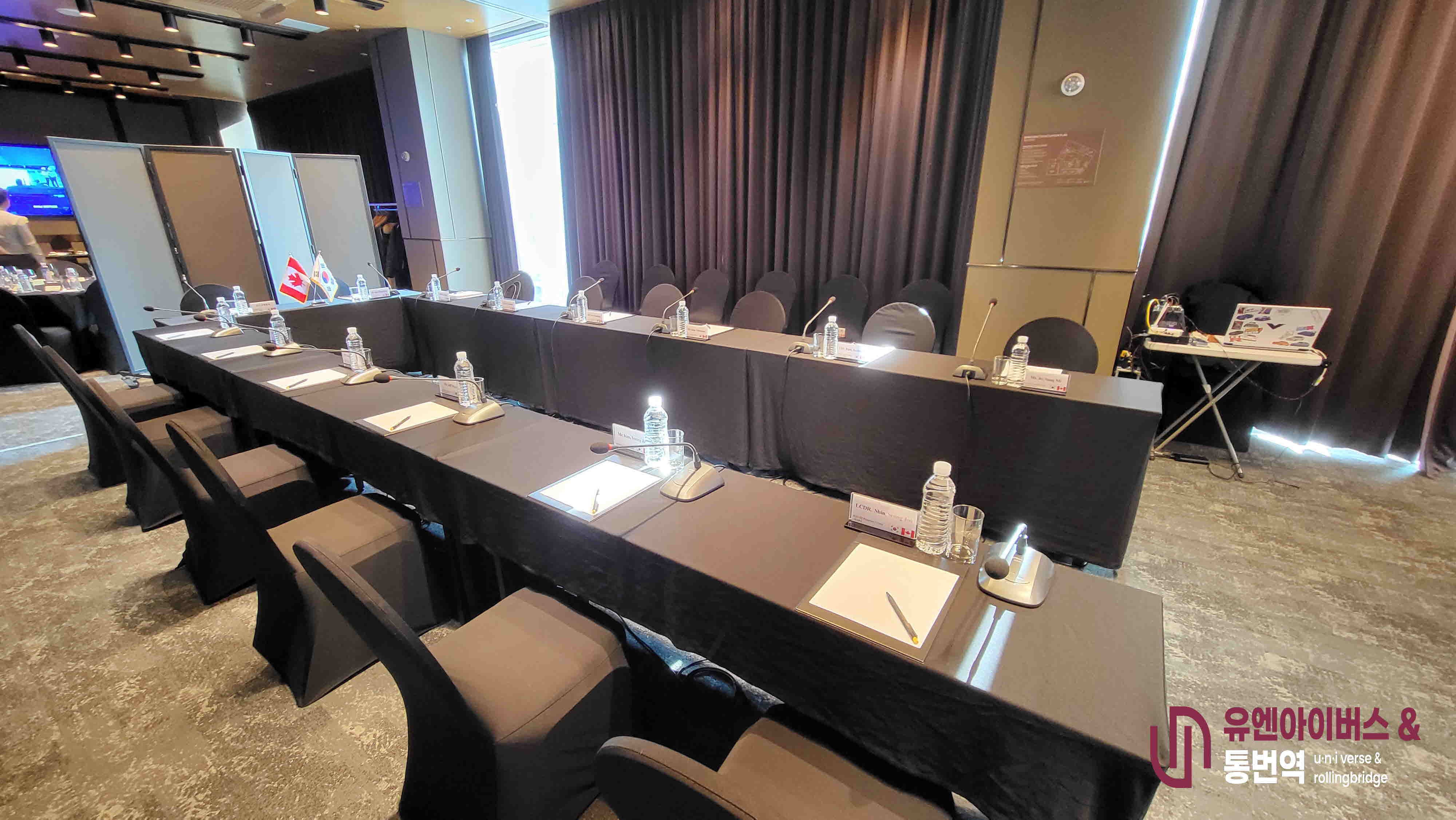
- Interpretation booths
- Consoles and receivers
- Audio-channel separation
- Transmission stability
Event Structure
- Presentation and panel format
- Speech density and speed
- Proportion of live Q&A
- Session duration
- Number of languages
- Audience and stakeholder importance
Operational Management
- Advance material review
- Technical rehearsal
- Interpreter briefing
- Real-time monitoring
- On-site troubleshooting
- Backup planning
If one of these elements is incorrectly configured, the overall quality may decline even when experienced interpreters are assigned.

UNIVERSE RB Interpretation Cost Structure Analysis
UNIVERSE RB does not simply calculate interpreter fees and equipment rental.
We analyze the complete cost structure required to deliver stable multilingual communication.
Core Cost Components
Cost Area | Main Determinants |
Interpreter staffing | Grade, subject expertise, language pair, duration, team size |
Preparation | Presentation review, glossary development, rehearsal, urgent preparation |
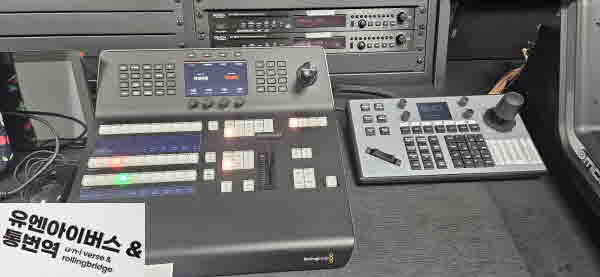
Equipment | Booths, consoles, transmitters, receivers, audio-routing devices |
Technical operation | Engineers, system operators, monitoring personnel |
Event format | On-site, online, or hybrid |
Languages | Number of channels and interpretation directions |
Venue | Layout, acoustics, installation access, existing audio systems |
Transmission | FM, infrared, online platform, streaming, broadcast |
Additional services | Recording, subtitles, archiving, rebroadcasting |
Risk management | Backup equipment, redundant audio paths, secondary networks |
In many projects, the cost difference does not arise solely from the interpreters.
It may result from differences in:
- Equipment quantities
- Transmission methods
- Venue audio conditions
- Monitoring requirements
- Technical staffing
- Backup structures
- Online and hybrid integration
Efficient Cost Design
UNIVERSE RB reviews which components are essential, optional, or already available at the venue.
The objective is to:
- Remove unnecessary equipment
- Prevent duplicated systems
- Use existing venue infrastructure where technically compatible
- Protect elements that directly affect quality
- Select the appropriate interpreter-team structure
- Match receiver quantities to actual demand
- Design realistic monitoring and backup systems
- Reduce avoidable operational risk
Cost efficiency does not mean selecting the lowest-priced configuration.
It means allocating the budget to the components that have the greatest effect on communication quality and event stability.
Interpretation System Design Process
flowchart TD
A["Event Analysis"] --> B["Risk Classification"]
B --> C["Interpreter Design"]
B --> D["System Design"]
C --> E["Cost Structure"]
D --> E
E --> F["Operation Plan"]
F --> G["Monitoring · Backup"]
1. Event Analysis
- Purpose
- Schedule
- Venue
- Participants
- Speakers
- Languages
- Program structure
2. Risk Classification
- Subject complexity
- Audience importance
- Confidentiality
- Numerical density
- Diplomatic or legal sensitivity
- Consequences of communication failure
3. Interpreter-Team Design
- Simultaneous or consecutive interpretation
- Interpreter grade
- Number of interpreters
- Language directions
- Subject expertise
- Preparation requirements
4. Equipment and System Design
- Booths and consoles
- Transmitters and receivers
- Audio routing
- Online platforms
- Subtitle displays
- Streaming
- Monitoring and backup
5. Cost Structure Proposal
- Essential configuration
- Optional services
- Alternative structures
- Cost-reduction options
- Risk and quality implications
System Configuration by Event Type
Event Type | Possible Configuration |
Small business meeting | Consecutive interpretation without separate equipment |
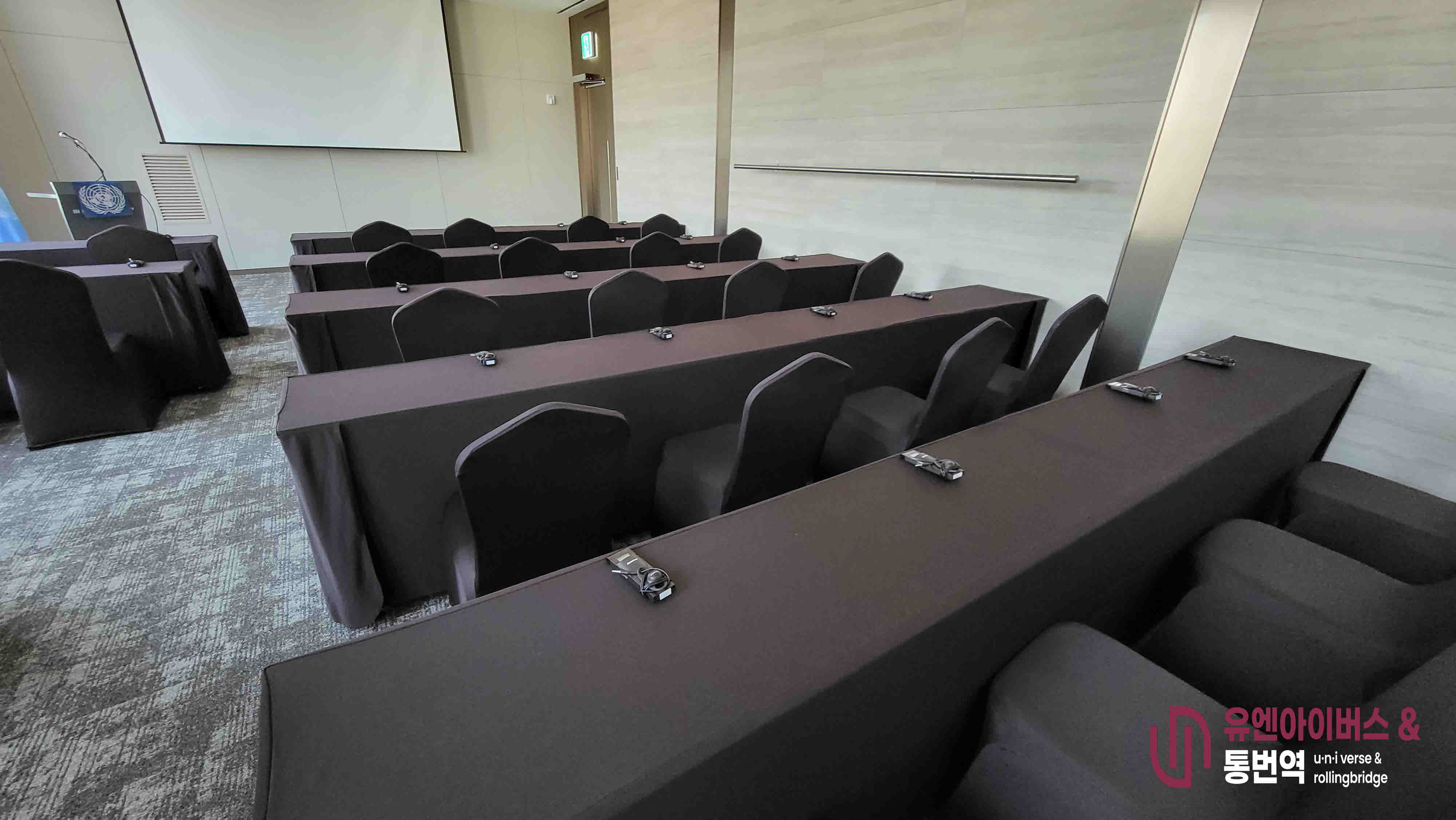
Small seminar | Portable simultaneous interpretation system |
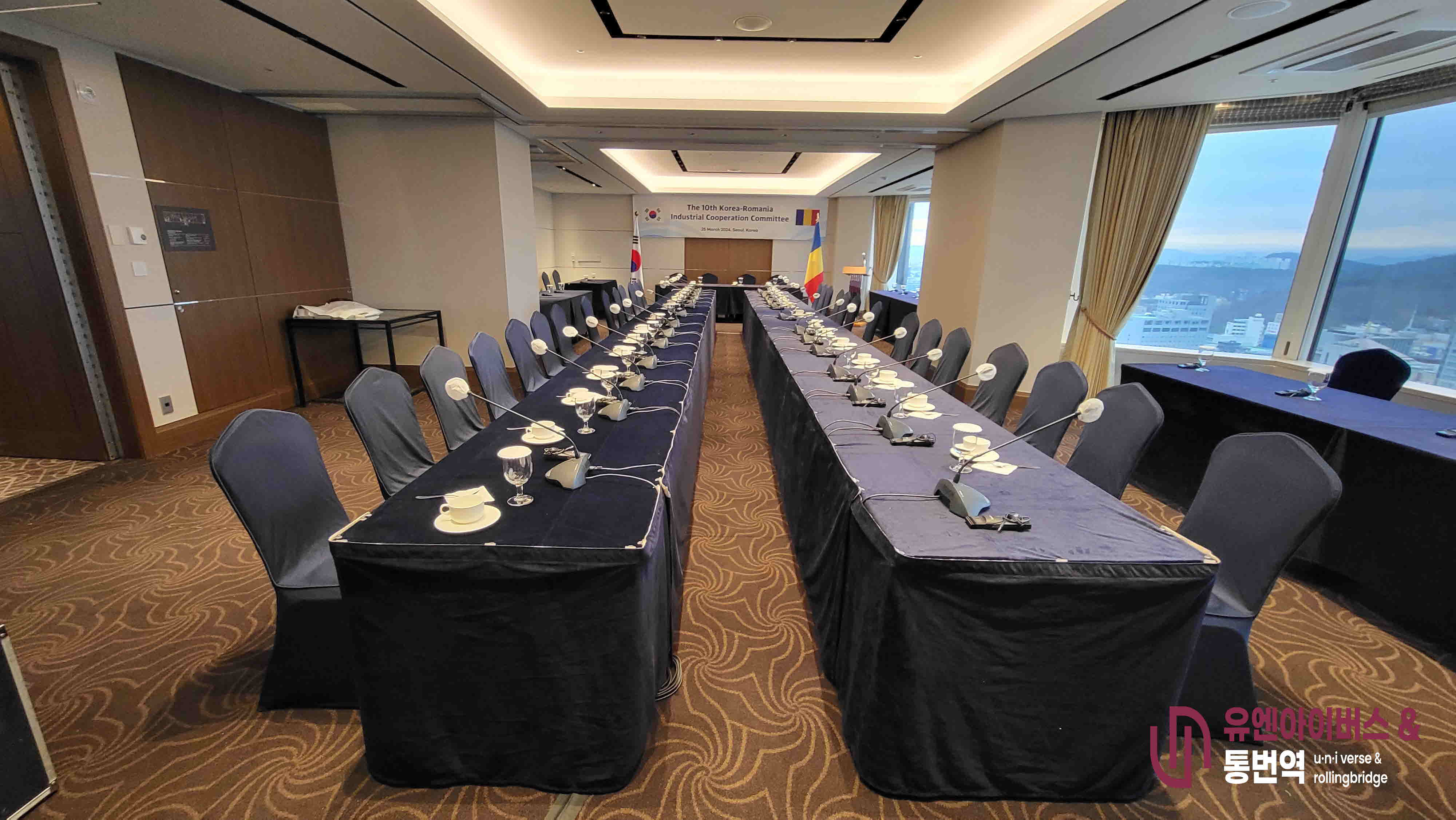
International conference | Booths, consoles, transmitters, receivers, technical operators |
Executive meeting | Specialized interpreter with confidentiality controls |
Online conference | Interpretation platform, audio routing, network monitoring |
Hybrid event | Integrated venue audio, online channels, streaming, and backup networks |
Multilingual summit | Multiple booths, language channels, relay interpretation, monitoring |
AI subtitle event | Clean audio input, AI processing, display systems, human monitoring |
The final configuration must be tailored to the actual event rather than selected from a fixed equipment package.
FAQ | Interpretation System Design · Cost Structure
1) What is interpretation system design?
Interpretation system design is the process of planning the complete multilingual communication structure for an event.
It includes:
- Interpretation method
- Interpreter-team configuration
- Equipment
- Audio routing
- Transmission
- Technical operation
- Monitoring
- Backup systems
The objective is to create a stable structure that matches the event’s goals and risk level.
2) Why is system design important?
Interpreter ability alone cannot guarantee successful communication.
The following elements must work together:
- Qualified interpreters
- Clear source audio
- Appropriate equipment
- Stable transmission
- Advance preparation
- Correct event configuration
- Real-time technical management
System design connects these elements and prevents avoidable failures.
3) What factors are reviewed during system design?
The review generally covers:
- Event purpose and formality
- Venue size and layout
- Number of participants
- Number of speakers
- Languages and directions
- Subject complexity
- Session duration
- Presentation and Q&A structure
- Screen and subtitle requirements
- Audio and transmission systems
- Online or hybrid requirements
- Network and backup needs
- Recording and streaming
These factors determine the appropriate interpreter and equipment configuration.
4) How are interpretation costs determined?
Interpretation costs may include:
- Interpreter fees
- Preparation and rehearsal
- Equipment
- Installation
- Technical staff
- On-site operation
- Online platforms
- Streaming and recording
- Travel and accommodation
- Monitoring and backup systems
The total cost reflects the communication structure required for the event rather than one standard price.
5) What is Interpretation Cost Structure Analysis?
Interpretation Cost Structure Analysis evaluates the event’s requirements and identifies the most appropriate use of the available budget.
It helps determine:
- Required interpreter grade and team size
- Essential equipment
- Optional equipment
- Technical staffing
- Alternative configurations
- Estimated cost ranges
- Quality and risk implications
The analysis provides a basis for comparing structures, not just final prices.
6) Why can costs differ significantly between similar events?
Two events of the same duration may require different systems.
Cost differences may result from:
- Subject difficulty
- Interpreter grade
- Number of languages
- Equipment quantities
- Venue audio conditions
- Receiver requirements
- Streaming and recording
- Hybrid integration
- Technical staff
- Backup systems
- Confidentiality and security
The quotation should therefore be reviewed together with its scope and system configuration.
7) Do online and hybrid events require system design?
Yes.
Online and hybrid events still require:
- Audio-channel separation
- Interpreter permissions
- Language-channel configuration
- Network stability
- Platform management
- Speaker and participant control
- Streaming integration
- Real-time monitoring
- Backup connections
Hybrid events may be more complex because on-site audio, remote interpreters, online participants, and external broadcasts must be synchronized.
Closing Statement
Interpretation quality is created when professional expertise and system design operate together.
UNIVERSE RB analyzes the event, identifies its communication risks, and designs the interpreter team, equipment, transmission, monitoring, and cost structure as one integrated system.
We do not simply provide a quotation.
We design the structure behind the quotation.
Technology-Enhanced. Expert-Led.
Quality is engineered.
Final Conclusion
Choosing an interpretation company is ultimately about choosing a communication partner.
While company size, revenue, certifications, and market visibility provide useful context, they do not by themselves determine the success of multilingual communication.
Successful outcomes are achieved through careful preparation, experienced professionals, effective project management, and a communication strategy aligned with the objectives of the event.
At UNIVERSE RB, we believe that the best interpretation projects are built on preparation rather than improvisation, systems rather than assumptions, and communication outcomes rather than marketing claims.
Our role is not simply to translate words.
Our role is to help organizations communicate with confidence across languages, cultures, and industries.

About Our Case Archive
The case studies and project insights presented on this website are based on experience supporting international conferences, investor presentations, government forums, executive meetings, technical seminars, and multilingual corporate events.
To protect client confidentiality and comply with the Code of Professional Conduct followed by professional interpreters worldwide, certain project details have been generalized, anonymized, or adapted for educational purposes.
The purpose of these materials is to share practical insights into multilingual communication planning while respecting the confidentiality of every client and every project.
UNIVERSE RB
Designing Communication. Managing Risk. Delivering Understanding.