
Quotation


Performance
Global Medical Device Regulatory Approval and Clinical Trends Seminar Simultaneous Interpretation | Medical Device Regulation · Clinical Research – UNIVERSE RB
- 2026.02.04
This international medical device regulatory conference explores global regulatory approval systems, clinical evaluation, compliance trends, and market entry strategies for medical devices.
Key interpretation topics include country-specific regulatory frameworks, medical device classification systems, regulatory approval strategies, clinical trial design, data collection and analysis, safety and performance evaluation, recent regulatory updates, post-market surveillance (PMS), real-world data (RWD) and real-world evidence (RWE), comparative market entry strategies, risk management, and case studies of successful and unsuccessful regulatory approvals.
Because medical device commercialization integrates regulatory science, clinical research, quality management, medical technology, and global compliance, professional interpretation is essential to accurately communicate regulatory terminology, clinical evidence, approval strategies, and international market access requirements.
Healthcare & Medical Innovation
Category Description
This category covers interpretation projects related to clinical trials, medical devices, digital health technologies, healthcare policy, and global medical cooperation.
UNIVERSE RB provides integrated services, including:
- Simultaneous interpretation
- Consecutive interpretation
- Medical seminar interpretation
- Medical and regulatory document translation
- AI-assisted terminology support
- QMS-based quality management
We support medical seminars, clinical research forums, medical-device conferences, and global healthcare cooperation events with professional interpretation services and structured quality control.
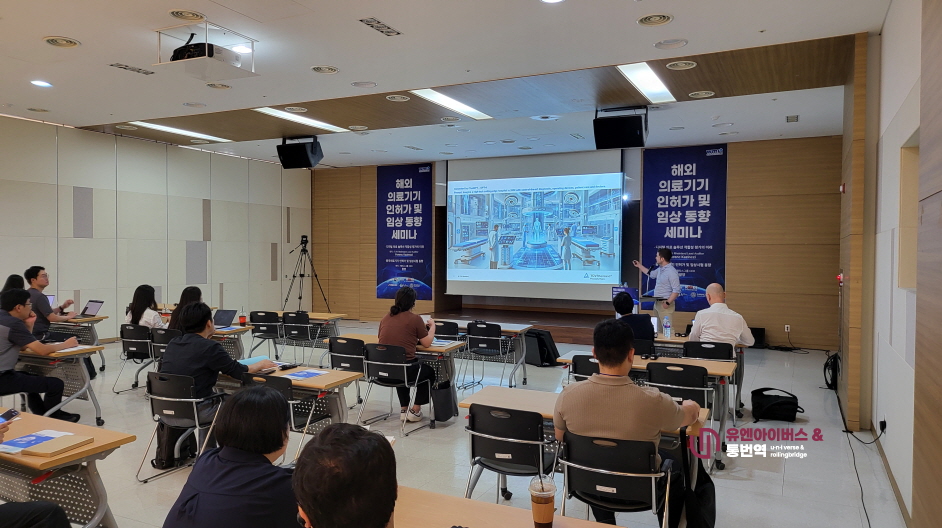
Global Medical Device Regulatory Approval and Clinical Trends Seminar
Regulatory Strategy · Clinical Evaluation · Global Market Entry
Executive Brief
The Global Medical Device Regulatory Approval and Clinical Trends Seminar examined regulatory strategies, clinical evaluation requirements, and global market-entry pathways within a highly controlled medical compliance environment.
Medical-device manufacturers, regulatory affairs professionals, clinical experts, hospitals, research institutions, and consulting specialists participated in detailed discussions involving regulatory approval pathways, device classification systems, clinical evidence, safety standards, and performance validation data.
AI-assisted analysis supported terminology clustering across medical-device classification systems, clinical evaluation standards, regulatory documentation, and post-market surveillance requirements.
Professional interpreters managed regulatory nuance, clinical-data precision, statistical terminology, and high-risk compliance discussions.
The QMS 9-Step Quality Management System was applied to prevent numerical errors and contextual distortion in regulatory and clinical communication.
Strategic Event Context
Nature of the Seminar
This was an international regulatory and clinical strategy forum designed to support the successful entry of medical devices into global markets.
Stakeholder Structure
- Medical-device manufacturers
- Regulatory affairs professionals
- Clinical research specialists
- Hospitals and research institutions
- Regulatory consultants
- Healthcare and medical-technology experts
Primary Objectives
- Explain global medical-device regulatory systems
- Clarify device classification criteria and approval pathways
- Analyze clinical trial and clinical evaluation requirements
- Review regulatory amendments and market trends
- Examine post-market surveillance obligations
- Support risk-controlled entry into overseas markets
In this environment, interpretation directly influenced regulatory clarity, approval-strategy accuracy, clinical credibility, and compliance risk management.
Communication Architecture
1. Global Medical Device Regulatory Systems
- Country-specific regulatory frameworks
- Medical-device classification criteria
- Approval and registration requirements
- Regulatory pathway selection strategies
2. Clinical Trials and Evaluation Standards
- Clinical trial design requirements
- Clinical evaluation procedures
- Clinical data collection and analysis standards
- Safety and performance validation
- Clinical endpoint selection
3. Regulatory Changes and Market Trends
- Recent regulatory amendments in major markets
- Post-market surveillance requirements
- Vigilance and adverse-event reporting
- Real-world data and real-world evidence utilization
- Emerging medical-device compliance trends
4. Global Market Entry and Risk Strategy
- Comparative analysis of national regulatory systems
- Overseas compliance and risk-management frameworks
- Market-entry sequencing
- Case studies of successful and unsuccessful approvals
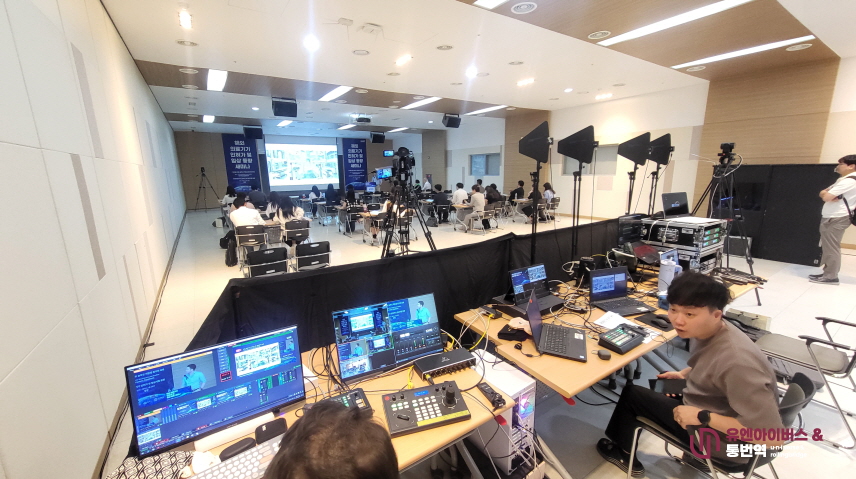
Interpretation Risk Matrix
High-Risk Areas
- Medical-device classification categories
- Approval timelines and regulatory milestones
- Clinical endpoint terminology
- Statistical significance and performance data
- Safety thresholds and validation criteria
- Post-market surveillance obligations
- Regulatory document requirements
- Executive-level and expert Q&A sessions
Potential Impact of Interpretation Errors
- Misinterpretation of regulatory requirements
- Selection of an incorrect approval pathway
- Misunderstanding of clinical evidence
- Loss of clinical credibility
- Increased compliance risk
- Delays in market authorization
- Financial and reputational exposure
Interpretation therefore functioned as regulatory risk-mitigation infrastructure rather than a simple language service.
Preparation and Technical Alignment
Pre-Event Preparation Process
- Extraction of regulatory, clinical, and medical-device terminology
- Alignment of device classification glossaries
- Review of clinical protocols and case materials
- Analysis of approval pathways and regulatory documentation
- Risk mapping of statistical data and approval timelines
- Review of clinical endpoints and performance criteria
- Assessment of speaker communication styles
- Optimization of the interpretation system and acoustic environment
Specialized Terminology Volume
More than 1,300 regulatory, clinical, statistical, and medical-device classification terms were identified and mapped.
Pre-Analysis Time
More than 22 hours were allocated to structured regulatory and clinical review before the seminar.
Preparation was treated as part of the compliance risk-control process.

AI–Human Hybrid Control Architecture
|
Segment
|
AI-Assisted Role
|
Professional Interpreter Role
|
Human Control
|
|
Terminology preparation |
Regulatory vocabulary extraction and clustering |
Context validation and compliance-nuance control |
85% |
|
Regulatory sessions |
Structural preview and topic mapping |
Approval-pathway clarity and regulatory accuracy |
100% |
|
Clinical sessions |
Keyword and terminology alignment |
Precise delivery of clinical and statistical data |
100% |
|
Case discussions and Q&A |
Topic tracking |
Logical synthesis, neutrality, and contextual control |
100% |
Medical-device regulatory forums require human-led interpretation because of their compliance implications, clinical complexity, and demand for numerical and statistical precision.
Case Study
Case Example
A comparative session examining medical-device classification systems across multiple countries and strategies for validating clinical endpoints.
Risk Variables
The session combined:
- Differences in national classification criteria
- Multiple regulatory approval pathways
- Detailed clinical outcome statistics
- Safety and performance thresholds
- Market-specific documentation requirements
Response
AI-assisted analysis was used before the live sessions to cluster recurring regulatory terminology and compare medical-device classification structures.
Professional interpreters then ensured the accurate delivery of approval timelines, safety thresholds, clinical outcomes, statistical endpoints, and market-specific regulatory requirements.
Particular attention was given to distinctions between similar regulatory terms that carried different legal or clinical implications across jurisdictions.
Result
- No numerical deviation in clinical outcome reporting
- No contextual distortion in regulatory explanations
- Consistent terminology across regulatory and clinical sessions
- Clearer understanding of cross-country approval strategies
- Positive feedback from regulatory affairs and clinical professionals
QMS 9-Step Application
- Review of pre-event regulatory materials
- Development of the medical-device terminology glossary
- Alignment of clinical and regulatory terminology
- Cross-verification of statistical data and clinical endpoints
- Optimization of the acoustic and interpretation environment
- Real-time terminology monitoring
- Tone calibration across legal, regulatory, and clinical sessions
- Post-session terminology and accuracy audit
- Secure archiving for continuity in future medical-device projects
Quality Indicators
- Terminology alignment: above 99%
- Clinical and statistical precision: 100%
- Contextual distortion: zero recorded cases
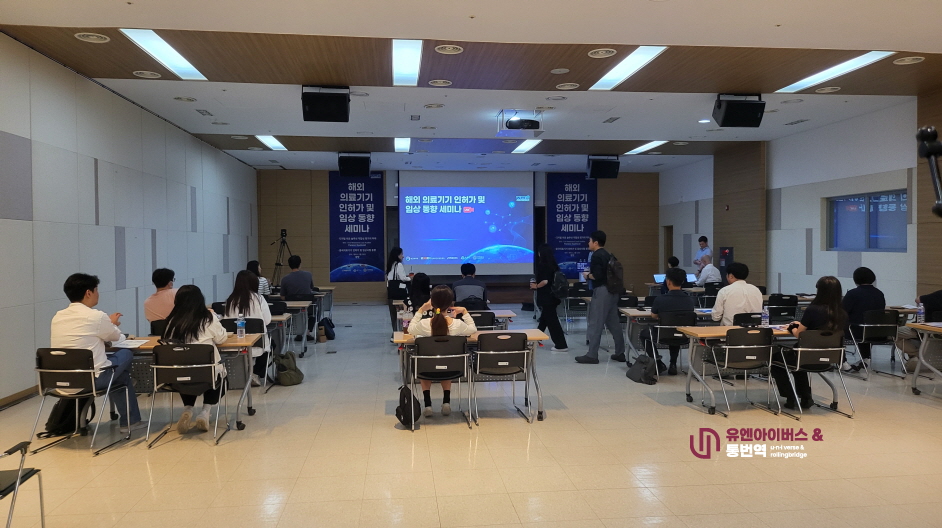
Frequently Asked Questions
Q1. Why is medical-device regulatory interpretation highly specialized?
It combines regulatory and legal language, clinical methodology, device classification systems, safety standards, statistical analysis, and market-entry strategy. Interpreters must understand how these elements interact throughout the approval process.
Q2. Why must clinical and statistical data be delivered precisely?
Regulatory approval decisions and compliance assessments depend on accurate reporting of clinical outcomes, safety thresholds, statistical significance, and device-performance data.
Q3. Can AI replace professional interpreters at regulatory seminars?
AI can support terminology extraction, glossary preparation, document analysis, and captioning. However, regulatory liability, clinical nuance, live expert discussions, and jurisdiction-specific terminology require experienced professional interpreters.
Q4. Why is neutrality important?
Comparisons between regulatory systems, approval difficulty, clinical evidence, and market-entry requirements must remain objective and fact-based. The interpreter must not introduce unintended emphasis or personal interpretation.
Q5. What increases the complexity of a medical-device seminar?
Complexity increases when the event combines:
- Multiple national regulatory frameworks
- Device classification systems
- Clinical trial methodology
- Statistical validation data
- Safety and performance requirements
- Post-market surveillance
- Global market-entry strategies
- Live expert Q&A sessions
Pricing Determination Conditions
Pricing is determined according to medical specialization, regulatory complexity, and compliance exposure.
Core Pricing Factors
- Language-pair complexity
- Level of regulatory and clinical specialization
- Density of statistical and clinical data
- Confidentiality requirements
- Pre-event preparation hours
- Number and grade of interpreters
- Event duration
- On-site, online, or hybrid configuration
- Interpretation and audio-equipment requirements
- Number of target regulatory jurisdictions
- Proportion of expert discussion and Q&A
- Translation and review requirements for regulatory documents
Medical-device regulatory seminars generally fall within the high-specialization category because of their compliance risks and requirements for clinical, statistical, and numerical precision.
Professional Operating Standards
UNIVERSE RB operates according to the following standards:
- Professional and executive-level neutrality
- Strict confidentiality compliance
- Regulatory and clinical terminology governance
- Clinical, statistical, and numerical precision control
- Risk-aware communication architecture
- Human-led quality assurance
- QMS-based preparation and post-event review
Closing Statement
Medical-device regulatory interpretation is not standard conference translation.
It is a compliance communication system connecting regulatory approval frameworks, clinical validation science, medical-device safety, and global market-entry strategy.
UNIVERSE RB designs structured, high-precision communication environments for medical-device and healthcare events.
Professional human expertise ensures regulatory clarity, clinical accuracy, neutrality, confidentiality, and statistical precision.
Quality is engineered.
Strategic Visibility Statement
UNIVERSE RB provides high-level simultaneous and consecutive interpretation for medical-device regulatory seminars, clinical research forums, digital health conferences, and global healthcare cooperation events.
AI-assisted terminology analysis operates under professional human control throughout all high-risk regulatory and clinical sessions.
Every project is structured through the QMS 9-Step Quality Management System to minimize numerical errors, terminology inconsistency, regulatory ambiguity, and contextual distortion.
This seminar represents a professional forum addressing medical innovation, regulatory approval, clinical evaluation, and global healthcare cooperation.
Healthcare technologies and regulatory environments continue to evolve through clinical research, medical-device innovation, digital health development, and international regulatory harmonization.
View More Healthcare & Medical Innovation Cases
At UNIVERSE RB, we believe that the best interpretation projects are built on preparation rather than improvisation, systems rather than assumptions, and communication outcomes rather than marketing claims.
Our role is not simply to translate words.
Our role is to help organizations communicate with confidence across languages, cultures, and industries.

About Our Case Archive
The case studies and project insights presented on this website are based on experience supporting international conferences, investor presentations, government forums, executive meetings, technical seminars, and multilingual corporate events.
To protect client confidentiality and comply with the Code of Professional Conduct followed by professional interpreters worldwide, certain project details have been generalized, anonymized, or adapted for educational purposes.
The purpose of these materials is to share practical insights into multilingual communication planning while respecting the confidentiality of every client and every project.
UNIVERSE RB
Designing Communication. Managing Risk. Delivering Understanding.