
Quotation


Performance
AI · EduTech Seminar Simultaneous Interpretation | Education Technology · Digital Learning Forum – UNIVERSE RB
- 2026.01.22
This international AI and EdTech conference explores AI-driven education innovation, personalized learning, digital learning platforms, education policy, and global collaboration.
Key interpretation topics include personalized and adaptive learning models, Learning Analytics-based decision-making, LMS platforms, AI tutors, online and hybrid learning environments, digital education transformation policies, innovation in public and higher education, global EdTech market trends, and education policy initiatives led by international organizations.
Because AI-powered education integrates pedagogy, artificial intelligence, data analytics, digital platforms, and public policy, professional interpretation is essential to accurately communicate educational concepts, technical terminology, policy frameworks, and global innovation strategies.
Education, Leadership & Human Capital
Category Description
This category covers interpretation cases related to education innovation, leadership strategy, digital learning, and talent development initiatives.
UNIVERSE RB provides integrated services including:
- Simultaneous interpretation
- Consecutive interpretation
- Education seminar interpretation
- Educational material translation
- QMS-based quality management operations
We support education conferences, leadership forums, and global talent development programs.
Executive Summary
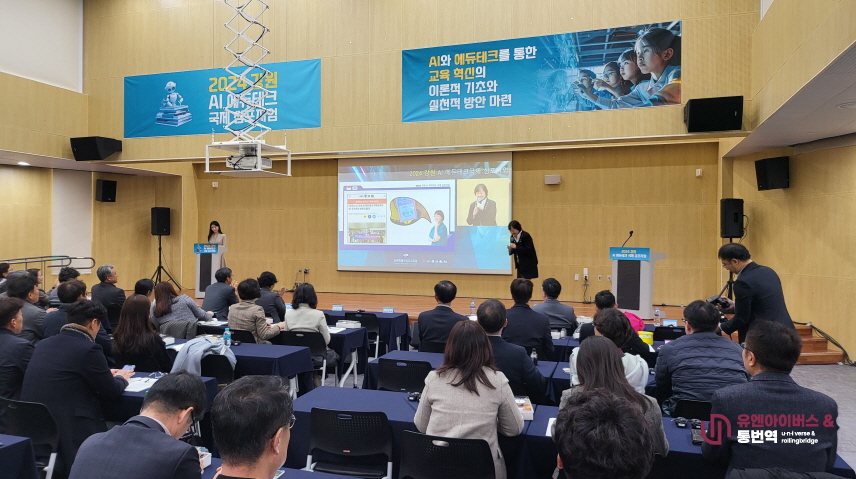
The AI & EduTech Seminar is a high-level professional forum integrating artificial intelligence, digital learning platforms, education policy transformation, and global EduTech market trends.
The seminar connects policymakers, academic institutions, AI developers, and education innovators to examine the structural impact of AI on learning systems and governance.
Simultaneous interpretation requires precise education and AI terminology management, policy neutrality, and structured delivery under UNIVERSE RB’s QMS-based education technology communication architecture.
1. Overview
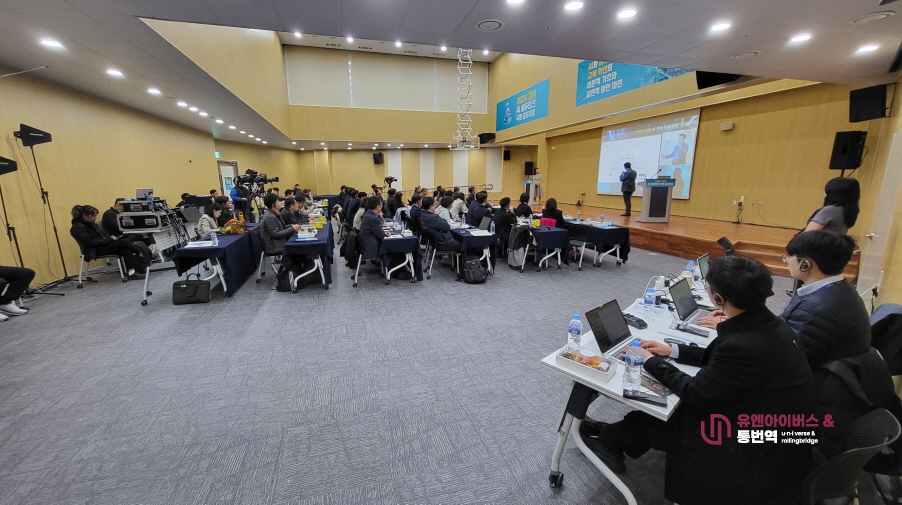
The AI & EduTech Seminar is a professional education and technology forum focused on educational innovation through Artificial Intelligence (AI), digital learning environments, educational data utilization, future education policy, and global trends in the EduTech industry.
The seminar brings together government policymakers, schools and universities, EduTech companies, AI experts, researchers, international organizations, and education startups to explore the impact of AI technologies on educational practice, learning experiences, and governance systems.
Simultaneous interpreters are required to accurately convey education policy language, AI and EduTech technical terminology, and international cooperation discourse, maintaining a neutral and professional tone appropriate for academic and policy-level discussions.
2. Key Topics
AI-Driven Educational Innovation
AI-powered personalized and adaptive learning
Learning analytics and data-driven decision-making
Generative AI applications in education
EduTech Platforms
Online and hybrid learning ecosystems
Learning Management Systems (LMS), AI tutors, and digital platforms
Digital transformation of curriculum and content delivery
Education Policy and Systems
Digital transformation policies in education
Innovation strategies for K–12, higher education, and lifelong learning
Educational equity and access enhancement measures
Teaching and Learning Transformation
Future competencies: creativity, critical thinking, and problem-solving
AI literacy and digital literacy development
Teacher capacity building and professional development
International Cooperation and Global Trends
Global EduTech market dynamics
Education policy frameworks of international organizations
Comparative national education innovation models
3. Interpretation Format
| Session Type | Content | Interpretation Mode |
|---|---|---|
| Keynote Addresses | AI-driven education vision and strategy | Simultaneous |
| Policy Sessions | Education systems and governance | Simultaneous |
| Technical Sessions | AI and EduTech platform demonstrations | Simultaneous |
| Case Presentations | Institutional implementation cases | Simultaneous |
| Panel Discussions | Government, academia, and industry dialogue | Simultaneous |
| Q&A Sessions | Audience interaction | Consecutive / Simultaneous |
4. Required Competencies
Strong understanding of education policy and pedagogy terminology
Foundational knowledge of AI, machine learning, and digital learning systems
Ability to shift register between policy discourse and technical explanation
Accurate handling of educational data, performance indicators, and outcome metrics
Neutral and formal tone appropriate for international education forums
Comprehensive interpretation skills spanning academic, policy, and practical domains
5. Sample Interpretation Application Types
International AI and EduTech conferences
Digital learning and future education policy forums
Government-hosted education innovation seminars
Global EduTech company showcases
International organization–led education policy workshops
6. Interpretation Notes
Accuracy in Education and Technology Terminology
Terms such as Artificial Intelligence, EduTech, Learning Analytics, Adaptive Learning, Digital Literacy, and Governance Framework must be rendered precisely and consistently.
Policy Neutrality
Statements concerning education reform, regulatory frameworks, and evaluation systems must be interpreted exactly as presented, without reinterpretation or evaluative framing.
Attention to Data and Indicators
Learning outcomes, participation rates, accessibility metrics, and evaluation results must be conveyed accurately to preserve policy credibility.
Institutional and International Style
Distinctions between “framework,” “strategy,” “guideline,” and “recommendation” must be maintained to reflect policy intensity and institutional authority.
7. Practical Case Analysis
Case 1 – Generative AI in Classroom Application
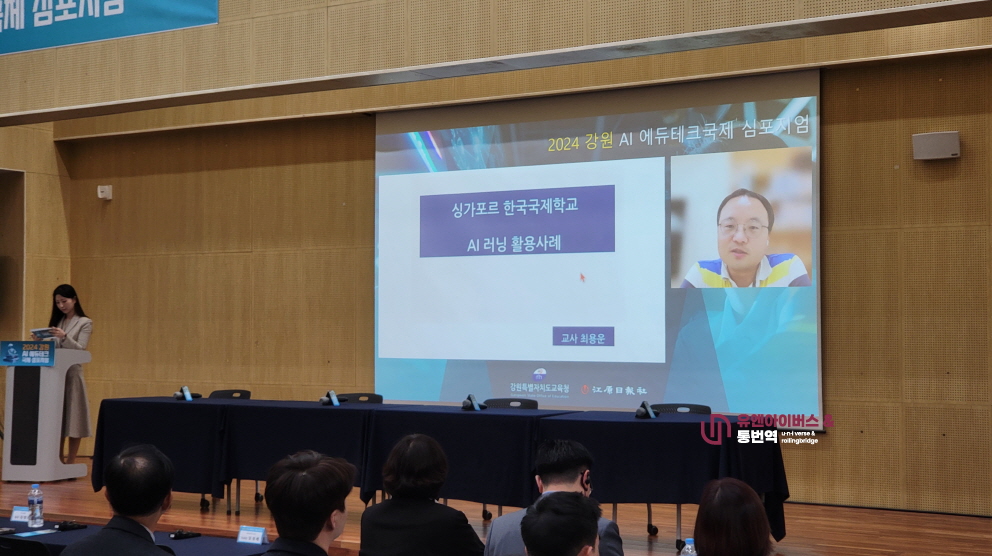
When discussing large language models and classroom integration, interpreters must clearly distinguish between experimental pilot programs and system-wide implementation policies.
Case 2 – Learning Analytics Dashboard Metrics
Sessions presenting performance indicators and engagement metrics require accurate numerical interpretation and contextual understanding of evaluation standards.
Case 3 – Education Policy Reform Discussion
When addressing curriculum restructuring or governance reform, interpreters must maintain clarity between strategic objectives, policy proposals, and enacted regulations.
8. Pricing Determination Conditions
Interpretation fees for an AI & EduTech Seminar are determined by:
Language combination (bilingual or multilingual configuration)
Number of interpreters required (team simultaneous recommended for full sessions)
Event duration and thematic density
Level of AI technical complexity
Availability of preparatory materials and glossaries
Degree of policy and institutional sensitivity
On-site, remote, or hybrid configuration
Equipment setup (booth system, IR/FM receivers, multi-channel digital systems)
Education-technology seminars combining AI engineering, policy dialogue, and international cooperation are classified as upper-tier complexity events.

9. FAQ
Q1. Why is AI & EduTech interpretation considered high-level?
Because it integrates technical AI terminology, education policy discourse, data analytics, and international cooperation within one professional setting.
Q2. How is neutrality maintained in policy discussions?
Interpreters deliver content exactly as stated, without evaluative language or reinterpretation.
Q3. Is preparation essential?
Yes. Reviewing AI models, platform features, policy documents, and key metrics ensures structural accuracy and logical flow.
Q4. Is simultaneous interpretation recommended?
Yes. High-density academic and policy sessions benefit from structured simultaneous interpretation.
Q5. How are technical demonstrations handled?
Technical sessions require clear differentiation between system architecture, functionality, and application cases to preserve technical integrity.
10. Summary
Simultaneous interpretation for an AI & EduTech Seminar represents a specialized field combining education reform, artificial intelligence technology, digital transformation, and international cooperation.
It requires:
Precise education and AI terminology
Policy-neutral and authoritative register
Accurate numerical and analytical delivery
Structural understanding of global education discourse
Interpreters function as education technology communication architects, ensuring future-oriented discussions on AI-driven learning are conveyed professionally, accurately, and credibly under the UNIVERSE RB QMS framework.
This seminar represents one of the professional sessions sharing insights into education innovation and talent development strategies.
Education models and leadership strategies continue to evolve alongside digital learning environments and social changes.
→ Explore Education Conference Interpretation Cases
https://universerb.com/en/11_en/365?page=39

About Our Case Archive
The case studies and project insights presented on this website are based on experience supporting international conferences, investor presentations, government forums, executive meetings, technical seminars, and multilingual corporate events.
To protect client confidentiality and comply with the Code of Professional Conduct followed by professional interpreters worldwide, certain project details have been generalized, anonymized, or adapted for educational purposes.
The purpose of these materials is to share practical insights into multilingual communication planning while respecting the confidentiality of every client and every project.
UNIVERSE RB
Designing Communication. Managing Risk. Delivering Understanding.