
Quotation


Performance
International Air and Space Law Seminar Simultaneous Interpretation | Aviation Law · Space Law · International Regulatory Policy Forum – UNIVERSE RB
- 2025.12.29
Public Policy & Global Governance
Category
Description
This category covers interpretation cases related to international policy
forums, public cooperation initiatives, ODA programs, and global governance
topics including environmental and climate policy.
UNIVERSE RB provides integrated services including:
Simultaneous interpretation Consecutive interpretation International conference interpretation Policy document translation QMS-based quality management operations
We support international policy forums, government cooperation meetings, and global governance conferences with stable interpretation environments.

Executive Summary
The Aviation and Space Law Seminar is a high-level international legal forum addressing civil aviation law, outer space treaties, satellite liability, emerging UAM regulation, and security considerations.
The seminar integrates treaty interpretation, comparative national regulation, technical aerospace background, and geopolitical policy analysis.
Simultaneous interpretation requires precise treaty-based terminology, strict neutrality in security-sensitive discourse, and formal academic rigor under UNIVERSE RB’s QMS-based international law communication architecture.
1. Overview
The Aviation and Space Law Seminar is an advanced legal and policy forum examining international norms and regulatory frameworks governing aviation and outer space activities.
The seminar covers civil aviation law, satellite operations, space resource utilization, drones and Urban Air Mobility (UAM), military and security dimensions, and treaty-based international governance.
Participants include international law scholars, professors specializing in air and space law, aviation and defense authorities, representatives from international organizations such as International Civil Aviation Organization and United Nations Office for Outer Space Affairs, airlines, satellite operators, space companies, law firms, and policy think tanks.
Simultaneous interpreters are required to accurately convey treaty language, legal doctrines, regulatory frameworks, and technically informed policy discussions with neutrality and formal precision suitable for international law discourse.
2. Key Topics
Air Law
-
Convention on International Civil Aviation (Chicago Convention)
-
Aviation safety and security regulations
-
Airline liability, accident investigation, and compensation regimes
-
Freedoms of the Air
Space Law
-
Outer Space Treaty
-
Registration and Liability Conventions
-
Liability for satellite launch, operation, and collision
-
Space debris mitigation and responsibility
Emerging Aviation and Space Issues
-
Legal frameworks for drones and Urban Air Mobility (UAM)
-
Commercial spaceflight and space tourism
-
Space resource extraction and ownership debates
-
Military, security, and dual-use aerospace technologies
Comparative International Norms and Policies
-
Comparative analysis of national aviation and space law systems
-
Alignment between ICAO/UN frameworks and domestic legislation
-
Regulatory shifts driven by private-sector expansion
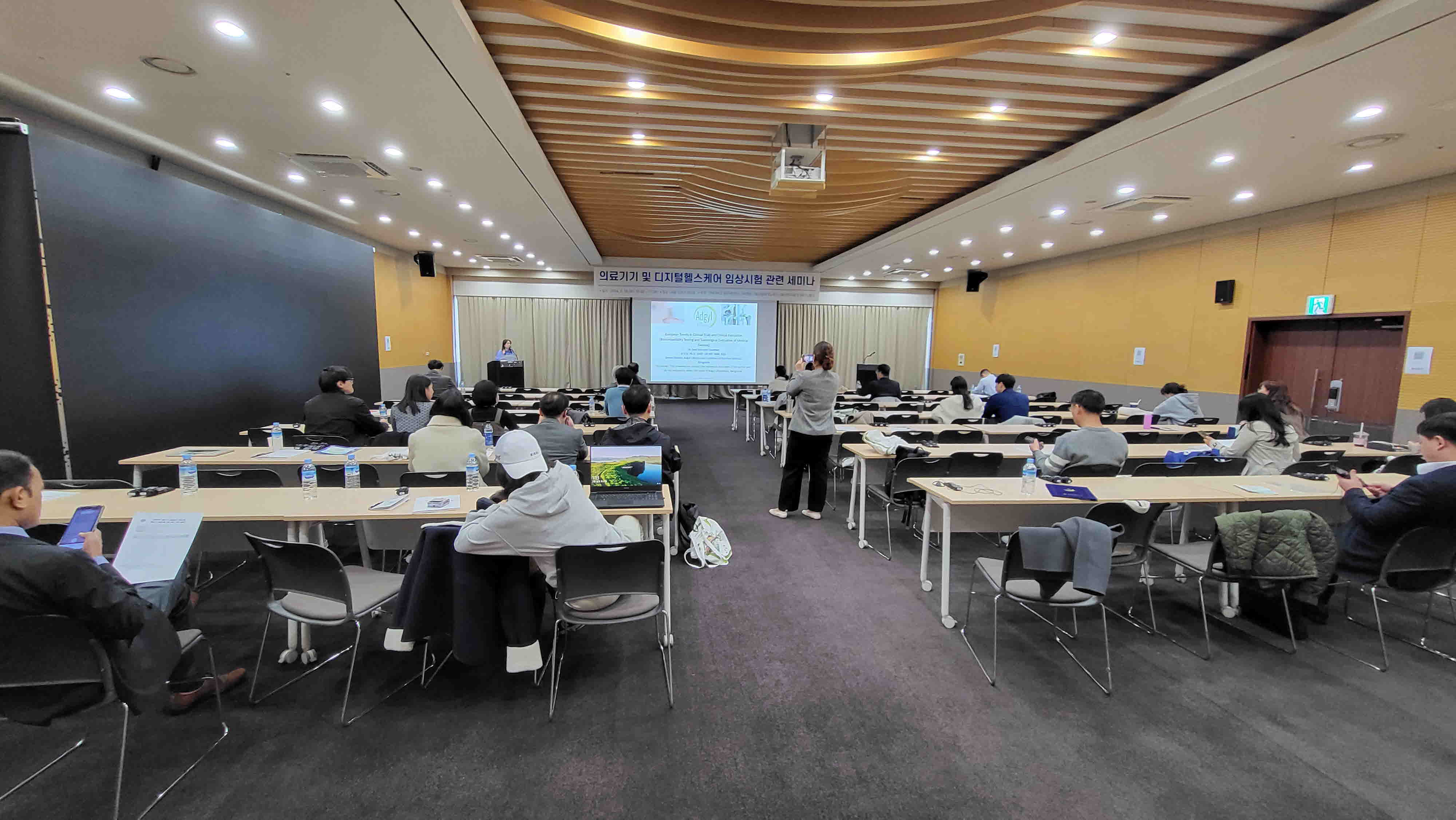
3. Interpretation Format
| Session Type | Content | Interpretation Mode |
|---|---|---|
| Keynote Addresses | International legal challenges in aviation & space | Simultaneous |
| Academic Presentations | Treaty interpretation and doctrinal analysis | Simultaneous |
| Policy Sessions | Regulatory approaches of states and IOs | Simultaneous |
| Case Presentations | Accident investigations & dispute cases | Simultaneous / Consecutive |
| Panel Discussions | Legal, policy, and industry dialogue | Simultaneous |
| Q&A Sessions | Audience and expert exchange | Consecutive / Simultaneous |
4. Required Competencies
-
Comprehensive understanding of international law, air law, and space law treaties
-
Familiarity with legal drafting conventions (articles, clauses, jurisdiction, liability)
-
Basic knowledge of aerospace technology (aircraft systems, satellites, launch vehicles)
-
Ability to shift register between academic analysis, regulatory policy, and security discourse
-
Strict neutrality when interpreting inter-state or sovereignty-sensitive matters
5. Sample Interpretation Cases
-
International academic conferences on air and space law
-
ICAO- and UNOOSA-related policy seminars
-
Satellite regulation and commercial space governance forums
-
International workshops on drone and UAM regulation
-
Symposiums on aviation accident liability and cross-border jurisdiction
6. Interpretation Notes
Accuracy in Legal and Treaty Terminology
Key terms must be rendered precisely and consistently, including:
-
Outer Space Treaty
-
Liability Convention
-
Jurisdiction
-
State Responsibility
-
Due Authorization
Distinguishing Legal Force and Modality
Terms such as “shall,” “may,” and “should,” and distinctions between binding and non-binding instruments, must be interpreted exactly to preserve legal obligation and normative weight.
Political and Security Neutrality
Statements concerning sovereignty, military use of space, dual-use technologies, and national security must be delivered without reinterpretation or evaluative commentary.
Academic Rigor
Interpretive hypotheses, doctrinal critiques, and policy recommendations must be clearly distinguished from legally binding obligations.
7. Practical Case Analysis
Case 1 – Satellite Collision Liability Discussion
Interpretation required precise differentiation between fault-based liability and absolute liability under the Liability Convention framework.
Case 2 – Urban Air Mobility Regulatory Proposal
Policy debate regarding certification standards and airspace integration required careful distinction between proposed guidelines and binding regulatory mandates.
Case 3 – Space Resource Utilization Debate
Discussions on ownership, appropriation, and international consensus required strict neutrality and careful handling of sovereignty-sensitive terminology.
8. Pricing Determination Conditions
Interpretation fees for an Aviation and Space Law Seminar are determined by:
-
Language combination (bilingual or multilingual configuration)
-
Number of interpreters required (team simultaneous recommended)
-
Duration and density of legal discourse
-
Level of treaty-based complexity and security sensitivity
-
Availability of preparatory legal documents and case materials
-
Participation of international organizations and state delegations
-
On-site, hybrid, or live-streamed format
-
Equipment configuration (booth system, IR receivers, multi-channel legal conference setup)
Air and space law seminars are categorized as upper-tier complexity events due to treaty language precision, geopolitical sensitivity, and academic rigor requirements.
9. FAQ
Q1. Why is aviation and space law interpretation highly specialized?
Because it integrates international treaty language, aerospace technology, security policy, and comparative legal systems.
Q2. How is neutrality ensured in sovereignty-sensitive discussions?
By conveying statements exactly as delivered without evaluative emphasis or reinterpretation.
Q3. Is preparation essential?
Yes. Reviewing treaty texts, case precedents, and regulatory frameworks ensures terminological consistency and legal precision.
Q4. Is simultaneous interpretation recommended?
Yes. Dense legal and doctrinal discussions require continuous and structured real-time interpretation.
Q5. How are technical aerospace concepts handled?
By clearly distinguishing between engineering description and legal liability analysis to avoid conceptual confusion.
10. Summary
Simultaneous interpretation for an Aviation and Space Law Seminar represents a highly specialized domain integrating international law, aerospace technology, policy governance, and security considerations.
It requires:
-
Precise treaty-based terminology
-
Accurate rendering of legal modality and obligation
-
Strict neutrality in politically sensitive discourse
-
Academic rigor and structured analytical delivery
Interpreters function as international law communication architects, ensuring that discussions on aviation and outer space governance are conveyed professionally, accurately, and credibly within the evolving global aerospace environment under the UNIVERSE RB QMS framework.
This case represents one of the sessions conducted as part of international
policy cooperation and global governance discussions.
Policy environments and international cooperation frameworks continue to evolve
in response to economic, environmental, and development policy changes.
→ View Public Policy & Global Governance Cases
https://universerb.com/en/11_en/71?page=39
https://universerb.com/en/11_en/360?page=39
The case archive on this
website is based on interpretation and global communication experiences
conducted in international seminars, policy forums, corporate presentations,
and industry conferences.
To comply with client confidentiality and the Code of Professional Conduct,
some event details are described in a generalized manner.