
Quotation


Performance
Korea–U.S. Alliance 70th Anniversary Seminar Simultaneous Interpretation | Security Strategy · Alliance Partnership – UNIVERSE RB
- 2025.12.02
This international Korea–U.S. alliance forum explores security cooperation, economic and technology partnerships, Indo-Pacific strategy, and the future of democratic collaboration.
Key interpretation topics include the 70-year evolution of the Korea–U.S. alliance, alliance readiness and combined defense, Extended Deterrence policy, cooperation in semiconductors, batteries, and AI, economic security and supply chain resilience, global democratic partnerships, cultural and educational exchanges, and next-generation alliance initiatives.
Because modern diplomacy and security integrate defense strategy, economic security, advanced technology, and international policy, professional interpretation is essential to accurately convey diplomatic language, strategic objectives, security frameworks, and long-term international cooperation.
Public Policy & Global Governance
Category
Description
This category covers interpretation cases related to international policy
forums, public cooperation initiatives, ODA programs, and global governance
topics including environmental and climate policy.
UNIVERSE RB provides integrated services including:
Simultaneous interpretation Consecutive interpretation International conference interpretation Policy document translation QMS-based quality management operations
We support international policy forums, government cooperation meetings, and global governance conferences with stable interpretation environments.
Executive Summary
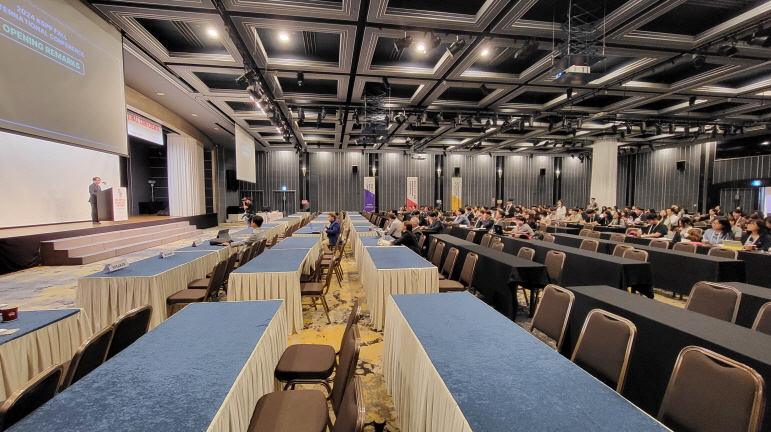
The Korea–U.S. Alliance 70th Anniversary Seminar commemorated seven decades of military cooperation, strategic security coordination, economic partnership, and cultural exchange between the Republic of Korea and the United States.
The forum required simultaneous interpretation across diplomatic, defense, economic, and geopolitical domains while preserving alliance tone, neutrality, and institutional dignity.
UNIVERSE RB provided high-level diplomatic interpretation ensuring precision in security terminology, strategic messaging consistency, and formal ceremonial register throughout the event.
1. Overview
Event
Korea–U.S. Alliance 70th Anniversary Seminar
Nature of the Forum
High-level bilateral diplomatic and security conference
Participants included
-
Representatives of the U.S. Embassy
-
Officials from the Korean Ministry of Foreign Affairs
-
Officials from the Korean Ministry of National Defense
-
National Assembly members
-
Military strategists and defense analysts
-
Economic and technology leaders
-
Academic experts and media representatives
The seminar integrated historical reflection, current strategic policy discussions, and future alliance planning.
Interpreters were required to maintain formal diplomatic tone while accurately delivering complex security and geopolitical content.
2. Key Topics
1 Seventy Years of Military and Security Cooperation
-
Evolution of the Mutual Defense Treaty
-
Combined defense posture development
-
Joint military exercises and interoperability
-
Strategic asset deployment
Terminology such as deterrence, force posture, and alliance coordination required exact rendering.
2 Indo-Pacific Strategy and Alliance Role
-
Regional stability frameworks
-
Strategic competition dynamics
-
Freedom of navigation principles
-
Multilateral security partnerships
Neutral delivery was essential in discussions referencing third countries or geopolitical tensions.
3 Economic and Technological Partnership
-
Semiconductor supply chain cooperation
-
AI research collaboration
-
Clean energy transition initiatives
-
Critical mineral security
Interpreters needed fluency in both trade and technology policy language.
4 Extended Deterrence and Alliance Modernization
-
Extended deterrence framework
-
Integrated deterrence concepts
-
Cybersecurity and space cooperation
-
Defense modernization initiatives
Accuracy in security terminology was crucial to avoid misinterpretation of policy commitments.
5 Democracy, Human Rights, and Cultural Exchange
-
Shared democratic values
-
Educational exchange programs
-
Youth leadership initiatives
-
Public diplomacy cooperation
Tone required warmth and partnership emphasis while maintaining formal structure.
6 Joint Statements and Future Alliance Strategy
-
Memorandums of understanding
-
Strategic declarations
-
Roadmap announcements
-
Next generation alliance initiatives
Precision in wording such as commitment, reaffirmation, pledge, and cooperation was essential.

3. Interpretation Structure
High-level diplomatic forums require
-
Senior simultaneous interpreters
-
Formal and restrained language register
-
Consistency in institutional terminology
-
Accurate delivery of official titles
-
Careful rendering of security-sensitive statements
4. Representative Interpretation Scenarios
Scenario 1 Ministerial Keynote Address
Simultaneous interpretation of commemorative speech highlighting historical milestones and future vision.
Required
-
Ceremonial dignity
-
Diplomatic warmth
-
Accurate historical references
Outcome
Delivered balanced tone blending celebration and strategic seriousness.
Scenario 2 Security Strategy Panel
Discussion among defense experts on extended deterrence and Indo-Pacific security architecture.
Interpreter ensured
-
Correct use of strategic terminology
-
Neutral tone on sensitive geopolitical topics
-
Precise delivery of policy commitments
Outcome
Maintained clarity without escalating tone.
Scenario 3 Economic and Technology Cooperation Session
Session focused on semiconductor resilience and AI collaboration.
Handled
-
Technical industry vocabulary
-
Bilateral trade references
-
Strategic supply chain terminology
Outcome
Enhanced policy understanding among economic stakeholders.
5. Interpretation Considerations
1 Diplomatic Tone Calibration
-
Opening ceremony speeches require formal warmth
-
Security sessions require disciplined neutrality
-
Economic sessions require structured clarity
2 Geopolitical Sensitivity
Statements involving regional security or strategic competition must be rendered factually without emphasis or reinterpretation.
3 Terminology Precision
Key terms include
-
Extended deterrence
-
Mutual defense
-
Strategic partnership
-
Alliance modernization
-
Integrated deterrence
Consistency across sessions reinforces institutional credibility.

6. FAQ
Q1 Why is alliance seminar interpretation considered high level
Because it integrates military doctrine, diplomatic language, economic cooperation, and geopolitical strategy simultaneously.
Q2 How are sensitive military references handled
They are delivered exactly as spoken, with disciplined neutrality and without tonal exaggeration.
Q3 Is dual interpreter deployment recommended
Yes. For multi-hour diplomatic forums with dense policy content, dual teams are standard practice.
Q4 What preparation is required
Review of alliance history, current defense frameworks, and official bilateral terminology is mandatory.
7. Pricing Determination Conditions
Interpretation fees for high-level alliance seminars are determined by
1 Number of interpretation languages
2 Participation of ministers, ambassadors, or defense officials
3 Security and geopolitical content sensitivity
4 Hybrid broadcasting requirements
5 Duration of plenary and panel sessions
6 Pre-event document review and glossary preparation
7 On-site rehearsal and protocol coordination
Alliance anniversary seminars are classified as high-sensitivity diplomatic events requiring senior interpreters with experience in security and international relations.
Conclusion
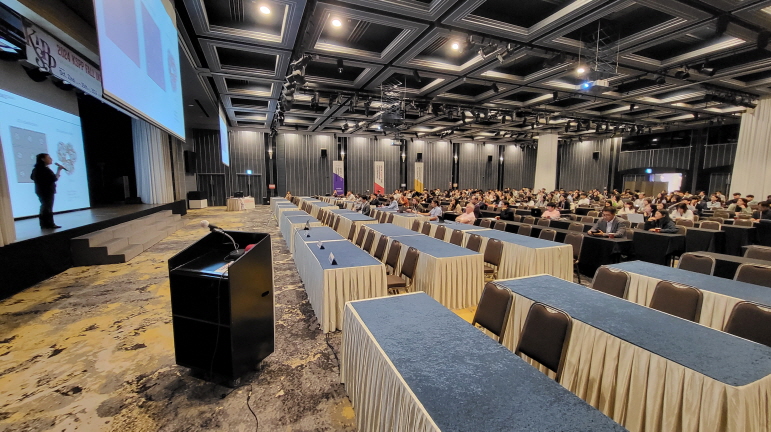
Simultaneous interpretation for the Korea–U.S. Alliance 70th Anniversary Seminar represents one of the most demanding domains in international conference interpreting.
It requires
-
Advanced diplomatic literacy
-
Security and defense terminology expertise
-
Geopolitical awareness
-
Cultural sensitivity and ceremonial tone control
Through structured preparation and disciplined delivery, UNIVERSE RB ensured accurate, professional, and strategically aligned communication supporting the continued strength of the Korea–U.S. alliance partnership.
This
case represents one of the sessions conducted as part of international policy
cooperation and global governance discussions.
Policy environments and international cooperation frameworks continue to evolve
in response to economic, environmental, and development policy changes.
→ View Public Policy & Global Governance Cases
https://universerb.com/en/11_en/160?page=39

About Our Case Archive
The case studies and project insights presented on this website are based on experience supporting international conferences, investor presentations, government forums, executive meetings, technical seminars, and multilingual corporate events.
To protect client confidentiality and comply with the Code of Professional Conduct followed by professional interpreters worldwide, certain project details have been generalized, anonymized, or adapted for educational purposes.
The purpose of these materials is to share practical insights into multilingual communication planning while respecting the confidentiality of every client and every project.
UNIVERSE RB
Designing Communication. Managing Risk. Delivering Understanding.