
Quotation


Performance
Global Logistics Seminar Simultaneous Interpretation | International Trade and Supply Chain Strategy Forum – UNIVERSE RB
- 2025.07.31
AI & Digital Transformation
Category Description
This category covers interpretation cases related to AI adoption, industrial
automation, data-driven decision-making, and digital transformation
technologies.
UNIVERSE RB provides integrated services including:
Simultaneous interpretation Consecutive interpretation Technical seminar interpretation AI-assisted caption support QMS-based quality management operationsWe support technology seminars, industry forums, and digital innovation conferences with stable and professional interpretation environments.
1. Event Overview

This Global Logistics Network Seminar was held as an international forum addressing:
-
International trade
-
Maritime and air transport
-
Supply Chain Management (SCM)
-
Logistics technology innovation
-
Trade policy developments
Participants included government agencies, port operators, global logistics firms, airlines, shipping companies, and trade experts.
Key themes included:
-
Supply chain risk management
-
Multimodal transport strategy
-
Digital transformation in logistics
-
ESG response strategies
Given the combination of trade, logistics, and regulatory policy discussions, precise terminology management and contextual policy interpretation were essential.
2. Why Is Global Logistics Seminar Interpretation High-Complexity?
“How is this different from a general industrial seminar?”
The global logistics and trade sector involves:
-
Simultaneous reference to international regulations and trade policy
-
Heavy use of numerical indicators and freight rate structures
-
Complex multimodal transport architecture explanations
-
Diverse accents and speaking styles from multinational speakers
-
Participation of policymakers, corporate leaders, and field practitioners
In international forums, panel discussions and Q&A sessions account for approximately 30% of total program time, where numerical precision and terminology accuracy become decisive.
Logistics interpretation is not simple information transfer.
It is closer to supply chain structure interpretation.
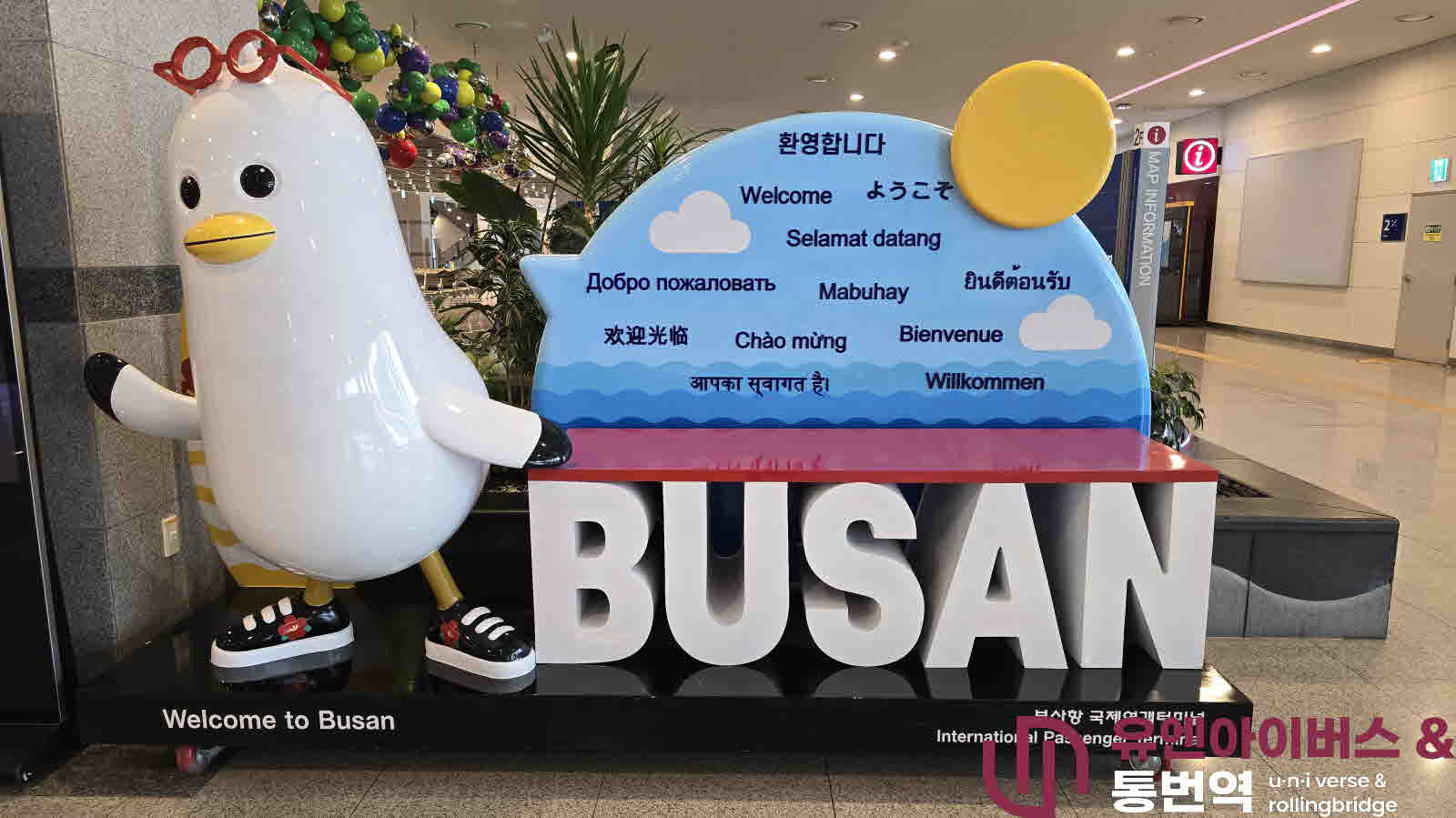
3. Key Discussion Themes
▸ Global Supply Chain Restructuring & Risk Management
-
Post-pandemic supply chain realignment
-
Geopolitical risk response strategies
▸ Multimodal Transport Strategy
-
Integrated sea, air, rail, and road models
-
Hub strategy and route optimization
▸ Port & Logistics Hub Digitalization
-
Smart port implementation
-
IoT-based logistics operations management
▸ Logistics Automation & AI
-
Robotic warehouse automation
-
AI-based demand forecasting and route analytics
▸ Trade Regulation & Tariff Changes
-
International trade policy shifts
-
Tariff structures and customs strategies
▸ ESG & Sustainable Logistics
-
Carbon-neutral logistics initiatives
-
Green fuel and transport efficiency strategies
4. Scope of Interpretation Services
-
Simultaneous interpretation for international forum sessions
-
Simultaneous interpretation for expert panel discussions
-
Consecutive interpretation for corporate briefings
-
Trade negotiation and contract consultation support
-
Port and logistics center site visit interpretation
-
Translation of related documentation
Selected sessions were delivered through English–Korean simultaneous interpretation, ensuring accurate transmission of technical, regulatory, and numerical information.
5. Required Competencies
International logistics and trade interpretation requires:
-
Familiarity with trade and logistics acronyms (Incoterms, TEU, etc.)
-
Understanding of international transport regulations (IMO, IATA, WTO, etc.)
-
Accurate handling of freight rates, cargo volumes, and statistical data
-
Ability to comprehend diverse international accents
-
Contextual switching between policy and corporate discourse
Numerical errors can directly affect negotiation credibility and policy interpretation.
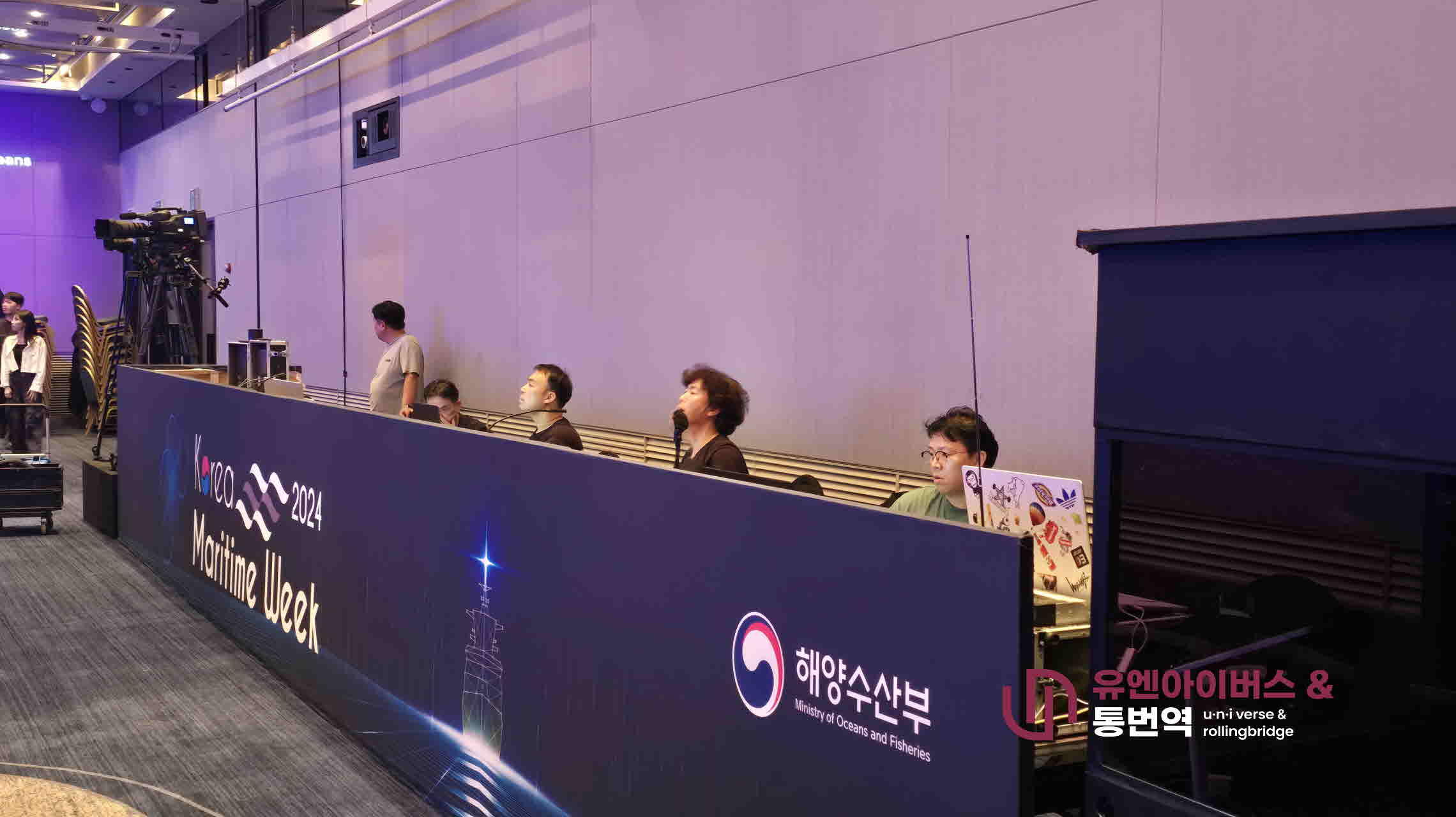
6. Cost Structure & Design Factors
Interpretation costs were determined by:
-
Number of sessions and overall event scale
-
Simultaneous interpretation equipment and technical staffing
-
Policy and regulatory complexity
-
Availability of advance materials
-
Multilingual support requirements
-
Inclusion of site visits
International forums require integrated design of:
Interpretation + Equipment + Technical Operations
7. Key Risks
-
Misinterpretation of trade terms
-
Confusion over international regulatory acronyms
-
Errors in freight rates or cargo volume figures
-
Omission in multimodal transport explanations
-
Distortion of ESG policy language
Global logistics interpretation is a risk-managed domain where policy, industry, and numerical data intersect.
8. Application of a 9-Step QMS
This project was managed through:
-
Analysis of event objectives and supply chain scope
-
Pre-collection of presentation materials and policy documents
-
Consolidation of trade and logistics terminology
-
Matching interpreters with sector expertise
-
Rehearsal and equipment testing
-
Acronym and numerical verification checklist operation
-
On-site quality monitoring
-
Structured Q&A response support
-
Post-event quality review and improvement integration
This minimized distortion risk in regulatory, numerical, and policy communication.
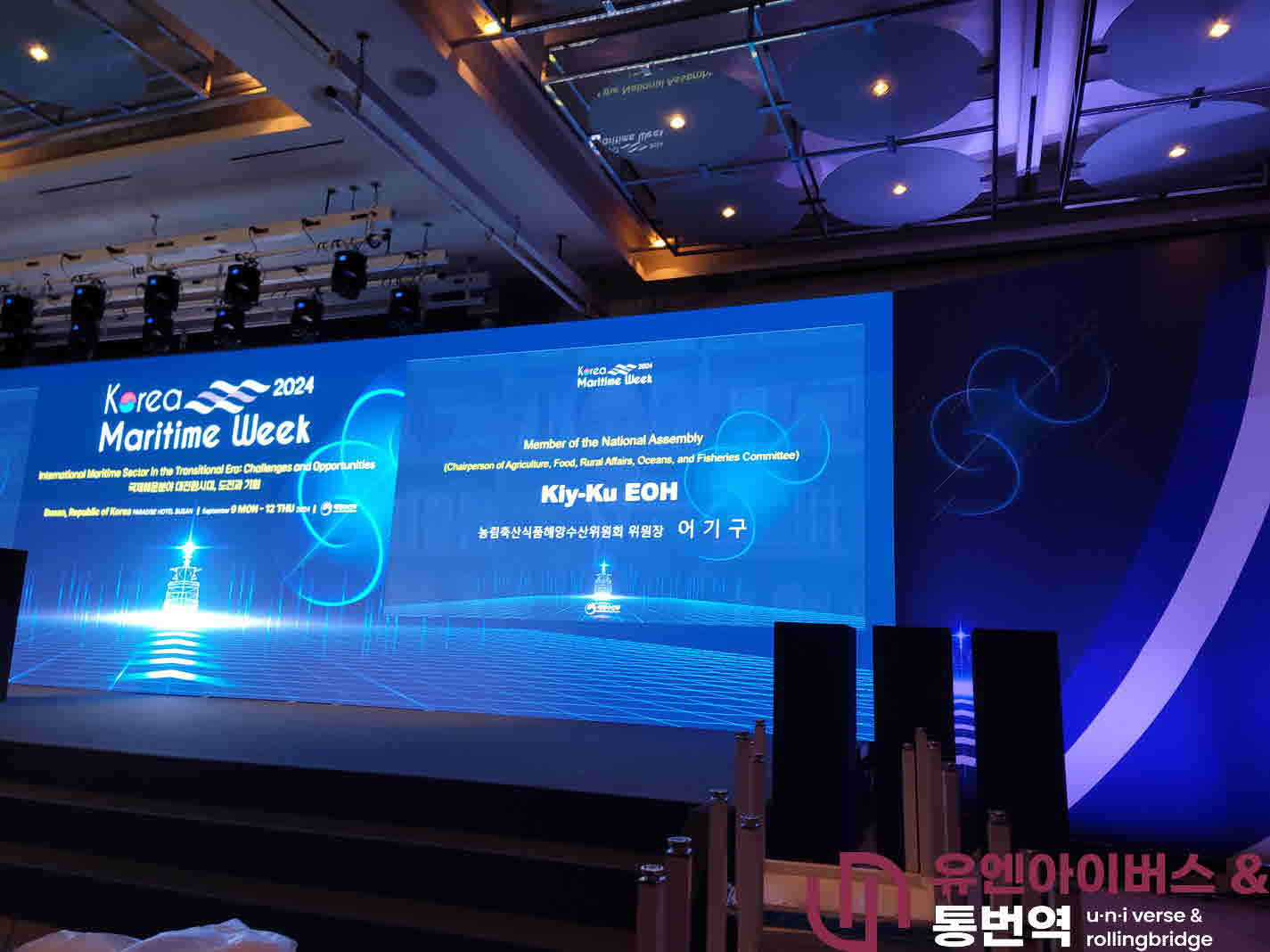
9. Practical Applications
-
International shipping and logistics conferences
-
Global e-commerce logistics seminars
-
Investment cooperation meetings between port operators and multinational corporations
-
UNCTAD (United Nations Conference on Trade and Development) logistics sessions
-
International aviation and maritime regulatory briefings
AI technologies continue to expand across manufacturing, data analytics, and automation systems through real-world implementation.
Conclusion
Interpretation for international logistics and trade seminars is not merely technical presentation support.
It is a strategic interpretation domain integrating supply chain architecture and trade policy.
When international regulations, numerical data, and industrial context are conveyed accurately, credibility in global cooperation and policy understanding is secured.
Through a QMS-based quality management framework, terminology and numerical risk specific to trade and logistics were structurally managed and minimized.
This
case represents one of the seminars or forums discussing the industrial
application of AI technologies.
AI technologies continue to expand across manufacturing, data analytics, and
automation systems through real-world implementation.
→ See Digital Transformation Conference Cases
https://universerb.com/en/11_en/331?page=39

The case archive on this
website is based on interpretation and global communication experiences
conducted in international seminars, policy forums, corporate presentations,
and industry conferences.
To comply with client confidentiality and the Code of Professional Conduct,
some event details are described in a generalized manner.