
Quotation


Performance
Cardiovascular Medicine Seminar Simultaneous Interpretation | Cardiology · Interventional Medicine – UNIVERSE RB
- 2025.11.26
This international cardiology conference explores the latest advances in coronary artery disease, heart failure management, interventional cardiology, cardiovascular imaging, and AI-driven clinical innovation.
Key interpretation topics include acute coronary syndrome (ACS) guidelines, STEMI and NSTEMI treatment strategies, antiplatelet and anticoagulant therapies, percutaneous coronary intervention (PCI), stent technologies, arrhythmia and heart failure management, Cardiac MRI, CT and echocardiography, and AI-based cardiovascular risk prediction models.
Because cardiovascular medicine integrates clinical practice, interventional procedures, medical imaging, artificial intelligence, and evidence-based medicine, professional interpretation is essential to accurately communicate medical terminology, clinical evidence, treatment guidelines, and emerging research findings.
Healthcare & Medical Innovation
Category Description
This category covers interpretation cases related to clinical trials, medical devices, digital health technologies, and global healthcare cooperation.
UNIVERSE RB provides integrated services including:
Simultaneous interpretationConsecutive interpretationMedical seminar interpretationMedical document translationQMS-based quality management operations
We support medical seminars, clinical research forums, and global healthcare cooperation conferences with professional interpretation services.
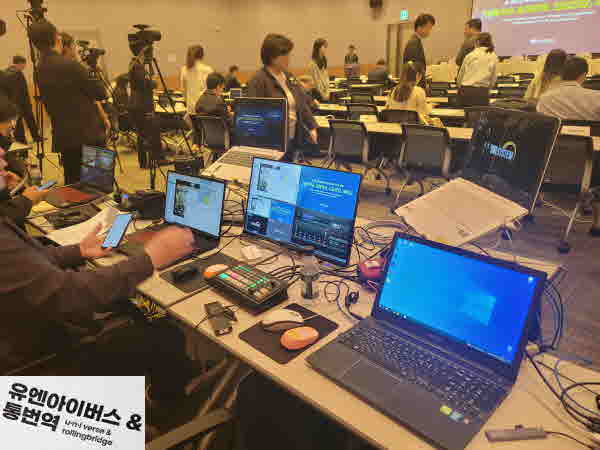
Executive Summary
The Cardiovascular Medicine Seminar was a high level clinical forum covering acute coronary syndrome, interventional cardiology, heart failure pharmacotherapy, advanced cardiac imaging, and AI assisted cardiovascular diagnostics.
The seminar required real time interpretation of highly technical clinical data, imaging findings, pharmacological research, and procedure based explanations.
UNIVERSE RB delivered specialized Korean and English simultaneous interpretation with structured medical terminology control, numerical precision, and strict neutrality in patient related discussions.
1. Overview
The Cardiovascular Medicine Seminar is a specialized medical conference addressing:
Acute myocardial infarction and acute coronary syndrome
Percutaneous coronary intervention and stent technologies
Arrhythmia management including atrial fibrillation and ventricular tachycardia
Heart failure pharmacological innovations
Advanced imaging modalities
AI driven cardiovascular prediction systems
Participants included cardiologists, interventional cardiologists, electrophysiologists, hospital research teams, medical device manufacturers, pharmaceutical representatives, and academic society members.
Interpretation required deep understanding of cardiac anatomy, coronary circulation, electrophysiology, pharmacodynamics, and clinical trial methodology.
2. Key Clinical Topics
1 Acute Coronary Syndrome and PCI Updates
Latest guideline updates for STEMI and NSTEMI
Radial versus femoral access comparison
Drug eluting stent evolution
Management of stent thrombosis
Precise terminology handling included:
Lesion severity
TIMI flow grade
Dual antiplatelet therapy
In hospital mortality statistics
2 Arrhythmia and Electrophysiology
Atrial fibrillation ablation strategies
Ventricular tachycardia mapping
Implantable cardioverter defibrillator indications
Catheter ablation outcome analysis
Interpretation required fast adaptation to electrocardiogram data and procedural mapping terminology.
3 Heart Failure and Pharmacological Advances
Reduced ejection fraction versus preserved ejection fraction
SGLT2 inhibitor research updates
Beta blocker and ARNI treatment algorithms
Clinical outcome trials
Accuracy in survival rate percentages, hazard ratios, and confidence intervals was critical.
4 Diagnostic Imaging Technologies
Cardiac MRI tissue characterization
Coronary CT angiography
Echocardiographic EF measurement
Structural heart disease imaging
Interpreter responsibilities included synchronizing with visual slide transitions and laser pointer references.
5 AI Based Cardiovascular Prediction
Deep learning ECG interpretation
Imaging based plaque vulnerability prediction
Risk stratification algorithms
Clinical decision support systems
Maintaining conceptual clarity between research validation and clinical application was essential.
3. Interpretation Competency Requirements
1 Foundational knowledge of cardiac physiology and pathology
2 Mastery of terminology such as
STEMI and NSTEMI
Ejection Fraction EF
Coronary artery stenosis
Stent deployment
Thrombosis
Ablation
3 Ability to interpret imaging driven explanations in real time
4 High numerical accuracy in clinical statistics
5 Neutral and ethical handling of patient case discussions
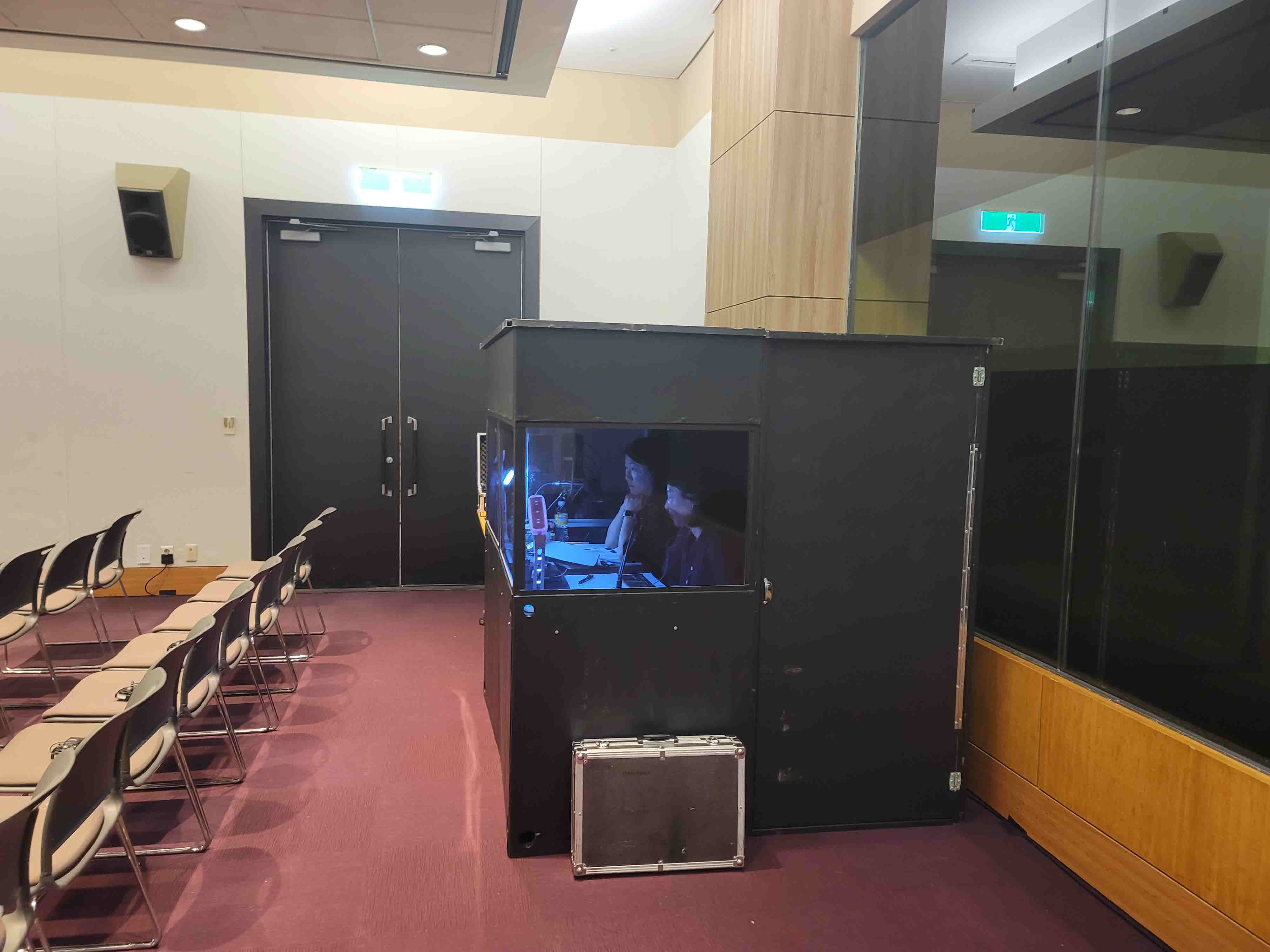
4. Real Interpretation Scenarios
Case 1 Interventional Cardiology Congress
Simultaneous interpretation for live PCI demonstration.
Handled:
Step by step catheter navigation
Balloon inflation pressure values
Stent expansion metrics
Outcome
Smooth procedural understanding among international attendees.
Case 2 Heart Failure Clinical Trial Session
Interpreted multicenter trial results including survival curves and Kaplan Meier analysis.
Ensured:
Correct rendering of hazard ratio
Clear explanation of primary and secondary endpoints
Accurate statistical phrasing
Outcome
High satisfaction from academic participants.
Case 3 AI Diagnostic Solution Workshop
Interpreted joint presentation by cardiologists and AI engineers.
Maintained clarity between
Model training dataset
Sensitivity and specificity
Clinical validation
Outcome
Effective communication between technical and clinical audiences.
5. Interpretation Notes
Accuracy of Medical Terminology
Coronary artery stenosis must not be simplified.
Ejection Fraction must reflect exact numerical values.
Stent deployment should clearly distinguish positioning and expansion.
Numerical and Clinical Data Precision
Small errors in EF percentage or mortality rate may change clinical meaning.
All units including mmHg, bpm, percentage, and dosage must be rendered precisely.
Imaging Based Presentations
Natural transitions are required such as
As shown in this CT image
On the left anterior descending artery
The lesion appears calcified
Visual synchronization is critical.
Ethical and Neutral Tone
Patient case discussions must be delivered objectively.
Avoid dramatic tone when discussing complications or mortality.
6. FAQ
Q1 Is cardiology interpretation considered high difficulty
Yes. It combines procedural, pharmacological, imaging, and statistical complexity.
Q2 How are unfamiliar abbreviations handled
Pre event glossary alignment and document review are conducted.
Q3 Are dual interpreters required
For sessions exceeding two hours or live procedure demonstrations, dual teams are recommended.
Q4 How is AI terminology integrated
Terminology consistency is maintained between medical and data science vocabulary.

7. Pricing Determination Conditions
Fees are determined based on
1 Duration of seminar and number of sessions
2 Requirement for dual simultaneous interpreters
3 Complexity of imaging and live procedure sessions
4 Volume of clinical trial data
5 Pre event document translation and glossary development
6 Hybrid or recording requirements
7 On site rehearsal and technical coordination
Cardiovascular medical seminars are categorized as advanced medical interpretation assignments requiring senior medical interpreters with clinical experience.
Conclusion
Simultaneous interpretation for a Cardiovascular Medicine Seminar represents one of the most technically demanding areas of conference interpreting.
It requires
Mastery of cardiac medicine terminology
Immediate comprehension of imaging and procedural explanations
Absolute numerical precision
Ethical neutrality in patient case discussions
Through structured preparation and disciplined delivery, UNIVERSE RB ensured accurate, professional, and clinically reliable interpretation supporting international collaboration in cardiovascular medicine.
This seminar represents a professional session discussing medical innovation and global healthcare collaboration.
Healthcare technologies and regulatory environments continue to evolve through clinical research, medical device innovation, and digital health development.
→ View Healthcare & Medical Innovation Cases
https://universerb.com/en/11_en/110?page=39

About Our Case Archive
The case studies and project insights presented on this website are based on experience supporting international conferences, investor presentations, government forums, executive meetings, technical seminars, and multilingual corporate events.
To protect client confidentiality and comply with the Code of Professional Conduct followed by professional interpreters worldwide, certain project details have been generalized, anonymized, or adapted for educational purposes.
The purpose of these materials is to share practical insights into multilingual communication planning while respecting the confidentiality of every client and every project.
UNIVERSE RB
Designing Communication. Managing Risk. Delivering Understanding.